
Planning a tropical escape to Tanzania’s archipelago? This comprehensive Zanzibar beaches guide reveals everything you need to know about the island’s stunning coastline. From the powdery white sands of Nungwi to the secluded shores of Paje, Zanzibar offers some of Africa’s most breathtaking beaches that rival any Caribbean destination.
As of 2026, Zanzibar attracts over 500,000 visitors annually, with beach tourism accounting for approximately 70% of the island’s tourism revenue according to the Tanzania Ministry of Natural Resources and Tourism. Whether you’re seeking adventure sports, romantic sunsets, or peaceful relaxation, this zanzibar beaches guide will help you choose the perfect coastal paradise.
Northern Zanzibar Beaches
The northern tip of Zanzibar hosts some of the archipelago’s most popular and accessible beaches, perfect for first-time visitors exploring this island paradise.
Nungwi Beach
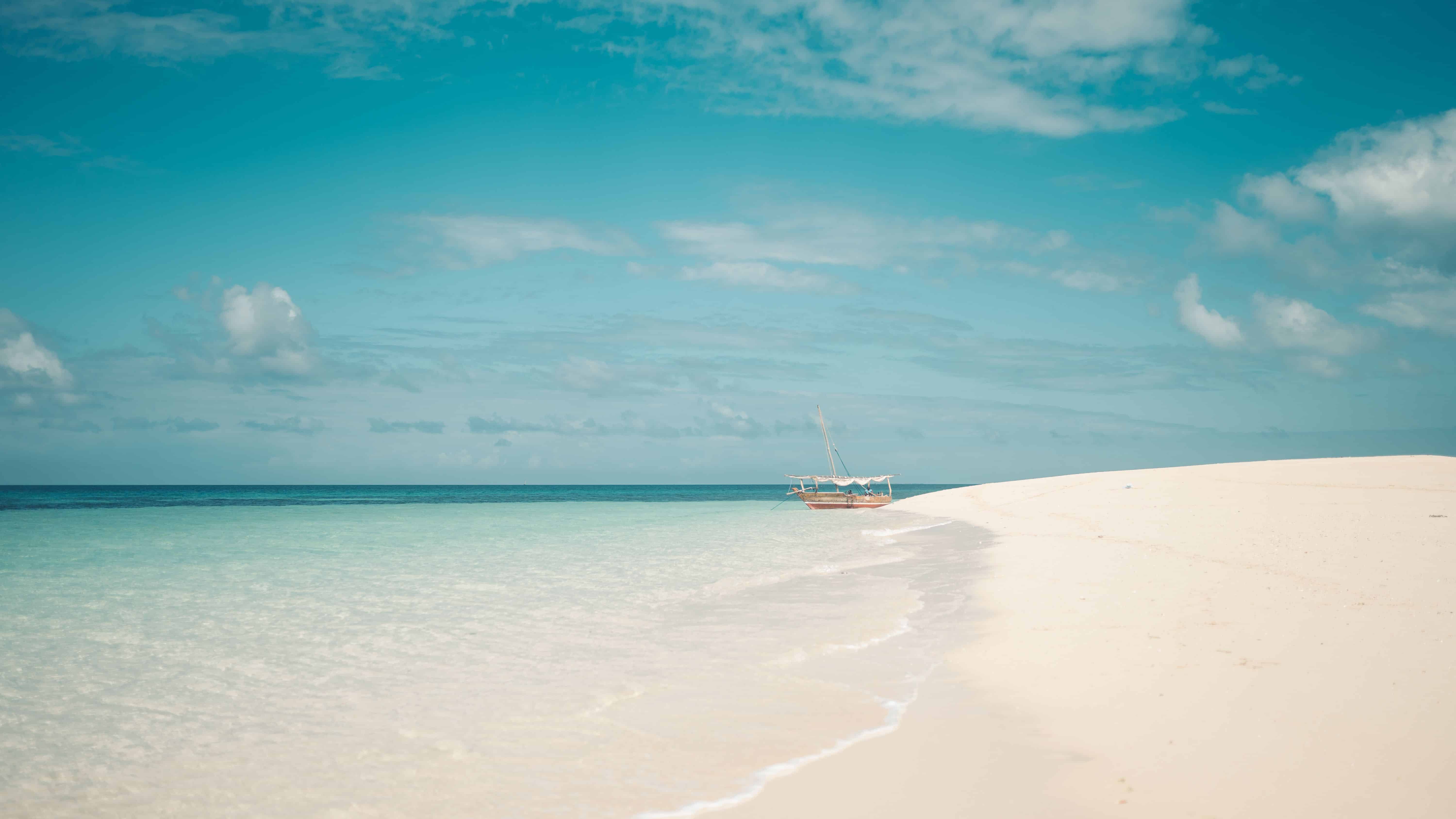
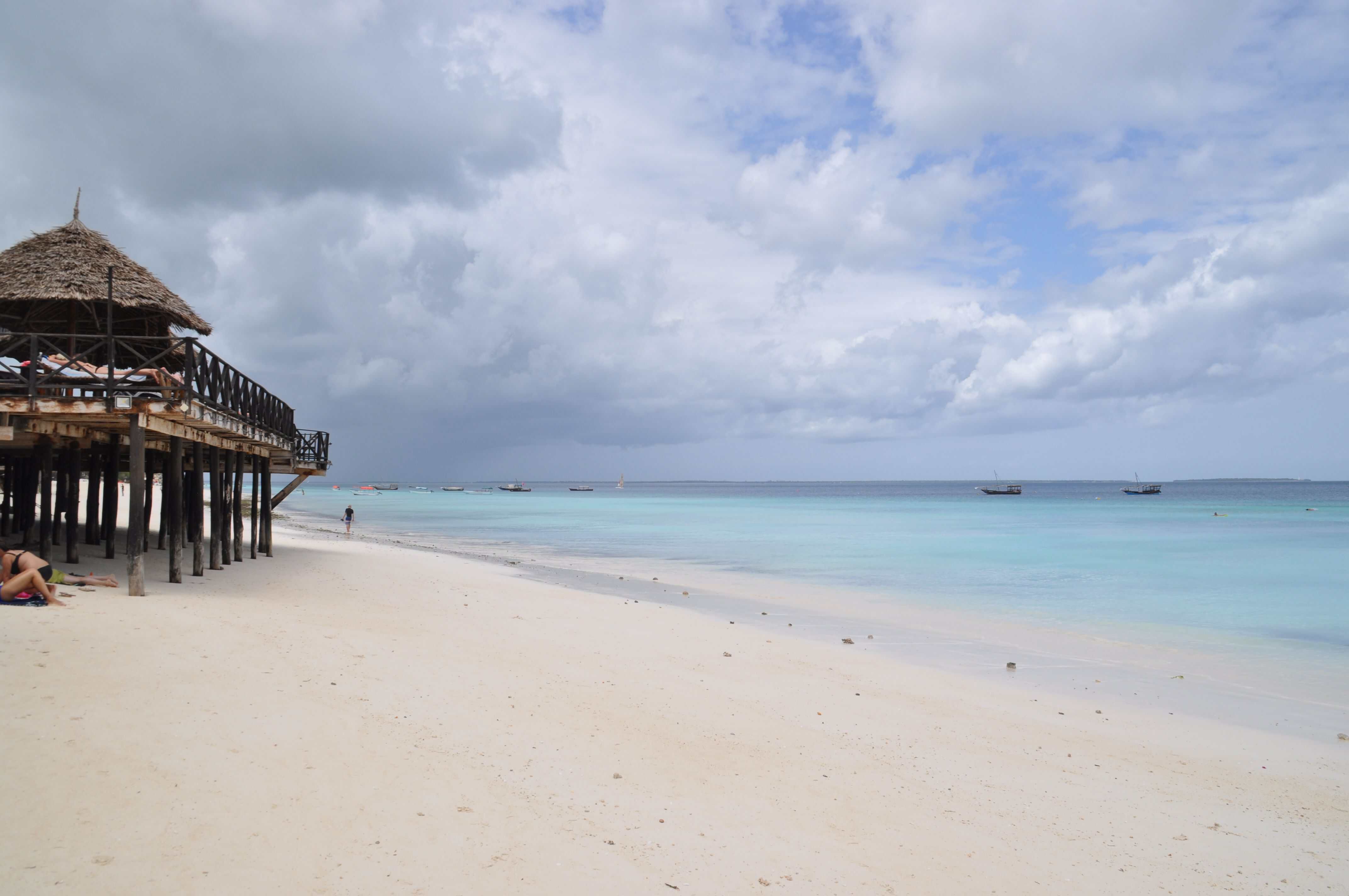
Nungwi stands as Zanzibar’s most vibrant beach destination, offering year-round swimming opportunities due to minimal tidal variations. The beach stretches for approximately 2 kilometers along the northern coastline, featuring crystal-clear waters ideal for snorkeling and diving.
This bustling beach town provides excellent infrastructure with numerous beachfront resorts, restaurants, and dive centers. Sunset dhow cruises depart daily, offering spectacular views as traditional wooden boats glide across turquoise waters.
Kendwa Beach
Just south of Nungwi, Kendwa Beach presents a more relaxed atmosphere while maintaining stunning beauty. The beach is famous for its monthly full moon parties and pristine swimming conditions regardless of tide levels.
Kendwa’s powdery white sand and gradual shoreline make it ideal for families with children. The area offers fewer crowds compared to Nungwi, providing a peaceful alternative for travelers seeking tranquility.
Eastern Coast Beach Destinations
Zanzibar’s eastern coastline experiences dramatic tidal changes, creating unique landscapes and opportunities for beach exploration throughout the day.
Paje Beach
Paje has emerged as the kitesurfing capital of East Africa, attracting enthusiasts from around the globe. The consistent trade winds from June to March create perfect conditions for both beginners and advanced riders.
During low tide, the expansive shallow lagoon stretches hundreds of meters offshore, revealing starfish and sea urchins. Several professional kite schools operate year-round, offering lessons and equipment rental.
Jambiani Beach
This traditional fishing village maintains authentic Swahili culture alongside its tourism development. Jambiani Beach extends for nearly 5 kilometers, offering plenty of space for solitary walks and beach relaxation.
The local seaweed farming operations provide insight into Zanzibar’s traditional economy. Visitors can observe women tending their underwater gardens during low tide, a practice documented by UNESCO as culturally significant.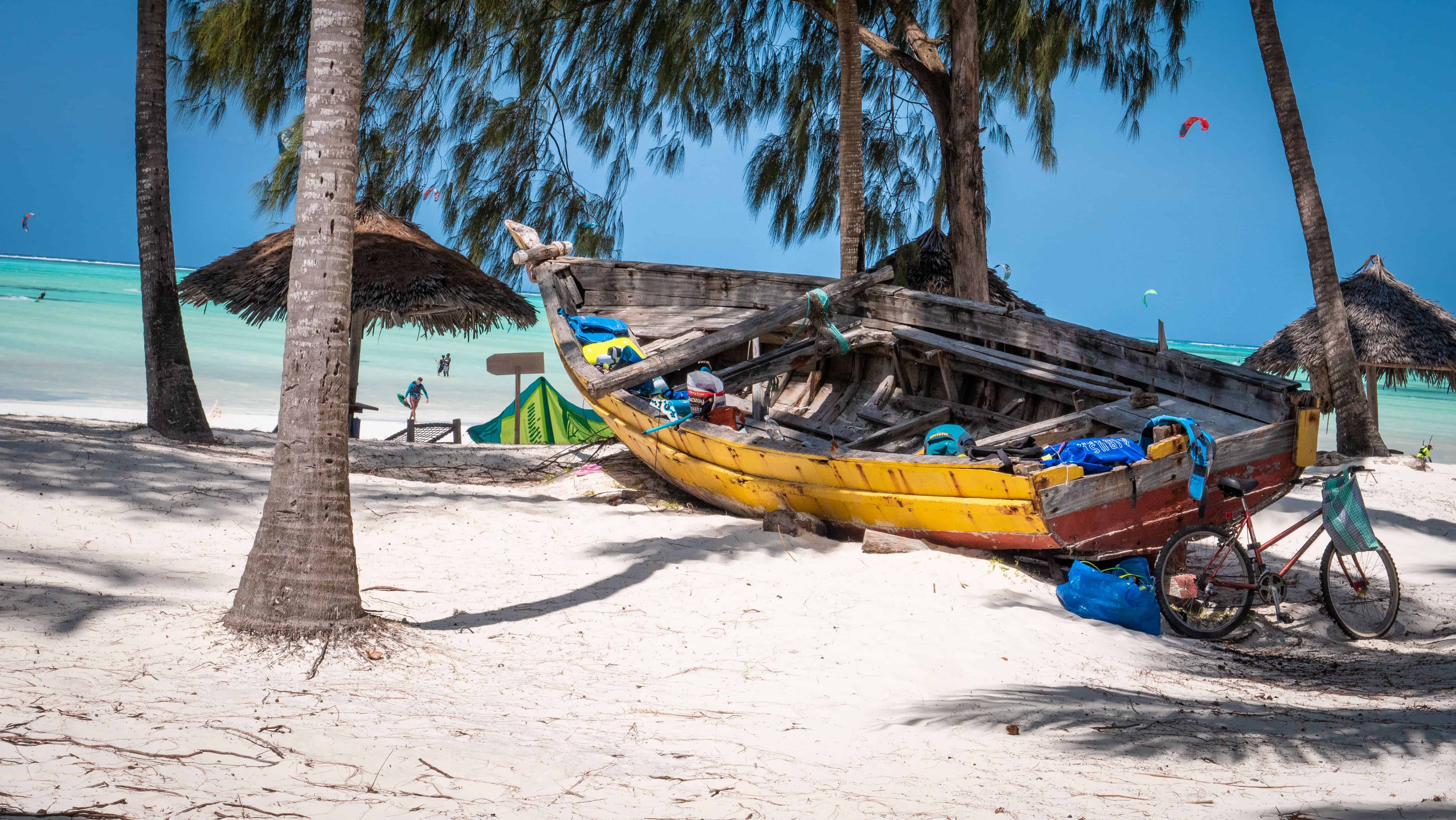
Dongwe and Bwejuu Beaches
These neighboring beaches share similar characteristics with long stretches of pristine sand and excellent swimming during high tide. The area remains relatively undeveloped compared to northern beaches, offering peaceful seclusion.
Luxury boutique resorts dot this coastline, providing upscale accommodations while maintaining environmental consciousness. The beaches attract honeymooners and couples seeking romantic getaways.
Southern Beach Escapes
Southern Zanzibar beaches remain the archipelago’s best-kept secrets, offering untouched beauty and minimal tourist development.
Kizimkazi Beach
Famous for dolphin watching tours, Kizimkazi serves as a gateway to marine wildlife encounters. Bottlenose and humpback dolphins frequent these waters year-round, with morning excursions offering the best sighting opportunities.
The historic Kizimkazi Mosque, dating to 1107 AD, represents one of East Africa’s oldest Islamic structures. Combining beach relaxation with cultural exploration makes this destination unique.
Western Shore Beaches
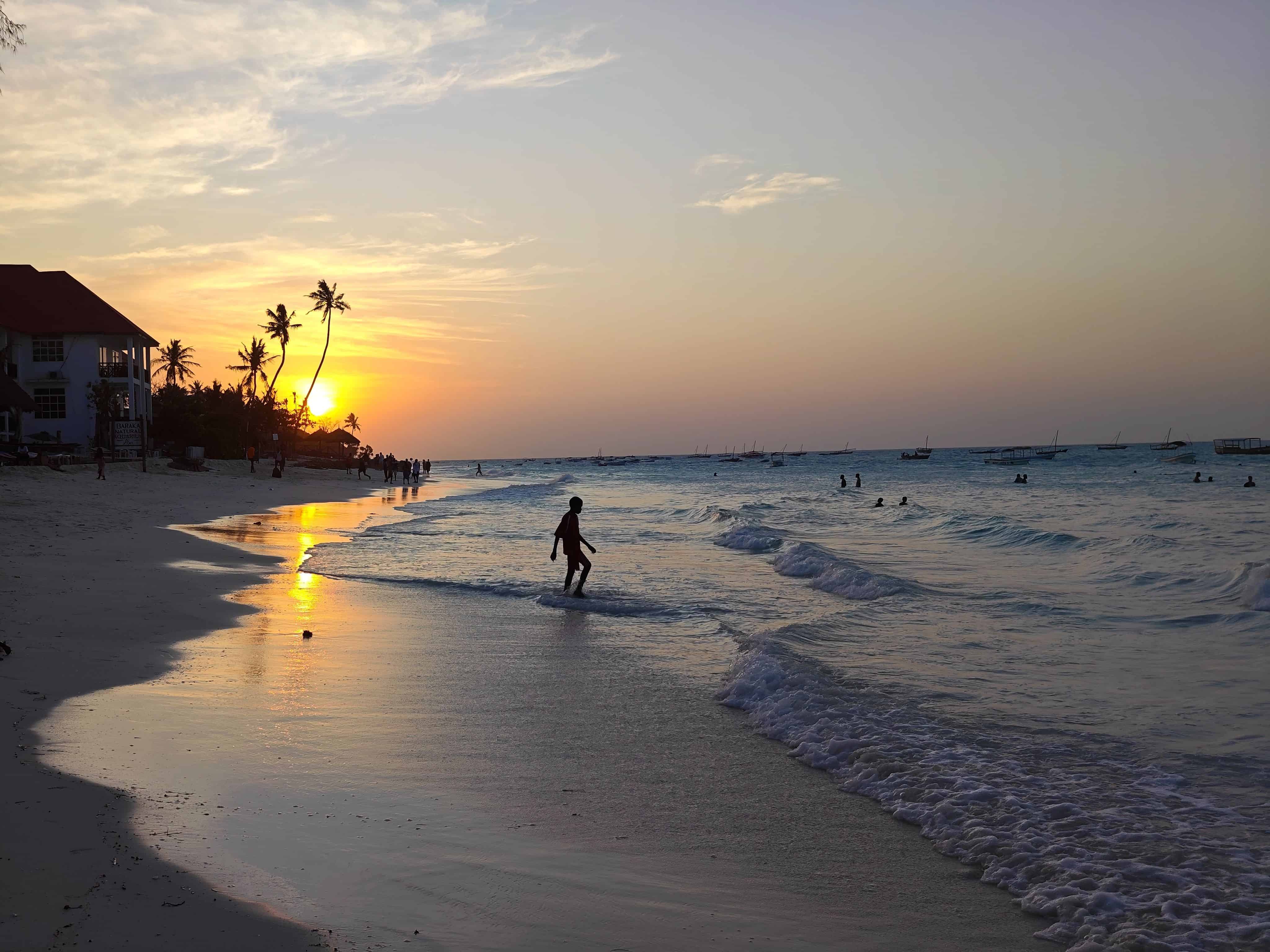
Zanzibar’s western coastline faces the mainland Tanzania, offering stunning sunset views and proximity to Stone Town’s cultural attractions.
Stone Town Beaches
While not pristine swimming destinations, beaches near Stone Town provide historical context and easy access to the UNESCO World Heritage Site. Forodhani Gardens waterfront becomes a vibrant food market each evening.
Day trips to nearby prison island (Changuu) offer better swimming and opportunities to meet giant tortoises. The western shore excels as a cultural beach experience rather than tropical paradise.
Beach Activities and Water Sports
This zanzibar beaches guide wouldn’t be complete without highlighting the incredible activities available across the archipelago’s coastline.
Popular beach activities include:
- Snorkeling and Diving: Mnemba Atoll offers world-class diving with visibility exceeding 30 meters and abundant marine life including sea turtles, dolphins, and reef sharks
- Kitesurfing and Windsurfing: Paje and Jambiani provide ideal conditions from June through March with consistent trade winds
- Dhow Sailing: Traditional wooden boat cruises at sunset or full-day sailing excursions to sandbanks and neighboring islands
- Deep-Sea Fishing: Charter boats depart from Nungwi targeting marlin, sailfish, and tuna in the Pemba Channel
- Kayaking and Paddleboarding: Calm lagoons on the eastern coast perfect for exploring during high tide
Best Time to Visit Zanzibar Beaches
Zanzibar enjoys tropical weather year-round, but seasonal variations significantly impact beach experiences. Understanding these patterns helps optimize your visit, similar to planning trips covered in our best time to visit guides for other African destinations.
The dry seasons (June-October and December-February) offer the most reliable beach weather with minimal rainfall and comfortable temperatures averaging 25-28°C. These periods see peak tourist numbers and higher accommodation rates.
Many travelers mistakenly avoid the short rains in November, but this month often provides excellent beach conditions with occasional brief showers and significantly lower prices. The long rains from March through May bring heavy precipitation, though beach resorts offer substantial discounts.
Practical Travel Tips
Successfully navigating Zanzibar’s beaches requires understanding local customs and practical considerations that enhance your tropical experience.
Beach Etiquette and Safety
Zanzibar maintains conservative Islamic traditions despite tourism development. Beachwear is acceptable on hotel beaches and tourist areas, but modest clothing is essential when visiting villages or Stone Town. Always ask permission before photographing local residents.
Strong currents affect some beaches, particularly during certain tidal phases. Swimming during high tide generally provides safer conditions, and following local advice prevents dangerous situations.
Transportation Between Beaches
Renting a car or scooter provides flexibility for beach hopping, though hiring a driver eliminates navigation stress on unfamiliar roads. Dalla-dalla (local minibuses) offer budget transportation but require patience and flexibility.
Most beach resorts arrange airport transfers, and private taxis connect major beach areas. The journey from Zanzibar Airport to northern beaches takes approximately 90 minutes.
Accommodation Options
Beach accommodations range from backpacker hostels to ultra-luxury resorts. Booking directly with smaller properties often yields better rates than international platforms. All-inclusive packages suit travelers preferring predictable budgets, while self-catering options allow culinary exploration.
For additional African travel planning resources, visit our start here page or explore our comprehensive destinations guide.
Quick Beach Selection Guide
Best for Swimming Year-Round: Nungwi, Kendwa
Best for Kitesurfing: Paje, Jambiani
Best for Seclusion: Dongwe, Southern beaches
Best for Nightlife: Nungwi, Kendwa
Best for Families: Kendwa, Bwejuu
Best for Budget Travelers: Paje, Jambiani
Frequently Asked Questions
What is the best beach in Zanzibar?
Nungwi Beach consistently ranks as the most popular due to minimal tidal variation, excellent infrastructure, and year-round swimming conditions. However, the “best” beach depends on your preferences—Paje suits kitesurfers, Kendwa offers tranquility, and Jambiani provides authentic local culture. Each beach on this zanzibar beaches guide offers unique advantages for different traveler types.
Are Zanzibar beaches safe for swimming?
Yes, Zanzibar beaches are generally safe for swimming, though conditions vary by location and tide. Northern beaches (Nungwi and Kendwa) offer safer swimming regardless of tides, while eastern beaches require high tide for comfortable swimming. Always follow local advice, avoid swimming alone in isolated areas, and watch for sea urchins during low tide walks. Jellyfish occasionally appear but rarely pose serious threats.
Do I need to worry about tides when visiting Zanzibar beaches?
Tidal variations significantly impact eastern coast beaches (Paje, Jambiani, Bwejuu, Dongwe), where low tide can expose hundreds of meters of seabed. Northern beaches experience minimal tidal effects. Check tide schedules when planning activities—low tide is perfect for beach walks and discovering marine life, while high tide is ideal for swimming and water sports. Most hotels provide tide tables.
What should I wear at Zanzibar beaches?
Standard swimwear is acceptable at resort beaches and tourist areas, but Zanzibar is a predominantly Muslim island requiring cultural sensitivity. Cover up when leaving beach areas, especially when walking through villages or visiting Stone Town. Many travelers wear sarongs or cover-ups over swimsuits when not actively swimming. Topless sunbathing is illegal and culturally offensive.
How much does it cost to visit Zanzibar beaches?
Beach access is free throughout Zanzibar, though you’ll spend on accommodation, food, and activities. Budget travelers can manage on $30-50 daily staying in hostels and eating locally. Mid-range visitors typically spend $100-200 daily for comfortable hotels and varied dining. Luxury resorts start at $300+ per night. Water sports and excursions range from $30 for snorkeling trips to $200+ for diving courses.
Can I visit multiple beaches during one trip to Zanzibar?
Absolutely! Zanzibar’s compact size makes beach hopping feasible. Most visitors base themselves at one beach for 3-5 days, then relocate or take day trips. Popular combinations include northern beaches (Nungwi/Kendwa) paired with eastern coast (Paje/Jambiani), or spending time in Stone Town before heading to beach resorts. Renting a car or hiring a driver facilitates exploring multiple beaches comfortably.
Conclusion
This zanzibar beaches guide showcases why the archipelago remains one of Africa’s premier beach destinations. From the vibrant shores of Nungwi to the kitesurfing paradise of Paje and the secluded southern beaches, Zanzibar offers diverse coastal experiences for every type of traveler.
The island’s combination of pristine natural beauty, rich Swahili culture, and improving tourism infrastructure creates unforgettable tropical escapes. Whether you’re planning adventure-filled days of water sports, romantic sunset strolls, or peaceful relaxation under palm trees, Zanzibar’s beaches deliver experiences that rival any global destination.
Start planning your Zanzibar beach adventure today by exploring more African travel resources at Africaning, or contact us for personalized travel advice and itinerary planning.