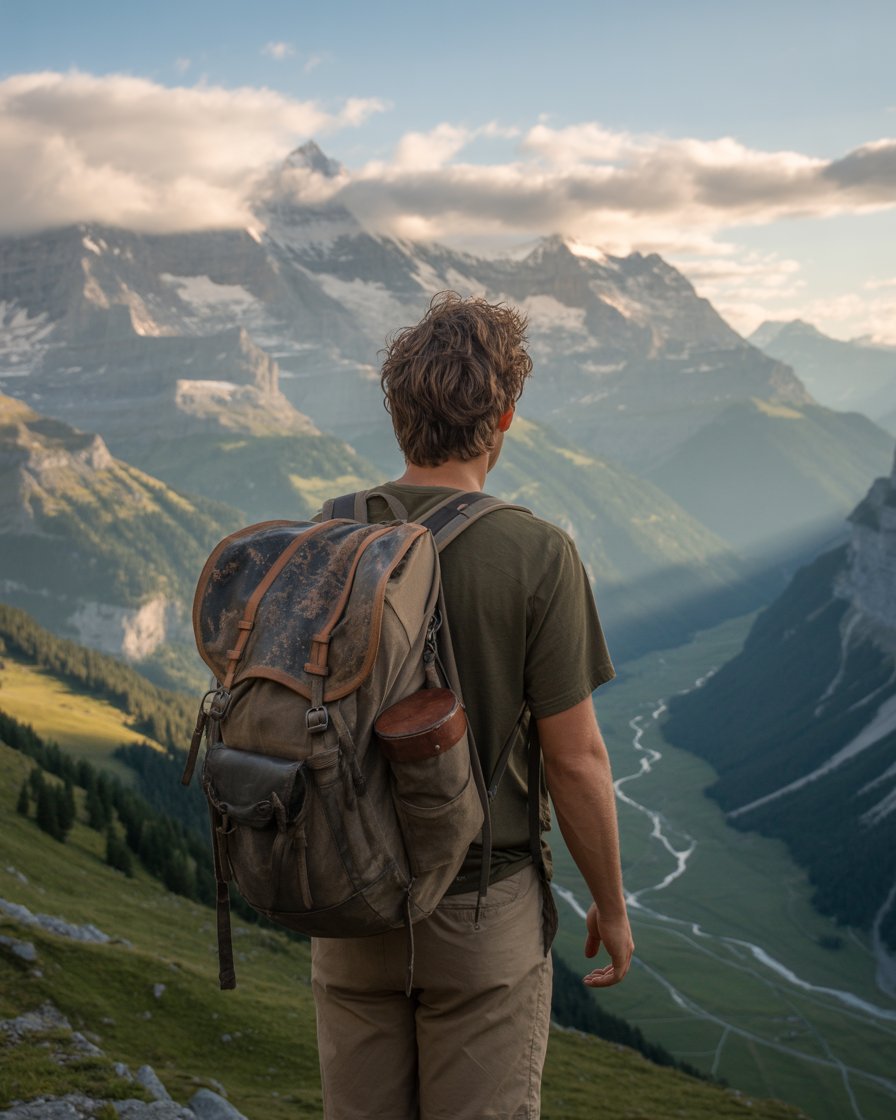
Rwanda gorilla trekking offers one of the most extraordinary wildlife experiences on Earth. Nestled in the mist-covered mountains of Volcanoes National Park, this Central African nation provides intimate encounters with endangered mountain gorillas in their natural habitat. As of 2026, Rwanda remains the premier destination for travelers seeking this life-changing adventure.
This comprehensive guide covers everything you need to know about planning your gorilla trekking expedition, from securing permits to understanding costs, preparation, and what to expect during your encounter with these magnificent primates.
Understanding Rwanda Gorilla Trekking
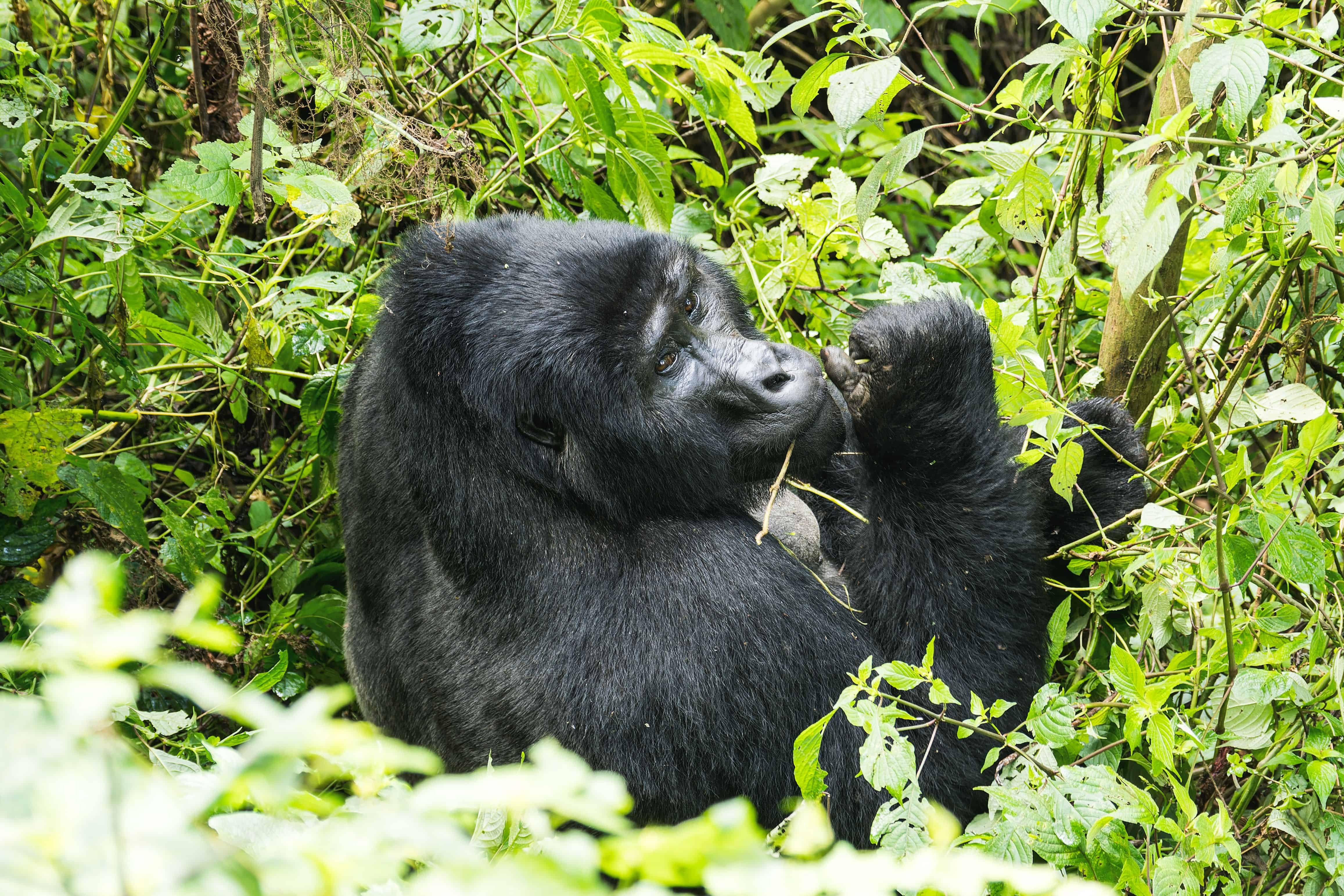
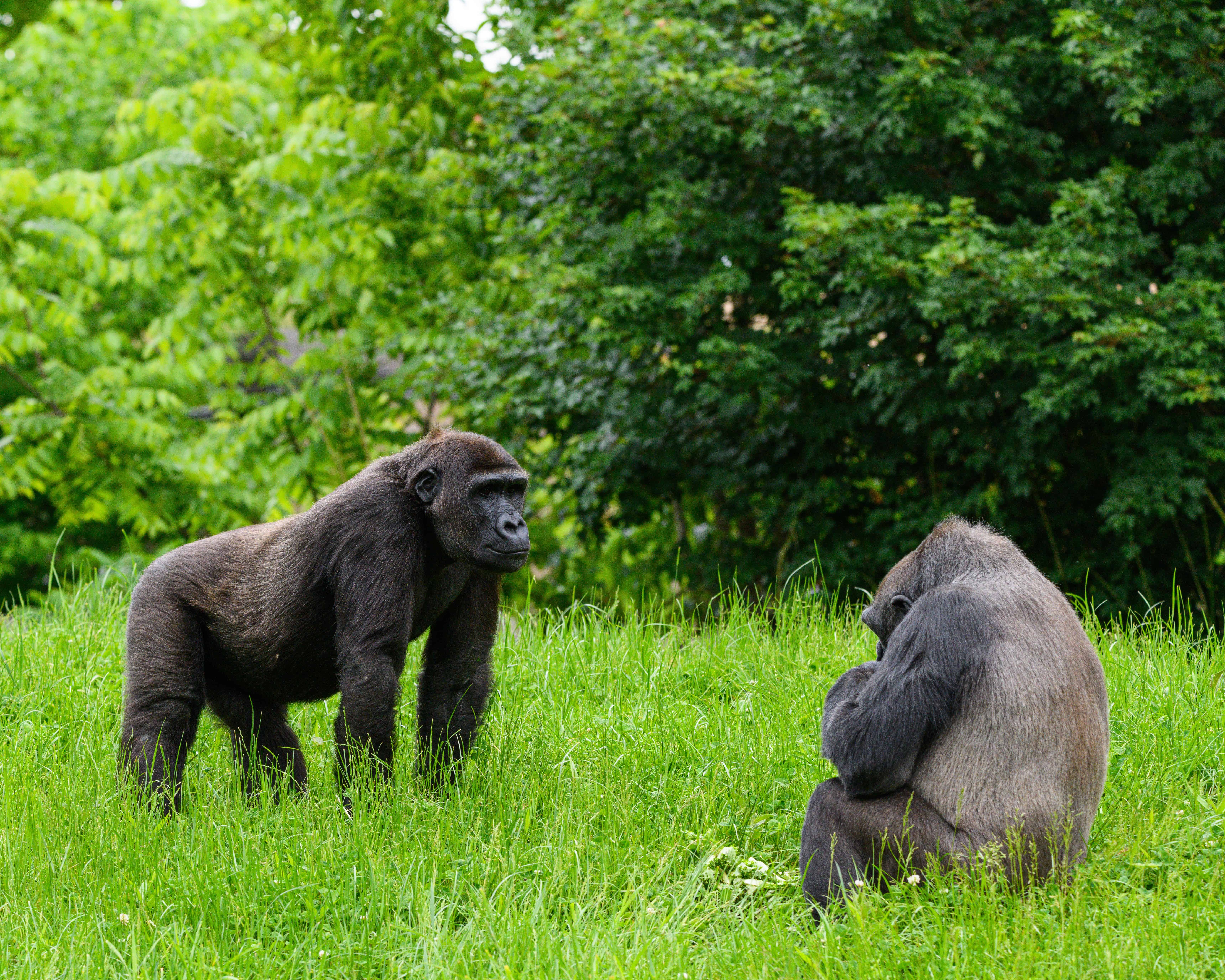
Rwanda gorilla trekking takes place exclusively in Volcanoes National Park, located in the northwest corner of the country. This protected area forms part of the Virunga Mountains ecosystem, home to approximately half of the world’s remaining mountain gorillas.
Rwanda Gorilla Trekking
The park contains 12 habituated gorilla families available for tourism, with each group limited to eight visitors per day. This strict regulation ensures minimal stress on the gorillas while generating crucial revenue for conservation efforts.
Treks typically last between 2 to 6 hours depending on gorilla location, though some can extend longer. Once you locate your assigned family, you’ll spend a magical 60 minutes observing their behavior, social interactions, and daily routines from a respectful distance.
Permit Costs and Booking
The Rwanda Development Board sets gorilla trekking permit prices, which as of 2026 stand at $1,500 USD per person. This represents a significant investment, but the fees directly support conservation programs and local communities.
What Your Permit Includes
- One hour with a habituated gorilla family
- Experienced park ranger guide services
- Park entrance fees and conservation contributions
- Armed security escort for your protection
Booking timeline matters: Permits should be reserved 6-12 months in advance, especially for peak season travel. The Rwanda Development Board releases permits through authorized tour operators, and last-minute availability is extremely rare.
Many travelers combine their gorilla trekking experience with other African destinations to maximize their journey. Planning through specialized operators ensures seamless logistics and expert guidance throughout your adventure.
Best Time for Gorilla Trekking in Rwanda
Rwanda’s equatorial climate means gorilla trekking is possible year-round, though certain periods offer distinct advantages. Understanding seasonal patterns helps optimize your experience.
Dry Seasons (June-September & December-February)
These months provide easier hiking conditions with less mud and clearer trails. However, dry seasons coincide with peak tourism, meaning higher accommodation costs and more visitors at park headquarters.
Vegetation is denser during dry periods, sometimes making gorilla photography more challenging despite better weather conditions.
Wet Seasons (March-May & October-November)
The wet seasons offer fewer crowds and often lower lodge rates. Trails become muddier and more slippery, requiring good physical fitness and proper hiking boots.
Interestingly, gorillas often stay at lower elevations during rainy periods, potentially shortening trek duration. The lush greenery creates stunning photographic backdrops once you locate your gorilla family.
What to Expect During Your Rwanda Gorilla Trekking Experience
Your day begins early, typically with a 7:00 AM briefing at park headquarters in Kinigi. Rangers assign groups based on fitness levels and gorilla family locations, ensuring appropriate matching.
Common misconception corrected: Many believe all treks are extremely strenuous. While some involve steep climbs at high altitude, several habituated families live closer to park boundaries, offering moderate hiking options suitable for reasonably fit individuals.
The Trekking Process
After the briefing, you’ll drive to your assigned trailhead and begin hiking through bamboo forests, agricultural lands, and eventually into dense montane forest. Trackers who locate gorillas at dawn communicate positions via radio to your guide.
When within 300 meters of the gorillas, rangers instruct you to leave backpacks and prepare cameras. The final approach involves careful navigation through thick vegetation until suddenly, you’re face-to-face with these gentle giants.
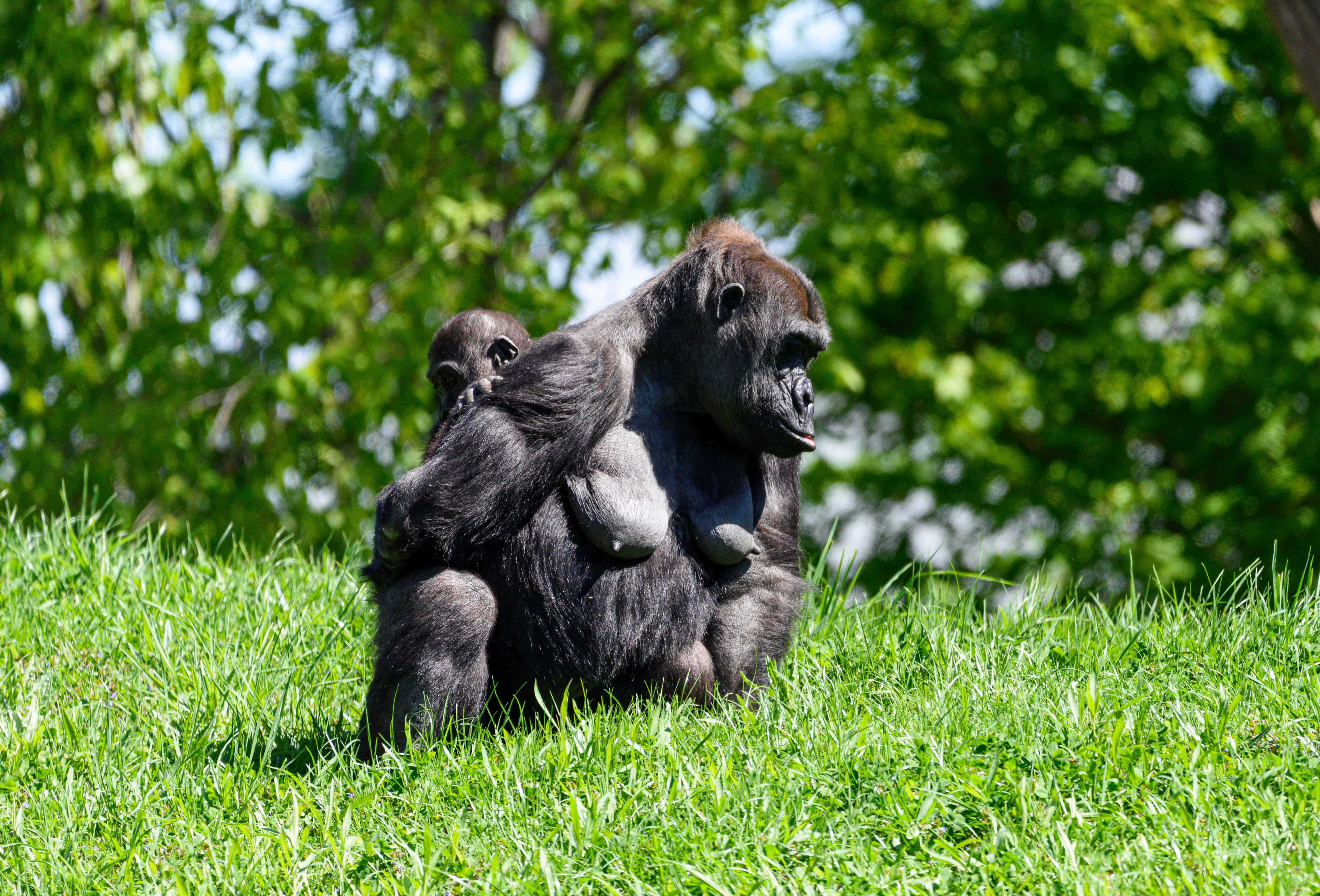
During your hour, you’ll observe feeding, grooming, playing, and resting behaviors. Dominant silverbacks weighing up to 200 kg often display remarkable gentleness, while juveniles provide endless entertainment with their playful antics.
Essential Packing List for Rwanda Gorilla Trekking
Proper preparation significantly enhances your trekking experience. Here’s what you absolutely need:
- Waterproof hiking boots: Essential for muddy, steep terrain
- Long-sleeved shirts and trousers: Protection from nettles and insects
- Rain jacket: Weather changes rapidly in the mountains
- Gardening gloves: Helpful for gripping vegetation on steep sections
- Daypack: For water, snacks, and camera equipment
- Insect repellent: DEET-based formulas work best
- Camera with no flash: Flash photography is strictly prohibited
- Portable porter: Available for hire ($10-15) to carry your gear
Layers are crucial as temperatures range from cool mornings to warmer midday conditions. The altitude (2,500-4,000 meters) also affects temperature regulation.
Health and Safety Requirements
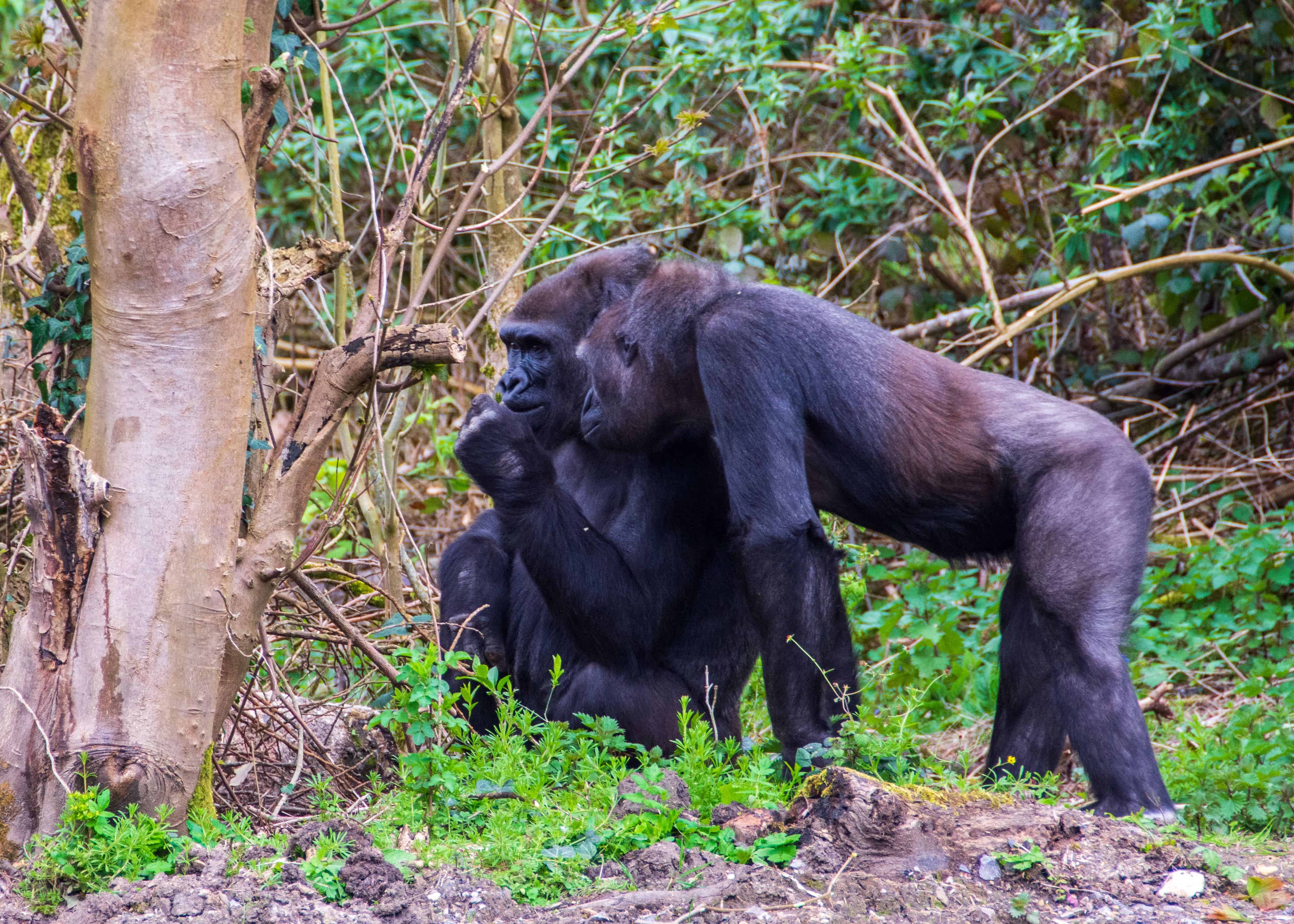
Mountain gorillas share 98% of human DNA, making them susceptible to human diseases. Strict health protocols protect both visitors and gorillas.
Medical Requirements
Anyone displaying cold, flu, or other contagious illness symptoms will be denied trekking privileges without refund. This policy, enforced by park veterinarians, protects gorilla populations from potentially fatal diseases.
Yellow fever vaccination is mandatory for entry into Rwanda. Malaria prophylaxis is recommended, though Volcanoes National Park’s high altitude means lower malaria risk compared to other regions.
According to the World Health Organization, travelers should consult healthcare providers 4-6 weeks before departure for appropriate vaccinations and health advice.
Safety Guidelines
Rangers enforce a 7-meter (23-foot) minimum distance from gorillas. However, gorillas often approach closer out of curiosity—remain calm and follow your guide’s instructions.
Eating, drinking, and smoking near gorillas is prohibited. If you need to sneeze or cough, turn away and cover your face completely.
Conservation Impact of Rwanda Gorilla Trekking
Your trekking permit directly funds conservation initiatives that have reversed mountain gorilla population decline. Rwanda allocates 10% of tourism revenue to local communities, creating economic incentives for gorilla protection.
The success of Rwanda’s gorilla trekking program demonstrates how sustainable tourism can drive conservation. Former poachers now work as trackers and guides, earning steady income while protecting the species they once hunted.
Community projects funded by tourism include schools, healthcare facilities, and infrastructure development. This approach addresses the root causes of wildlife conflict by improving living standards for park-adjacent populations.
Planning Your Rwanda Gorilla Trekking Adventure
Most international visitors fly into Kigali International Airport, located approximately 2.5 hours by road from Volcanoes National Park. The drive showcases Rwanda’s stunning “Land of a Thousand Hills” landscape.
Accommodation options range from luxury lodges to mid-range hotels in nearby Musanze (formerly Ruhengeri). Booking accommodations simultaneously with permits ensures availability, particularly during peak seasons.
Many travelers extend their visit to explore additional attractions including golden monkey trekking, Dian Fossey’s grave site, and cultural experiences with local communities. If you’re interested in other African adventures, consider exploring Africaning’s comprehensive destination guides.
Working with experienced operators streamlines logistics, transfers, and permit acquisition. For personalized assistance planning your African journey, the team at Africaning provides expert guidance based on extensive regional knowledge.
Rwanda gorilla trekking represents more than a wildlife encounter—it’s a transformative experience that connects you with our closest living relatives while supporting critical conservation efforts. The memories of locking eyes with a silverback or watching infant gorillas play will stay with you forever, making this one of the world’s most meaningful travel experiences.
Frequently Asked Questions
How fit do I need to be for Rwanda gorilla trekking?
Moderate fitness is generally sufficient, though treks vary in difficulty. You should be comfortable hiking 2-6 hours over uneven, sometimes steep terrain at altitude. Rangers assign groups based on fitness levels during the morning briefing, and porters are available to assist with gear and provide physical support if needed.
Can children participate in gorilla trekking in Rwanda?
The minimum age for gorilla trekking is 15 years old. This restriction protects both children and gorillas, as younger visitors may struggle with the physical demands and behavioral requirements. Valid identification proving age is required at park headquarters.
What happens if we don’t find the gorillas?
This is extremely rare as trackers locate gorilla families each morning before tourist groups depart. If gorillas cannot be found (less than 1% of treks), you’ll receive a refund or the opportunity to trek another day, depending on availability and circumstances.
How close can I get to the gorillas during trekking?
The official minimum distance is 7 meters (23 feet), though gorillas often approach closer on their own terms. If a gorilla moves toward you, remain calm, avoid eye contact, and slowly back away while following your guide’s instructions. Never reach out to touch them, even if they come very close.
Is Rwanda gorilla trekking worth the cost?
For most visitors, the $1,500 permit represents exceptional value considering the once-in-a-lifetime experience, conservation impact, and community benefits. The encounter typically ranks among travelers’ most memorable experiences, and the high permit cost ensures sustainable tourism that protects gorilla populations for future generations.
Can I trek gorillas if I have a fear of insects or snakes?
While the forest habitat contains insects and occasionally snakes, encounters are infrequent and rangers are experienced in managing any wildlife situations. Wearing long sleeves, trousers, and using insect repellent minimizes bug exposure. The overwhelming focus on gorillas typically overshadows minor discomforts for most trekkers.