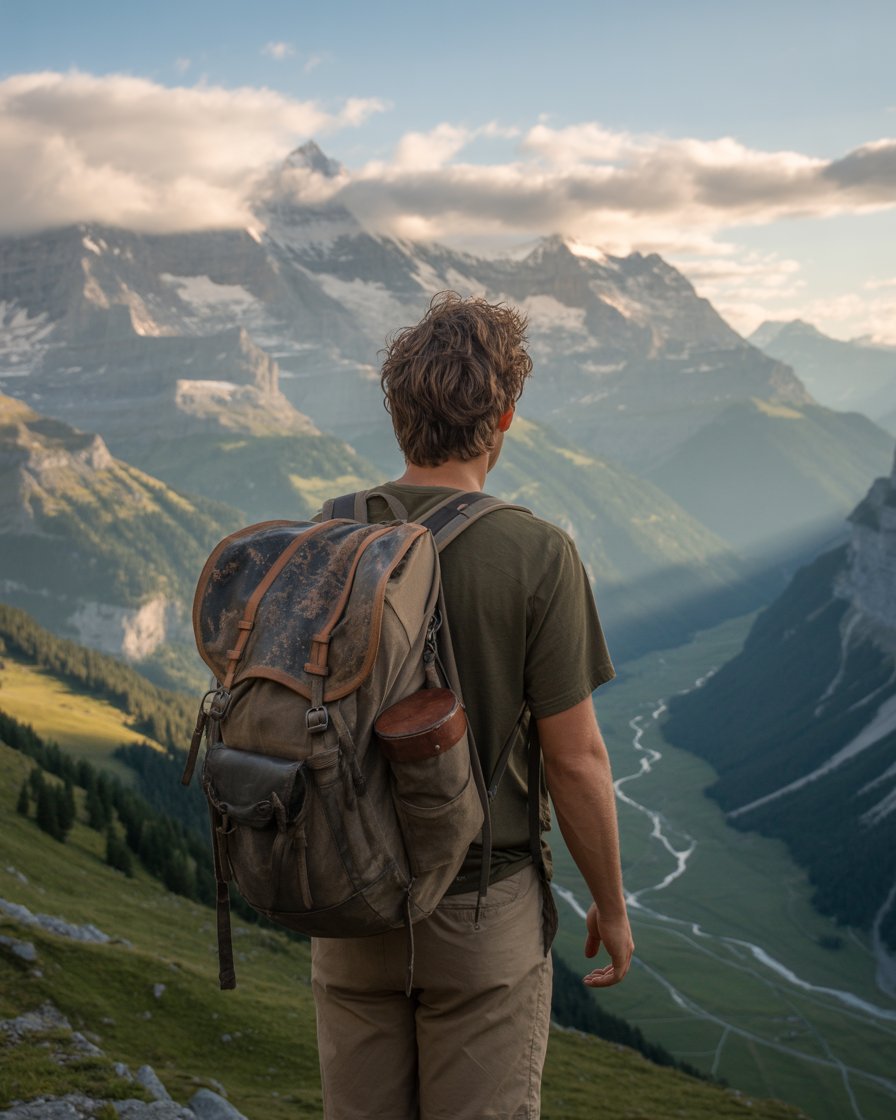
Planning an unforgettable wildlife adventure? This Uganda gorilla trekking guide provides everything you need to know about experiencing one of Africa’s most extraordinary wildlife encounters. Uganda is home to more than half of the world’s remaining mountain gorillas, making it the premier destination for this bucket-list experience.
Gorilla trekking in Uganda offers an intimate opportunity to observe these magnificent primates in their natural habitat. Whether you’re a first-time visitor or an experienced wildlife enthusiast, this comprehensive guide will help you plan the perfect gorilla trekking adventure.
Why Choose Uganda for Gorilla Trekking
Uganda hosts approximately 459 mountain gorillas according to the World Wildlife Fund, representing nearly half of the global population. This East African nation offers an exceptional combination of accessibility, biodiversity, and well-regulated tourism that makes it the top choice for gorilla encounters.
The country’s two main gorilla trekking destinations—Bwindi Impenetrable National Park and Mgahinga Gorilla National Park—provide diverse ecosystems and multiple habituated gorilla families. Unlike some neighboring countries, Uganda offers competitive pricing and a well-established tourism infrastructure.
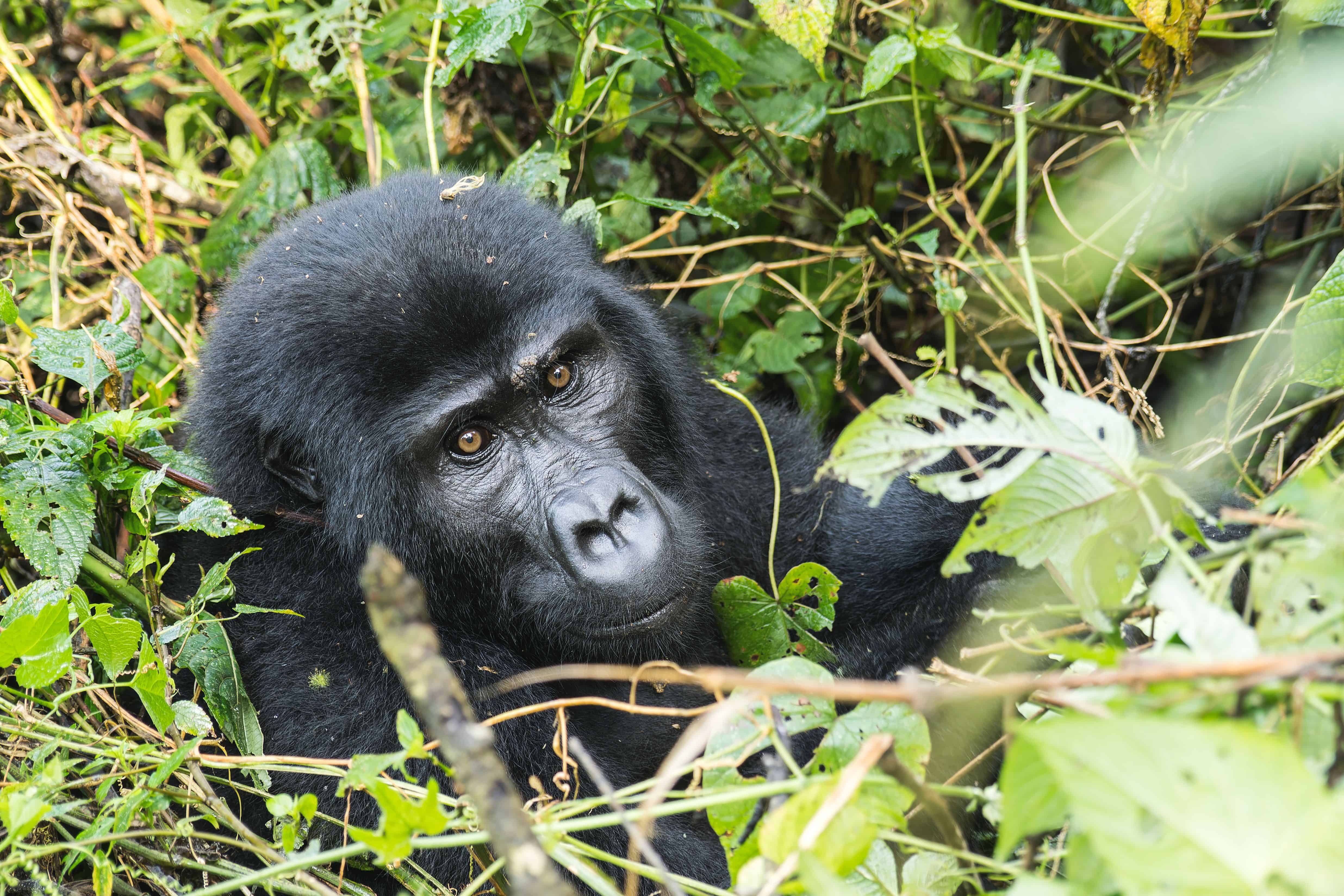
Uganda Gorilla Trekking Guide
Best Gorilla Trekking Locations in Uganda
Bwindi Impenetrable National Park
Bwindi Impenetrable National Park is Uganda’s premier gorilla trekking destination, home to over 20 habituated gorilla families spread across four sectors: Buhoma, Ruhija, Rushaga, and Nkuringo. This UNESCO World Heritage Site encompasses 331 square kilometers of ancient montane and lowland forest.
Each sector offers unique experiences and varying difficulty levels. Buhoma, the oldest sector, provides excellent infrastructure and easier trekking options, while Rushaga offers the highest number of habituated families, increasing your chances of securing a permit during peak season.
Mgahinga Gorilla National Park
Mgahinga Gorilla National Park, though smaller, offers an equally thrilling experience with its single habituated family, the Nyakagezi group. This park sits at the intersection of Uganda, Rwanda, and the Democratic Republic of Congo, part of the larger Virunga Conservation Area.
The park’s dramatic volcanic landscape provides stunning backdrops for your trek. Mgahinga also offers golden monkey tracking, making it an excellent choice for visitors seeking diverse primate encounters.
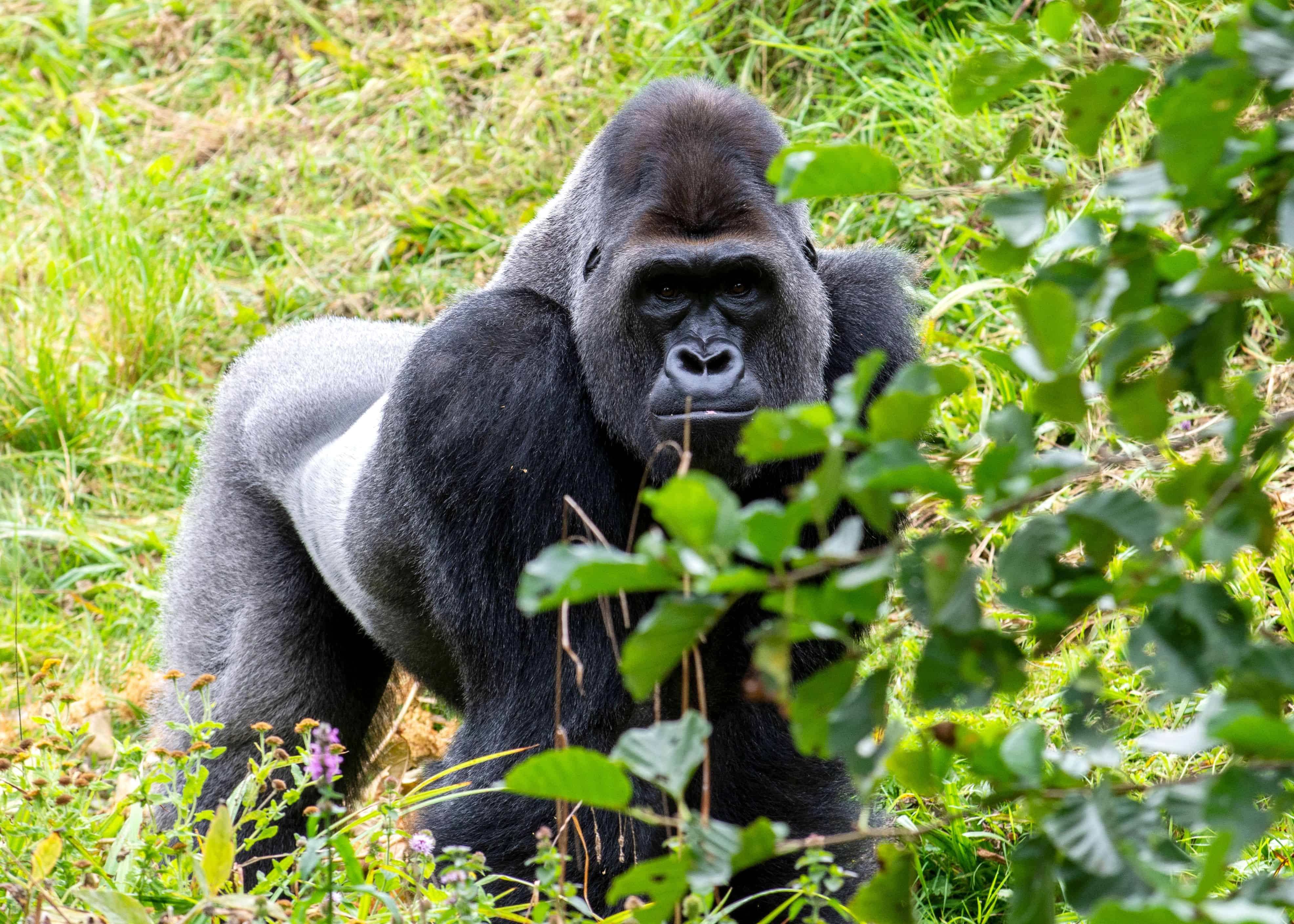
Mgahinga Gorilla National Park
Gorilla Permits and Costs
As of 2026, a gorilla trekking permit in Uganda costs $800 USD for foreign non-residents, $700 USD for foreign residents, and significantly less for East African citizens. This Uganda gorilla trekking guide strongly recommends booking permits 3-6 months in advance, especially for travel during peak seasons.
Permits are issued by the Uganda Wildlife Authority and grant you one hour with a gorilla family. The permit fee contributes directly to conservation efforts and community development programs surrounding the parks.
What Your Permit Includes
- Park entrance fees and ranger guides
- One hour of gorilla observation time
- Armed escort for security against other wildlife
- Contribution to local community development projects
- Support for ongoing gorilla conservation programs
Additional costs to budget include accommodation ($50-$500+ per night depending on luxury level), transportation, tips for guides and porters, and travel insurance. For help planning your complete itinerary, visit our planning resources.
Best Time for Gorilla Trekking
The optimal time for gorilla trekking in Uganda is during the dry seasons: June to September and December to February. During these months, trails are less muddy and more accessible, though gorillas can be tracked year-round.
Contrary to popular misconception, the wet season (March-May and October-November) shouldn’t be completely dismissed. While trails become more challenging, vegetation is lush, photography benefits from dramatic lighting, and permits are more readily available at this time.
Temperature in the gorilla trekking areas remains relatively constant throughout the year, ranging from 7°C to 20°C (45°F to 68°F) due to the high altitude. Rain can occur at any time, making waterproof gear essential regardless of season. For more information on planning your African adventure during optimal times, explore our destinations guide.
What to Expect on Your Trek
Your gorilla trekking experience begins with an early morning briefing at the park headquarters around 7:30-8:00 AM. Rangers assign groups of up to eight trekkers to specific gorilla families based on fitness levels and preferences.
Trek duration varies dramatically—anywhere from 30 minutes to 6+ hours depending on gorilla movements. The terrain can be steep and challenging, with altitudes reaching 2,607 meters. Porters are available for hire (approximately $15-20) and highly recommended, even for fit trekkers.
The Gorilla Encounter
Once you locate the gorilla family, you’ll spend exactly one hour observing their behavior. Maintain a 7-meter distance (though gorillas may approach closer), avoid direct eye contact, and follow your guide’s instructions carefully. Flash photography is strictly prohibited.
The experience is profoundly moving—watching gorillas groom each other, juveniles play, and silverbacks protect their families. Many visitors describe it as a life-changing encounter that deepens their commitment to wildlife conservation.
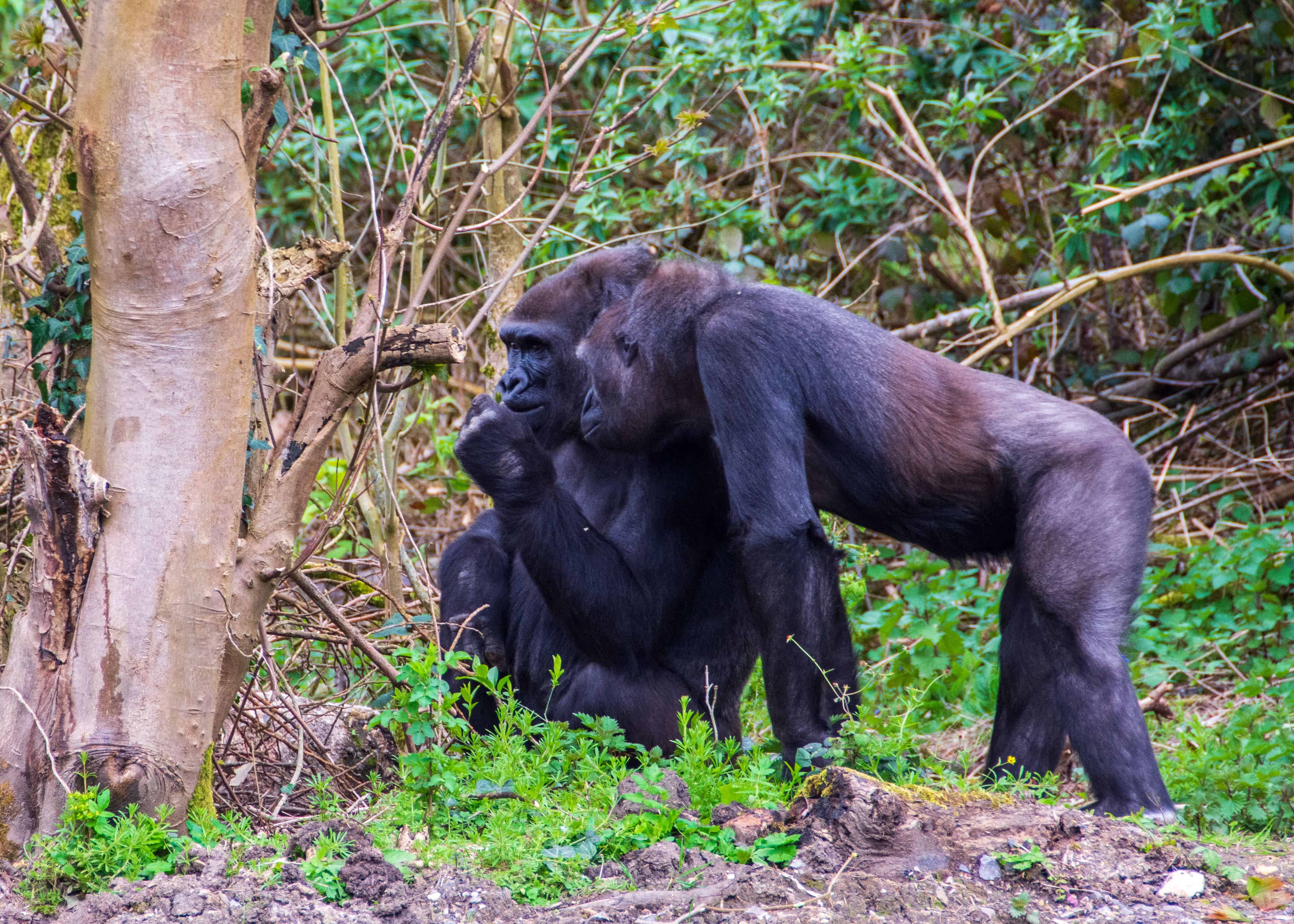
Uganda Gorilla Trekking Guide
Essential Preparation and Packing Tips
Physical preparation is crucial for enjoying your trek. This Uganda gorilla trekking guide recommends building cardiovascular endurance through hiking, stair climbing, or similar activities for at least 4-6 weeks before your trip.
Essential Packing List
- Waterproof hiking boots with good ankle support and grip
- Long-sleeved shirts and pants in neutral colors (avoid bright colors and camouflage)
- Rain jacket and waterproof backpack cover
- Gardening or heavy-duty gloves for grabbing vegetation while navigating
- Insect repellent and sunscreen
- Refillable water bottle (at least 2 liters capacity)
- Energy snacks for sustained energy during long treks
- Camera with appropriate settings (no flash) and extra batteries
Leave unnecessary items at your accommodation. A small daypack with essentials is ideal. Trekking poles are beneficial, especially during wet conditions.
Conservation and Responsible Tourism
Uganda’s gorilla conservation success story demonstrates the power of sustainable tourism. Revenue from permits funds anti-poaching patrols, veterinary care, and habitat protection. Twenty percent of permit fees goes directly to communities living near the parks, creating economic incentives for conservation.
The Bwindi Mgahinga Conservation Trust works alongside the Uganda Wildlife Authority to ensure long-term protection of these endangered primates. As of 2026, the mountain gorilla remains classified as endangered, though its status has improved from critically endangered thanks to these collaborative efforts.
Responsible trekking practices are essential. If you’re experiencing any illness, even a common cold, you must postpone your trek—gorillas share 98% of human DNA and are susceptible to human diseases. Maintain required distances, follow all guide instructions, and never eat or drink near the gorillas.
For those interested in exploring more African wildlife experiences, consider visiting our guide on African destinations and adventures.
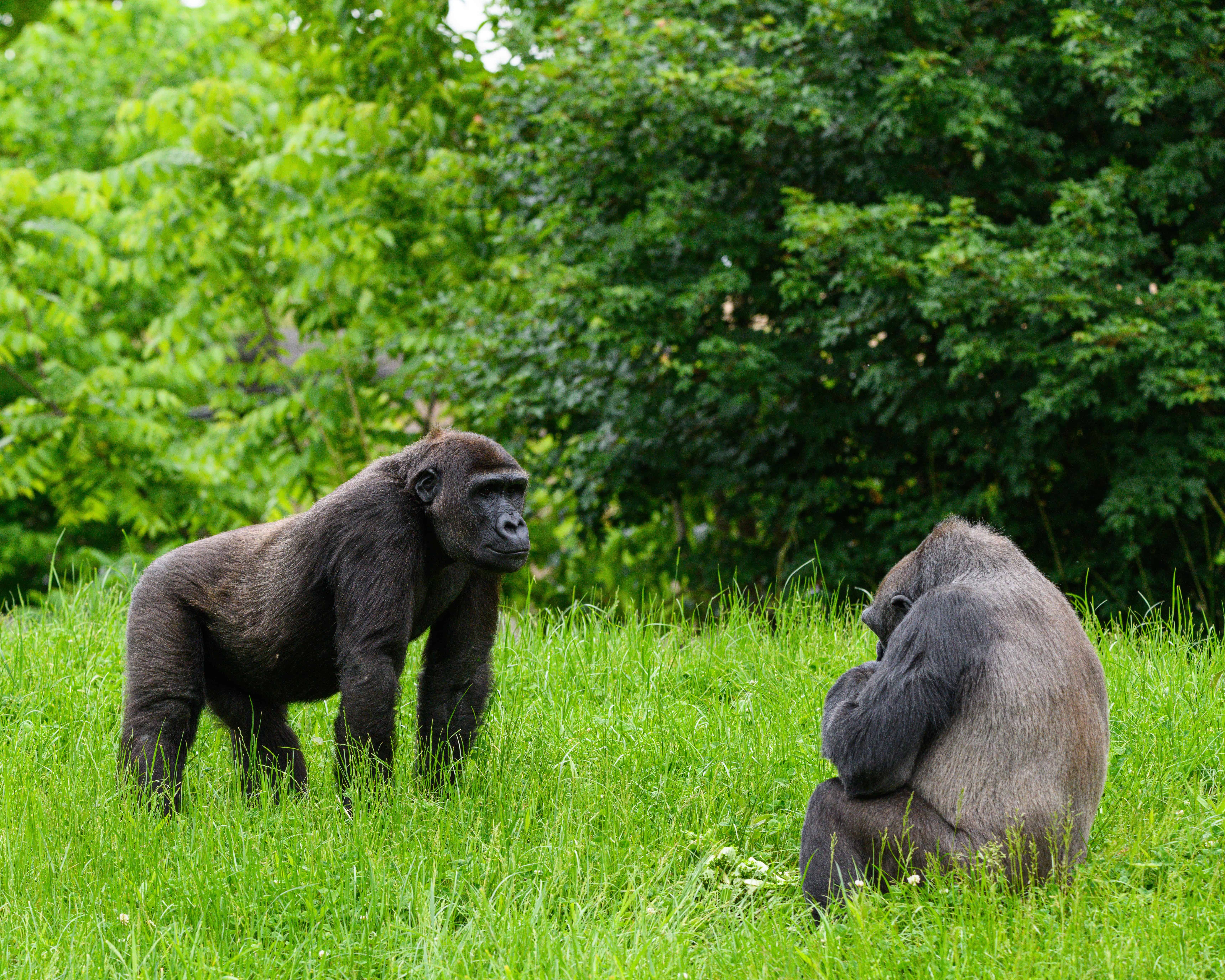
Uganda Gorilla Trekking Guide
Frequently Asked Questions
How fit do I need to be for gorilla trekking?
Moderate fitness is recommended, though trek difficulty varies. Some gorilla families are reached within an hour, while others require 6+ hours of hiking through challenging terrain. If you have concerns about fitness, inform your guide who can assign you to a closer gorilla family. Porters are available to carry your bag and provide physical assistance if needed.
What is the minimum age for gorilla trekking?
The minimum age is 15 years old, strictly enforced by the Uganda Wildlife Authority. This policy protects both young visitors (who might struggle with the physical demands) and gorillas (who are vulnerable to diseases children commonly carry). Age verification via passport is required when purchasing permits.
Can I trek gorillas if I have limited mobility?
Limited mobility doesn’t necessarily exclude you from gorilla trekking. Sedan chairs carried by porters are available for visitors who cannot walk the entire distance. This service must be arranged in advance and costs approximately $300-500 depending on trek length. Discuss your specific situation when booking to ensure appropriate arrangements.
What happens if we don’t find the gorillas?
Gorilla sightings have a near-100% success rate because trackers locate the families before your trek begins and maintain radio contact with guides. In the extremely rare event gorillas aren’t found, the Uganda Wildlife Authority typically offers a complimentary permit for another attempt, though this varies by specific circumstances.
Is gorilla trekking safe?
Yes, gorilla trekking is very safe when following guide instructions. Armed rangers accompany every group to protect against potentially dangerous wildlife like forest elephants or buffalo. The habituated gorilla families are accustomed to human presence and rarely show aggression. Incidents are extremely rare and typically involve visitors who fail to follow safety protocols.
How far in advance should I book my gorilla trek?
Book 3-6 months in advance, especially for June-September and December-February when demand is highest. Only 8 permits are available per gorilla family per day, creating limited availability. Last-minute bookings are occasionally possible during the wet season or in less popular sectors, but advance planning is strongly recommended.
This comprehensive Uganda gorilla trekking guide equips you with the essential information to plan an extraordinary wildlife adventure. From understanding permit requirements to preparing physically and mentally for the trek, you now have the knowledge to make your gorilla encounter both memorable and responsible.
Mountain gorilla conservation represents one of wildlife protection’s greatest success stories, and your visit directly contributes to ensuring these magnificent creatures thrive for future generations. The combination of Uganda’s biodiversity, expert guides, and well-managed tourism infrastructure creates an unparalleled experience that connects you intimately with one of our planet’s most endangered species.
Ready to start planning your African adventure? Contact our team for personalized assistance in creating your perfect Uganda gorilla trekking itinerary. Learn more about our mission to help travelers experience Africa’s most incredible destinations responsibly and sustainably.