The Serengeti National Park stands as one of Africa’s most spectacular wildlife destinations, drawing over 350,000 visitors annually according to Tanzania National Parks Authority. This Serengeti safari guide provides everything you need to plan an unforgettable journey through 14,750 square kilometers of pristine savannah, where the world’s greatest wildlife spectacle unfolds year-round.
Whether you’re witnessing the Great Migration, tracking the Big Five, or watching predators hunt across endless plains, the Serengeti delivers experiences that exceed every expectation. As of 2026, conservation efforts continue to protect this UNESCO World Heritage Site while offering increasingly sustainable safari options.
Understanding the Serengeti Ecosystem
The Serengeti ecosystem extends beyond the national park boundaries, encompassing the Ngorongoro Conservation Area and Kenya’s Maasai Mara. This comprehensive Serengeti safari guide focuses on Tanzania’s protected area, where diverse habitats support extraordinary biodiversity.
The park divides into distinct regions, each offering unique experiences. The southern plains feature short-grass areas perfect for calving season, while the western corridor follows the Grufumeti River. The central Seronera Valley provides year-round wildlife viewing, and the northern region hosts dramatic river crossings.
Geographic Diversity
Understanding the landscape helps maximize your safari experience. The Serengeti’s geography includes kopjes (rocky outcrops), riverine forests, open grasslands, and acacia woodlands. Each habitat supports different species and offers varied photographic opportunities.
The park’s elevation ranges from 920 to 1,850 meters, creating microclimates that influence wildlife distribution. This diversity makes the Serengeti productive year-round, unlike many seasonal African parks.
Best Time to Visit the Serengeti
Every season in the Serengeti offers distinct advantages, making this destination exceptional throughout the year. Your ideal timing depends on specific interests, whether witnessing calving, river crossings, or avoiding crowds.
The Great Migration follows a predictable pattern, though exact timing varies with rainfall. December through March brings over 500,000 wildebeest calves into the southern plains—a predator magnet offering incredible action.
Monthly Breakdown
- January-March: Calving season in southern Serengeti; exceptional predator activity
- April-May: Green season with fewer tourists; excellent birding (over 500 species)
- June-July: Migration moves north; river crossings begin
- August-October: Peak river crossing season; highest tourist numbers
- November-December: Short rains; migration returns south
Contrary to common misconception, the rainy season doesn’t ruin safaris. Roads remain passable, wildlife concentrates around water sources, and dramatic skies create stunning photographs. Plus, rates drop significantly during green season.
Wildlife Viewing: What to Expect
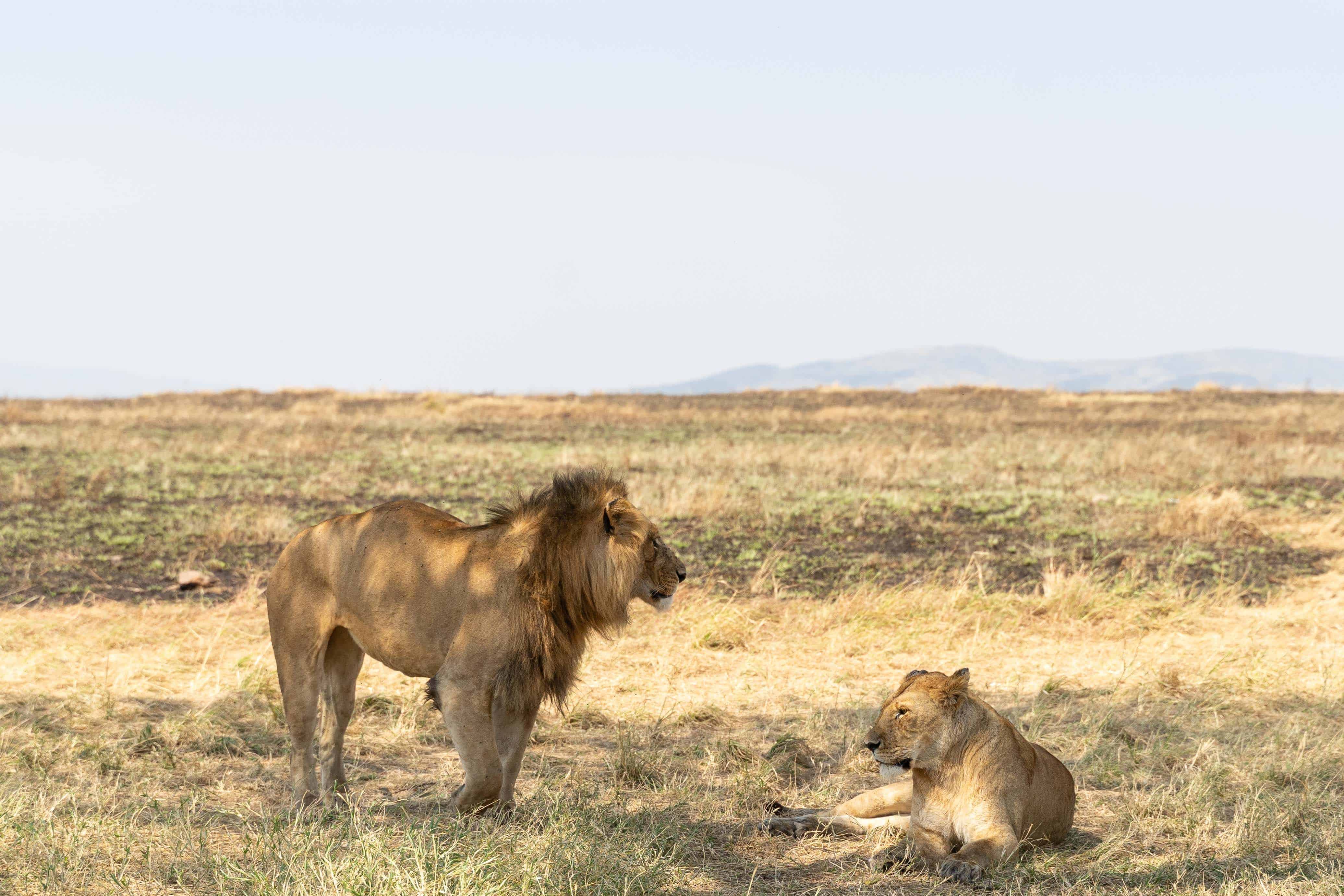
This Serengeti safari guide wouldn’t be complete without detailing the remarkable wildlife encounters awaiting you. The park supports the highest concentration of large mammals on Earth, including an estimated 3,000 lions according to the Tanzania National Parks Authority.
The Big Five—lion, leopard, elephant, buffalo, and rhinoceros—all inhabit the Serengeti, though black rhinos remain rare with fewer than 50 individuals. Cheetahs thrive here more than anywhere else in Africa, particularly in the southeastern plains where they hunt Thomson’s gazelles.
The Great Migration
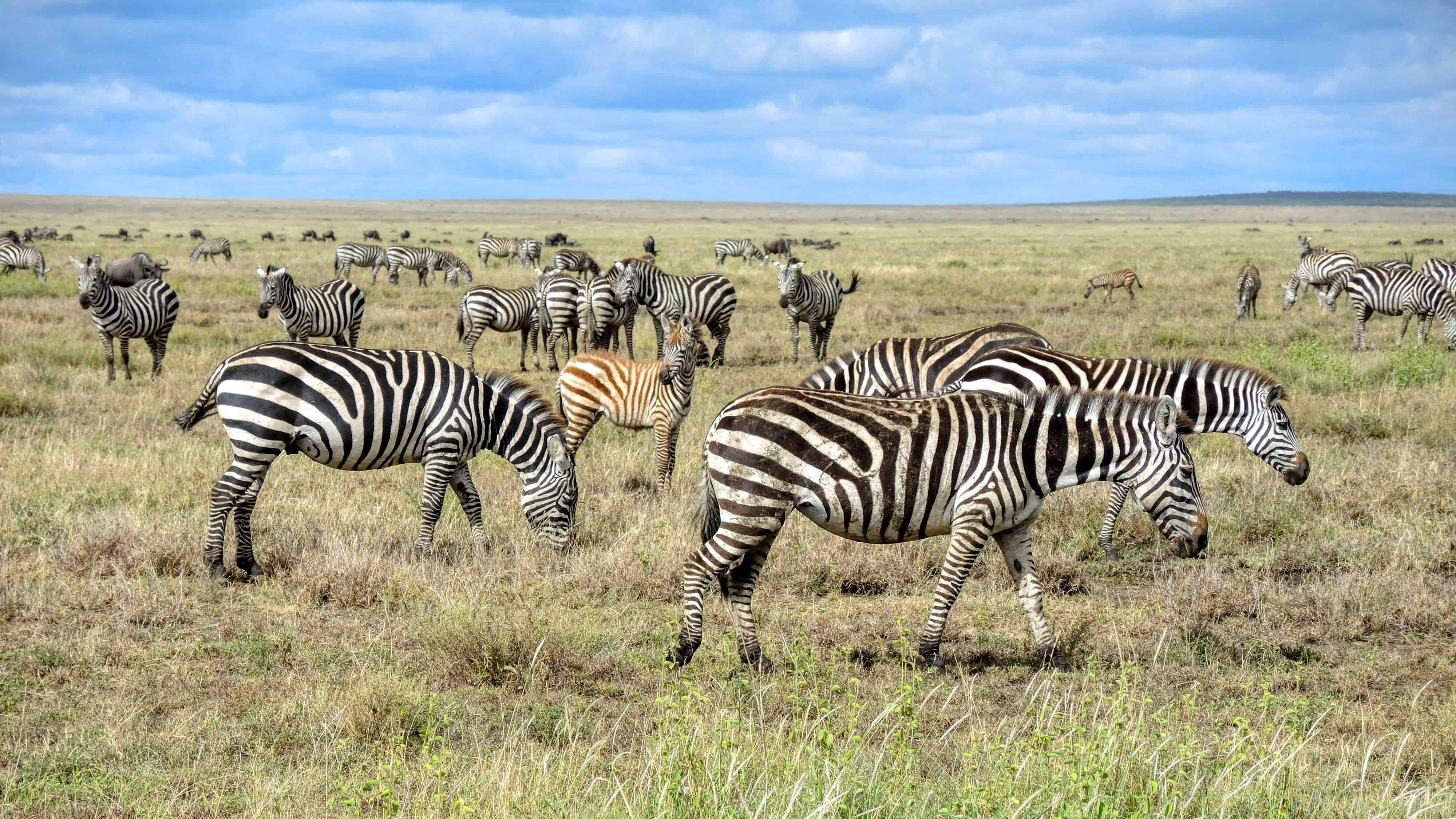
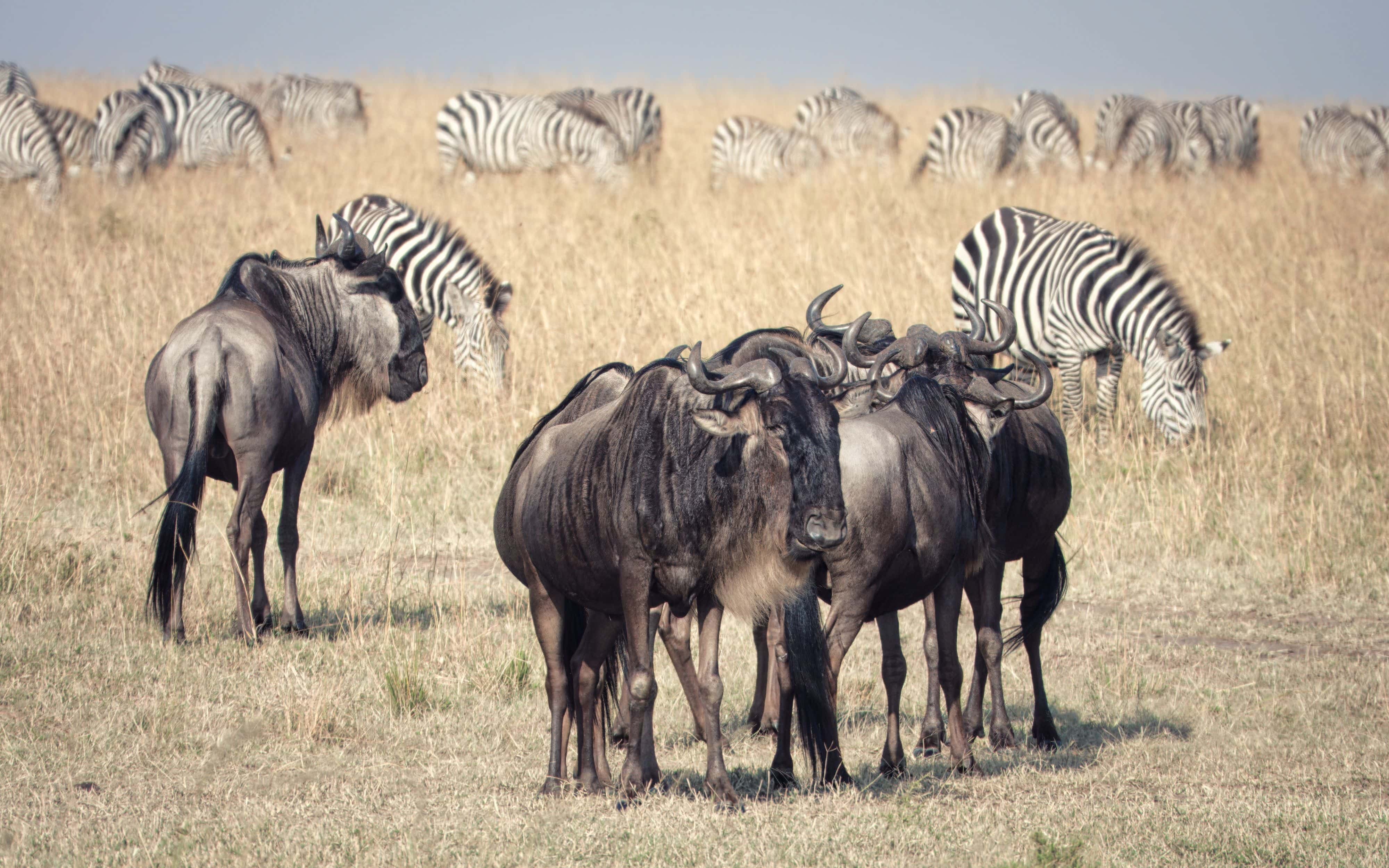
Over 1.5 million wildebeest, 200,000 zebras, and 350,000 gazelles participate in the annual migration cycle. This perpetual movement follows rainfall and fresh grass, creating the planet’s most impressive wildlife spectacle.
River crossings at the Mara and Grumeti rivers present nature’s most dramatic scenes. Thousands of wildebeest plunge into crocodile-infested waters, driven by instinct despite obvious danger. Timing these crossings requires flexibility, as animals may wait days before crossing.
Beyond the Migration
Resident wildlife ensures excellent game viewing regardless of migration timing. Elephants, giraffes, hippos, and numerous antelope species remain year-round. The Seronera Valley particularly offers consistent Big Five sightings.
Safari Options and Accommodation
Modern Serengeti safaris range from budget camping to ultra-luxury lodges, ensuring options for every traveler. This section of our Serengeti safari guide helps match accommodations to your preferences and budget.
Accommodation Types
Luxury Lodges: Permanent structures offering five-star amenities, gourmet dining, and premium locations. Properties like Four Seasons Safari Lodge provide swimming pools, spas, and exceptional service while maintaining minimal environmental impact.
Tented Camps: Canvas accommodations ranging from basic to ultra-luxurious. Mobile camps follow the migration, placing you in optimal viewing areas. Many feature proper beds, en-suite bathrooms, and excellent cuisine despite their temporary nature.
Budget Camping: Public campsites offer basic facilities for budget-conscious travelers. You’ll need full camping equipment and typically join organized tours for game drives and meals.
Safari Styles
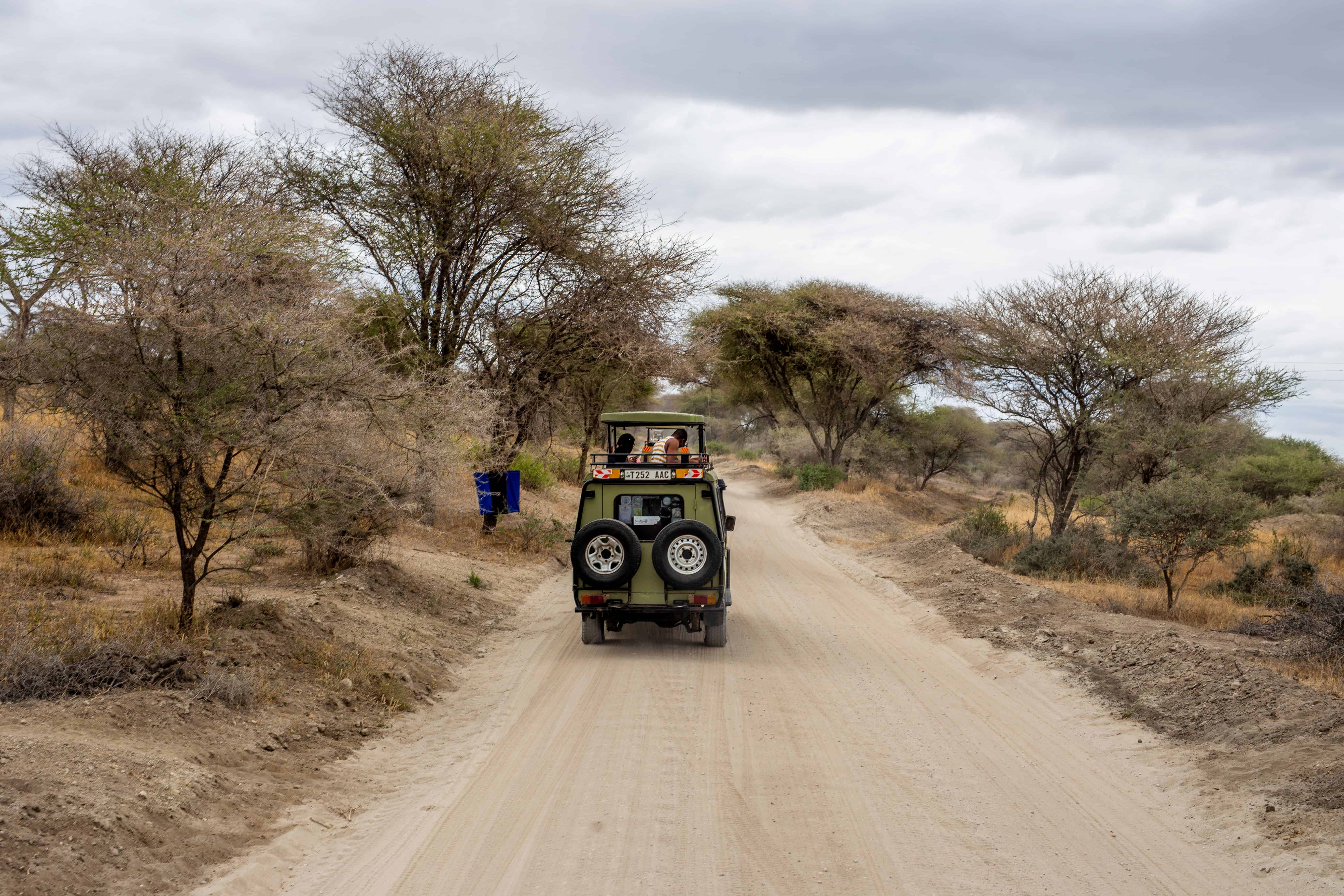
Game drives in 4×4 vehicles remain the standard safari method, typically scheduled during optimal wildlife hours: early morning and late afternoon. Full-day drives with picnic lunches allow deeper park exploration.
Hot air balloon safaris provide unforgettable aerial perspectives, floating silently above the plains at sunrise. While expensive ($550-600 per person as of 2026), the experience delivers unique photographic opportunities and champagne bush breakfasts.
Planning Your Safari Budget
Serengeti safaris represent significant investments, but understanding cost components helps maximize value. Park fees alone cost $60 per adult per day, plus $50 daily vehicle fees—expenses identical across all safari operators.
Budget safaris start around $250-350 per person daily (camping), mid-range options run $400-600 (comfortable tented camps), while luxury experiences exceed $800-2,000+ daily. These rates typically include accommodation, meals, game drives, and park fees.
Additional Costs to Consider
- International flights to Kilimanjaro or Dar es Salaam
- Domestic flights to Serengeti airstrips ($200-400 roundtrip)
- Tips for guides, drivers, and camp staff (budget $20-30 daily)
- Beverages at lodges (often excluded from rates)
- Optional activities like balloon safaris or cultural visits
Booking directly through reputable operators often provides better value than last-minute deals, ensuring quality vehicles, experienced guides, and proper licensing. For planning assistance, explore African safari destinations or contact travel specialists for personalized itineraries.
Essential Safari Tips
Success in the Serengeti requires preparation beyond booking accommodations. This Serengeti safari guide shares practical advice from experienced safari-goers to enhance your experience.
What to Pack
Neutral-colored clothing (khaki, olive, beige) helps you blend into the environment without disturbing wildlife. Avoid bright colors and camouflage patterns (actually illegal in Tanzania). Layers work best, as mornings start cool before warming considerably by midday.
Essential items include quality binoculars (8×42 or 10×42), camera with telephoto lens, sun protection (hat, sunscreen, sunglasses), and insect repellent containing DEET. Dust becomes unavoidable, so bring protective bags for electronics.
Health and Safety
Malaria prophylaxis is essential—consult your doctor at least six weeks before departure. Yellow fever vaccination is required if arriving from endemic countries, though not mandatory from most Western nations. Comprehensive travel insurance should cover medical evacuation, as facilities remain basic in remote areas.
Wildlife safety means following guide instructions absolutely. Never exit vehicles except at designated spots, maintain safe distances from animals, and avoid sudden movements or loud noises. Remember that seemingly docile herbivores like hippos and buffalo cause more human fatalities than predators.
Photography Tips
Early morning and late afternoon provide optimal lighting and most active wildlife. Bring extra batteries and memory cards—you’ll shoot more than anticipated. A bean bag stabilizes cameras on vehicle window frames better than tripods in moving vehicles.
Respect wildlife by avoiding flash photography and never asking drivers to approach too closely or chase animals. Ethical wildlife viewing ensures sustainable tourism and protects animal welfare. The Serengeti’s delicate ecosystem depends on responsible visitor behavior.
Cultural Considerations
The Maasai and other indigenous communities maintain cultural connections to lands surrounding the Serengeti. Visiting cultural villages provides insights into traditional lifestyles, though ensure tours directly benefit communities rather than exploiting them.
Learning basic Swahili phrases—jambo (hello), asante (thank you), pole pole (slowly)—demonstrates respect and enhances interactions with Tanzanian guides and staff. Tipping represents important income, so budget accordingly and distribute gratitude appropriately.
Quick Serengeti Safari Checklist
Best for first-timers: June through October offers optimal wildlife viewing with dry conditions and the Great Migration in northern regions. Book at least 6-9 months ahead for peak season travel.
Recommended duration: Minimum 3-4 nights allows adequate exploration without constant rushing. Combining the Serengeti with Ngorongoro Crater and Tarangire National Park creates comprehensive Northern Circuit itineraries.
Frequently Asked Questions
How many days should I spend in the Serengeti?
Most experts recommend 3-4 nights minimum to experience different regions and maximize wildlife encounters. This duration allows flexibility if specific sightings require additional time. Serious photographers and wildlife enthusiasts often spend 5-7 nights, particularly during migration season when daily action varies significantly.
Is the Serengeti better than the Maasai Mara?
Both parks form part of the same ecosystem, but the Serengeti offers eight times more territory with fewer crowds and greater diversity of landscapes. The Maasai Mara provides easier access from Nairobi and excellent river crossings July-October. Many travelers visit both, though the Serengeti generally delivers more comprehensive safari experiences.
Can I do a self-drive safari in the Serengeti?
Self-driving is technically permitted but strongly discouraged. Navigation proves challenging, breakdown assistance is limited, and experienced guides dramatically improve wildlife spotting and safety. The investment in professional guides pays dividends through their tracking skills, ecological knowledge, and ability to position vehicles optimally for viewing and photography.
What is the best area of the Serengeti to stay?
The central Seronera Valley provides year-round wildlife and convenient access to different regions, making it ideal for first-timers. Southern Serengeti excels December-March during calving season. Northern Serengeti delivers spectacular river crossings July-October. Choosing locations depends on travel dates and specific interests outlined in this Serengeti safari guide.
Are Serengeti safaris safe for families with children?
Absolutely, though age restrictions vary by accommodation. Many lodges welcome children of all ages, while some luxury camps maintain minimum age policies (typically 6-12 years) due to unfenced environments. Family safaris work wonderfully with appropriate expectations—shorter game drives, child-friendly guides, and accommodations with pools and activities for downtime.
What’s the difference between the Serengeti and Ngorongoro Crater?
The Serengeti encompasses vast plains ideal for following migrations and extended game drives, while Ngorongoro Crater concentrates wildlife in a collapsed volcanic caldera. Most itineraries combine both, as they’re located adjacent to each other. Ngorongoro offers easier wildlife spotting in smaller areas, while the Serengeti provides authentic wilderness immersion across enormous territories.
Planning a Serengeti safari requires careful consideration of timing, budget, and personal interests, but rewards exceed expectations when properly organized. This Serengeti safari guide provides the foundation for creating your dream African adventure. The Serengeti’s timeless landscapes and unmatched wildlife concentrations deliver transformative experiences that resonate long after returning home.
From witnessing newborn wildebeest taking first steps to watching lions coordinate hunts across golden grasslands, the Serengeti operates on nature’s grandest scale. Modern conservation ensures this ecosystem remains protected for future generations while offering sustainable tourism that benefits local communities.
Ready to begin planning your ultimate safari adventure? Start exploring your options or learn how experienced Africa specialists can craft personalized itineraries matching your dreams to reality. The Serengeti awaits—one of Earth’s last great wilderness areas where nature still reigns supreme.