
The Lalibela churches Ethiopia stand as one of Africa’s most extraordinary architectural achievements. Carved entirely from solid volcanic rock in the 12th century, these eleven medieval monolithic churches attract pilgrims and travelers from around the globe. This complete 2026 guide will help you plan an unforgettable journey to one of humanity’s most sacred sites.
Quick Fact: The Lalibela churches were carved downward into the bedrock, removing approximately 250,000 cubic meters of stone—all without modern machinery.
History of the Lalibela Churches
The Lalibela churches Ethiopia were commissioned by King Lalibela of the Zagwe dynasty in the late 12th and early 13th centuries. According to tradition, King Lalibela sought to create a “New Jerusalem” after Muslim conquests made pilgrimages to the Holy Land increasingly difficult for Ethiopian Christians.
Historical evidence suggests construction took approximately 24 years, though local legend credits divine intervention and angelic assistance. UNESCO designated these remarkable structures as a World Heritage Site in 1978, recognizing their outstanding universal value to humanity.
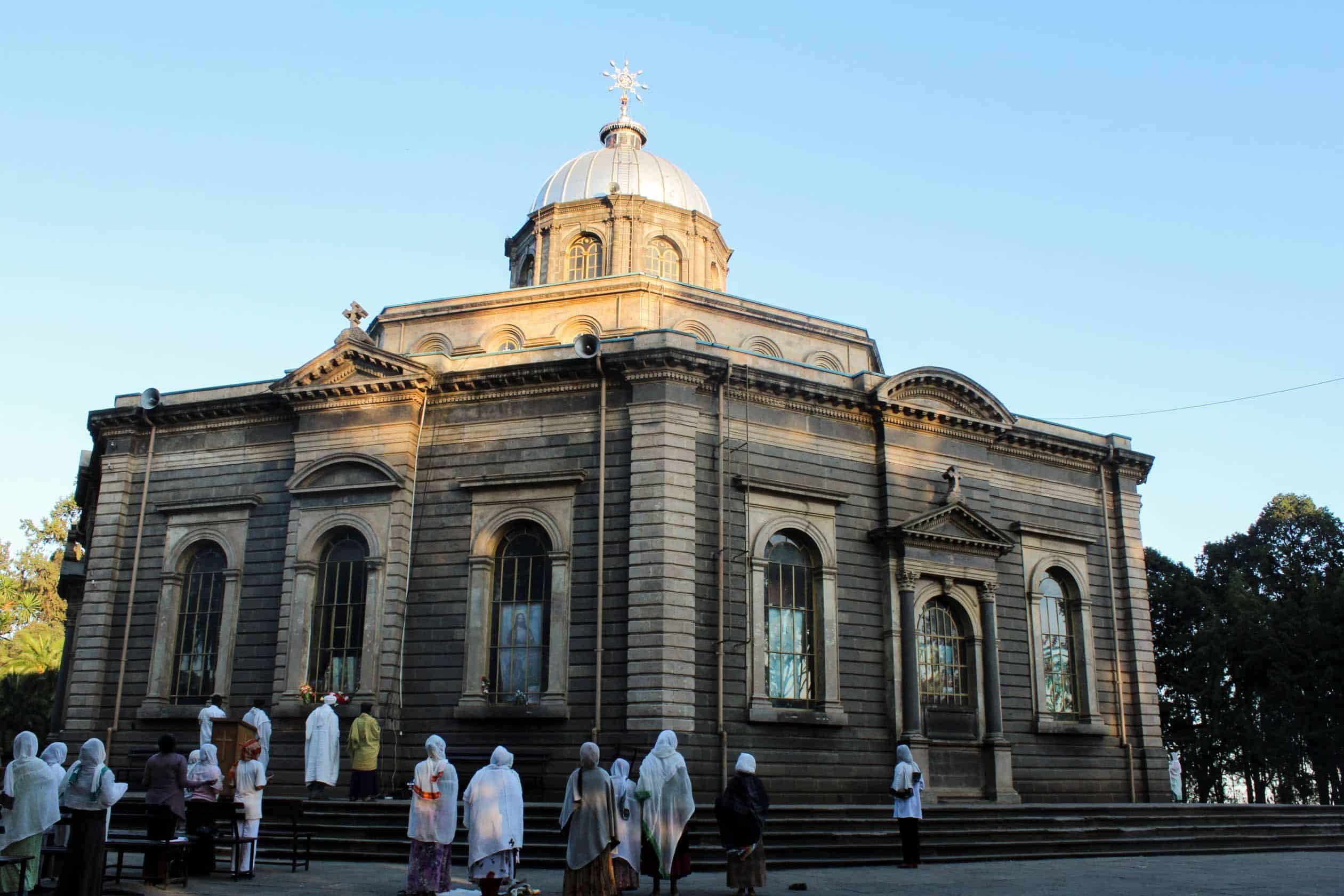
The churches represent the zenith of Ethiopian ecclesiastical architecture and remain active places of worship today. Thousands of white-robed pilgrims gather here during major Orthodox Christian festivals, particularly during Genna (Ethiopian Christmas) and Timkat (Epiphany).
The Architectural Marvel Explained
What makes the Lalibela churches Ethiopia truly exceptional is their construction method. Unlike conventional buildings constructed upward, these churches were carved downward and outward from single blocks of red volcanic rock.
Master craftsmen first excavated wide trenches to isolate massive rock blocks, then meticulously carved away stone to reveal intricate architectural details. The result? Free-standing structures complete with columns, windows, arches, and elaborate decorative elements—all fashioned from one continuous piece of bedrock.
Engineering Techniques
The engineering sophistication demonstrates advanced medieval knowledge:
- Drainage systems: Sophisticated channels prevent water accumulation during Ethiopia’s rainy season
- Structural integrity: Load-bearing walls and columns support massive rock ceilings
- Acoustic design: Interior spaces produce remarkable sound quality for liturgical chanting
- Symbolic orientation: Churches align with cardinal directions and biblical symbolism
The Eleven Churches You Must See
The eleven rock-hewn churches divide into two main groups, separated by the River Jordan (Yordanos):
Northwestern Group
Bete Medhane Alem (House of the Savior of the World) ranks as the largest monolithic church in the world, measuring 33.5 meters by 23.5 meters. Its 72 exterior columns create a colonnade reminiscent of ancient Greek temples.
Bete Maryam (House of Mary) features exquisite frescoes and is said to be King Lalibela’s favorite church. The pillar inside allegedly bears inscriptions revealing the past and future of Christianity.
Bete Golgotha-Mikael remains closed to women following ancient Ethiopian Orthodox tradition. This church houses the tomb of King Lalibela himself and features exceptional medieval artwork.
Southeastern Group
Bete Giyorgis (Church of St. George) stands as the most photographed of the Lalibela churches Ethiopia. Carved in the shape of a perfect Greek cross, this architectural masterpiece sits 15 meters below ground level, accessible only by a narrow trench.
According to historical accounts, St. George appeared to King Lalibela on horseback, requesting his own church. The result became Ethiopia’s most iconic religious structure.
Other significant churches include Bete Amanuel, Bete Qeddus Mercoreus, Bete Abba Libanos, Bete Gabriel-Rufael, and Bete Lehem.
Visiting Lalibela: Practical Guide for 2026
As of 2026, visiting the Lalibela churches Ethiopia requires careful planning. The Ethiopian government has improved tourism infrastructure significantly, though the town retains its authentic, unhurried character.
Entry Requirements and Tickets
Foreign visitors pay a comprehensive entrance fee of approximately 50 USD, valid for multiple days. This ticket grants access to all eleven churches. Purchase tickets at the official site entrance, and keep your receipt for re-entry.
Local guides are strongly recommended and can be arranged through Africaning or at the site. Expert guides provide historical context, navigate the complex tunnel systems connecting churches, and explain religious significance that enhances your experience immeasurably.
What to Bring
- Respectful clothing covering shoulders and knees (required)
- Comfortable walking shoes with good grip for uneven stone surfaces
- Flashlight for exploring darker interior spaces and tunnels
- Water bottle and sun protection—Lalibela sits at 2,500 meters elevation
- Camera (photography permitted in most areas)
Best Time to Visit the Churches
Ethiopia’s climate differs significantly from surrounding African regions. The optimal time for visiting the Lalibela churches Ethiopia runs from October through March, during the dry season.
January 7th (Genna/Ethiopian Christmas) and January 19th (Timkat/Epiphany) offer extraordinary cultural experiences. However, expect massive crowds of pilgrims—sometimes exceeding 100,000 people. If you prefer quieter contemplation, avoid these peak periods.
The rainy season (June-September) brings muddy conditions and occasional access difficulties, though the landscape transforms into lush greenery. Consider exploring other African destinations during these months.
Getting There and Around
Lalibela Airport (LLI) receives daily flights from Addis Ababa, Ethiopia’s capital. Ethiopian Airlines operates multiple flights, with journey time approximately one hour. Book well in advance during peak season, as capacity remains limited.
Road travel from Addis Ababa takes 10-12 hours through mountainous terrain. While scenic, this option suits only adventurous travelers comfortable with challenging conditions.
Within Lalibela town, most accommodations sit within walking distance of the churches. Tuk-tuks and taxis provide inexpensive transport for longer distances. For comprehensive travel planning across the region, start here to explore Ethiopian itineraries.
Cultural and Religious Significance
The Lalibela churches Ethiopia remain living monuments where ancient traditions continue unchanged. Ethiopian Orthodox priests conduct services daily using Ge’ez, an ancient Semitic language predating Arabic.
Pilgrims prostrate themselves on stone floors worn smooth by centuries of devotion. The scent of frankincense fills sacred spaces as priests chant liturgies unchanged since medieval times. This isn’t merely a tourist attraction—it’s a functioning religious center of profound importance.
One common misconception: these churches weren’t built by extraterrestrials or lost technologies. Ethiopian craftsmen possessed exceptional skills honed over generations, using iron chisels and tremendous patience to achieve these masterpieces.
Conservation Efforts and Challenges
Preserving these 800-year-old structures presents enormous challenges. The Getty Conservation Institute has partnered with Ethiopian authorities on stabilization projects since 2009.
Environmental factors threaten the churches: water infiltration, earthquake vulnerability, and increased visitor traffic accelerate deterioration. Protective shelters installed over several churches sparked controversy among preservationists who argue they alter the sites’ aesthetic and spiritual character.
As of 2026, approximately 1.2 million Ethiopian Birr (roughly 22,000 USD) is invested annually in conservation efforts, according to Ethiopian Heritage Authority data. However, experts estimate ten times this amount is needed for comprehensive preservation.
Frequently Asked Questions
How long do I need to visit all the Lalibela churches?
Plan at least two full days to properly explore all eleven churches without rushing. Three days allows time for deeper exploration, attending church services, and visiting nearby sites like Asheten Maryam monastery. Most visitors spend 2-3 nights in Lalibela town.
Can I visit the churches during religious services?
Yes, attending services provides profound cultural insight. Early morning services (starting around 3-4 AM) showcase traditional Orthodox liturgy. However, remain respectful, dress appropriately, and follow your guide’s instructions regarding restricted areas.
Are the Lalibela churches accessible for people with mobility challenges?
Unfortunately, the churches present significant accessibility challenges. Visiting requires navigating steep stone staircases, narrow tunnels, and uneven surfaces. Some churches sit 12-15 meters below ground level. Visitors with mobility limitations should contact tour operators like Africaning’s contact team to discuss possible accommodations.
What makes Lalibela churches different from other rock-hewn churches?
While other cultures created rock-cut architecture (India’s Ellora, Jordan’s Petra), Lalibela’s churches are unique as free-standing structures entirely separated from surrounding bedrock. They’re also still-active religious sites, not archaeological ruins, maintaining continuous worship for over 800 years.
Is it safe to travel to Lalibela in 2026?
Security conditions in Ethiopia fluctuate regionally. As of 2026, Lalibela town itself remains generally safe for tourists, though travelers should monitor current conditions through official channels. The region has been prioritized for tourism security, and major tour operators maintain updated safety protocols.
What other attractions exist near the Lalibela churches?
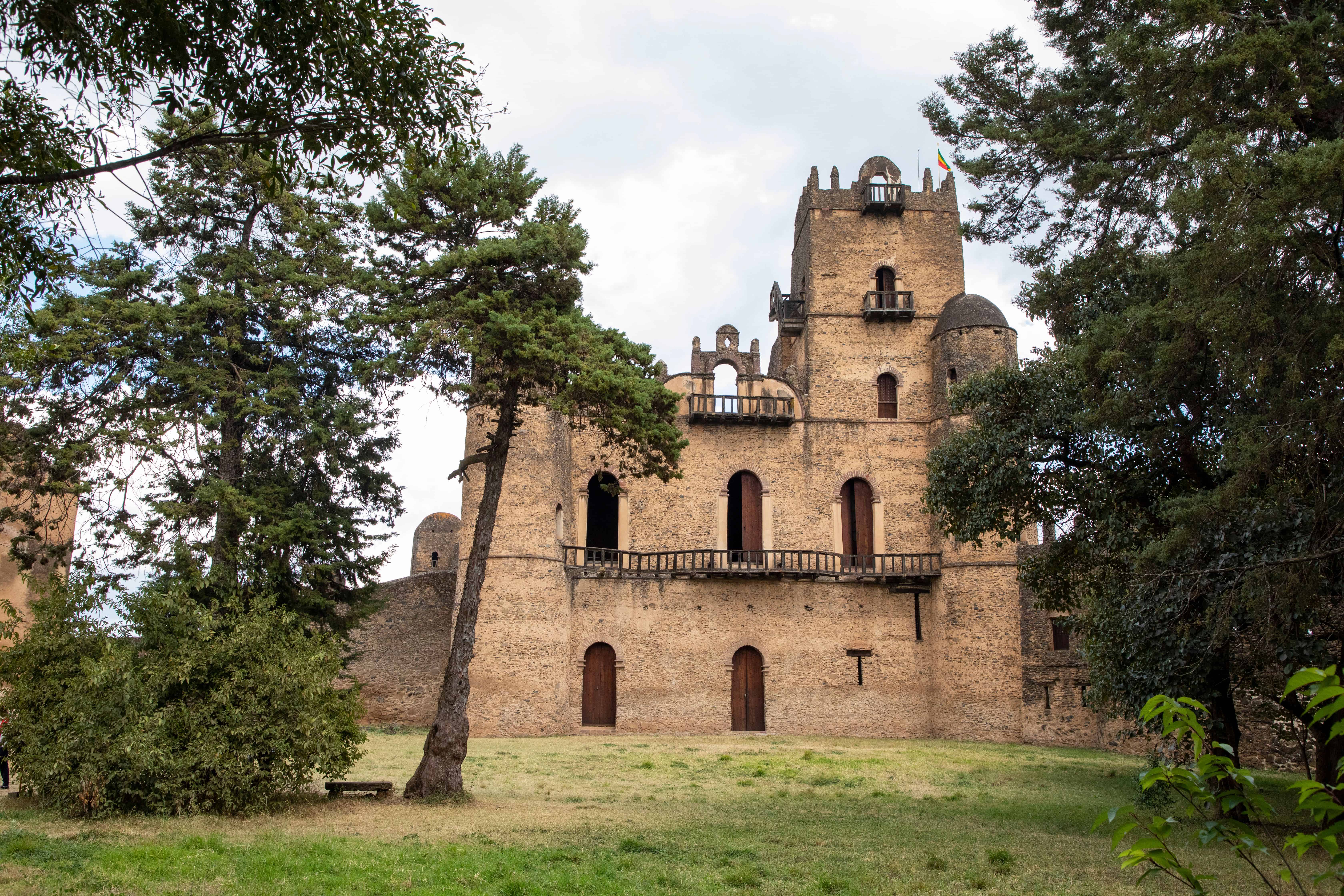
Beyond the eleven rock-hewn churches, visit Asheten Maryam monastery (3,150m elevation, spectacular views), Neakuto Lab cave church, and Yimrehane Kristos church (11th century, predates Lalibela). Many visitors combine Lalibela with Gondar’s castles and Simien Mountains National Park for a comprehensive northern Ethiopia circuit.
Conclusion
The Lalibela churches Ethiopia represent human achievement at its most inspiring. These medieval masterpieces challenge our understanding of what’s possible with determination, faith, and skilled craftsmanship. Whether you’re drawn by religious devotion, architectural fascination, or wanderlust, Lalibela offers experiences found nowhere else on Earth.
Planning your visit requires consideration of seasons, cultural sensitivities, and physical demands. Yet the rewards—standing before Bete Giyorgis at sunrise, hearing ancient chants echo through stone corridors, witnessing devotion unchanged across centuries—create memories transcending typical tourism.
For comprehensive assistance planning your Ethiopian adventure and exploring Africa’s diverse wonders, visit About Africaning to discover how expert guidance transforms travel into transformative experiences. The churches of Lalibela await, patient as they’ve been for 800 years, ready to astound another generation of visitors.