Planning an unforgettable encounter with mountain gorillas in Rwanda requires understanding the gorilla trekking Rwanda cost and what your investment includes. Rwanda has positioned itself as the premier destination for gorilla trekking, offering world-class experiences in Volcanoes National Park.
This comprehensive guide breaks down every expense you’ll encounter, from permits to accommodation, helping you budget accurately for your 2026 gorilla trekking adventure.
Gorilla Trekking Permit Costs
The gorilla trekking permit is non-negotiable and represents the core gorilla trekking Rwanda cost. According to the Rwanda Development Board, this fee directly supports conservation efforts and local communities.
Rwanda’s permit price is higher than neighboring Uganda ($800) and the Democratic Republic of Congo ($400), but the country offers superior infrastructure, easier accessibility, and luxury tourism experiences that justify the premium.
Permit Booking Essentials
- Advance booking: Reserve 6-12 months ahead, especially for peak season (June-September)
- Age requirement: Trekkers must be 15 years or older
- Non-refundable: Permits cannot be refunded but may be rescheduled with notice
- Group size: Maximum 8 people per gorilla family per day
- Daily availability: Limited to 96 permits across all habituated gorilla families
Accommodation Expenses
Accommodation near Volcanoes National Park varies dramatically based on your comfort preferences and budget. The gorilla trekking Rwanda cost for lodging ranges from budget-friendly guesthouses to ultra-luxury lodges.
Budget Options ($50-150 per night)
Basic guesthouses and mid-range hotels in Musanze (formerly Ruhengeri) town offer clean, comfortable rooms. These properties provide essential amenities and are located 30-45 minutes from park headquarters.
Mid-Range Lodges ($200-500 per night)
Comfortable lodges with mountain views, quality dining, and closer proximity to the park entrance. These establishments often include breakfast and dinner in their rates.
Luxury Lodges ($600-2,000+ per night)
Premium lodges offering exceptional service, gourmet cuisine, spa facilities, and stunning volcano views. Properties like Bisate Lodge and Singita Kwitonda Lodge cater to discerning travelers seeking complete luxury experiences.
Transportation and Getting Around
Transportation contributes significantly to the overall gorilla trekking Rwanda cost, depending on your chosen method of travel.
From Kigali to Volcanoes National Park: The 2-3 hour journey can be accomplished via private vehicle ($150-250 round trip), shared shuttle ($50-80 per person), or rental car ($70-100 per day).
Most travelers arrange transportation through their accommodation or tour operator. Rwanda’s excellent road infrastructure makes the journey comfortable and scenic through terraced hillsides and rural villages.
Airport Transfers
Kigali International Airport to city center costs $20-40 by taxi or arranged transfer. Many lodges include airport transfers in package deals, potentially reducing your overall expenses.
Additional Expenses to Consider
Beyond the primary gorilla trekking Rwanda cost components, budget for these additional expenses to avoid surprises:
- Porter fees: $10-20 (highly recommended and supports local employment)
- Tipping: $10-20 for guides, $5-10 for trackers
- Meals: $10-40 per meal depending on restaurant choice
- Travel insurance: $50-150 for comprehensive coverage
- Visa fee: $50 for most nationalities (free for African Union members)
- Photography: No additional fee, but bring quality equipment
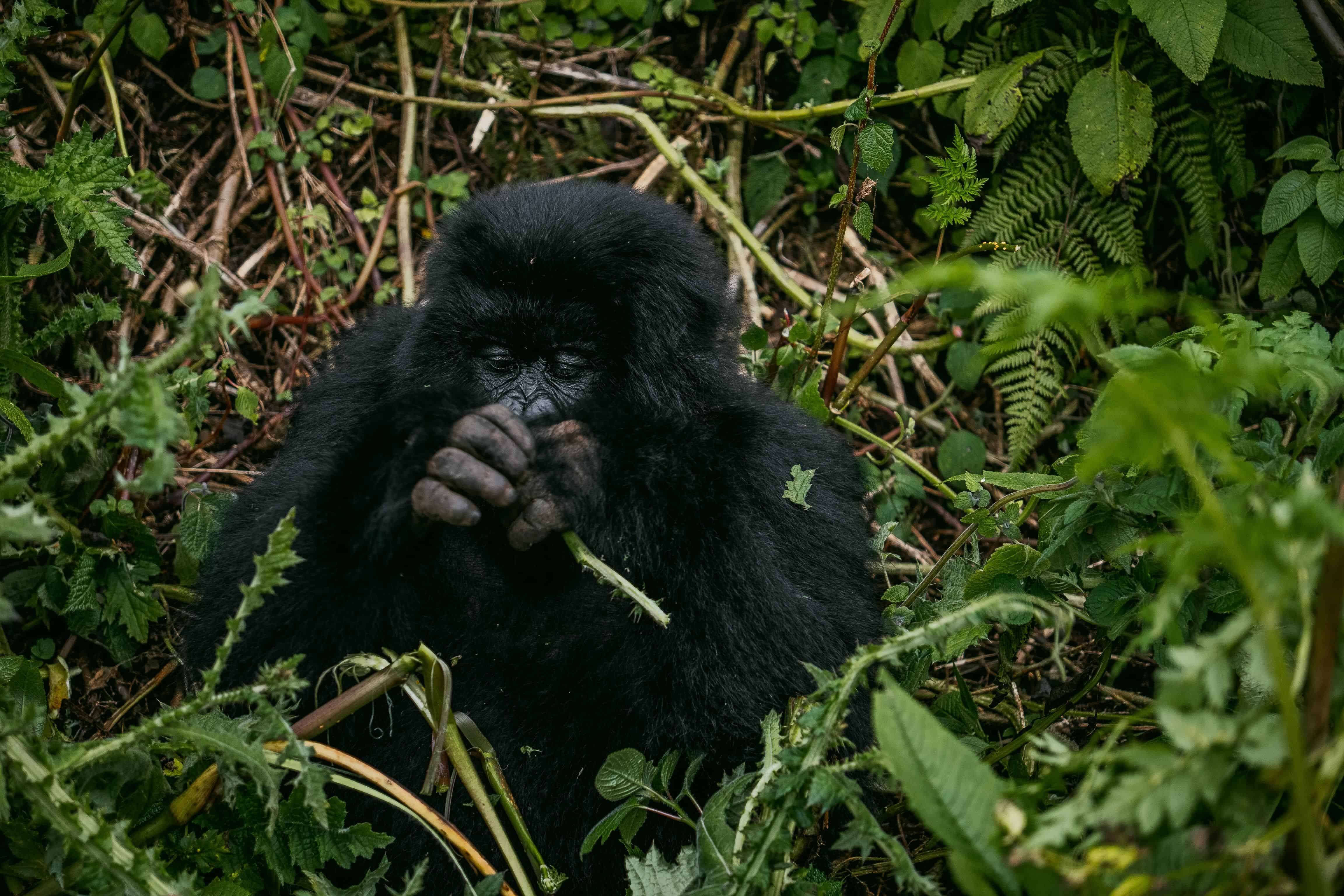
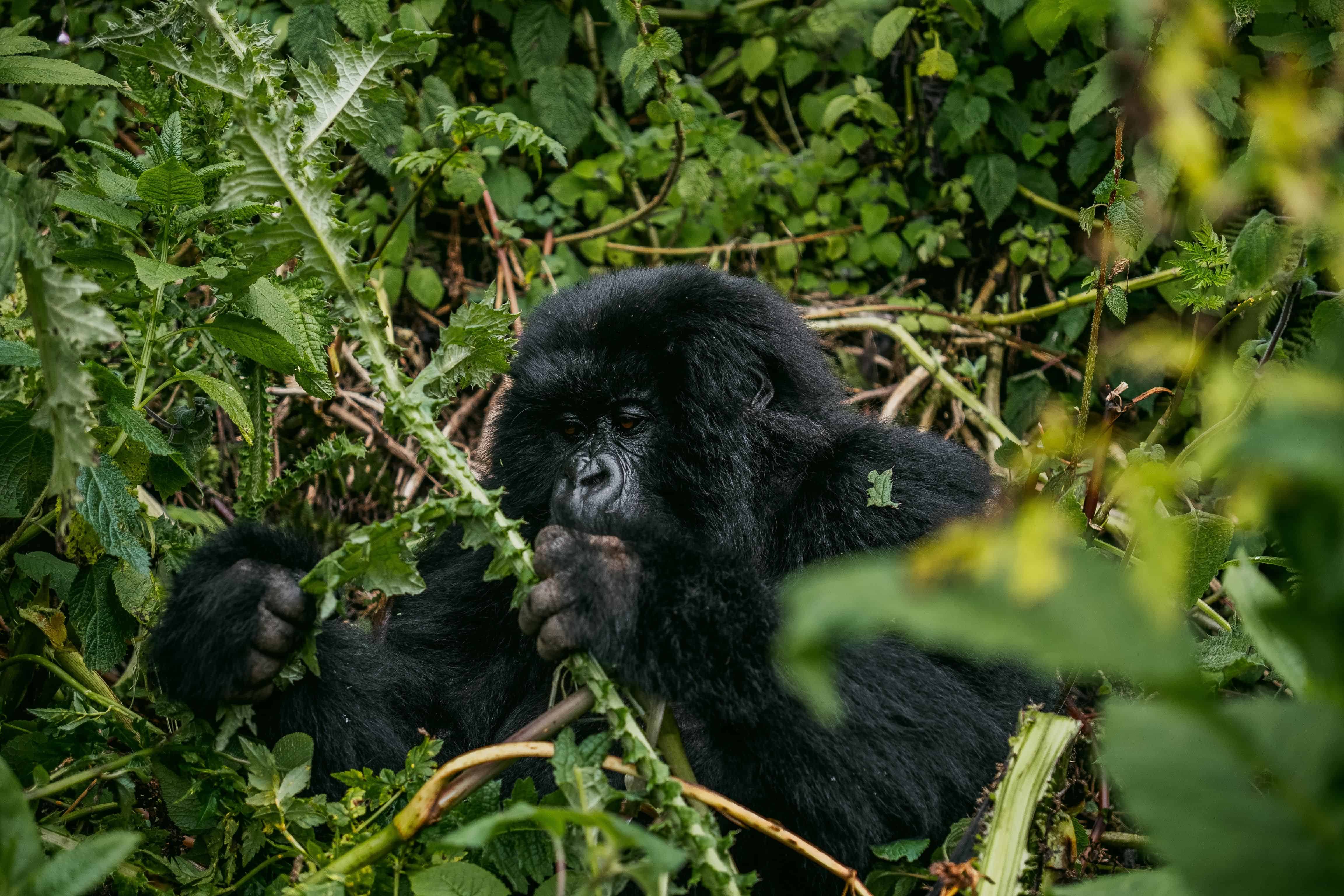
According to UNESCO, Volcanoes National Park is part of the Virunga Mountains ecosystem, home to approximately one-third of the world’s remaining mountain gorillas—around 604 individuals as of the latest census.
Best Time for Value Trekking
While permit prices remain constant year-round, the gorilla trekking Rwanda cost can be optimized by traveling during shoulder seasons when accommodation rates drop significantly.
Dry seasons (June-September and December-February): Peak demand, higher accommodation costs, easier trekking conditions, better photography opportunities.
Wet seasons (March-May and October-November): Lower accommodation rates (20-40% discounts), fewer tourists, more challenging terrain, lush green landscapes.
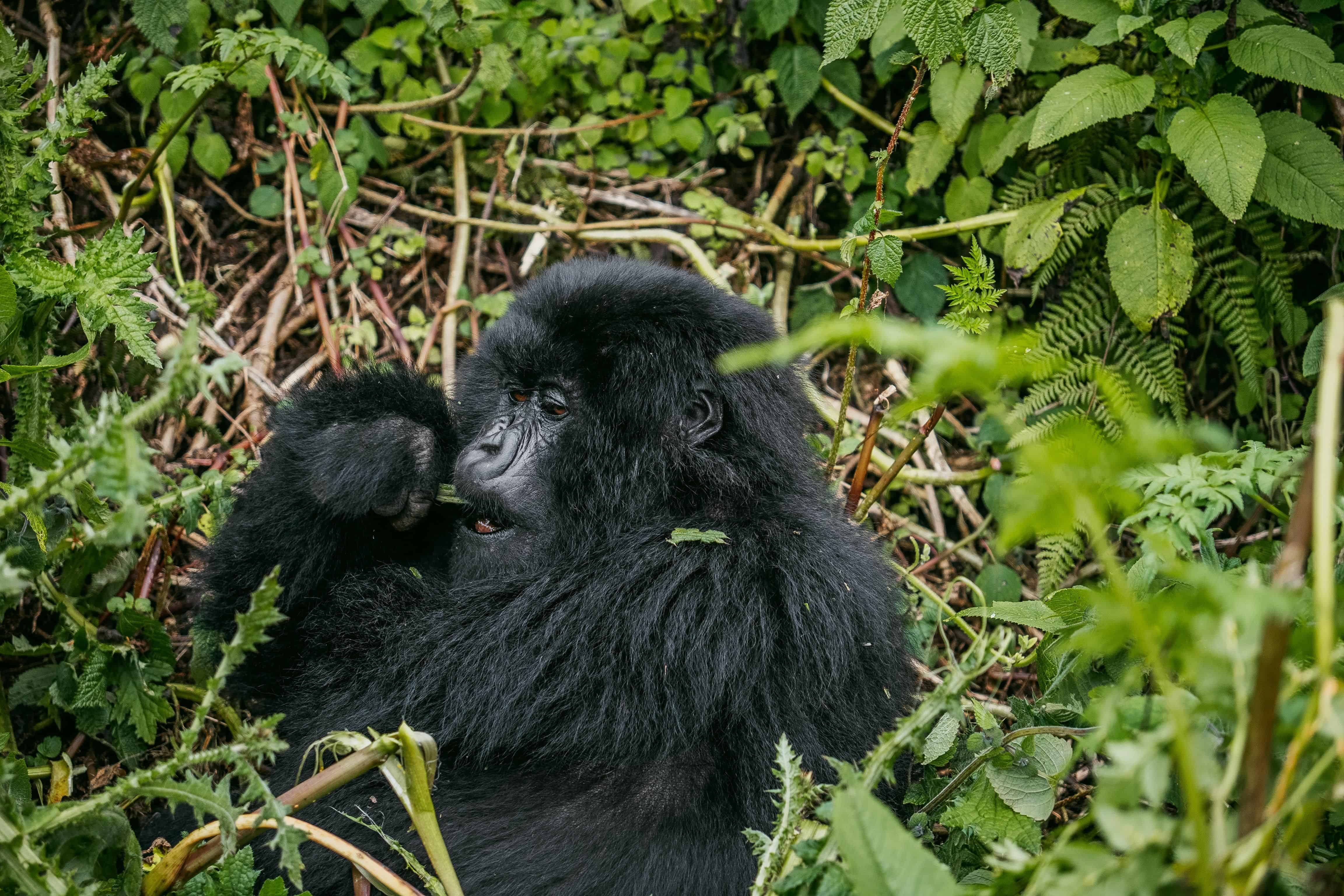
A common misconception is that you can’t see gorillas during wet season—this is false. Gorillas are present year-round, and rain typically falls in short afternoon bursts rather than all-day downpours.
Money-Saving Tips
Smart travelers can reduce the overall gorilla trekking Rwanda cost without compromising the core experience:
- Book directly: Contact lodges directly rather than through intermediaries to avoid markup
- Travel in low season: Save 20-40% on accommodation during April-May and November
- Stay in Musanze town: Budget hotels offer significant savings compared to park-adjacent lodges
- Join group tours: Share transportation and guide costs with other travelers
- Combine experiences: Package gorilla trekking with other African destinations for better overall value
- Book multi-day permits: Some operators offer slight discounts for multiple treks
What Your Money Gets You
Understanding what the gorilla trekking Rwanda cost covers helps justify the investment. Your permit fee includes:
- One hour with a habituated gorilla family
- Expert ranger guide and armed escort
- Park entry and conservation fees
- Briefing session at park headquarters
- Certificate of achievement after trekking
The National Geographic Society notes that Rwanda’s conservation model has been remarkably successful, with mountain gorilla populations steadily increasing—a rare conservation success story.
Beyond the wildlife encounter, 10% of permit revenue goes directly to community projects, supporting schools, health centers, and infrastructure development in villages surrounding the park.
The Experience Beyond Cost
The trek duration varies from 30 minutes to 6+ hours depending on gorilla family location. Physical fitness is important, though porters can assist with difficult sections.
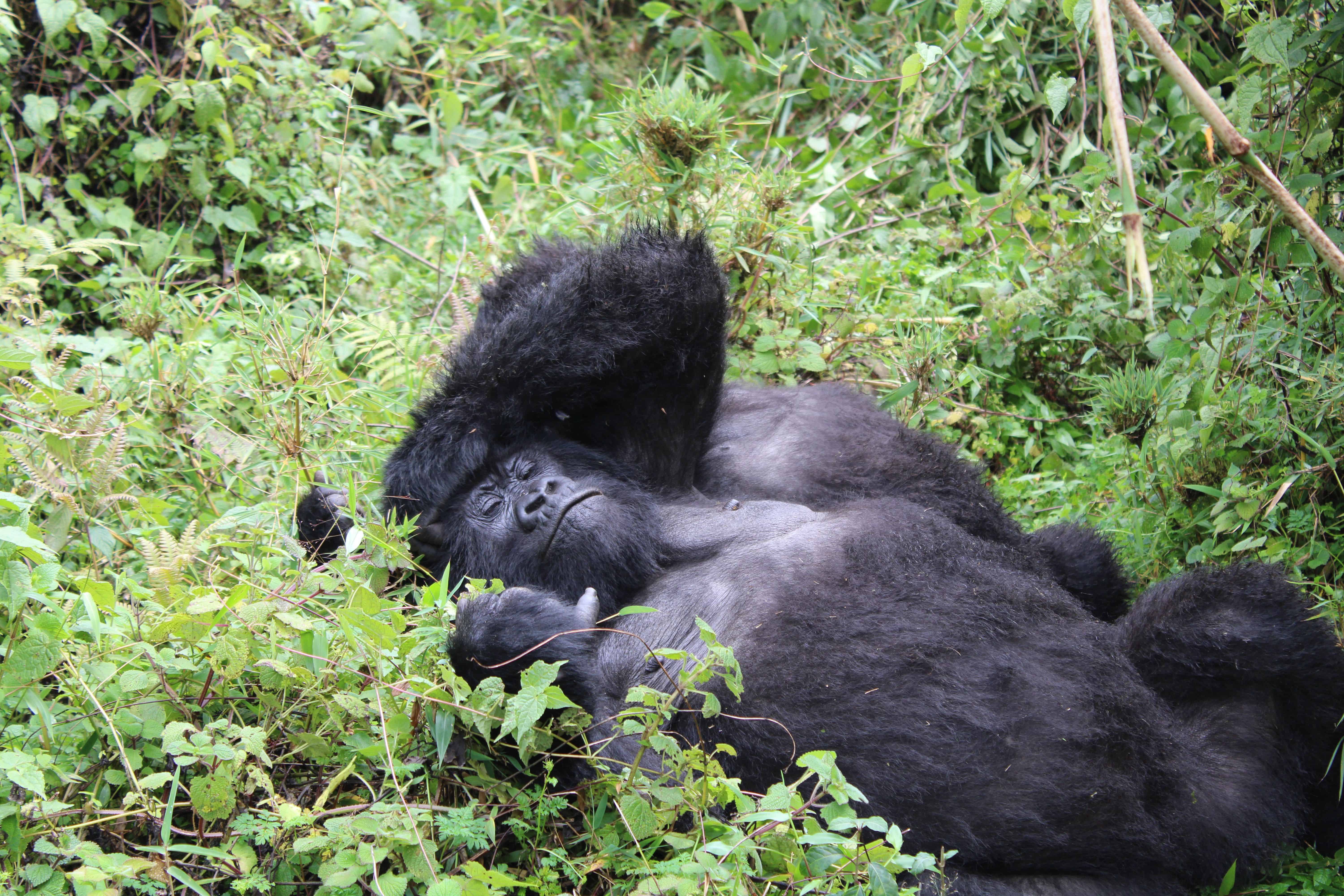
You’ll walk through bamboo forests, volcanic terrain, and dense vegetation before encountering these magnificent primates. The emotional impact of locking eyes with a silverback gorilla is consistently described as life-changing by visitors.
Total Budget Estimate
For a complete gorilla trekking Rwanda cost breakdown, expect these total expenses for a 3-day trip:
Budget traveler: $1,800-2,200 (permit + basic accommodation + shared transport)
Mid-range traveler: $2,500-3,500 (permit + comfortable lodge + private transport)
Luxury traveler: $4,000-8,000+ (permit + luxury lodge + premium services)
For those seeking similar African adventures with different budget considerations, explore options like a Sahara Desert tour in Morocco, which offers spectacular experiences at varied price points.
Frequently Asked Questions
Is gorilla trekking in Rwanda worth the cost?
Yes, most visitors consider it a once-in-a-lifetime experience worth the investment. The high permit cost supports critical conservation efforts that have helped mountain gorilla populations recover from near extinction. Rwanda’s infrastructure, safety, and tourism standards also justify the premium pricing.
Can I reduce the gorilla trekking Rwanda cost by booking last minute?
No, last-minute bookings rarely offer discounts and permits are often sold out months in advance, especially during peak seasons. Early booking (6-12 months ahead) is essential and doesn’t increase costs. However, accommodation may offer last-minute deals during low season.
What is included in the $1,500 permit fee?
The permit includes park entrance, one hour with gorillas, expert ranger guides, armed escorts for safety, pre-trek briefing, and a certificate. It does not include accommodation, transportation, meals, porter fees, or tips for guides and trackers.
Are there any hidden costs in gorilla trekking?
The main costs are transparent, but budget for porter fees ($10-20), guide tips ($10-20), tracker tips ($5-10), lunch boxes ($10-15), and specialized trekking gear rental if needed. Travel insurance and visa fees ($50) are also additional expenses not included in permit costs.
Can children do gorilla trekking in Rwanda?
No, the minimum age for gorilla trekking is 15 years old. This policy protects both young visitors and the gorillas, as the trek can be physically demanding and disease transmission risks are higher with younger children. Valid identification proving age is required.
How does Rwanda’s gorilla trekking cost compare to Uganda?
Rwanda’s permits cost $1,500 compared to Uganda’s $800, making Uganda more budget-friendly. However, Rwanda offers easier accessibility from Kigali (2-3 hours vs 8-10 hours from Kampala), better infrastructure, and generally more luxurious tourism facilities. Uganda offers excellent value for budget-conscious travelers.
The gorilla trekking Rwanda cost represents a significant investment in both your travel experience and global conservation efforts. By understanding all expense components and planning strategically, you can maximize value while contributing to the protection of these critically endangered primates.
Rwanda’s commitment to sustainable tourism and conservation has created a model that other nations study and emulate. Your participation directly supports local communities and ensures mountain gorillas thrive for future generations.
Ready to plan your gorilla trekking adventure? Contact us for personalized itinerary planning and expert guidance on making the most of your Rwanda experience. For more African travel inspiration, visit our comprehensive Africaning destination guides.