Planning an African safari is a dream for many travelers, but understanding the Kenya safari cost can feel overwhelming. Whether you’re looking for a budget-friendly adventure or a luxury experience, Kenya offers safari options across every price range. This comprehensive guide breaks down exactly what you’ll pay in 2026, helping you plan the perfect safari within your budget.
From accommodation and park fees to transportation and hidden costs, we’ll cover everything you need to know before booking your Kenyan adventure.
Average Kenya Safari Costs by Budget Level
The kenya safari cost varies dramatically depending on your travel style and preferences. According to the Kenya Wildlife Service, millions of tourists visit Kenya’s parks annually, with spending levels across a wide spectrum.
As of 2026, here’s what you can expect to pay per person per day:
- Budget Safari: $150-$250 per person per day
- Mid-Range Safari: $300-$600 per person per day
- Luxury Safari: $600-$1,500 per person per day
- Ultra-Luxury Safari: $1,500-$3,000+ per person per day
These rates typically include accommodation, meals, game drives, and park fees. A typical 7-day safari will therefore range from approximately $1,050 to $21,000+ depending on your chosen comfort level.
Detailed Cost Breakdown: What You’re Actually Paying For
Understanding where your money goes helps you make informed decisions about your safari investment. The major cost components include park entrance fees, accommodation, transportation, meals, and guide services.
Park fees alone can account for 20-30% of your total kenya safari cost, especially when visiting premium reserves like the Masai Mara. Accommodation typically represents 40-50% of expenses, while transportation and guide services make up the remaining 20-30%.
What’s Included vs. What’s Extra
Most safari packages include accommodation, three meals daily, game drives, park fees, and a professional guide. However, drinks (especially alcohol), tips, travel insurance, visa fees, and international flights are almost always extra.
At Africaning, we help travelers understand exactly what’s covered in their safari package to avoid surprises.
National Park and Reserve Entrance Fees
Kenya’s national parks charge conservation fees that vary by park and visitor category. According to the Kenya Wildlife Service, these fees directly support wildlife conservation and community development.
As of 2026, daily entrance fees for international visitors include:
- Masai Mara National Reserve: $80-$100 per adult per day
- Amboseli National Park: $60 per adult per day
- Tsavo East/West: $52 per adult per day
- Lake Nakuru National Park: $60 per adult per day
- Samburu National Reserve: $70 per adult per day
These fees don’t include vehicle entrance fees (typically $20-40 per vehicle) or guide fees, which add to the overall expense.
Accommodation Options and Pricing
Accommodation represents the largest variable in kenya safari cost calculations. From basic campsites to ultra-luxury tented camps, Kenya offers options for every budget.
Budget Accommodation ($50-$150 per night)
Budget lodges and campsites provide basic amenities with shared facilities in some cases. These are perfect for adventurous travelers who prioritize wildlife experiences over luxury amenities.
Mid-Range Lodges ($200-$400 per night)
Mid-range properties offer comfortable rooms, private bathrooms, swimming pools, and good food. These lodges balance comfort with affordability and represent excellent value for most travelers.
Luxury and Ultra-Luxury Camps ($500-$2,000+ per night)
High-end tented camps and lodges feature spacious suites, gourmet dining, private decks, infinity pools, and personalized service. Many include premium extras like bush dinners, spa treatments, and photographic guidance.
Transportation and Vehicle Costs
Safari vehicles significantly impact your total costs. Private vehicles offer flexibility and exclusivity but cost substantially more than shared group safaris.
A private 4×4 safari Land Cruiser with a professional driver-guide typically costs $200-$350 per day. Shared group safaris divide this cost among 6-7 passengers, reducing individual expenses to $30-$60 per person daily.
Flying safaris using light aircraft between parks save time but add $150-$400 per flight segment to your kenya safari cost.
How Safari Timing Affects Cost
Safari prices fluctuate significantly based on season. Understanding these patterns helps you maximize value for your budget.
Kenya has three pricing seasons:
- High Season (July-October, December-January): Peak prices, 30-50% higher than low season
- Shoulder Season (June, November): Moderate prices with good wildlife viewing
- Low Season (March-May, sometimes November): Best prices, 20-40% discounts, fewer crowds
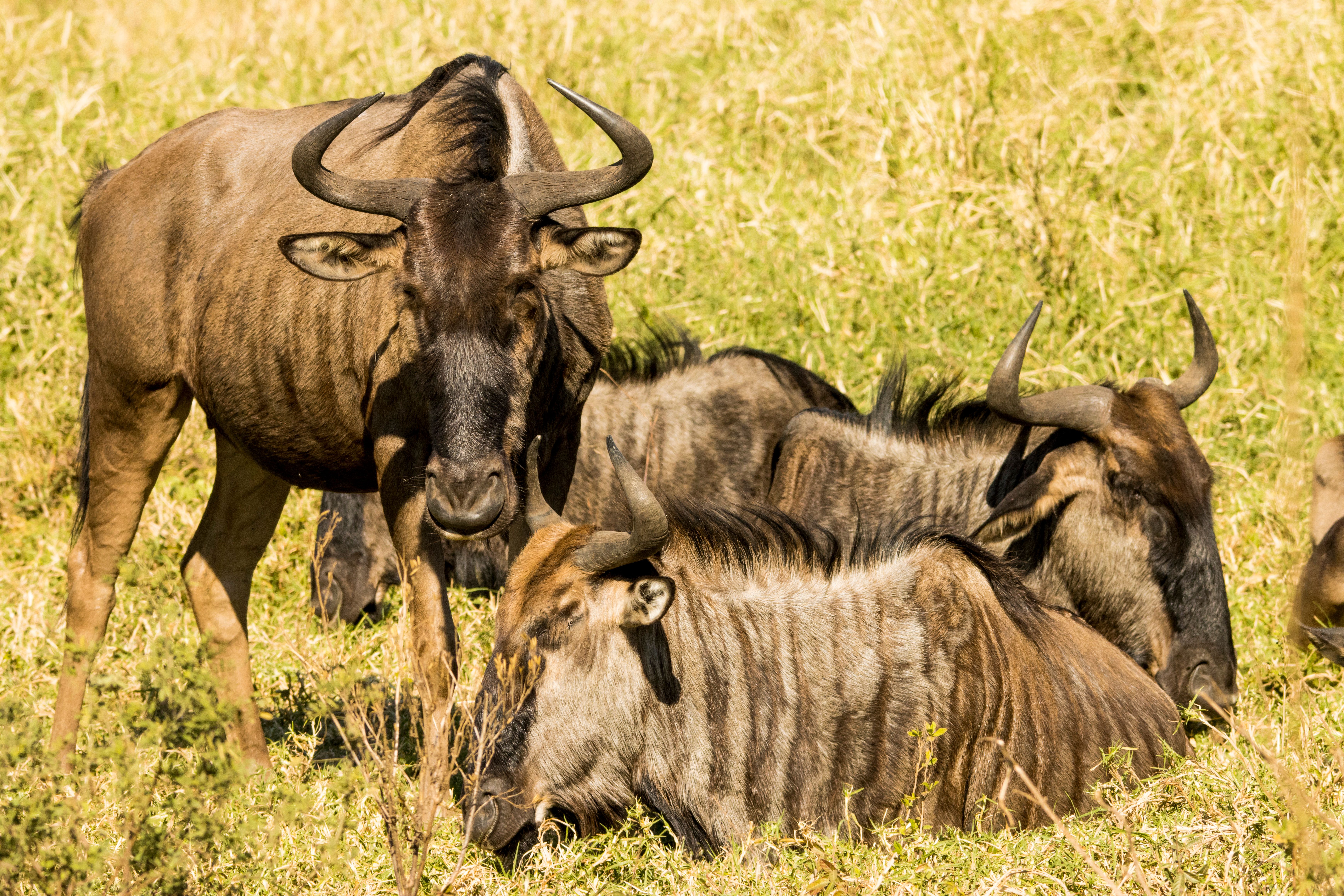
The Great Migration in Masai Mara (July-October) commands premium pricing. Travelers can save significantly by visiting during green season when wildlife remains abundant but crowds thin out.
For more guidance on planning your trip timing, explore our Start Here resource.
Money-Saving Tips for Kenya Safaris
Smart planning can reduce your kenya safari cost without compromising the experience. Here are proven strategies from safari experts:
- Travel during shoulder or low season: Save 20-40% while still enjoying excellent wildlife viewing
- Join group safaris: Share vehicle costs with other travelers
- Book directly with local operators: Cut out intermediary commissions
- Focus on fewer parks: Reduce transportation costs and park fees
- Stay outside park boundaries: Lodges just outside parks cost significantly less
- Choose longer trips: Per-day costs decrease on 7+ day safaris
- Mix budget and mid-range accommodation: Splurge on one or two nights in premium locations
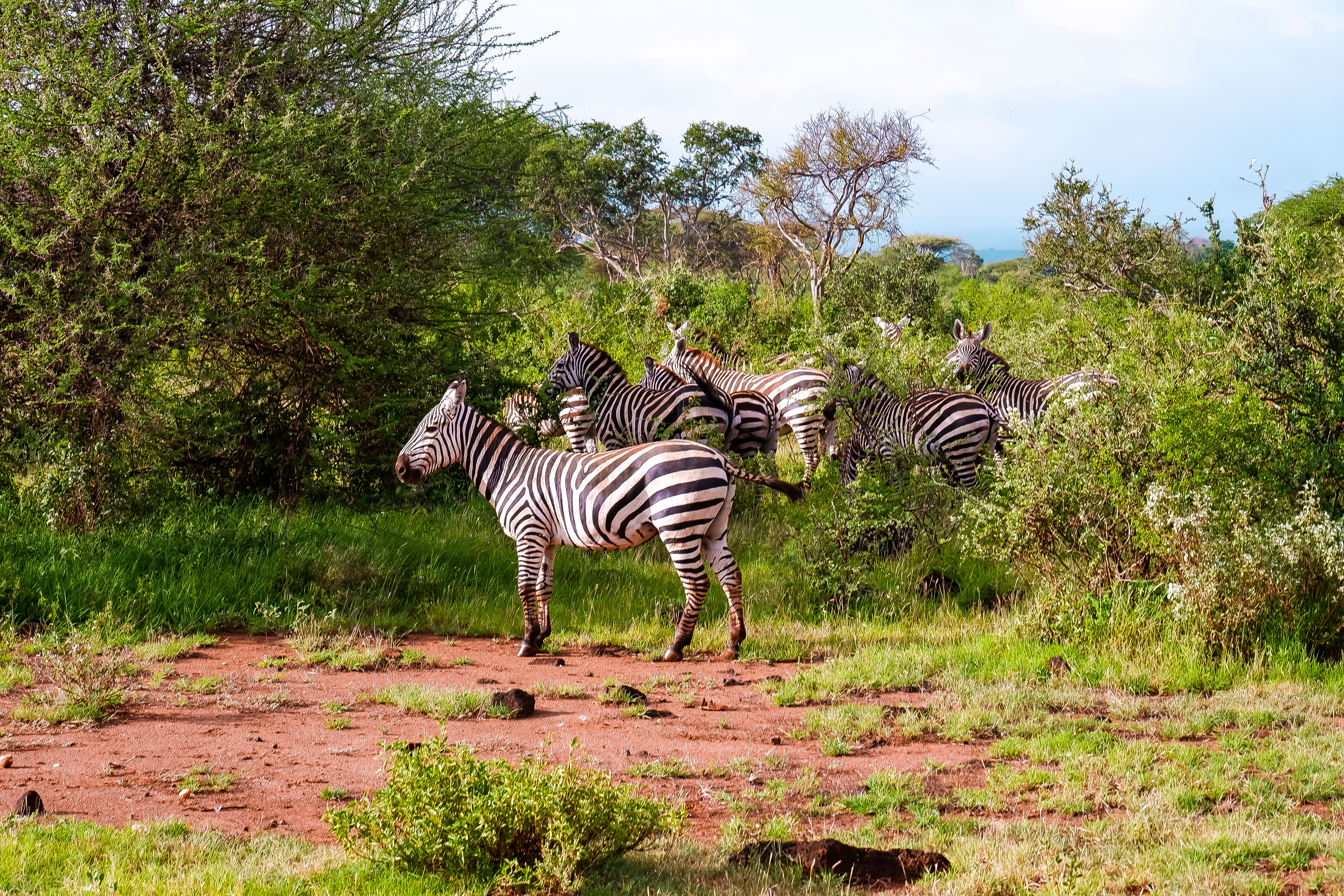
One common misconception is that budget safaris compromise wildlife sightings. In reality, the animals don’t know whether you’re staying in a budget camp or luxury lodge—game viewing quality depends on the park, timing, and guide expertise, not accommodation price.
Hidden Costs to Watch For
Several expenses catch first-time safari travelers off-guard. Being aware of these helps you budget accurately for your kenya safari cost.
Tips and Gratuities
Tipping is customary in Kenya’s safari industry. Budget $15-20 per day for your driver-guide, $10-15 daily for camp staff, and 10% for restaurant bills not included in all-inclusive packages.
Visa and Travel Requirements
Kenya’s electronic visa costs $51 for most nationalities. Travel insurance, required vaccinations, and malaria prophylaxis add another $100-300 to pre-trip expenses.
Drinks and Extras
Unless you’ve booked an all-inclusive package, alcoholic beverages, soft drinks, and special activities like hot air balloon rides ($400-500) cost extra. These can add $30-100 daily to your budget.
Visit our destinations page to explore different safari locations and their associated costs.
Frequently Asked Questions
How much does a 7-day Kenya safari cost in 2026?
A 7-day Kenya safari costs between $1,050-$21,000 per person depending on accommodation level. Budget safaris average $1,750, mid-range trips cost $2,800-$4,200, and luxury experiences start at $4,200, with ultra-luxury options exceeding $10,000 per person.
What’s included in the typical Kenya safari cost?
Standard safari packages include accommodation, three meals daily, game drives in a 4×4 vehicle, park entrance fees, and a professional driver-guide. International flights, visas, travel insurance, tips, drinks (especially alcohol), and optional activities like balloon safaris are typically excluded.
Is a Kenya safari cheaper during certain months?
Yes, traveling during low season (March-May and sometimes November) can save 20-40% compared to peak season. Shoulder season (June and November) offers moderate pricing with excellent wildlife viewing. High season (July-October and December-January) commands premium rates, especially during the Great Migration.
Can I do a budget Kenya safari without compromising wildlife viewing?
Absolutely. Wildlife viewing quality depends on the park, season, and guide expertise rather than accommodation luxury. Budget safaris visit the same parks and see the same animals as luxury trips. You’ll sacrifice amenities and comfort, but not the core safari experience or animal sightings.
How much should I budget for tips on a Kenya safari?
Budget approximately $15-20 per day for your driver-guide, $10-15 daily for camp or lodge staff (split among team members), and 10% for restaurant bills not included in packages. For a 7-day safari, plan on $150-$250 total for tips.
Are group safaris significantly cheaper than private safaris?
Yes, group safaris can reduce costs by 40-60% compared to private safaris. By sharing vehicle and guide costs with 4-6 other travelers, your transportation expenses drop from $200-$350 daily to $30-$60 per person. However, you’ll have less flexibility in schedules and wildlife viewing preferences.
Planning your dream safari requires understanding the full picture of expenses and options available. The kenya safari cost depends on your priorities, travel style, and timing, but Kenya offers extraordinary wildlife experiences across every budget level. Whether you choose budget camping under the stars or luxury tented suites with champagne sunsets, Africa’s wildlife spectacle remains equally breathtaking.
For more information about planning your African adventure, visit About Africaning or contact our team for personalized safari planning assistance.