Planning a trip to the world’s fourth-largest island? This comprehensive Madagascar travel guide provides everything you need to explore one of Africa’s most unique destinations. From its otherworldly landscapes and endemic wildlife to pristine beaches and vibrant cultures, Madagascar offers experiences found nowhere else on Earth.
As of 2026, Madagascar continues to captivate adventurous travelers seeking authentic encounters with nature. Whether you’re tracking lemurs through rainforests or diving in crystal-clear waters, this guide will help you navigate every aspect of your journey.
Why Visit Madagascar
Madagascar separated from the African continent approximately 165 million years ago, creating an isolated evolutionary laboratory. According to UNESCO World Heritage Centre, over 90% of Madagascar’s wildlife exists nowhere else on Earth, making it one of the world’s most important biodiversity hotspots.
The island nation boasts six UNESCO World Heritage Sites, including the iconic Avenue of the Baobabs and the rainforests of Atsinanana. Beyond wildlife, Madagascar offers diverse landscapes ranging from tropical beaches to limestone karst formations known as tsingy.
Quick Facts About Madagascar
- Population: Approximately 29 million (2026)
- Capital: Antananarivo
- Languages: Malagasy and French
- Currency: Ariary (MGA)
- Area: 587,041 km² – world’s fourth-largest island
Best Time to Visit Madagascar
The optimal time for your Madagascar adventure depends on your priorities. The dry season (April to October) offers the best conditions for wildlife viewing and trekking, with cooler temperatures and minimal rainfall.
November to March brings the wet season, characterized by hot, humid weather and occasional cyclones, particularly along the east coast. However, this period transforms the landscape into lush greenery and offers better opportunities to see newborn wildlife.
Seasonal Breakdown
- April to October: Dry season, ideal for hiking, wildlife spotting, and beach activities
- June to September: Peak whale-watching season along the northeast coast
- November to March: Wet season, best for photography and bird watching
- September to November: Lemurs are most active during mating season
For those exploring other African destinations, similar seasonal considerations apply—check our guide on best time to visit Morocco for planning multi-country itineraries.
Visa Requirements and Entry
Most international visitors can obtain a visa on arrival at Madagascar’s international airports. As of 2026, tourist visas are issued for stays of up to 30, 60, or 90 days, with fees varying accordingly.
Your passport must be valid for at least six months beyond your planned departure date. According to official government travel advisories, you’ll also need proof of onward travel and sufficient funds for your stay.
Visa Costs (2026)
- Up to 30 days: Approximately €35
- Up to 60 days: Approximately €40
- Up to 90 days: Approximately €55
Unlike Morocco visa requirements, Madagascar doesn’t offer visa-free entry to most Western passport holders, so budget accordingly for arrival fees.
Top Destinations in Madagascar
This Madagascar travel guide wouldn’t be complete without highlighting the island’s must-visit destinations. Each region offers distinct landscapes, cultures, and wildlife experiences.
Antananarivo (Tana)
The capital city sits at 1,280 meters elevation in the central highlands. While not particularly scenic, Antananarivo serves as the main gateway and offers museums, markets, and French colonial architecture worth exploring for a day or two.
Avenue of the Baobabs
Madagascar’s most photographed location features ancient baobab trees lining a dirt road near Morondava. These magnificent trees, some over 800 years old, create particularly dramatic silhouettes at sunset.
Andasibe-Mantadia National Park
Located just three hours from Antananarivo, this park offers the easiest access to lemur viewing. The haunting calls of the Indri—Madagascar’s largest lemur—echo through the rainforest each morning.
Isalo National Park
Often called “Madagascar’s Jurassic Park,” Isalo features dramatic sandstone formations, canyons, natural pools, and unique endemic plants. The park offers excellent trekking opportunities ranging from half-day walks to multi-day expeditions.
Nosy Be
This island paradise off Madagascar’s northwest coast offers luxury resorts, diving, snorkeling, and beautiful beaches. It’s the country’s premier beach destination and significantly more developed than mainland coastal areas.
Wildlife and Nature Experiences
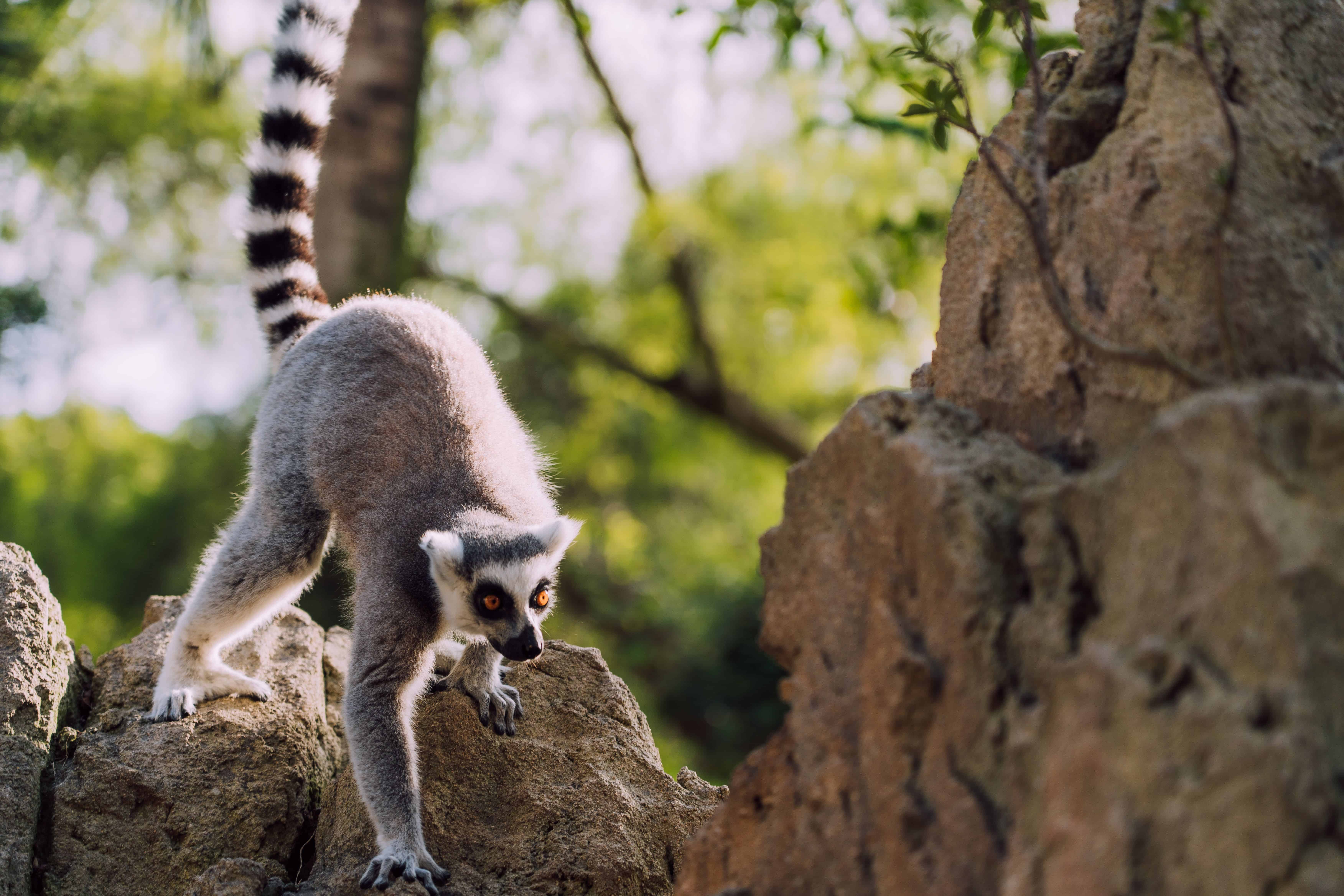
Madagascar is home to 113 lemur species, all endemic to the island. According to IUCN Red List data, lemurs are among the world’s most endangered mammals, making responsible tourism crucial for their survival.
Where to See Lemurs
- Andasibe-Mantadia National Park: Indri, diademed sifaka, and brown lemurs
- Ranomafana National Park: Golden bamboo lemur and greater bamboo lemur
- Ankarafantsika National Park: Coquerel’s sifaka and mongoose lemurs
- Berenty Reserve: Ring-tailed lemurs and dancing sifakas
Other Wildlife Highlights
Beyond lemurs, Madagascar hosts incredible biodiversity including chameleons (half the world’s species), over 300 bird species, fossas (cat-like predators), and unique reptiles like the leaf-tailed gecko.
The tsingy formations in Tsingy de Bemaraha National Park create a limestone forest where wildlife has adapted to razor-sharp rock pinnacles. This UNESCO site offers challenging but rewarding hiking and climbing experiences.
Beaches and Water Activities
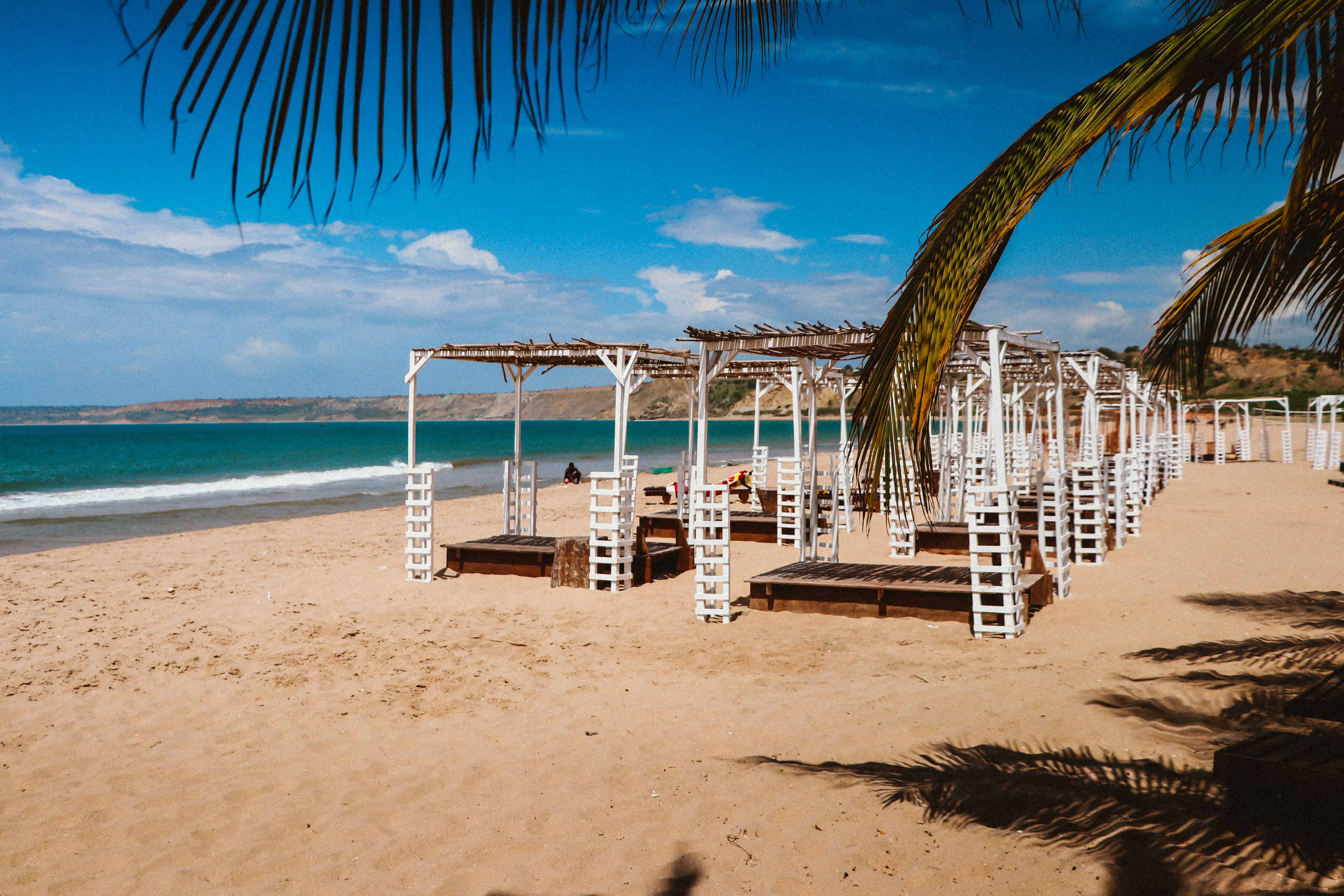
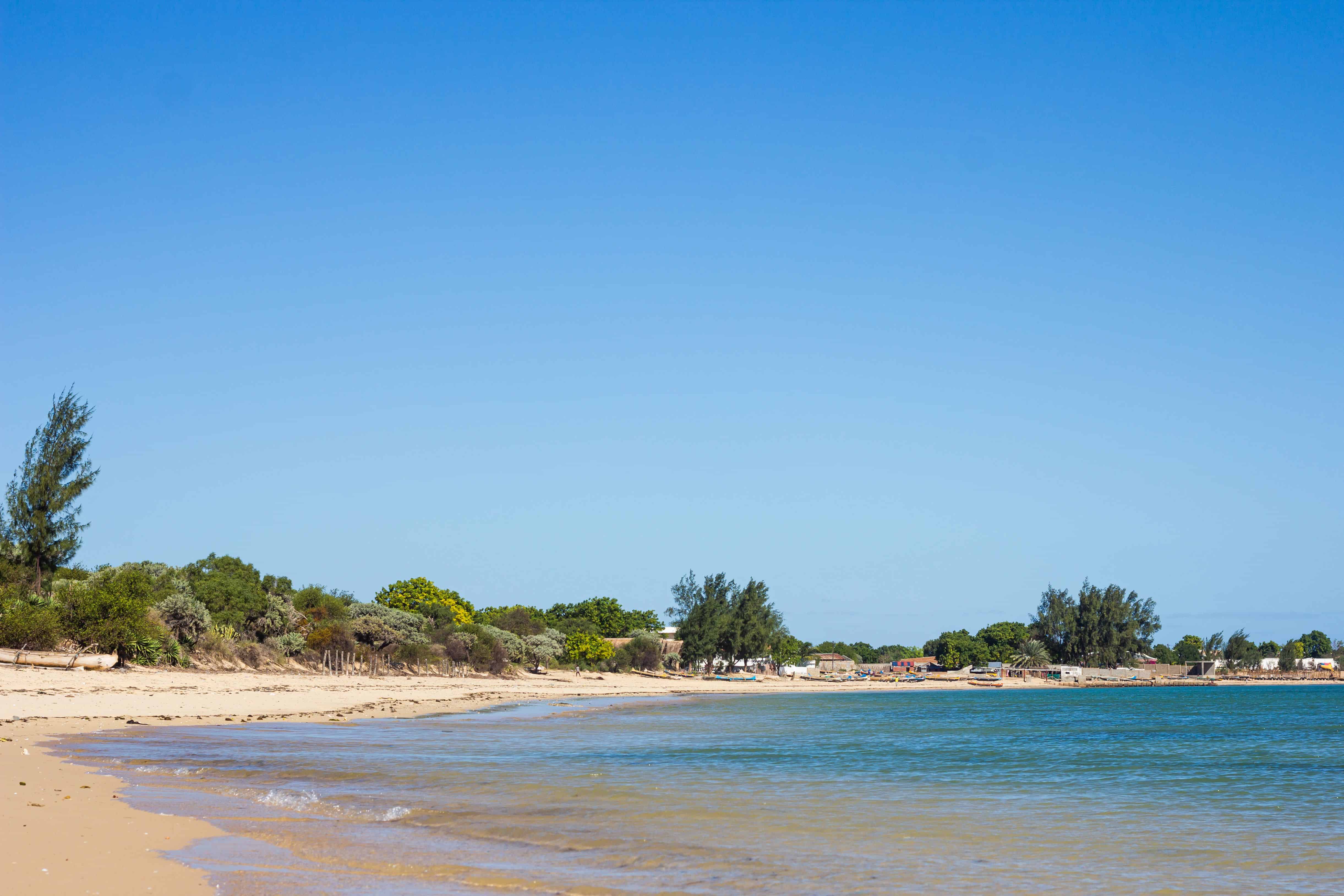
Madagascar’s 4,800-kilometer coastline rivals any tropical destination. The beaches range from remote, undeveloped stretches to resort areas with full amenities.
Top Beach Destinations
Nosy Be: The main beach hub with diving, sailing, and island-hopping opportunities. Nearby islands include Nosy Komba, Nosy Tanikely, and Nosy Iranja.
Île Sainte-Marie: A quieter alternative on the east coast, famous for humpback whale watching from July to September. The island offers excellent snorkeling and a more laid-back atmosphere.
Anakao: A fishing village near Tuléar with pristine beaches and opportunities for kitesurfing, diving, and traditional pirogue sailing.
Diving enthusiasts will find Madagascar’s waters less explored than destinations like the Red Sea in Egypt, offering unique marine biodiversity including whale sharks, manta rays, and endemic fish species.
Practical Travel Tips for Madagascar
Infrastructure in Madagascar presents challenges that require flexibility and patience. Roads can be extremely poor, making travel slower than distances might suggest.
Transportation
Internal flights with Air Madagascar or Tsaradia connect major cities and tourist hubs. For overland travel, hire a private 4×4 with driver, as public transport is unreliable and uncomfortable for long distances.
Common misconception: Many travelers underestimate journey times. What appears as 300km on a map can take 12+ hours due to road conditions. Always build buffer days into your itinerary.
Accommodation
Options range from basic guesthouses to luxury eco-lodges. Book accommodations in advance, especially during peak season (July-September). Outside main tourist areas, facilities are basic but clean.
Money and Costs
Madagascar remains relatively affordable compared to other island destinations. ATMs exist in major cities but often run out of cash. Carry euros or US dollars as backup, exchangeable at banks and official bureaux de change.
Daily budget estimates: Budget travelers: $30-50 | Mid-range: $75-150 | Luxury: $200+
Communication
Purchase a local SIM card from providers like Telma or Orange for data and calls. Coverage is good in cities but spotty in remote areas and national parks.
Health and Safety Information
Malaria is endemic throughout Madagascar except in Antananarivo and highland areas. Consult a travel health clinic 6-8 weeks before departure for antimalarial medication and required vaccinations.
Recommended Vaccinations
- Hepatitis A and B
- Typhoid
- Yellow fever (certificate required if arriving from endemic countries)
- Routine vaccinations (tetanus, measles, etc.)
Drink only bottled or purified water and avoid raw foods. According to CDC travel health guidelines, foodborne and waterborne illnesses are common risks for travelers.
Safety Considerations
Madagascar is generally safe for tourists, though petty theft occurs in cities. Avoid walking alone at night in Antananarivo and keep valuables secure. Political demonstrations occasionally occur—stay informed through your embassy.
For broader safety context in African destinations, our article on Morocco safety for tourists provides comparative perspectives on travel security.
Essential Madagascar Travel Guide Tips
Planning your Madagascar adventure requires consideration of unique factors that distinguish it from typical African safaris or beach holidays.
What to Pack
- Lightweight, long-sleeved clothing for mosquito protection
- Sturdy hiking boots for national park trails
- Rain jacket regardless of season
- High-SPF sunscreen and insect repellent with DEET
- Headlamp or flashlight (power outages are common)
- First-aid kit with diarrhea medication
Cultural Considerations
Malagasy culture includes numerous “fady” (taboos) that vary by region. Always ask permission before photographing people, and respect sacred sites. Tipping is appreciated but not mandatory—10% is generous in restaurants.
Learning basic French phrases helps tremendously, as English is rarely spoken outside tourist hotels. Malagasy greetings like “Salama” (hello) are warmly appreciated.
Sample Itineraries
10-Day Wildlife Focus: Antananarivo (1 day) → Andasibe-Mantadia (2 days) → Antsirabe (1 day) → Ranomafana (2 days) → Isalo (2 days) → Return to Antananarivo (2 days)
14-Day Beach and Wildlife: Add Nosy Be (4 days) to the above itinerary for relaxation and water activities.
Our destinations guide offers additional inspiration for combining Madagascar with other African countries for an extended adventure.
Frequently Asked Questions
How many days do you need in Madagascar?
A minimum of 10-14 days allows you to experience Madagascar’s highlights including wildlife parks, cultural sites, and beaches. Two to three weeks is ideal for covering multiple regions without rushing, considering the slow travel times between destinations.
Is Madagascar expensive to visit?
Madagascar is moderately priced compared to other island destinations. Accommodation and food are affordable, but tours, park fees, and internal flights add up. Budget $75-100 per day for mid-range travel including guides, which are often mandatory in national parks.
Do I need a guide in Madagascar?
Yes, guides are mandatory in all national parks and highly recommended elsewhere. Local guides provide essential wildlife spotting expertise, navigate unmarked trails, and support community-based tourism. Their knowledge significantly enhances the experience and ensures your safety.
What language is spoken in Madagascar?
Malagasy is the national language, but French is widely spoken, especially in cities and tourist areas. English is understood in upscale hotels and by some tour guides, but don’t rely on it outside major tourist zones. Basic French phrases are extremely helpful.
Can I combine Madagascar with other African destinations?
Yes, though Madagascar requires significant time investment due to its size and travel pace. Popular combinations include South Africa (direct flights available) or Mauritius for beach extensions. Some travelers combine it with East African safaris in Kenya or Tanzania, though this requires additional flights.
What’s the best way to see lemurs in the wild?
Visit Andasibe-Mantadia National Park for guaranteed lemur sightings, including the iconic Indri. For diverse species, combine multiple parks like Ranomafana and Isalo. Early morning walks with experienced guides offer the best chances, as lemurs are most active after dawn.
Conclusion: Your Madagascar Adventure Awaits
Madagascar offers one of the world’s most unique travel experiences, combining extraordinary wildlife, stunning landscapes, and rich cultural heritage. This Madagascar travel guide provides the foundation for planning an unforgettable journey to this remarkable island nation.
From tracking lemurs through misty rainforests to relaxing on pristine beaches, Madagascar rewards adventurous travelers willing to embrace its challenges and wonders. Start planning your expedition by exploring Africaning’s comprehensive resources on African travel destinations.
With proper preparation, realistic expectations about infrastructure, and respect for the environment and local customs, your Madagascar adventure will create memories lasting a lifetime. The island’s biodiversity crisis makes visiting now more important than ever—your tourism dollars directly support conservation efforts protecting this evolutionary treasure.
Ready to start planning? Begin your journey here or contact our Africa travel experts for personalized itinerary assistance tailored to your interests and timeline.