
Things to Do in Tunis: Ultimate 2026 Travel Guide & Tips
Planning your visit to Tunisia’s captivating capital? The things to do in Tunis are as diverse as they are fascinating, blending ancient history with modern Mediterranean charm. From exploring UNESCO World Heritage sites to wandering through bustling souks, Tunis offers travelers an authentic North African experience that rivals any destination in the region.
As of 2026, Tunis welcomes over 2.5 million international visitors annually, according to Tunisia’s tourism statistics. This comprehensive guide will help you discover the best attractions, cultural experiences, and hidden gems that make Tunisia’s capital unforgettable.
Quick Answer: Best Things to Do in Tunis
Top activities include: Exploring the ancient Medina (UNESCO site), visiting Carthage ruins, touring Bardo Museum, strolling through Sidi Bou Said’s blue-and-white streets, shopping in traditional souks, and experiencing authentic Tunisian cuisine. Allow 3-4 days to cover major attractions comfortably.
Explore the Ancient Medina of Tunis
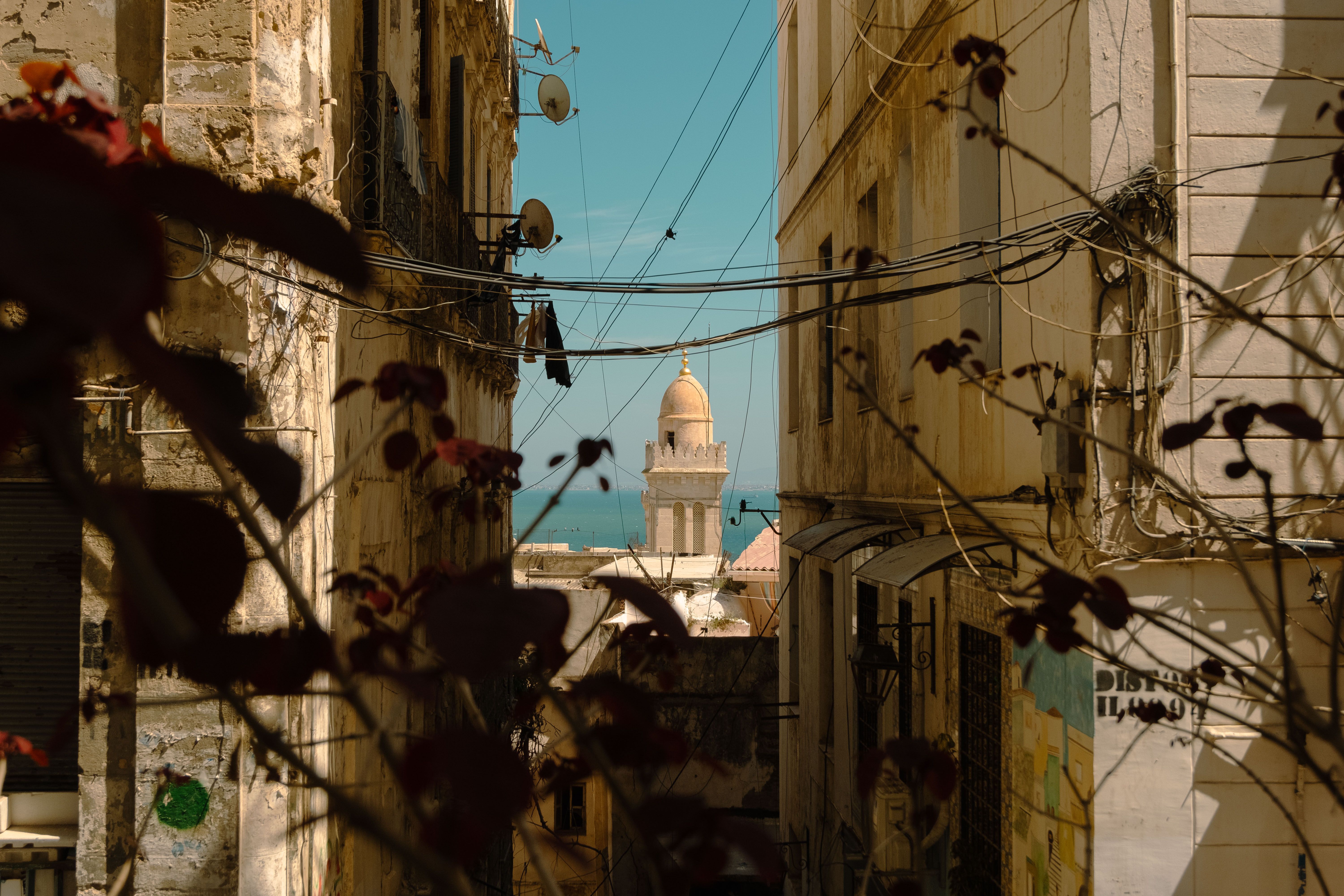
The Medina of Tunis stands as one of the most important things to do in Tunis for any first-time visitor. This UNESCO World Heritage site dates back to the 7th century and contains over 700 monuments including palaces, mosques, and fountains.
Walking through the narrow labyrinthine streets, you’ll discover the stunning Zitouna Mosque, the spiritual heart of the Medina. Built in 732 AD, this architectural masterpiece features 184 columns and welcomes non-Muslim visitors outside prayer times.
Don’t miss the Dar Hussein Palace and Tourbet el Bey, a magnificent mausoleum showcasing intricate Islamic tilework. The Medina’s atmosphere transports you centuries back in time while remaining a living, breathing neighborhood where locals still reside and work.
Discover the Ruins of Ancient Carthage
Located just 15 kilometers from downtown Tunis, the archaeological site of Carthage ranks among the essential things to do in Tunis. This ancient Phoenician city once rivaled Rome in power and wealth before its destruction in 146 BC.
Top Carthage Sites to Visit
- Antonine Baths: Massive Roman bath complex overlooking the Mediterranean Sea
- Byrsa Hill: Ancient acropolis with panoramic views and Carthage Museum
- Roman Amphitheatre: Well-preserved structure that once seated 36,000 spectators
- Tophet: Sacred Phoenician burial ground with mysterious history
- Roman Villas: Luxurious residences featuring stunning mosaic floors
Allow at least half a day to explore these scattered ruins. A combined ticket provides access to all major Carthage sites, making it excellent value for archaeology enthusiasts.
Visit the World-Famous Bardo Museum
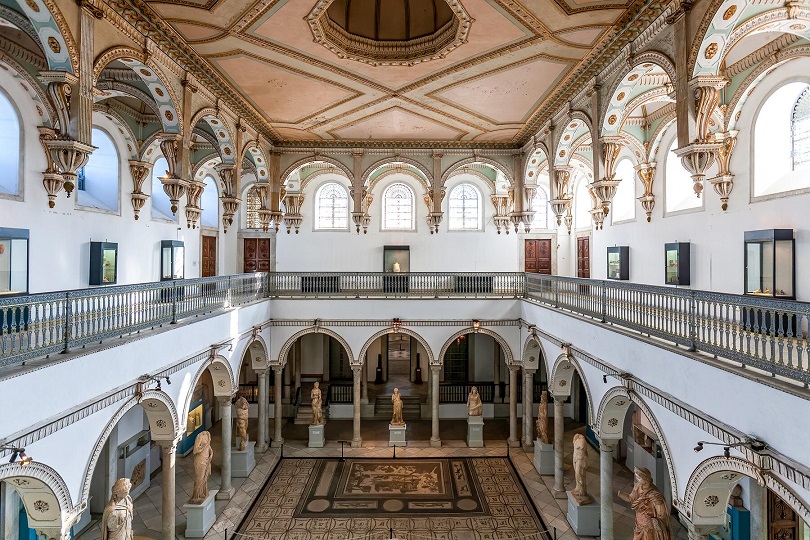
Housing the world’s finest collection of Roman mosaics, the Bardo National Museum represents one of the most rewarding things to do in Tunis. This former 19th-century palace contains treasures spanning Tunisia’s rich history from Carthaginian times through the Islamic period.
The museum’s mosaic collection is unparalleled globally, featuring masterpieces like the famous Virgil mosaic and elaborate scenes depicting Roman life. Each room reveals stunning artistry that survived millennia buried beneath Tunisian soil.
Beyond mosaics, the Bardo displays Punic artifacts, Islamic ceramics, and jewelry collections. The building itself, with ornate ceilings and marble columns, creates an impressive backdrop for these ancient treasures. Budget 2-3 hours for a thorough visit.
Things to Do in Tunis
Wander Through Sidi Bou Said
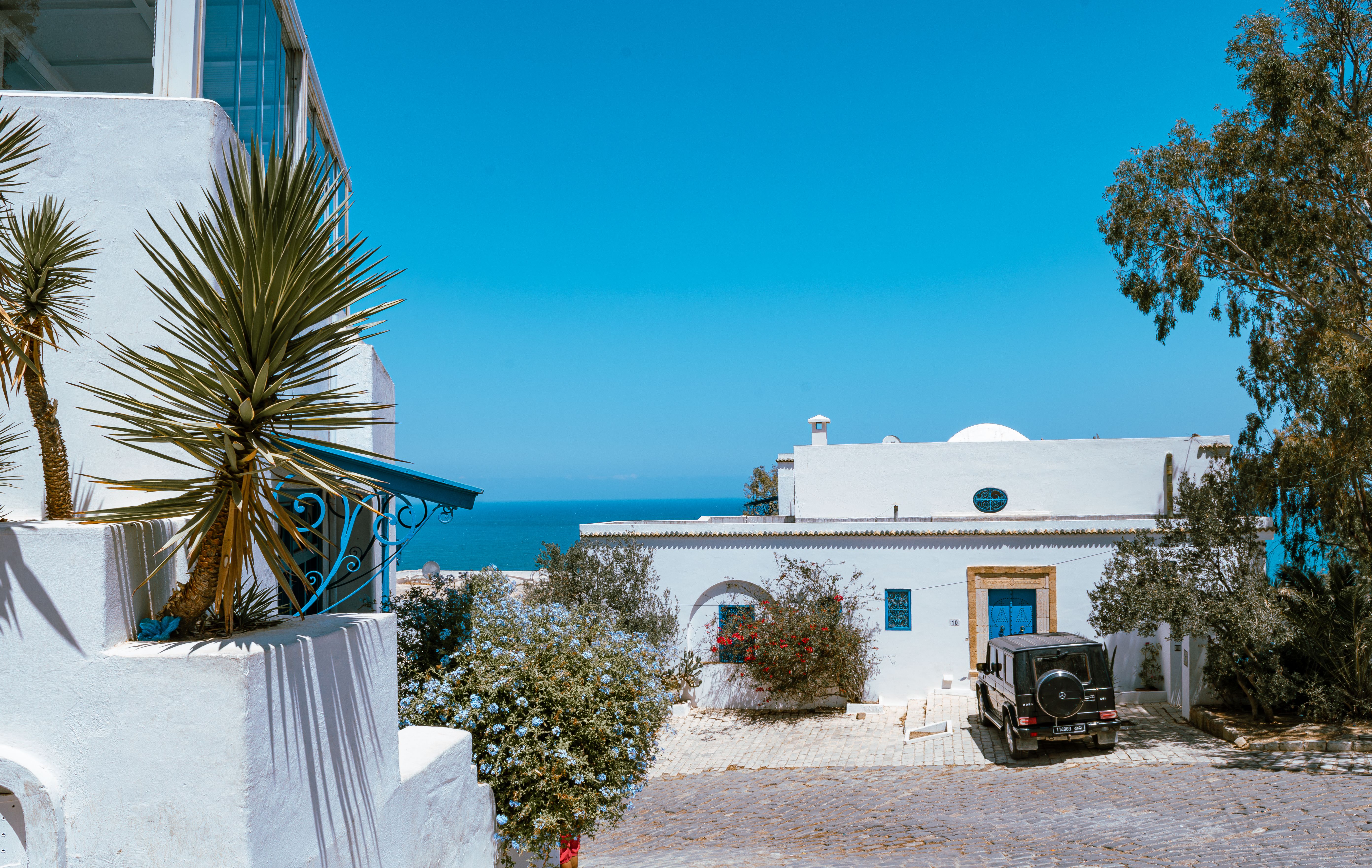
The picturesque clifftop village of Sidi Bou Said offers one of the most photogenic things to do in Tunis. Famous for its distinctive blue-and-white architecture, this artists’ haven perches above the Mediterranean just 20 kilometers northeast of Tunis.
Stroll cobbled streets lined with bright blue doors and window shutters contrasting against whitewashed walls. Stop at Café des Délices, where you can sip mint tea while enjoying breathtaking sea views that inspired countless artists including Paul Klee.
The village takes its name from a 13th-century Sufi saint buried here. Browse art galleries, purchase traditional birdcage designs, and explore the Palace Dar el-Annabi, showcasing traditional Tunisian domestic life and architecture.
Shop in Traditional Tunisian Souks
No list of things to do in Tunis would be complete without experiencing the vibrant souks within the Medina. These traditional markets specialize in different crafts, creating dedicated areas for perfumes, textiles, jewelry, and spices.
The Souk el-Attarine (Perfume Market) delights with aromatic essential oils and traditional scents. The Souk des Chéchias specializes in Tunisia’s iconic red felt hats, crafted using techniques unchanged for centuries.
For textiles and carpets, explore the Souk el-Berka, while jewelry enthusiasts should head to the gold and silver souk. Bargaining is expected and part of the cultural experience—aim for roughly 60-70% of the initial asking price as your starting offer.
Experience Authentic Tunisian Cuisine
Sampling local food ranks among the most delicious things to do in Tunis. Tunisian cuisine blends Mediterranean, Arab, and Berber influences into distinctive flavors dominated by harissa, olive oil, and aromatic spices.
Must-Try Tunisian Dishes
- Couscous: National dish served Fridays, traditionally with lamb and vegetables
- Brik: Crispy pastry filled with egg, tuna, and capers
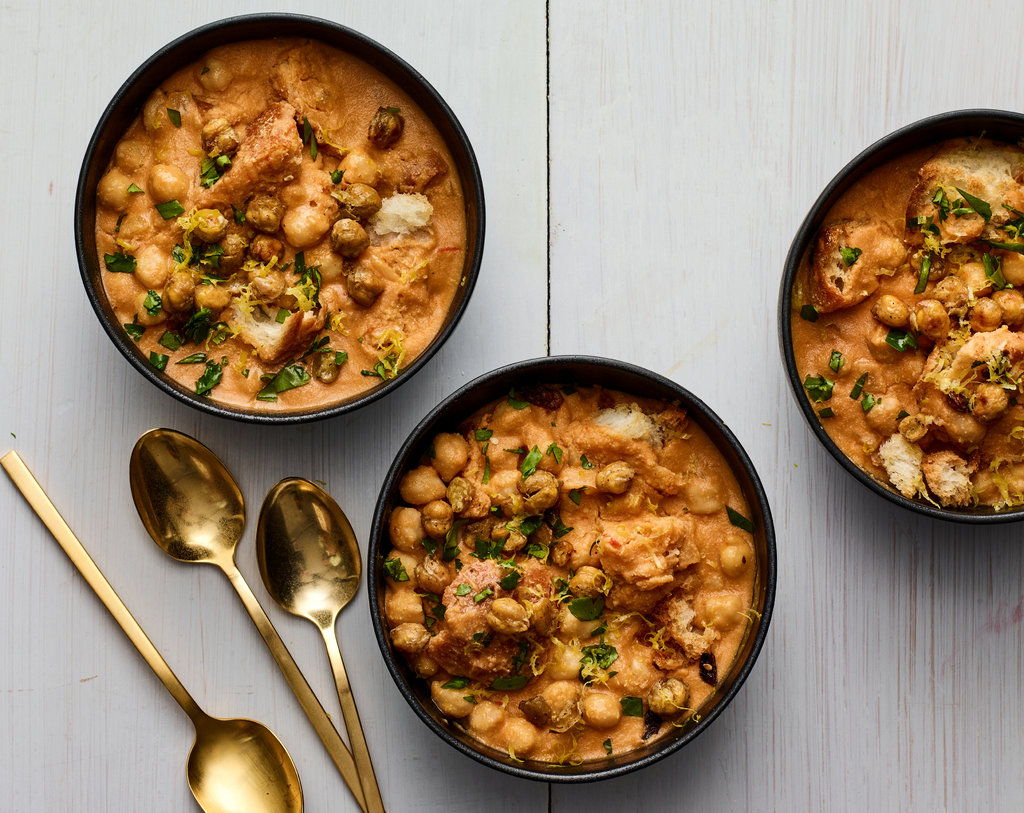
- Lablabi: Hearty chickpea soup breakfast staple
- Mechouia: Grilled vegetable salad with tuna and boiled eggs
- Makroudh: Semolina pastry filled with dates and honey
Visit Dar El Jeld restaurant in the Medina for upscale traditional dining, or try local eateries along Rue Jam’a Zitouna for authentic street food experiences. Don’t leave without sampling mint tea and Tunisian coffee flavored with orange blossom water.
Explore Modern Tunis
Beyond ancient sites, contemporary Tunis offers fascinating contrasts. Avenue Habib Bourguiba, the city’s main boulevard, resembles Paris’s Champs-Élysées with its tree-lined sidewalks, cafés, and colonial architecture.
The Cathedral of St. Vincent de Paul showcases French colonial influence, while the nearby Municipal Theatre hosts cultural performances. For a unique experience, visit during the Carthage Film Festival, Africa’s oldest cinema event held biennially.
La Marsa and Gammarth beaches north of the city provide Mediterranean relaxation. These modern neighborhoods feature seafood restaurants, beach clubs, and stunning sunset views—perfect for unwinding after sightseeing.
Best Day Trips from Tunis
Several excellent destinations make memorable additions to your things to do in Tunis itinerary. The ancient Roman city of Dougga, another UNESCO World Heritage site, lies 110 kilometers southwest and features remarkably preserved temples, theaters, and houses.
The coastal town of Hammamet, 65 kilometers south, offers beautiful beaches and a charming medina. The mountain village of Zaghouan showcases Roman water temple ruins and traditional Tunisian mountain architecture.
For travelers interested in exploring more African destinations, Tunisia shares cultural connections with neighboring countries while maintaining its unique identity.
Practical Travel Tips
Common Misconception Corrected: Many travelers worry about safety in Tunis, but the city is generally safe for tourists in 2026. Standard precautions apply—avoid displaying expensive items and stay alert in crowded areas, but violent crime against tourists remains rare.
The best months for visiting Tunis are April-May and September-October, offering pleasant temperatures without summer crowds. Similar to Morocco’s ideal travel seasons, spring and autumn provide comfortable weather for sightseeing.
Most nationalities receive visa-free entry for stays up to 90 days, making Tunis more accessible than many African destinations. The Tunis-Carthage International Airport connects to major European and Middle Eastern cities, with budget airlines offering competitive fares.
Public transportation includes an efficient metro system, TGM suburban train to Carthage and Sidi Bou Said, and affordable taxis. Always insist on the meter or agree on prices beforehand. Learning basic French or Arabic phrases enhances interactions with locals.
Frequently Asked Questions
How many days do you need in Tunis?
Ideally, spend 3-4 days in Tunis to cover major attractions comfortably. This allows one day for the Medina and Bardo Museum, one day for Carthage and Sidi Bou Said, one day for modern Tunis exploration, and an optional day trip to Dougga or coastal areas.
What is the best time of year to visit Tunis?
April through May and September through October offer ideal conditions with temperatures between 20-28°C (68-82°F). Summer (June-August) can be extremely hot with temperatures exceeding 35°C (95°F), while winter is mild but occasionally rainy.
Is Tunis expensive for tourists?
Tunis is remarkably affordable compared to European destinations. Budget travelers can manage on $30-40 daily, mid-range tourists spend $60-100, while luxury travelers might budget $150+. Meals, transportation, and entrance fees cost significantly less than Western Europe.
Can you drink alcohol in Tunis?
Yes, alcohol is legal and available in Tunis at hotels, restaurants, bars, and liquor stores, despite Tunisia being a Muslim-majority country. Local Celtia beer and Tunisian wines are popular. However, drinking in public spaces outside designated areas is discouraged.
Do I need a guide to visit Carthage ruins?
A guide isn’t mandatory but highly recommended for Carthage. The ruins are scattered across several sites with limited English signage. Licensed guides provide historical context and fascinating stories that greatly enrich the experience. Expect to pay 40-60 TND for a half-day guided tour.
What should women wear in Tunis?
Tunis is relatively liberal compared to other Arab countries. Women can wear normal Western clothing, though modest attire (covering shoulders and knees) is respectful in the Medina and religious sites. Coastal areas and modern neighborhoods are more relaxed. Headscarves aren’t required for non-Muslim visitors.
Conclusion
From ancient Carthaginian ruins to vibrant souks and Mediterranean coastal charm, the things to do in Tunis offer travelers an unforgettable journey through millennia of history and culture. This North African capital seamlessly blends archaeological wonders with contemporary life, creating experiences that satisfy history buffs, food enthusiasts, and adventure seekers alike.
Whether exploring UNESCO World Heritage sites, bargaining in traditional markets, or savoring authentic Tunisian cuisine, Tunis rewards curious travelers with authentic experiences and warm hospitality. Start planning your Tunisian adventure today, and discover why this Mediterranean gem deserves a prominent place on your travel bucket list.
For more inspiration on exploring Africa’s diverse destinations, visit Africaning to discover comprehensive travel guides and expert tips for your next African journey.