An Etosha National Park safari offers one of Africa’s most unique wildlife experiences, where vast salt pans meet diverse ecosystems teeming with iconic animals. Located in northern Namibia, this 22,270-square-kilometer reserve draws wildlife enthusiasts from around the globe seeking exceptional game viewing opportunities in a pristine wilderness setting.
Whether you’re planning your first African safari or you’re a seasoned traveler, Etosha’s distinctive landscape and abundant wildlife promise unforgettable encounters. This comprehensive guide will help you plan the perfect Etosha National Park safari adventure.
Understanding Etosha National Park
Etosha National Park centers around the vast Etosha Pan, a 4,800-square-kilometer salt flat that shimmers white under the African sun. This ancient lakebed, visible even from space, dominates the landscape and creates a stark, beautiful backdrop for wildlife photography.
Established as a protected game reserve in 1907, Etosha has evolved into one of Africa’s most accessible and rewarding safari destinations. The park’s name means “Great White Place” in the Oshindonga language, perfectly describing the pan’s appearance during the dry season.
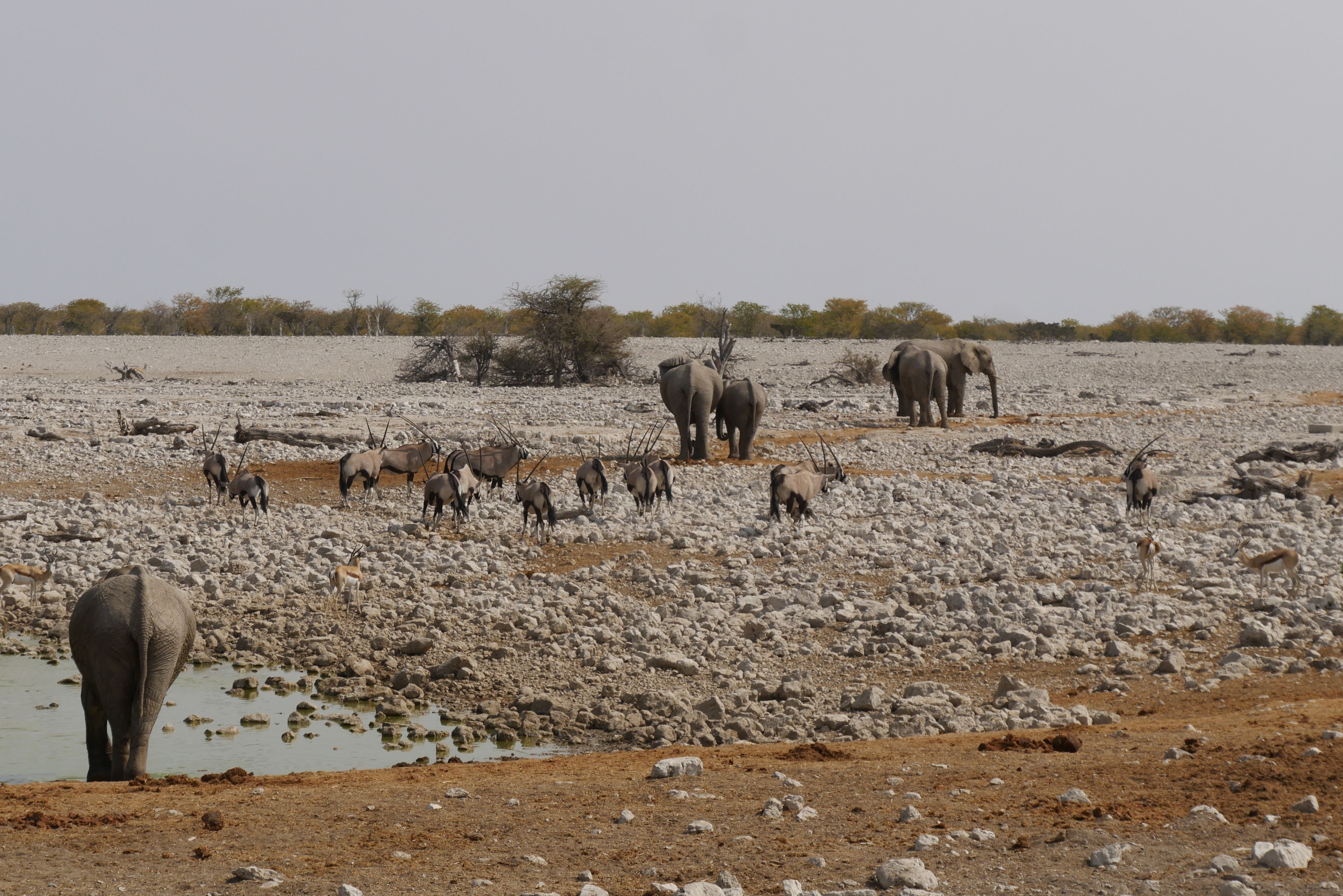
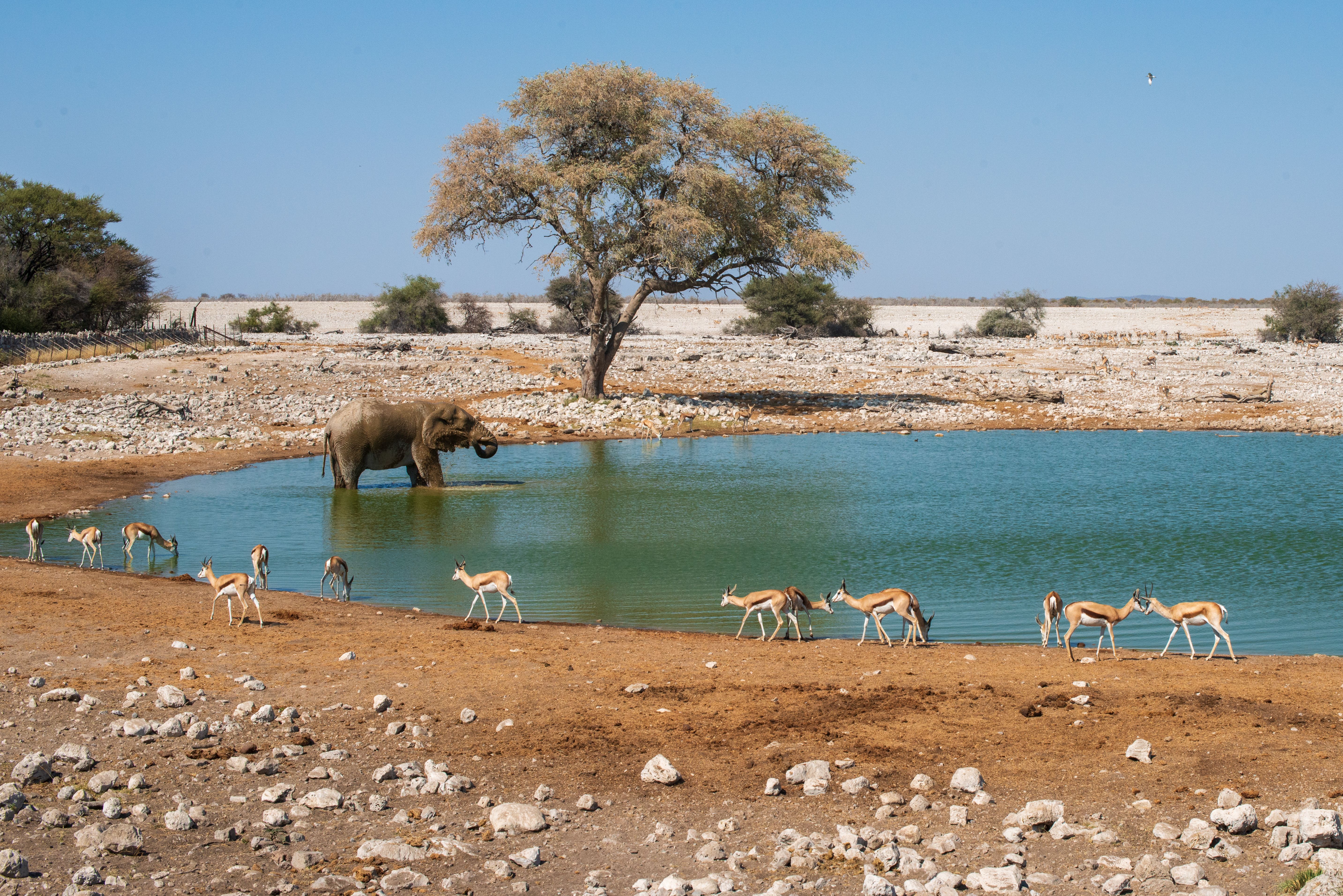
The park features diverse habitats including grasslands, woodland savannas, and numerous natural and artificial waterholes that attract abundant wildlife year-round. These waterholes make Etosha particularly unique—you can often observe multiple species simultaneously from a single vantage point.
Wildlife Viewing Opportunities
An Etosha National Park safari delivers exceptional wildlife encounters, with animals congregating around waterholes creating spectacular viewing opportunities. The park’s relatively open terrain enhances visibility compared to denser African bush environments.
The Big Five and Beyond
Etosha hosts four of Africa’s Big Five—lion, leopard, elephant, and rhinoceros (both black and white species). Buffalo are notably absent. However, the park compensates with excellent opportunities to spot rare and endangered species like the black-faced impala and black rhino.
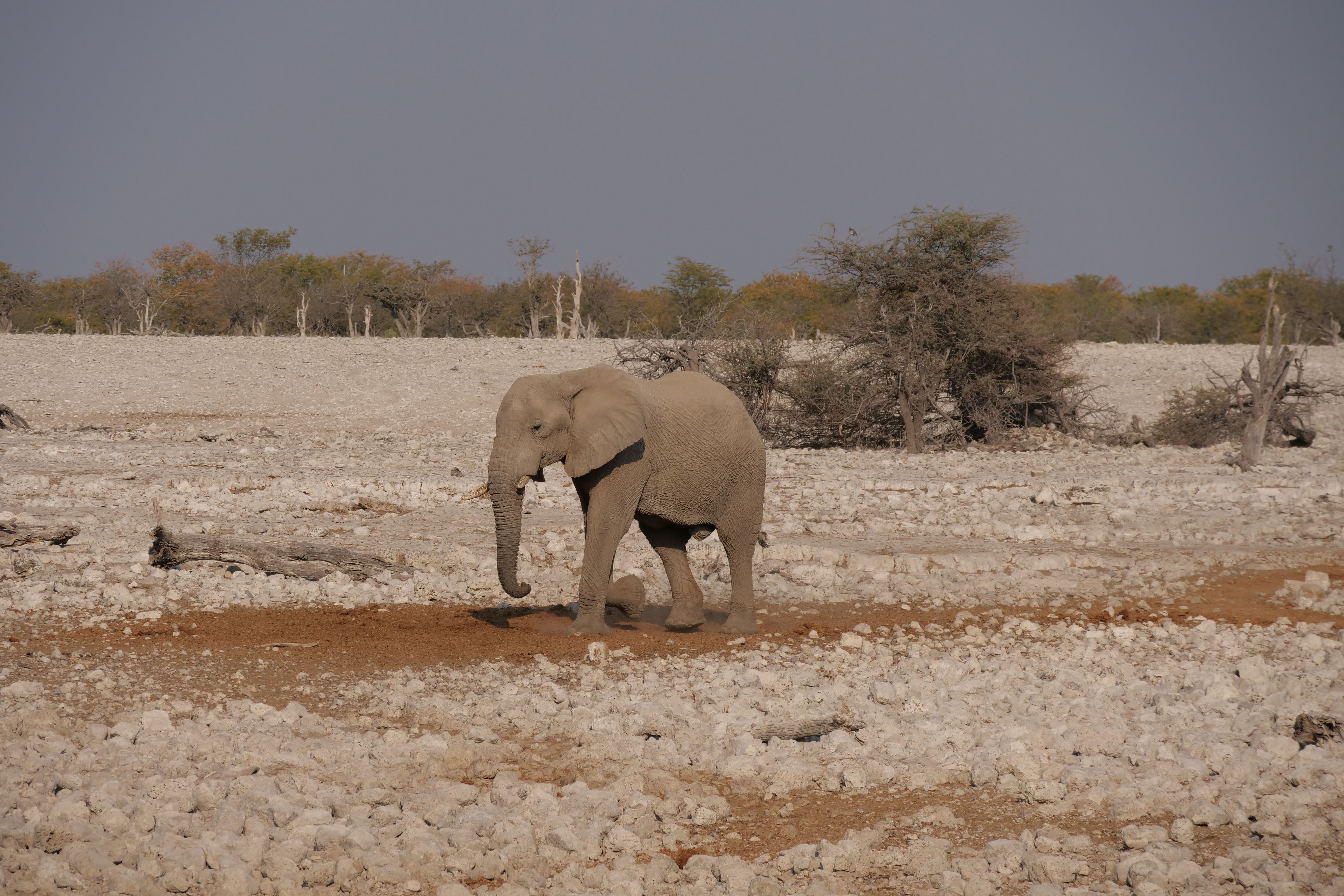
During peak season, visitors regularly observe large elephant herds, lion prides, and healthy populations of plains game including springbok, zebra, giraffe, and wildebeest. Cheetah sightings are common in the eastern regions, while leopards, though more elusive, frequent the western areas.
Strategic Waterhole Watching
Waterhole viewing defines the Etosha safari experience. Key waterholes like Okaukuejo, Halali, and Salvadora attract continuous wildlife activity, particularly during afternoon and evening hours. Many visitors enjoy observing animals from illuminated waterholes after dark—a unique feature offered at rest camps.
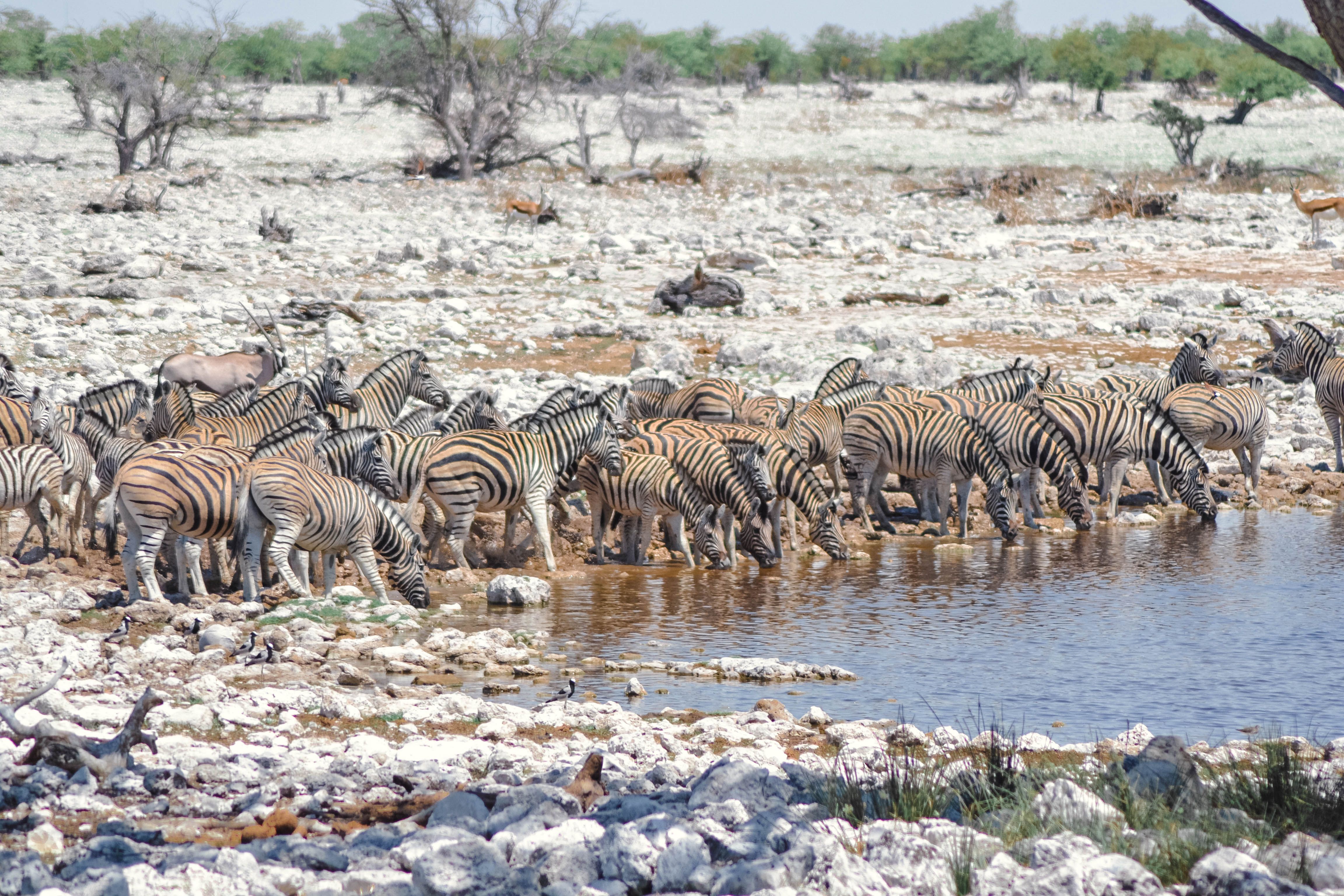
The dry season (May to October) concentrates wildlife around permanent water sources, making game viewing exceptionally productive during these months.
Best Time to Visit Etosha
Timing significantly impacts your Etosha National Park safari experience. As of 2026, understanding seasonal variations helps optimize your wildlife viewing and overall enjoyment.
Dry Season (May to October)
The dry season represents peak safari season in Etosha. Sparse vegetation improves visibility, and wildlife concentrates around waterholes as natural water sources diminish. June through September offer the most reliable game viewing, with July and August being particularly busy with international visitors.
Temperatures range from cool mornings (around 6°C/43°F) to warm afternoons (25°C/77°F). Pack layers for early morning game drives, as temperatures can drop significantly before sunrise.
Wet Season (November to April)
The green season transforms Etosha into a lush paradise, with migratory birds arriving and many animals giving birth. While wildlife disperses across the park with abundant water available, the landscape becomes photographically stunning. This period offers lower accommodation rates and fewer crowds.
However, some roads may become temporarily impassable after heavy rains, and animals are harder to locate without waterhole concentration. Bird enthusiasts particularly favor this season.
Safari Options and Activities
Etosha offers various safari experiences to suit different preferences and budgets, from self-drive adventures to guided expeditions.
Self-Drive Safaris
Self-drive safaris remain the most popular option for exploring Etosha National Park. Well-maintained gravel roads connect all major waterholes and rest camps, making navigation straightforward even for first-time visitors. This budget-friendly option provides flexibility to spend as much time as desired at productive viewing spots.
Standard 2WD vehicles suffice for most roads during the dry season, though 4×4 vehicles provide additional comfort and wet-season access. Speed limits (60 km/h on gravel, 40 km/h near waterholes) are strictly enforced to protect wildlife and visitors.
Guided Safari Tours
For those seeking expert interpretation and convenience, guided safari tours enhance the Etosha experience. Professional guides possess intimate knowledge of animal behavior, best viewing locations, and park ecology. Many visitors combine self-drive exploration with guided night drives offered by rest camps—these nocturnal excursions reveal animals rarely seen during daylight hours.
Day visitors can join guided tours departing from nearby lodges, while multi-day safaris often combine Etosha with other Namibian destinations for comprehensive experiences.
Accommodation Choices
Etosha National Park safari accommodation ranges from basic camping to luxury lodges, with options both inside and outside park boundaries.
NWR Rest Camps
Three main rest camps operated by Namibia Wildlife Resorts sit within the park: Okaukuejo (western), Halali (central), and Namutoni (eastern). Each features restaurants, swimming pools, shops, and various accommodation types from camping to chalets. Their illuminated waterholes provide exceptional after-dark wildlife viewing—a major advantage of staying inside the park.
Bookings should be made well in advance, especially for the dry season peak period. Dolomite Camp in the western sector offers a more exclusive, upscale experience with only basic facilities.
Private Lodges
Numerous private lodges line Etosha’s boundaries, particularly near the southern gates. These properties offer luxury amenities, guided game drives into the park, and additional activities. While they lack the 24-hour park access of rest camps, they compensate with superior comfort and personalized service.
Consider your priorities: rest camps provide authentic bush experiences and continuous wildlife access, while private lodges deliver comfort and comprehensive service.
Essential Planning Tips
Proper planning ensures a successful Etosha National Park safari adventure. These practical tips help maximize your experience.
Entry Requirements and Fees
International visitors to Namibia should verify visa requirements based on nationality. Many Western countries enjoy visa-free entry for tourism purposes. Park entry fees (approximately NAD 150 per person per day as of 2026) are payable at entrance gates—arrive with cash in Namibian dollars or South African rand.
For comprehensive information about traveling in Africa, visit Africaning to explore detailed destination guides.
What to Pack
- Binoculars: Essential for distant wildlife observation and bird watching
- Camera equipment: Telephoto lens (300mm+) for wildlife photography
- Sun protection: High-SPF sunscreen, hat, and sunglasses
- Layered clothing: Cool mornings require warm layers; afternoons can be hot
- Supplies: Snacks, water, and fuel—facilities are limited between rest camps
- Field guides: Wildlife and bird identification books enhance the experience
Safari Etiquette
Respect park rules to ensure wildlife safety and preserve the ecosystem. Never leave your vehicle except at designated areas, maintain safe distances from animals, and keep noise levels low. Feeding wildlife is strictly prohibited and dangerous.
The park closes at sunset (timing varies seasonally), and all visitors must be inside rest camps or exit the park before gate closure. Plan your game drives accordingly, allowing sufficient time to reach your accommodation.
Common Misconceptions
Many first-time visitors to Etosha National Park safari destinations harbor misconceptions that can affect their planning and expectations.
Misconception: You Need a 4×4 Vehicle
Contrary to popular belief, you don’t need a 4×4 vehicle for most Etosha exploration. During the dry season, standard 2WD sedans with adequate ground clearance handle the main roads perfectly well. Only a few peripheral roads require 4×4 capability, and these remain closed during wet conditions regardless of vehicle type.
High clearance helps navigate rougher sections comfortably, but the park’s primary tourist routes are well-maintained gravel roads suitable for regular vehicles.
Understanding Realistic Expectations
While Etosha offers excellent wildlife viewing, remember that animals roam freely across vast territories. Some days produce extraordinary sightings; others require patience. Unlike zoo environments, wildlife behaves naturally—predator hunts, though hoped for, are relatively rare observations.
Setting realistic expectations prevents disappointment and allows you to appreciate every encounter, from massive elephant herds to small antelope species and colorful birds.
Frequently Asked Questions
How many days should I spend on an Etosha National Park safari?
Most visitors spend 2-4 days exploring Etosha to experience different areas and maximize wildlife sightings. Three days allows comfortable exploration of the park’s eastern and western sections while accommodating varied wildlife activity patterns. First-time visitors or photography enthusiasts often benefit from four days, while travelers on tight schedules can still enjoy meaningful experiences in two days focusing on one or two rest camps.
Is Etosha National Park safe for families with children?
Yes, Etosha is excellent for family safaris when proper precautions are followed. Rest camps provide safe, fenced environments where children can move freely. Self-drive safaris allow families to travel at their own pace with bathroom and snack breaks as needed. Children of all ages can observe wildlife from vehicles safely. However, always supervise children closely, never leave them unattended near unfenced areas, and follow all park safety guidelines to ensure a secure family experience.
What is the best entrance gate to use for Etosha?
Your choice depends on your itinerary and first night’s accommodation. Anderson Gate (south-central) provides easiest access from Windhoek and suits visitors staying at Okaukuejo or Halali camps. Von Lindequist Gate (east) works best for those approaching from Windhoek via Tsumeb or staying at Namutoni. Galton Gate (west) serves visitors exploring Namibia’s northwest regions. Most travelers enter through Anderson Gate due to its central location and proximity to Namibia’s capital.
Can I see wildlife during the rainy season?
Absolutely—wildlife viewing remains excellent during the rainy season (November to April), though it requires more effort and patience. Animals disperse across the park with abundant water available, but you’ll still encounter wildlife throughout your drives. The landscape becomes beautifully green, migratory birds arrive, and baby animals appear. Fewer tourists visit during this period, offering a more exclusive experience. Photography particularly benefits from dramatic storm clouds and lush scenery, though animals may be less concentrated around specific waterholes.
Do I need malaria prophylaxis for Etosha National Park?
Etosha National Park is located in a malaria transmission area, particularly during the rainy season (November through April). The Centers for Disease Control and Prevention recommends malaria prophylaxis for travelers visiting northern Namibia. Consult your healthcare provider several weeks before departure to discuss appropriate antimalarial medications. Additional precautions include using insect repellent, wearing long sleeves and pants during dawn and dusk, and sleeping under mosquito nets if accommodation doesn’t have screened windows or air conditioning.
Are there ATMs and fuel stations inside Etosha?
Fuel stations operate at all three main rest camps (Okaukuejo, Halali, and Namutoni), though they may have limited hours and occasionally run low on supplies during peak season. No ATMs exist within the park, so bring sufficient cash for park fees, fuel, and purchases at camp shops. Credit cards are accepted at rest camp reception areas and restaurants, but cash remains essential for many transactions. Stock up on fuel and cash before entering the park to avoid inconvenience.
Conclusion
An Etosha National Park safari ranks among Africa’s most rewarding wildlife experiences, combining accessibility, abundant game, and stunning landscapes. Whether you choose the concentrated wildlife viewing of the dry season or the lush beauty of the green season, Etosha delivers memorable encounters with Africa’s iconic animals.
With proper planning, realistic expectations, and respect for the natural environment, your safari adventure will exceed expectations. The park’s unique characteristics—from its massive salt pan to its productive waterholes—create a distinctive African experience that differs from traditional bush safaris elsewhere on the continent.
Start planning your Etosha adventure today by researching accommodation options, determining your ideal travel dates, and preparing for an unforgettable journey into one of Africa’s premier wildlife sanctuaries. For more African travel inspiration and planning resources, visit our comprehensive travel guides to explore additional destinations across the continent.