Welcome to the ultimate Sossusvlei travel guide for 2026, your comprehensive resource for exploring one of Africa’s most spectacular desert landscapes. Located in Namibia’s Namib-Naukluft National Park, Sossusvlei captivates visitors with towering red sand dunes, ancient clay pans, and surreal desert vistas that photographers and adventurers dream about.
This Sossusvlei travel guide covers everything from the best time to visit and accommodation options to essential activities and practical travel tips that will transform your desert experience into an unforgettable journey.
What Is Sossusvlei and Why Visit?
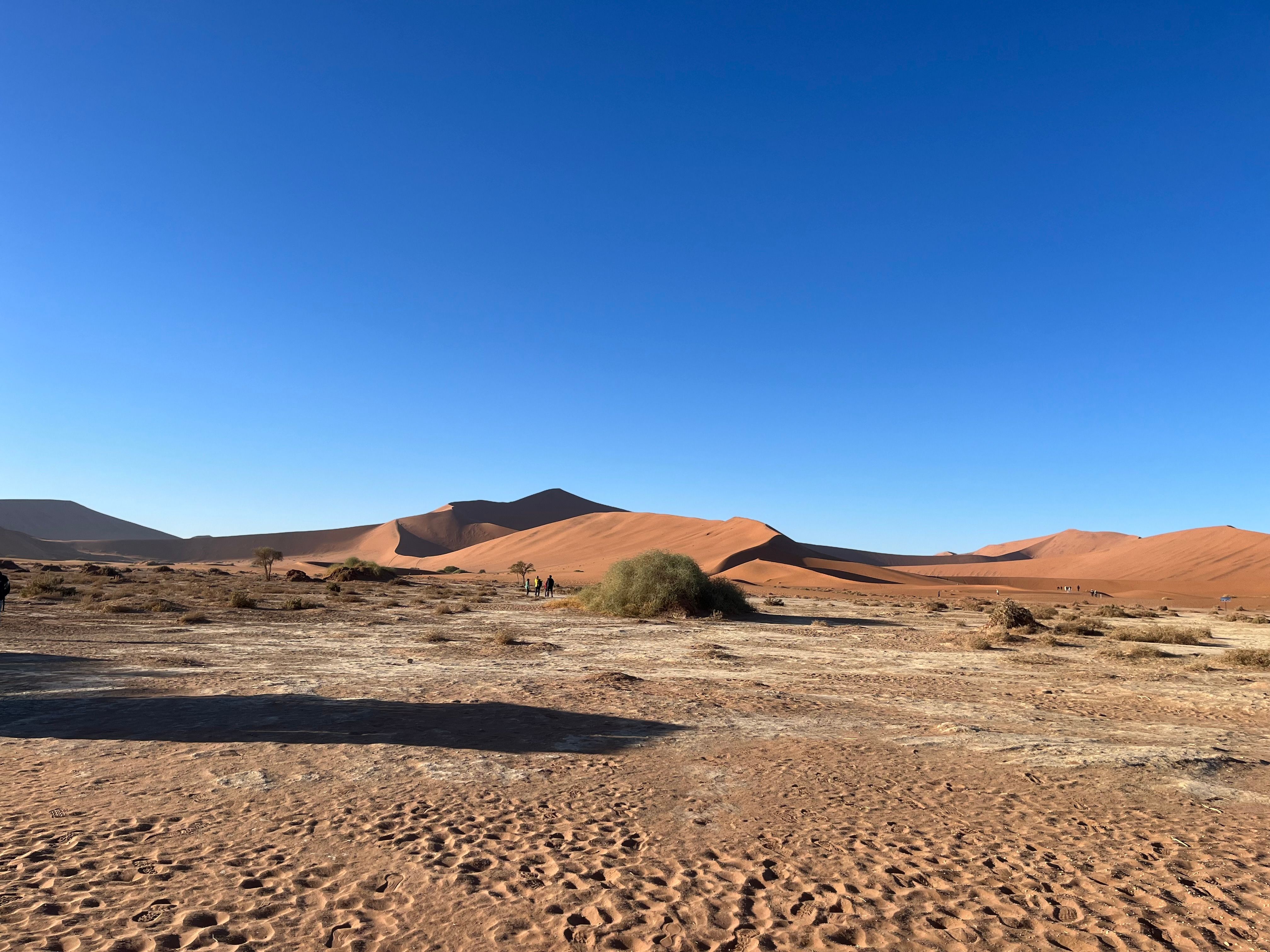
Sossusvlei is a salt and clay pan surrounded by magnificent red sand dunes, some reaching heights of over 300 meters (984 feet), making them among the tallest dunes in the world. The name “Sossusvlei” comes from the Nama language, meaning “dead-end marsh,” referring to the ephemeral Tsauchab River that occasionally flows here during rare rainfall events.
According to UNESCO’s World Heritage listing, the Namib Sand Sea is the only coastal desert in the world with extensive dune fields influenced by fog. This unique ecosystem has evolved over millions of years, creating a landscape of extraordinary beauty and scientific significance.
Visitors are drawn to Sossusvlei for several compelling reasons:
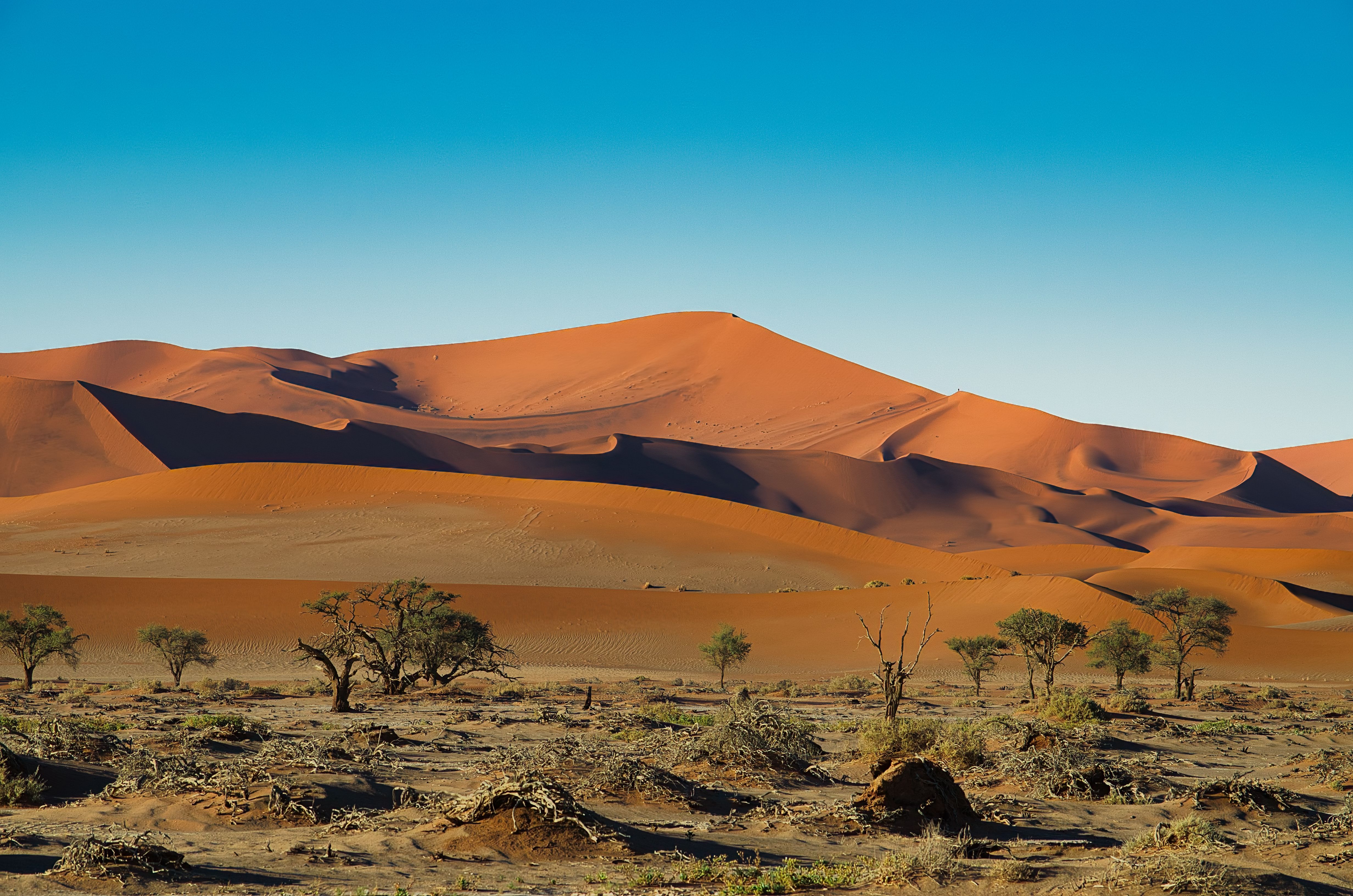
- Iconic photography opportunities: The contrast between rust-red dunes, white clay pans, and bright blue skies creates stunning visual compositions
- World-class hiking: Climbing Dune 45 or Big Daddy offers exhilarating challenges and panoramic desert views
- Unique wildlife: Specially adapted desert species including oryx, springbok, and endemic beetles thrive in this harsh environment
- Astronomical experiences: Some of the darkest night skies on Earth provide exceptional stargazing opportunities
Quick Facts About Sossusvlei
Location: Namib-Naukluft National Park, Namibia
Elevation: Approximately 500 meters above sea level
Distance from Windhoek: 350 km (5-hour drive)
Annual rainfall: Less than 20mm
Best months: April-May and September-October
Best Time to Visit Sossusvlei
Planning when to visit significantly impacts your Sossusvlei experience. As of 2026, peak season runs from May through October when temperatures are more moderate and skies remain clear.
Seasonal Breakdown
Winter (May-August): Daytime temperatures range from 20-25°C (68-77°F) with cold nights dropping to near freezing. This period offers the most comfortable hiking conditions and crystal-clear photography light. However, you’ll encounter larger crowds and higher accommodation prices.
Spring (September-October): Considered ideal by many photographers, spring brings warming temperatures between 25-30°C (77-86°F) with minimal rainfall. Wildlife becomes more active, and tourist numbers decrease slightly compared to peak winter months.
Summer (November-March): Extreme heat often exceeds 40°C (104°F), making midday activities challenging. Occasional summer rains may temporarily fill the pan, creating rare mirror reflections. Accommodation rates drop significantly, and you’ll have the dunes largely to yourself.
For the optimal Sossusvlei travel experience balancing weather, crowds, and costs, plan your visit for April-May or September-October. These shoulder months provide comfortable temperatures and excellent photographic conditions without peak-season crowds.
Getting to Sossusvlei
Most visitors begin their journey from Windhoek, Namibia’s capital city. The drive covers approximately 350 kilometers and takes 4.5-5 hours via the well-maintained C19 and C27 gravel roads.
Transportation Options
Self-drive rental: The most popular option, requiring a sedan for paved sections and potentially a 4×4 for accessing certain lodges on private reserves. Major rental companies operate from Hosea Kutako International Airport near Windhoek.
Guided tours: Numerous operators offer multi-day tours from Windhoek, handling all logistics, accommodations, and expert guiding. This option suits travelers who prefer not to drive on gravel roads or want deeper cultural and ecological insights.
Scenic flights: Charter flights from Windhoek to Sossusvlei airstrip provide dramatic aerial perspectives of the desert landscape and save considerable driving time.
Those exploring other African destinations might find similar planning resources helpful, such as our comprehensive destination guides for trip planning across the continent.
Top Attractions and Activities
This section of our Sossusvlei travel guide highlights the must-see locations and experiences that define a visit to this remarkable landscape.
Dune 45
Located 45 kilometers from Sesriem gate (hence the name), this iconic star dune offers the most accessible sunrise climb. The ascent takes 40-60 minutes depending on fitness levels, with the reward being spectacular 360-degree views across the dune sea as dawn light paints the landscape in shades of gold and crimson.
Big Daddy and Deadvlei
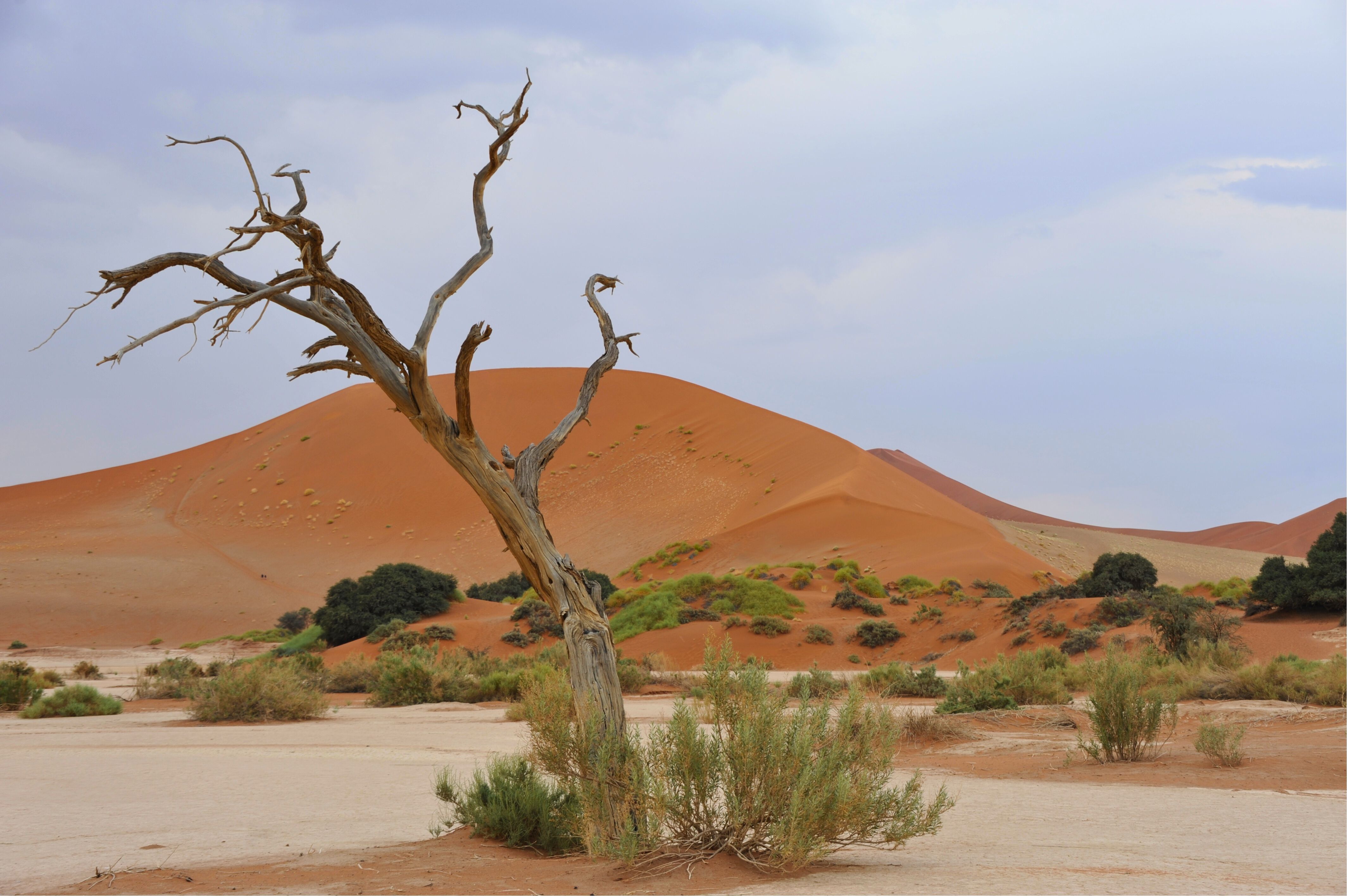
Big Daddy stands as one of the world’s tallest dunes at approximately 325 meters. The challenging 1-2 hour climb culminates in breathtaking views of Deadvlei, a white clay pan dotted with ancient dead camel thorn trees that have stood for nearly 900 years.
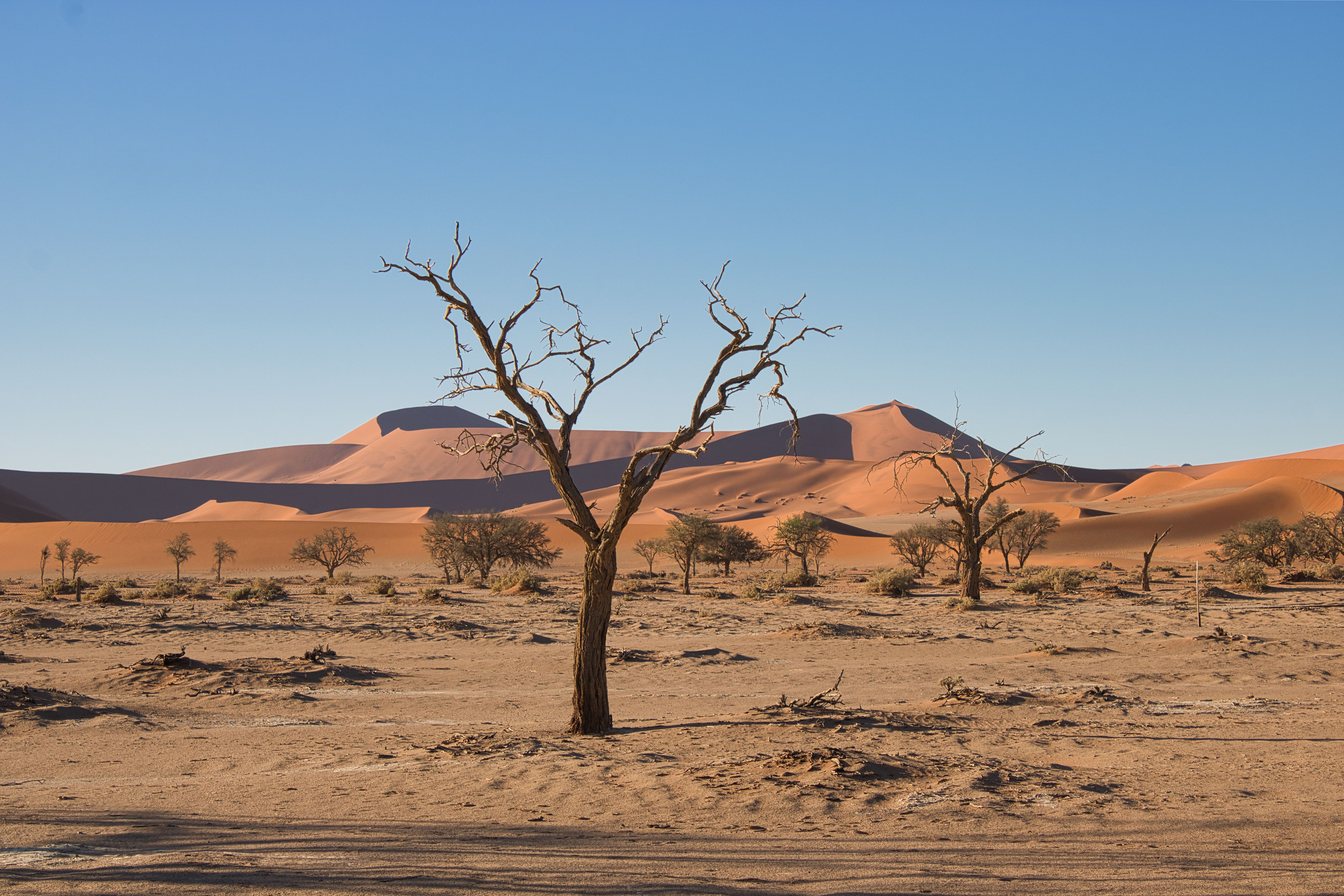
Deadvlei represents Sossusvlei’s most photographed location. The surreal contrast between blackened tree skeletons, white pan floor, red dunes, and blue sky creates compositional opportunities that attract photographers from around the globe.
Sesriem Canyon
This 30-meter-deep canyon, carved by the Tsauchab River over millions of years, offers a cool respite from desert heat. The narrow gorge extends about one kilometer and features interesting geological formations and occasional water pools that support small wildlife populations.
Sunrise and Sunset Experiences
Gates open one hour before sunrise, allowing early risers to catch the magical first light transforming dune colors from deep purple to fiery orange. Sunset drives offer equally spectacular experiences with softer light perfect for photography.
Stargazing
Sossusvlei’s location in one of the world’s darkest sky regions makes it exceptional for astronomy. The Milky Way appears brilliantly clear, and many lodges offer guided stargazing sessions with telescopes.
Where to Stay Near Sossusvlei
Accommodation choices significantly impact your Sossusvlei experience, ranging from basic campsites to luxury desert lodges. All options require advance booking, especially during peak season (May-October).
Inside the Park
Sesriem Campsite: The only camping option within the national park, offering basic facilities with the advantage of earliest gate access. Book months in advance through Namibia Wildlife Resorts.
Near the Park Entrance
Several lodges operate within 5 kilometers of Sesriem gate, providing comfortable accommodations with excellent access. Options range from mid-range guesthouses to luxury properties with swimming pools, restaurants, and guided excursions.
Private Reserves
High-end lodges on private reserves offer exclusive desert experiences with private dunes, nature drives, and exceptional service. Though located 30-60 kilometers from Sossusvlei, many provide private gate access or early departure arrangements.
Just as travelers planning Egyptian adventures benefit from understanding Nile cruise logistics, booking Sossusvlei accommodation well in advance ensures you secure your preferred property and location.
Essential Travel Tips
These practical insights ensure a smooth, safe, and enjoyable Sossusvlei adventure:
What to Pack
- Sun protection: High-SPF sunscreen, wide-brimmed hat, sunglasses, and lightweight long-sleeved clothing
- Layered clothing: Temperatures fluctuate dramatically between day and night
- Sturdy footwear: Closed-toe shoes for dune climbing and evening walks
- Photography gear: Wide-angle lens, tripod, and lens cleaning cloths for dust
- Hydration supplies: At least 3 liters of water per person daily
Park Entry and Fees
As of 2026, entry fees to Namib-Naukluft National Park cost approximately N$80 for international visitors plus N$10 per vehicle. Gates open one hour before sunrise and close at sunset. Purchase permits at Sesriem gate or book in advance.
Health and Safety
The extreme desert environment presents specific challenges. Start hikes early to avoid midday heat, apply sunscreen every two hours, and drink water regularly even if not thirsty. Mobile phone coverage is limited or non-existent in most areas.
While exploring desert environments, safety considerations parallel those for other adventure destinations. Our guide on travel safety provides additional perspectives on responsible tourism.
Environmental Responsibility
Sossusvlei’s delicate desert ecosystem requires visitor respect. Stay on designated paths, carry out all rubbish, never disturb wildlife, and avoid climbing sensitive vegetation-stabilized dunes. The Namibian government has implemented strict conservation measures to protect this UNESCO World Heritage site.
What Many Travelers Get Wrong
Misconception: Sossusvlei and Deadvlei are the same location.
Reality: Sossusvlei is the main salt pan at the end of the tarred road, while Deadvlei is a separate clay pan requiring an additional 5-kilometer drive and 1-kilometer walk. Many visitors assume they’re interchangeable, but Deadvlei with its dead trees offers distinctly different photographic opportunities.
Understanding these differences, much like recognizing the optimal seasons for various destinations, ensures you allocate sufficient time to experience both locations properly.
Final Thoughts on Your Sossusvlei Adventure
This comprehensive Sossusvlei travel guide equips you with the essential knowledge to plan an extraordinary desert adventure. From timing your visit during optimal weather windows to understanding accommodation options and must-see attractions, you’re now prepared to experience one of Africa’s most breathtaking landscapes.
The towering red dunes, ancient dead trees of Deadvlei, and vast desert silence create memories that endure long after you’ve left Namibia. Whether you’re a photographer seeking that perfect golden-hour shot, an adventurer ready to conquer Big Daddy, or a nature enthusiast fascinated by desert adaptations, Sossusvlei delivers experiences found nowhere else on Earth.
Ready to start planning your African adventure? Visit our planning resources or contact our travel experts for personalized assistance in creating your perfect Sossusvlei itinerary.
Frequently Asked Questions
How many days should I spend at Sossusvlei?
Plan for at least 2 full days to properly experience Sossusvlei. This allows one sunrise at Dune 45, a full morning exploring Deadvlei and Big Daddy, time at Sesriem Canyon, and a second sunrise or sunset session. Three days provides a more relaxed pace with opportunities for additional photography, nature drives, or simply absorbing the desert’s tranquility.
Do I need a 4×4 vehicle to visit Sossusvlei?
A 4×4 is not essential for reaching Sossusvlei itself, as the road from Sesriem gate is now paved. However, a 4×4 becomes necessary if you’re staying at lodges on private gravel roads or want flexibility exploring side routes. The final 5 kilometers to the Deadvlei parking area is deep sand requiring 4×4, though shuttle services operate for 2WD visitors.
Can I visit Sossusvlei on a day trip from Windhoek?
While technically possible, a day trip from Windhoek is not recommended. The 700-kilometer round trip requires 10+ hours of driving, leaving minimal time to experience the dunes. You’d miss the essential sunrise experience when light and temperatures are optimal. Instead, plan for at least one overnight stay near the park to fully appreciate this remarkable destination.
What is the temperature range at Sossusvlei throughout the year?
Sossusvlei experiences extreme temperature variations. Winter (May-August) sees daytime highs of 20-25°C (68-77°F) with nights dropping to 0-5°C (32-41°F). Summer (November-March) brings scorching days often exceeding 40°C (104°F) with warm nights around 20°C (68°F). Daily temperature swings of 20-30°C are common year-round, requiring layered clothing.
Are there any age restrictions for climbing the dunes?
There are no official age restrictions for dune climbing, but reasonable fitness is essential. Dune 45 suits most moderately fit adults and older children, while Big Daddy presents a strenuous challenge requiring good cardiovascular fitness. The soft sand makes climbing physically demanding—allow double the time you’d need for equivalent elevation on solid ground. Heat and dehydration pose the primary risks.
What wildlife can I expect to see at Sossusvlei?
Desert-adapted wildlife includes oryx (gemsbok), springbok, ostriches, and jackals. Smaller creatures like the endemic Namib Desert beetle, lizards, and various snake species have evolved remarkable adaptations to survive extreme conditions. Early morning and late afternoon offer the best wildlife viewing opportunities when animals are most active. Birdwatchers may spot larks, chats, and occasional raptors.