
A Cape Town to Victoria Falls road trip is one of Africa’s most spectacular overland adventures, spanning approximately 3,000 kilometers through some of the continent’s most diverse landscapes. This epic journey takes you from South Africa’s coastal jewel through Botswana’s wildlife-rich regions to Zimbabwe’s thundering waterfalls, offering an unparalleled experience of Southern Africa’s natural beauty and cultural heritage.
Whether you’re seeking wildlife encounters, stunning scenery, or cultural immersion, this road trip delivers all three in abundance. As of 2026, improved infrastructure and border facilities have made this journey more accessible than ever before.
Planning Your Cape Town to Victoria Falls Road Trip
Proper planning is crucial for a successful Cape Town to Victoria Falls road trip. Most travelers allocate 14 to 21 days for this journey, allowing time to explore attractions without rushing.
You’ll need an international driving permit alongside your regular license, comprehensive vehicle insurance that covers all countries you’ll traverse, and proof of vehicle ownership or rental documentation. According to World Health Organization travel advice, ensure your routine vaccinations are current, and consider hepatitis A, typhoid, and yellow fever immunizations.
Vehicle choice matters significantly. A 4×4 is recommended but not essential if you stick to main routes. However, venturing into national parks or remote areas necessitates higher clearance vehicles.
Best Routes and Itineraries
Two primary routes exist for your Cape Town to Victoria Falls road trip, each offering distinct experiences and attractions along the way.
The Eastern Route (via Johannesburg)
This route covers approximately 3,200 kilometers and passes through South Africa’s eastern regions before entering Botswana. You’ll travel through Johannesburg, Pretoria, and Gaborone before heading north to Maun and eventually Kasane.
The eastern route offers better road conditions and more frequent fuel stations, making it the preferred choice for first-time overlanders.
The Western Route (via Namibia)
The western alternative adds spectacular desert landscapes to your journey, routing through Namibia’s otherworldly terrain. This option extends your trip by several days but rewards you with experiences in Sossusvlei, Etosha National Park, and the Caprivi Strip.
For comprehensive African travel planning, visit our Start here guide to prepare for your adventure.
Must-Visit Stops Along the Way
Your road trip presents countless opportunities for memorable experiences. Here are the essential stops that shouldn’t be missed:
- Kimberley, South Africa: Explore the Big Hole and diamond mining history
- Gaborone, Botswana: The capital offers modern amenities and cultural experiences
- Maun: Gateway to the Okavango Delta, perfect for a safari excursion
- Chobe National Park: Home to Africa’s largest elephant concentration (approximately 120,000 elephants according to recent wildlife surveys)
- Kasane: Final town before crossing into Zimbabwe
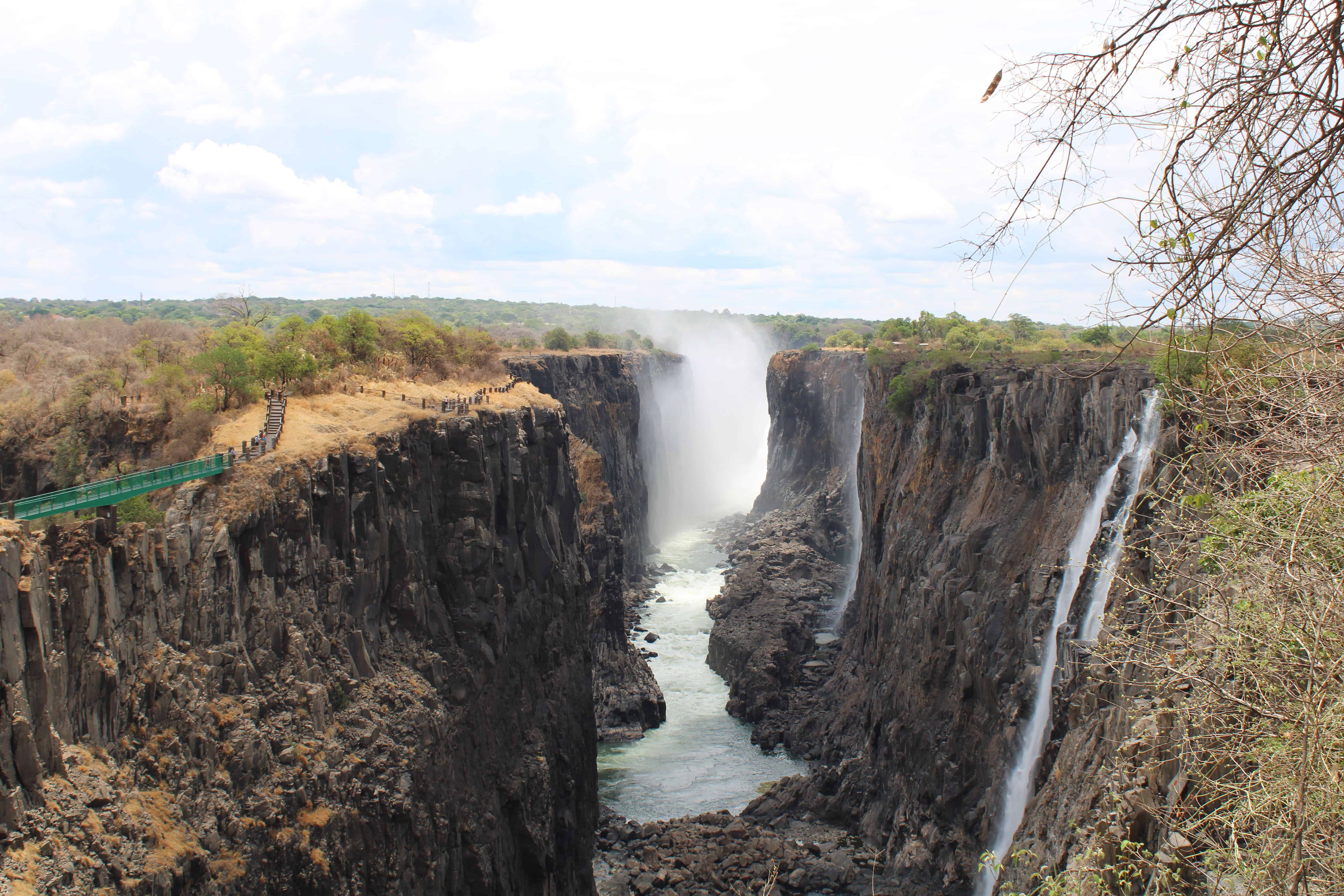
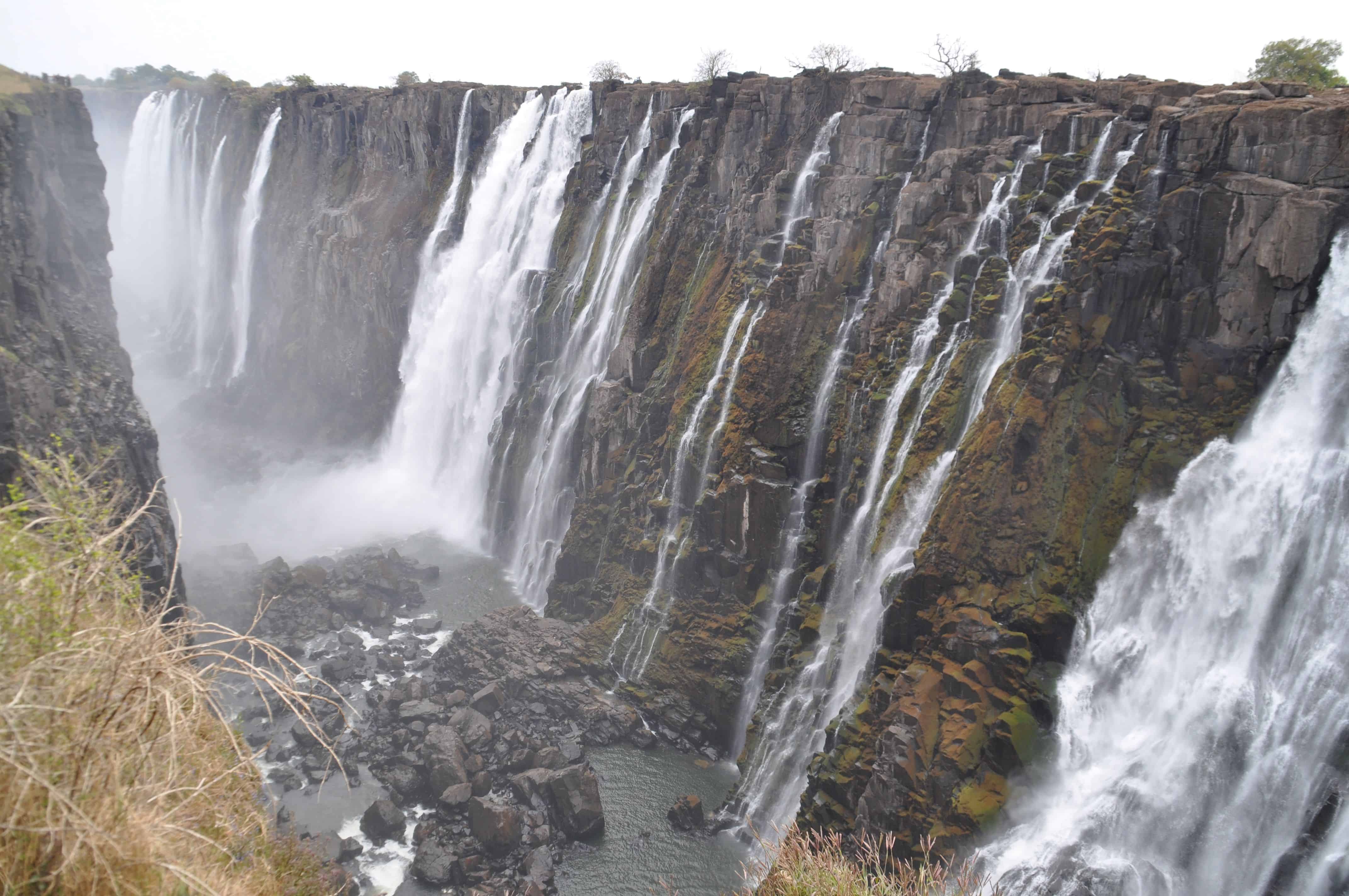
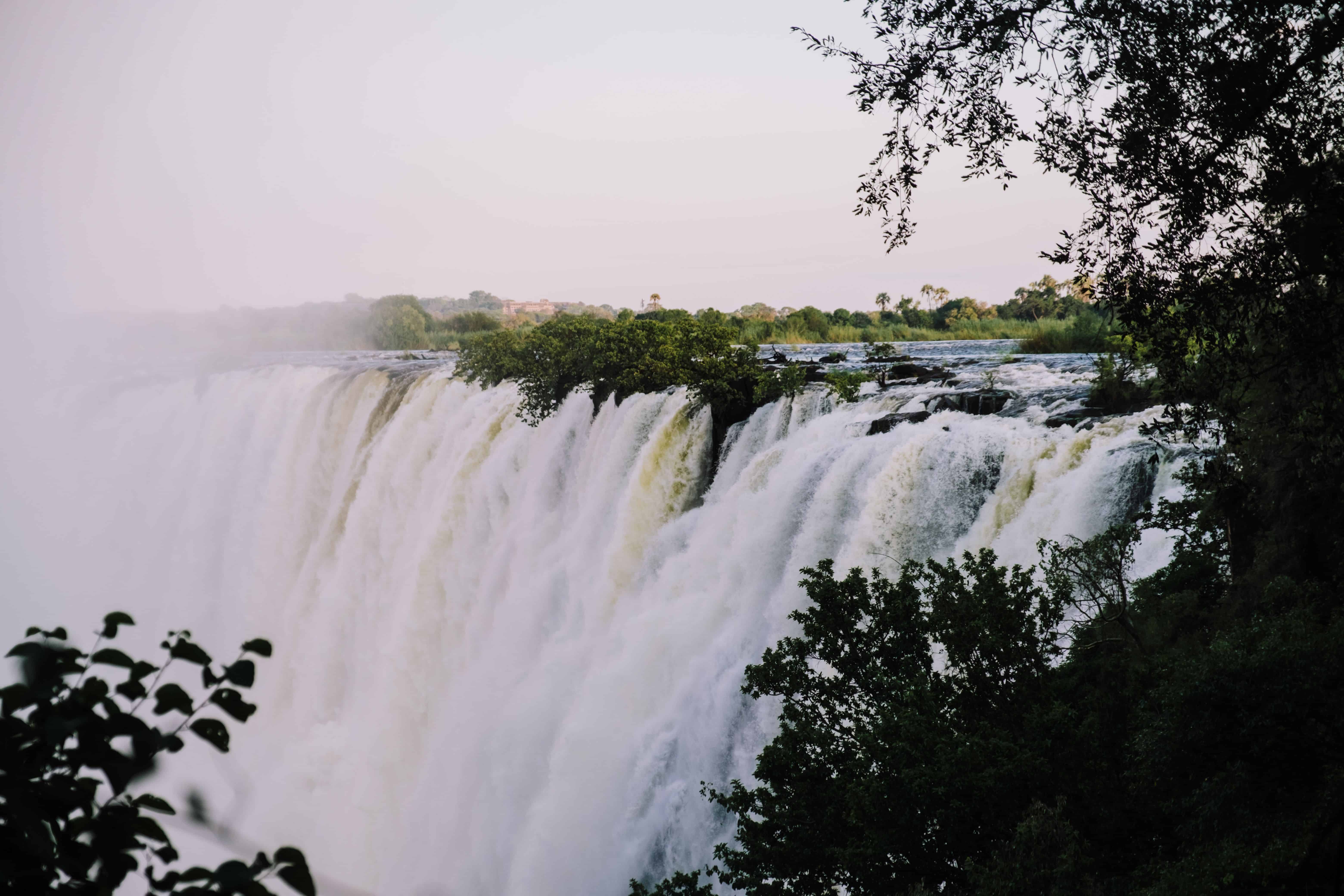
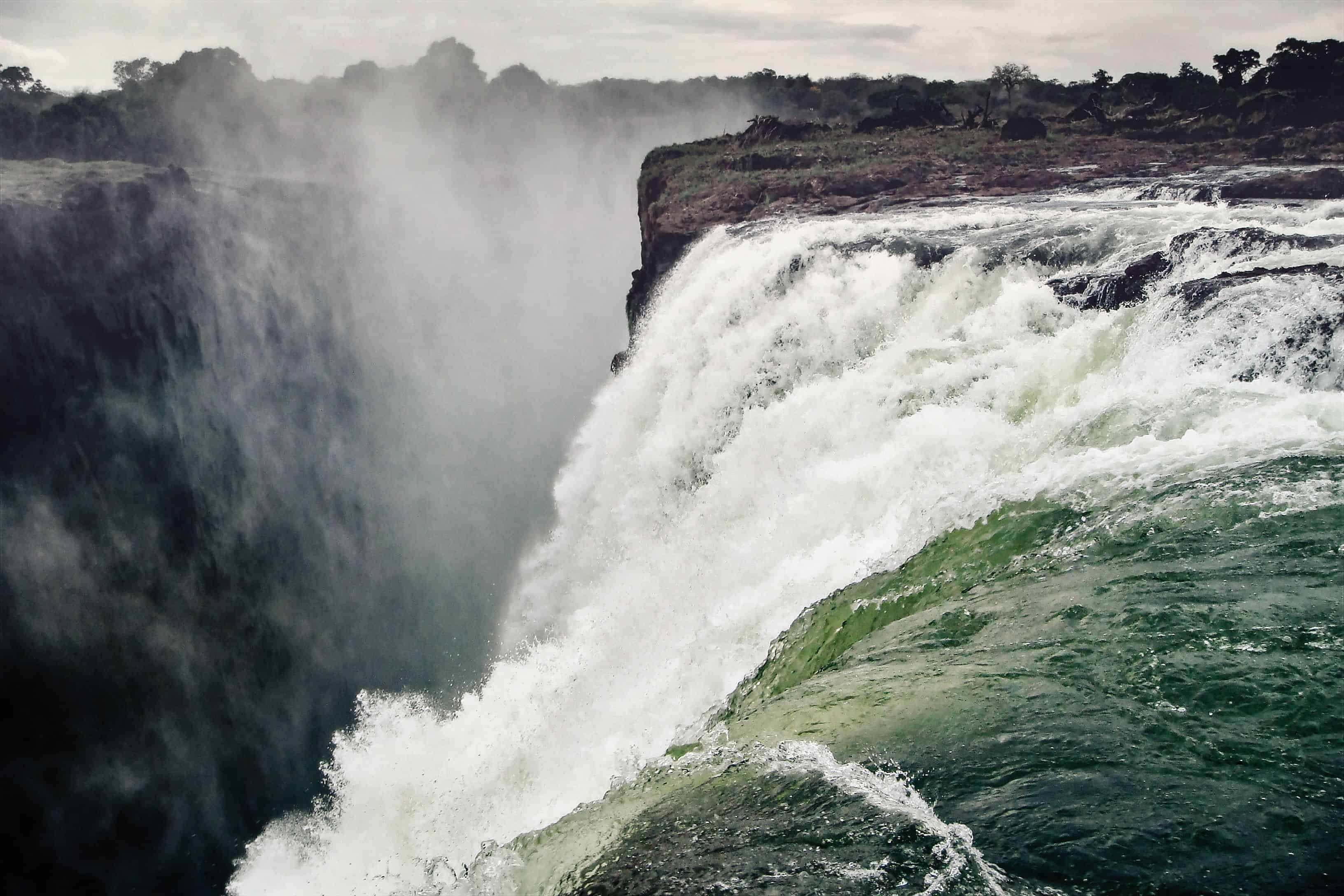
- Victoria Falls: One of the Seven Natural Wonders of the World
The Okavango Delta deserves special mention as a UNESCO World Heritage Site. A mokoro (traditional dugout canoe) excursion here provides intimate wildlife encounters impossible to replicate elsewhere.
Wildlife Viewing Opportunities
Between Cape Town and Victoria Falls, you’ll traverse multiple ecosystems hosting Africa’s iconic wildlife. Chobe National Park offers exceptional game viewing, particularly along the Chobe River where elephants, buffalo, and countless bird species congregate daily.
Budget time for at least one full day of game drives in Chobe before completing your journey to Victoria Falls.
Visa and Border Crossing Requirements
Border formalities require careful attention. South African passport holders enjoy visa-free access to Botswana and Zimbabwe, but most other nationalities need to verify specific requirements.
The Zimbabwe Tourism Authority offers a KAZA UniVisa (approximately $50 USD as of 2026) permitting multiple entries into Zimbabwe and Zambia, ideal if you plan to visit both sides of Victoria Falls.
Common Misconception About Border Crossings
Many travelers believe border crossings take hours and are bureaucratically nightmarish. In reality, the Botswana-Zimbabwe border at Kazungula operates efficiently, with most crossings completed in 30-60 minutes during off-peak hours.
Arrive with all documentation organized: passport, vehicle papers, insurance certificates, and visa fees in US dollars for smoother processing.
Budget and Costs Breakdown
A Cape Town to Victoria Falls road trip varies dramatically in cost depending on accommodation choices, activities, and travel style.
Budget travelers can complete the journey for approximately $1,500-2,000 per person (camping, self-catering, minimal activities). Mid-range travelers should budget $3,000-4,500 per person for lodges, restaurants, and guided activities. Luxury travelers can expect $6,000+ per person for premium accommodations and exclusive experiences.
Major Expense Categories
- Fuel: Approximately $600-800 for the entire journey (prices fluctuate by country)
- Accommodation: $30-300 per night depending on standard
- Food: $15-60 per person daily
- Park fees: $10-50 per person per park
- Border fees and visas: $100-200 total
- Activities: Variable ($50-500 depending on choices)
Vehicle rental costs (if not using your own) range from $50-150 daily for suitable 4×4 vehicles with camping equipment.
Safety Tips and Practical Advice
Safety concerns shouldn’t deter you from this incredible journey, but awareness and preparation are essential. Most of this Cape Town to Victoria Falls road trip traverses safe, well-traveled routes.
Drive only during daylight hours, especially in rural Botswana where livestock and wildlife frequently cross roads. Keep fuel tanks above half-full as stations can be spaced 200+ kilometers apart in remote areas.
Health and Medical Preparedness
Malaria prophylaxis is strongly recommended for northern Botswana and Victoria Falls areas, particularly during the wet season (November-April). Consult travel medicine specialists at least six weeks before departure.
Carry a comprehensive first-aid kit, sufficient drinking water (at least 5 liters per person), and emergency contact numbers for each country. Travel insurance with medical evacuation coverage is not optional—it’s essential.
For more African travel safety insights, check our guide on Is Morocco Safe for Tourists? 2026 Safety Guide & Tips which offers transferable safety principles.
Best Time to Undertake This Journey
The optimal window for your Cape Town to Victoria Falls road trip is May through October, coinciding with Southern Africa’s dry season. Roads remain in excellent condition, wildlife congregates around permanent water sources (improving viewing), and malaria risk decreases significantly.
Victoria Falls reaches peak flow between March and May following the rainy season, creating the most dramatic spectacle. However, excessive spray can obscure views. September-December offers lower water levels with clearer viewing opportunities and excellent photography conditions.
Weather varies considerably across this vast distance. Cape Town experiences Mediterranean climate patterns, while Victoria Falls has tropical conditions. Pack layers to accommodate temperature variations from cool Cape winters to warm Botswana days.
Explore more about timing your African adventures in our comprehensive Destinations section.
Frequently Asked Questions
How long does the Cape Town to Victoria Falls road trip take?
The minimum driving time is approximately 4-5 days covering just the distance, but most travelers allocate 14-21 days to properly explore attractions, wildlife parks, and cultural sites along the route. Rushing diminishes the experience significantly.
Do I need a 4×4 vehicle for this road trip?
A 4×4 is recommended but not essential if you stick to main tarred routes. However, accessing certain national parks, remote lodges, and off-the-beaten-path attractions requires higher clearance vehicles. Most rental companies offer suitable options with camping equipment included.
What is the total distance from Cape Town to Victoria Falls?
The eastern route via Johannesburg covers approximately 3,000-3,200 kilometers, while the western route through Namibia extends to 3,500+ kilometers depending on specific stops and detours. Factor in additional distances for side trips to Okavango Delta or other attractions.
Is it safe to drive this route independently?
Yes, thousands of travelers complete this journey independently each year. Main routes feature good infrastructure, regular fuel stations, and accommodation options. Standard precautions apply: drive during daylight, keep valuables hidden, stay on marked roads, and maintain awareness of your surroundings at all times.
What currency should I carry for this road trip?
Carry US dollars for border fees, visas, and Zimbabwe expenses where USD is widely accepted. South African Rand works throughout South Africa and is accepted in some Botswana establishments. Botswana Pula is necessary for optimal rates in Botswana. Credit cards work in major towns but cash remains essential for rural areas and national parks.
Can I cross borders with a rental vehicle?
Yes, but you must inform the rental company in advance and obtain proper cross-border documentation. Additional fees apply (typically $50-150 per border), and comprehensive insurance covering all countries is mandatory. Some rental companies restrict certain vehicle types from crossing borders, so clarify policies before booking.
A Cape Town to Victoria Falls road trip represents more than just a journey between two points—it’s an immersive experience through Southern Africa’s most captivating landscapes, wildlife, and cultures. With proper planning, flexible scheduling, and an adventurous spirit, this overland expedition delivers memories that last a lifetime.
From Cape Town’s iconic Table Mountain to Victoria Falls’ thundering cascades, every kilometer reveals new wonders. The freedom of the open road, spontaneous wildlife encounters, and connections with local communities create an authenticity that organized tours cannot replicate.
Ready to start planning your African adventure? Visit Africaning for more comprehensive guides, or contact us for personalized travel advice tailored to your specific interests and timeline.