Quick Answer: The best time to visit South Africa is during the dry winter months (May to September) for exceptional wildlife viewing, or during spring (September to November) for pleasant weather, blooming wildflowers, and fewer crowds. Summer (December to February) offers perfect beach weather but higher prices.
Planning your South African adventure requires understanding the country’s diverse climate zones and seasonal variations. The best time to visit South Africa depends on your priorities—whether you’re seeking the ultimate safari experience, pristine beach weather, or exploring the vibrant cities and winelands. With its position in the Southern Hemisphere, South Africa’s seasons are reversed from those in North America and Europe, making it an ideal year-round destination.
As of 2026, South Africa continues to rank among Africa’s top tourist destinations, welcoming over 10 million international visitors annually according to Statistics South Africa. This comprehensive guide will help you determine the optimal time for your visit based on weather patterns, wildlife activity, and seasonal events.
Understanding South Africa’s Seasons
South Africa experiences four distinct seasons, but the timing is opposite to the Northern Hemisphere. Summer runs from December to February, autumn from March to April, winter from May to September, and spring from September to November.
The country’s climate varies dramatically across regions. The Western Cape enjoys a Mediterranean climate with wet winters and dry summers, while the eastern regions experience summer rainfall. Coastal areas remain temperate year-round, while the interior highveld sees greater temperature extremes.
Understanding these patterns is crucial when planning your itinerary. If you’re exploring multiple destinations across South Africa, you’ll encounter different weather conditions depending on your route.
Winter: Prime Safari Season (May-September)
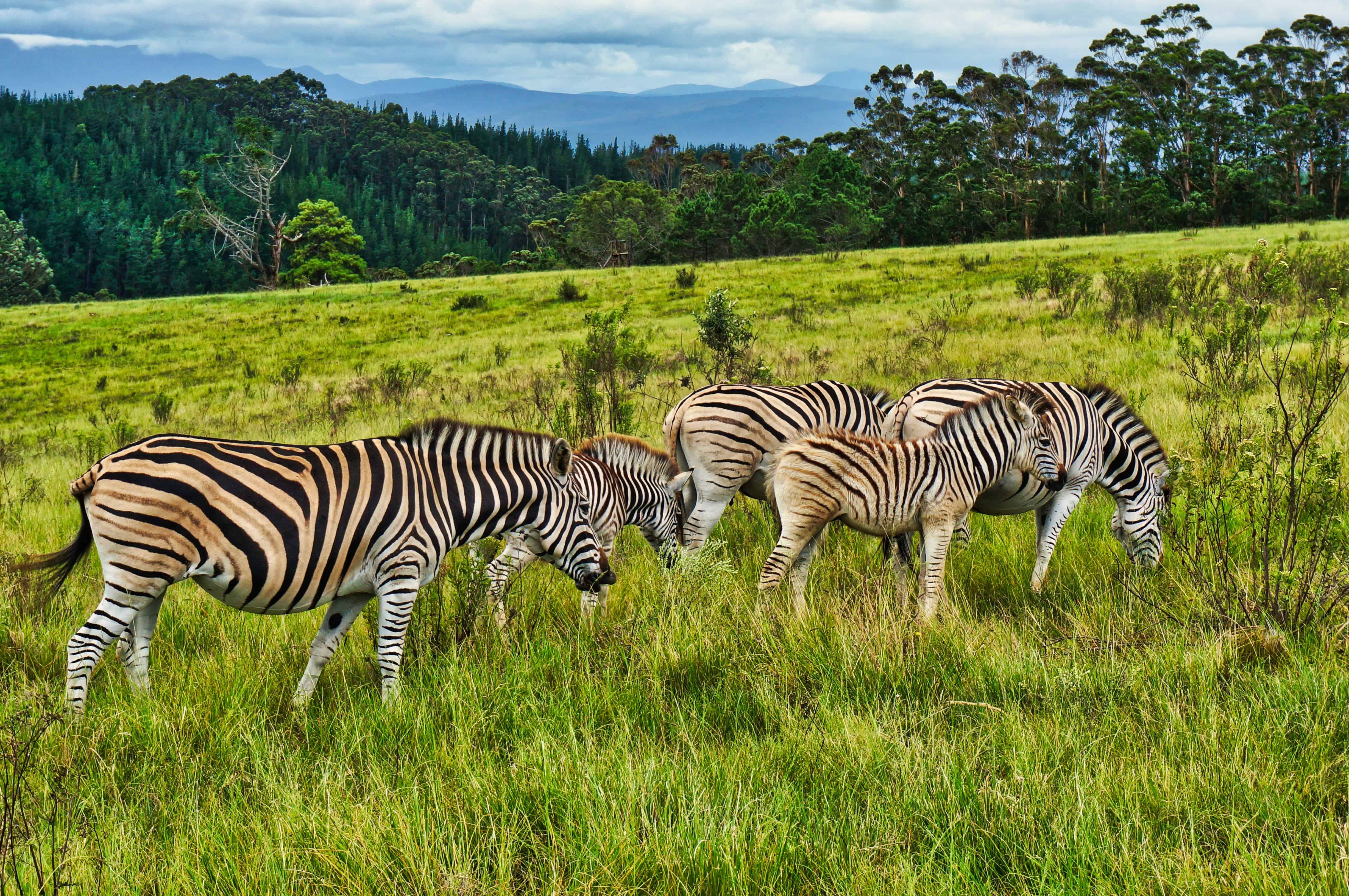
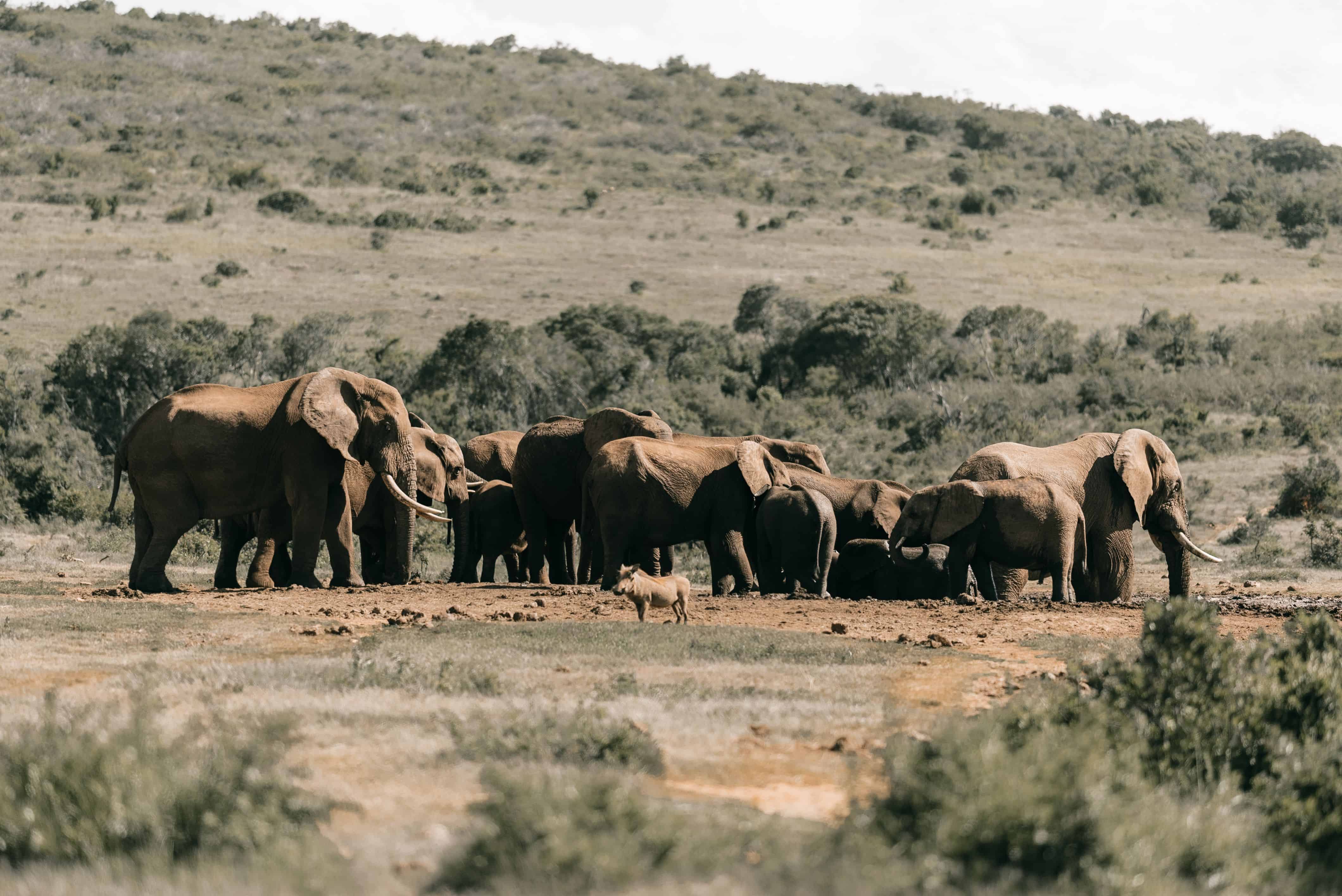
Winter represents the best time to visit South Africa for safari enthusiasts. The dry conditions from May through September force wildlife to congregate around water sources, making game viewing exceptional in Kruger National Park and private reserves.
Temperatures range from 5°C to 20°C (41°F to 68°F), with crisp mornings requiring warm layers. The sparse vegetation and lack of rain create perfect conditions for spotting the Big Five—lions, leopards, elephants, buffalo, and rhinos.
Winter Advantages:
- Optimal wildlife viewing with animals concentrated near water holes
- Minimal malaria risk in game reserves
- Clear, sunny days with excellent visibility
- Lower humidity levels throughout the country
According to South African National Parks, winter months see the highest success rates for predator sightings, with leopard visibility increasing by nearly 40% compared to summer.
Spring: Wildflowers and Whales (September-November)
Spring offers spectacular natural displays and represents one of the best times to visit South Africa for nature lovers. The Namaqualand region explodes with millions of wildflowers, creating carpets of color across the desert landscape.
Southern Right whales arrive along the coast from June through November, with peak viewing in September and October. Hermanus becomes the whale-watching capital, offering shore-based viewing that rivals any destination globally.
Temperatures warm gradually, ranging from 15°C to 25°C (59°F to 77°F). This shoulder season provides excellent value with fewer tourists and moderate prices.
Summer: Beach Season and Festive Atmosphere (December-February)
Summer brings warm weather perfect for South Africa’s stunning coastline. Cape Town’s beaches, the Garden Route, and KwaZulu-Natal’s subtropical shores attract sun-seekers during these months.
Temperatures soar to 25°C to 35°C (77°F to 95°F), with January being the hottest month. This peak season coincides with school holidays and Christmas, resulting in higher accommodation rates and larger crowds.
The lush, green landscapes are beautiful, but afternoon thunderstorms are common in the eastern regions. Wildlife viewing becomes more challenging as animals disperse across abundant water sources.
Summer Highlights:
- Perfect beach weather along the entire coastline
- Vibrant nightlife and festive atmosphere in major cities
- Baby animals in many game reserves
- Longer daylight hours for extended exploration
Autumn: Wine Harvest and Mild Weather (March-April)
Autumn provides pleasant conditions and marks harvest season in the Cape Winelands. The Stellenbosch, Franschhoek, and Paarl regions celebrate with festivals and vineyard tours showcasing the vintage.
Temperatures remain comfortable at 15°C to 25°C (59°F to 77°F), with decreasing rainfall. This period offers excellent value as peak season ends, yet weather remains favorable for most activities.
Wildlife viewing improves as vegetation begins thinning and water sources diminish. Many travelers consider autumn the secret best time to visit South Africa for balanced weather, affordability, and fewer crowds.
Regional Climate Variations
Cape Town and the Western Cape experience Mediterranean weather with winter rainfall (May-August) and dry summers. Plan city exploration and wine tours for October through April when conditions are driest.
Kruger National Park and the Lowveld receive summer rainfall. Winter (May-September) remains the prime safari season with dry conditions and concentrated wildlife.
The Garden Route enjoys year-round moderate temperatures. Any season works, though summer offers the best beach weather while winter provides quieter towns and better whale watching.
Durban and KwaZulu-Natal feature subtropical conditions with warm, humid summers and mild winters. The ocean temperature rarely drops below 20°C (68°F), making it a year-round beach destination.
Best Time for Wildlife Viewing
The dry winter months from May through September definitively offer the best time to visit South Africa for safari experiences. Game viewing reaches peak quality as animals gather at remaining water sources.
Kruger National Park and private reserves like Sabi Sands, Timbavati, and Madikwe deliver exceptional sightings during this period. Morning and evening game drives in open vehicles provide unforgettable encounters with Africa’s iconic species.
Malaria risk reduces significantly during winter months, though prophylaxis remains recommended for certain areas. The cooler temperatures make game drives more comfortable despite early morning chills.
For bird enthusiasts, summer (November-March) brings migratory species, with over 500 species recorded across the country according to BirdLife South Africa.
Budget-Friendly Travel Periods
Shoulder seasons—April to May and September to October—offer the best value. Accommodation rates drop significantly outside peak summer and school holiday periods, while weather remains pleasant.
Winter (June-August) sees increased demand for safari lodges but lower coastal accommodation prices. Conversely, summer brings premium beach resort rates but better deals in wine regions.
Avoiding South African school holidays (December, April, July) helps secure better rates and smaller crowds. International flights also cost less during shoulder seasons, maximizing your travel budget.
Money-Saving Tips:
- Book safari lodges well in advance for early-bird discounts
- Consider self-drive safaris in national parks versus private reserves
- Visit during weekdays rather than weekends for lower rates
- Explore package deals combining accommodation and activities
For more budget planning insights, visit our Start Here page for comprehensive African travel tips.
Common Misconceptions Debunked
Misconception: South Africa is always hot. Many travelers assume year-round warmth, but winter temperatures can drop below freezing in interior regions, especially at night. Cape Town experiences cool, wet winters requiring jackets and rain gear.
Another common mistake involves planning beach vacations during Cape Town’s winter. While Durban offers warm ocean swimming year-round, Cape Town’s Atlantic coast remains cold even in summer, with water temperatures averaging just 14°C (57°F).
Many also believe safari viewing is consistent year-round. Summer’s dense vegetation and dispersed animals make sightings significantly more challenging than winter’s optimal conditions.
Frequently Asked Questions
What is the cheapest month to visit South Africa?
May and June typically offer the lowest rates as they fall between peak safari season and summer holidays. Accommodation prices drop 30-40% compared to December and January, while weather remains pleasant in most regions.
How many days do you need in South Africa?
A minimum of 10-14 days allows you to experience highlights including Cape Town, a safari in Kruger National Park, and the Garden Route. Three weeks provides a more comprehensive exploration including wine regions and coastal areas without feeling rushed.
Is South Africa safe for tourists in 2026?
South Africa welcomes millions of tourists safely each year. Like any destination, exercising common sense precautions is essential—avoid displaying valuables, use reputable transportation, and stay in well-reviewed accommodations. Tourist areas and safari lodges maintain high security standards.
Can you see the Big Five year-round in South Africa?
Yes, the Big Five are present year-round in major reserves, but sighting success varies dramatically by season. Winter months (May-September) offer 60-70% better viewing opportunities due to sparse vegetation and animals congregating at water sources.
What should I pack for South Africa?
Pack layers regardless of season—mornings and evenings can be cool even in summer. Include neutral-colored clothing for safaris, sun protection, comfortable walking shoes, a light rain jacket, and formal attire if visiting upscale restaurants or lodges. Winter visitors need warm jackets for early morning game drives.
Do I need malaria medication for South Africa?
Malaria precautions are recommended for Kruger National Park and northern KwaZulu-Natal, especially during summer months (November-April). Risk is significantly lower during winter (May-September). Cape Town, the Garden Route, and most wine regions are malaria-free. Consult your doctor or visit the World Health Organization website for current guidelines.
Determining the best time to visit South Africa ultimately depends on your priorities and interests. Safari enthusiasts should target the dry winter months for unparalleled wildlife viewing, while beach lovers will prefer the warm summer season. Spring and autumn offer excellent compromises with pleasant weather, fewer crowds, and better value. Whatever season you choose, South Africa’s diversity ensures an unforgettable African adventure. For more travel planning resources, explore our comprehensive Africaning guide to help create your perfect itinerary.