Welcome to the most comprehensive Victoria Falls travel guide for 2026. Known locally as Mosi-oa-Tunya (“The Smoke That Thunders”), Victoria Falls is one of the Seven Natural Wonders of the World and attracts hundreds of thousands of visitors annually. This guide provides everything you need to plan an unforgettable journey to this spectacular destination.
Whether you’re seeking adrenaline-pumping adventures or peaceful wildlife encounters, Victoria Falls delivers experiences that will stay with you forever. Located on the border between Zambia and Zimbabwe, this natural wonder offers unique opportunities to explore two countries in one trip.
When to Visit Victoria Falls
The best time to visit Victoria Falls depends on what you want to experience. As of 2026, the falls continue to flow year-round, but water levels vary dramatically between seasons, creating distinctly different experiences.
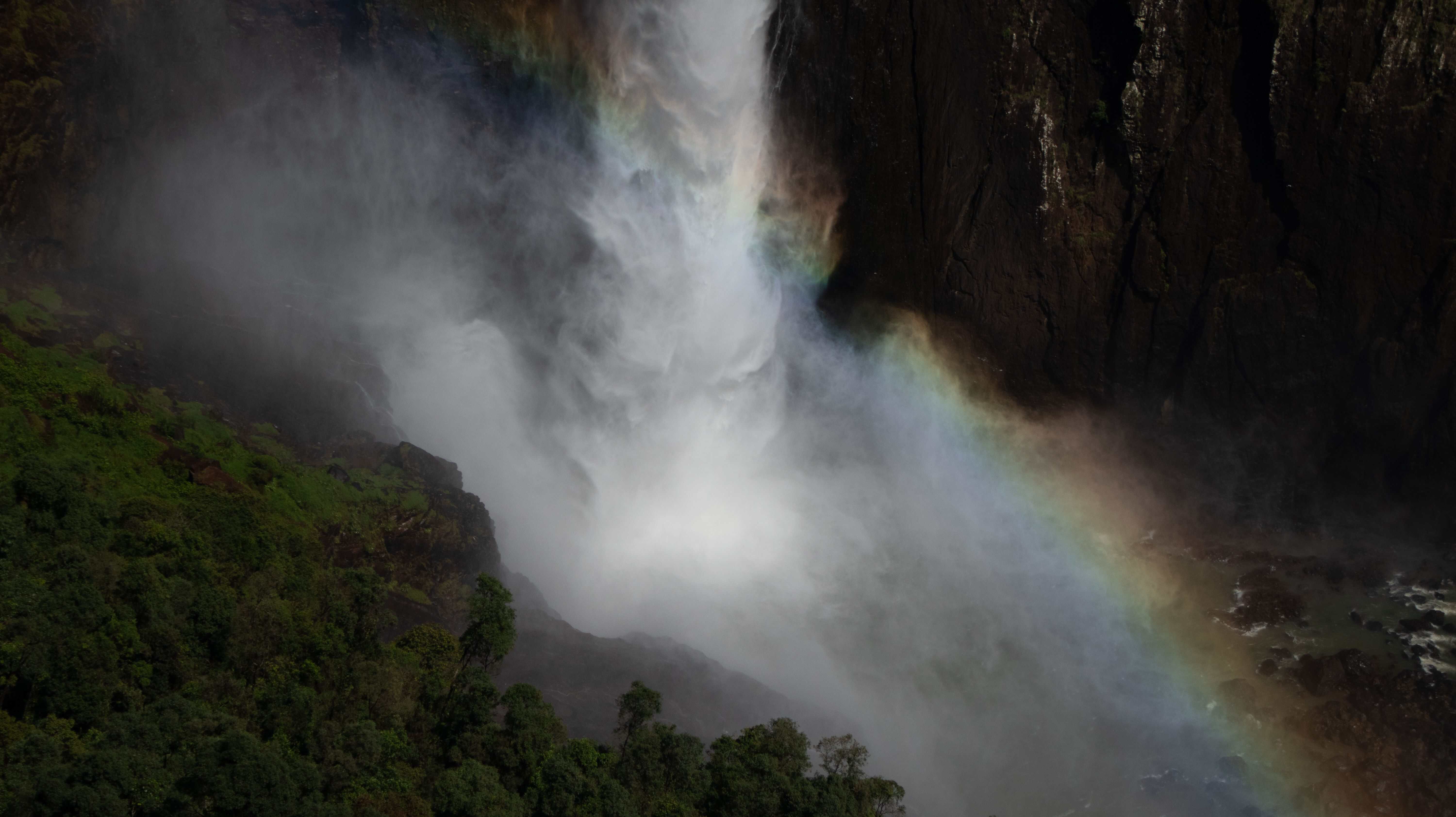
The high-water season runs from February to July, peaking around April and May. During this period, the falls are at their most powerful, with over 500 million liters of water cascading over the edge every minute. The spray can rise up to 400 meters, creating spectacular rainbows but sometimes obscuring views.
Low-water season occurs from August to January, with September and October showing the lowest levels. While less dramatic in volume, this period offers clearer views of the basalt cliff face and rock formations. According to UNESCO World Heritage Centre, the falls span 1,708 meters wide and drop 108 meters, making it the largest curtain of falling water in the world.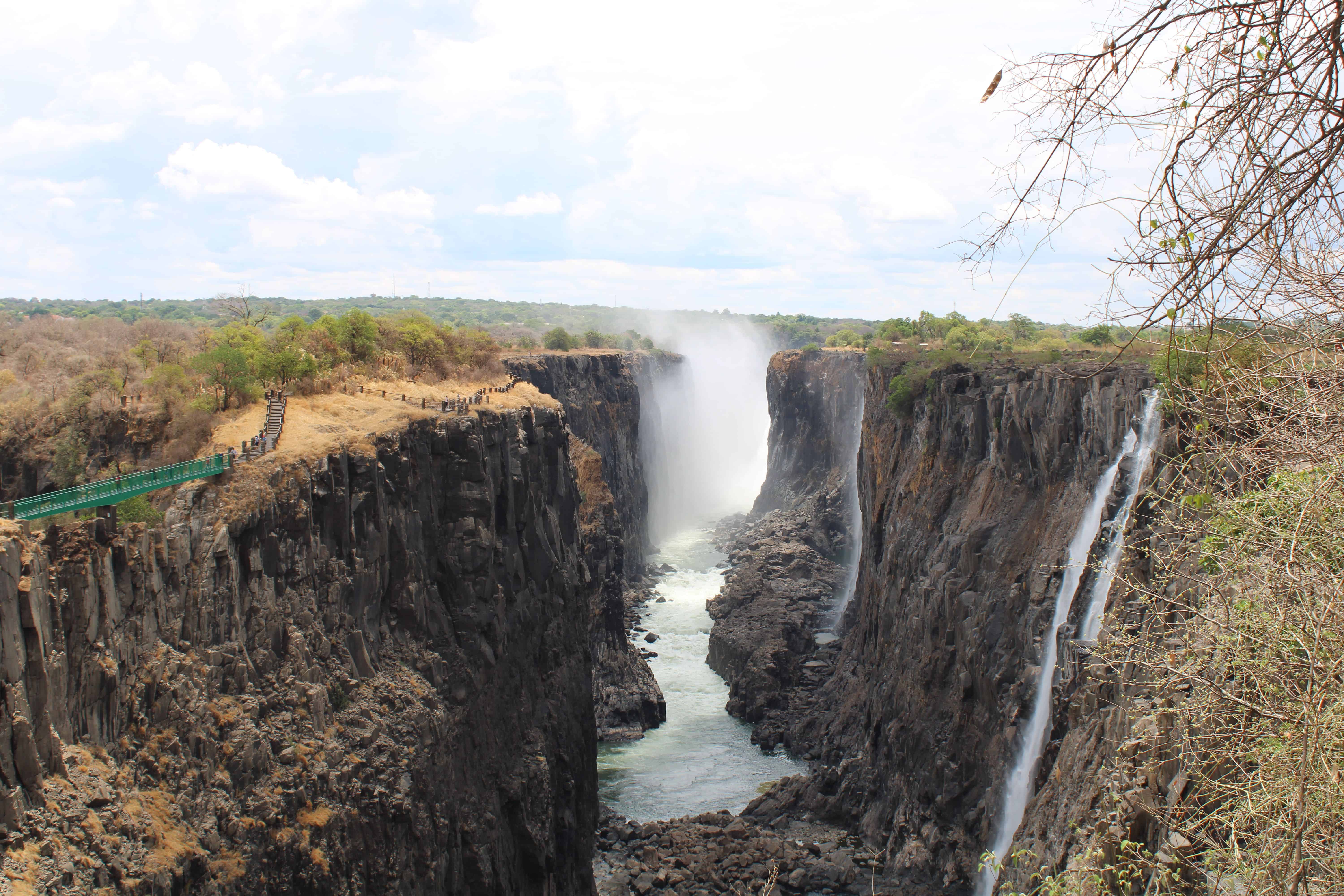
Peak Season vs. Off-Season
Peak tourist season coincides with high water (April-May) and the dry winter months (July-August). Prices for accommodation and activities increase by 30-50% during these periods. Off-season travel (November-February) offers significant savings and fewer crowds, though rainfall can be more frequent.
Getting There and Visa Requirements
Victoria Falls has two international airports: Victoria Falls Airport (VFA) in Zimbabwe and Livingstone Airport (LVI) in Zambia. Both receive flights from Johannesburg, Cape Town, and other regional hubs. The airports are only 80 kilometers apart, and many visitors choose based on visa costs and itinerary preferences.
Zimbabwe offers visa-on-arrival for most nationalities at approximately $50 USD for single entry. Zambia charges similar fees, but a KAZA UniVisa ($50) allows multiple entries to both countries for 30 days—ideal for exploring both sides of the falls. Check current requirements with the U.S. Department of State or your country’s foreign office before traveling.
Many travelers mistakenly believe they need visas arranged months in advance. In reality, most visitors can obtain them quickly at the border or airport, though online applications are now available for added convenience.
Best Activities and Experiences
No Victoria Falls travel guide would be complete without covering the incredible range of activities available. From heart-stopping adventures to serene wildlife encounters, there’s something for every type of traveler.
Adventure Activities
- Devil’s Pool – Swim at the edge of the falls (September-December only)
- Bungee Jumping – Leap 111 meters from the Victoria Falls Bridge
- White Water Rafting – Navigate Grade 5 rapids on the Zambezi River
- Microlight Flights – Aerial views of the falls and surrounding national parks
- Gorge Swing – A 70-meter free fall followed by a massive swing
- Zip-lining – Cross the gorge on Africa’s longest zip-line
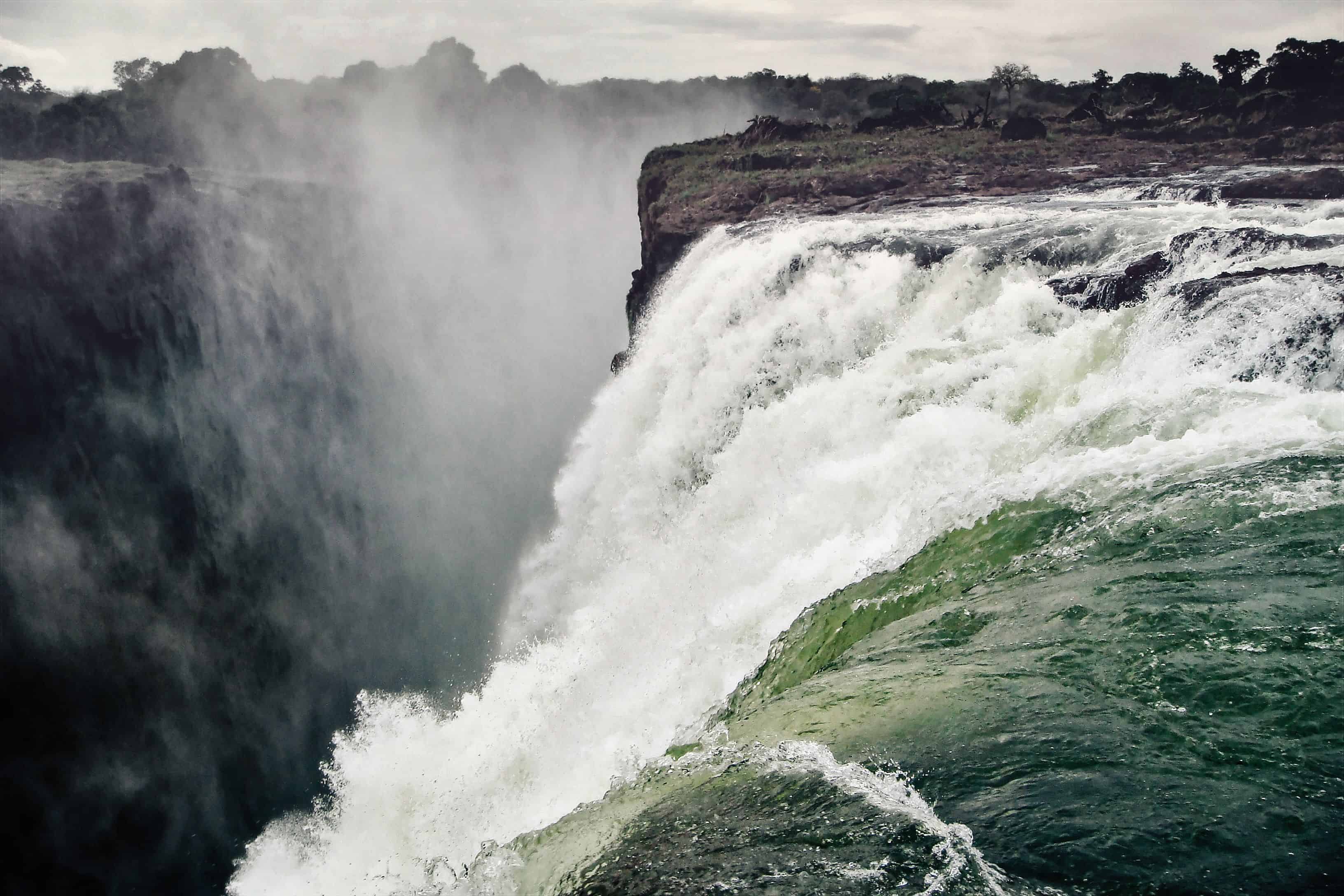
Wildlife and Nature Experiences
Zambezi National Park in Zimbabwe and Mosi-oa-Tunya National Park in Zambia offer excellent game viewing. Elephant encounters, walking safaris, and sunset river cruises provide opportunities to see hippos, crocodiles, and diverse birdlife. The region is home to over 400 bird species, making it a paradise for ornithologists.
For travelers interested in diverse African experiences, exploring destinations across the continent can enhance your understanding of the region’s cultural and natural heritage.
Where to Stay
Accommodation options range from budget backpackers to ultra-luxury lodges. The town of Victoria Falls in Zimbabwe offers more dining and nightlife options, while Livingstone in Zambia provides a more relaxed atmosphere with excellent value properties.
Luxury Options: The Victoria Falls Hotel, Royal Livingstone, and Ilala Lodge offer colonial elegance with views of the spray. Expect to pay $400-800 per night during peak season.
Mid-Range: Numerous guesthouses and boutique hotels offer comfortable rooms at $100-250 per night. Properties like A’Zambezi River Lodge and Avani Victoria Falls Resort provide excellent amenities and locations.
Budget: Backpacker hostels and camping facilities start from $15-50 per night. Shoestrings and Jollyboys are popular choices with organized activities and social atmospheres.
Best Viewing Points
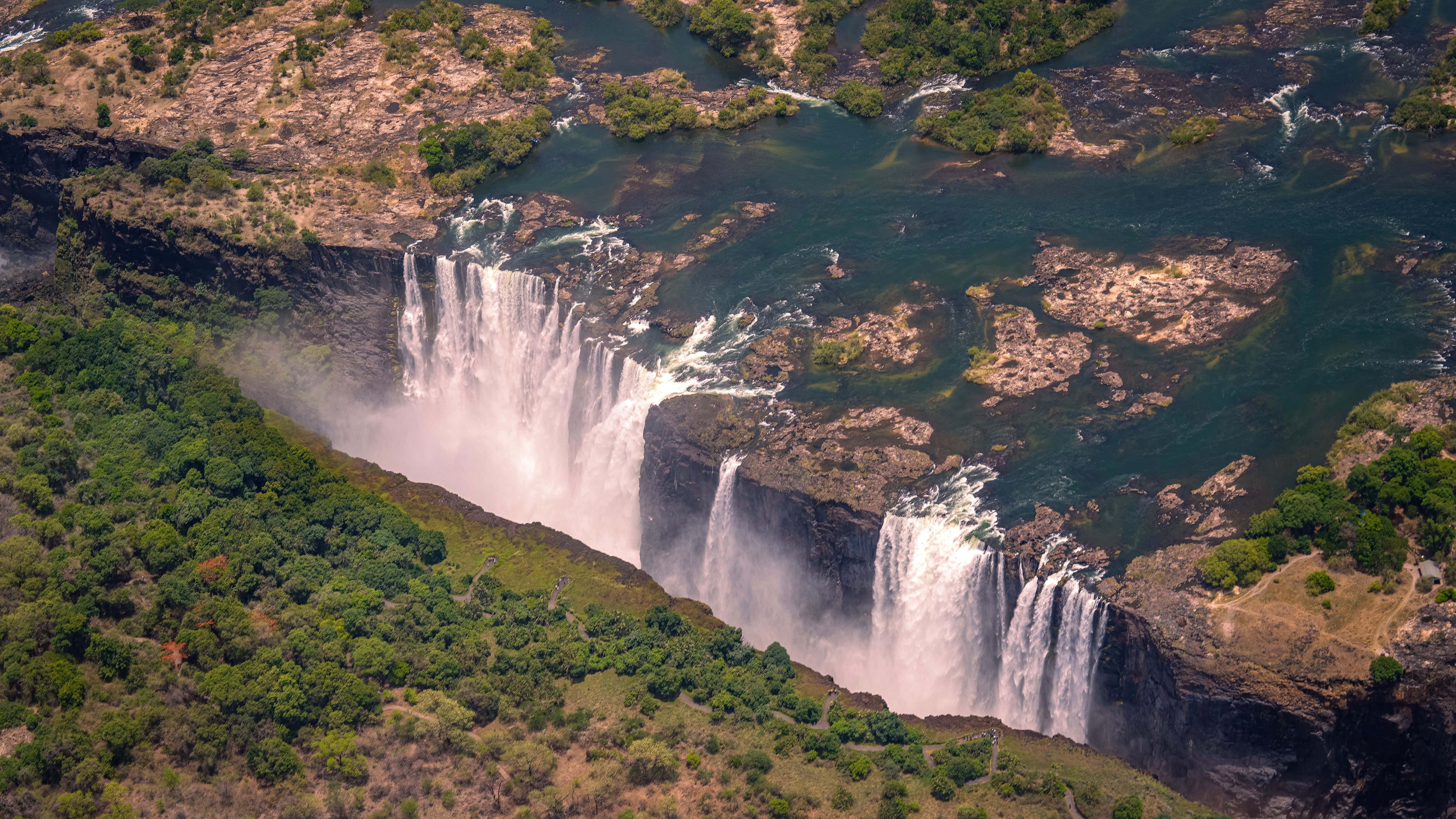
The Zimbabwe side offers 16 designated viewpoints along a rainforest path, providing comprehensive views of the main falls, Rainbow Falls, and Devil’s Cataract. The constant spray creates a lush rainforest environment where waterproof clothing is essential, especially during high-water months.
The Zambia side features fewer viewpoints but offers unique perspectives, including the famous Knife Edge Bridge. This side also provides access to Devil’s Pool and Livingstone Island. A complete Victoria Falls travel guide experience involves visiting both sides to appreciate the falls’ full majesty.
Quick Tip: Cross-Border Viewing
Optimal viewing strategy: Visit the Zimbabwe side during morning hours (8-11 AM) for the best light on the main falls and rainbow photography. In the afternoon, cross to the Zambia side for sunset views and unique perspectives. The KAZA UniVisa makes this seamless and cost-effective.
Safety and Health Tips
Victoria Falls is generally safe for tourists, but standard precautions apply. Keep valuables secure, use registered tour operators, and avoid walking alone after dark in town areas. The rainforest paths can be slippery—wear appropriate footwear with good grip.
Health-wise, Victoria Falls lies in a malaria zone. The World Health Organization recommends antimalarial prophylaxis and mosquito prevention measures. Consult your doctor 4-6 weeks before travel for appropriate medications and vaccinations, including yellow fever if coming from endemic areas.
Tap water in hotels is generally safe, but bottled water is recommended. The sun is intense year-round—use high-SPF sunscreen, wear hats, and stay hydrated, especially during adventure activities.
Similar safety considerations apply when exploring other African regions, as detailed in guides about Morocco safety and other destinations.
Budgeting for Your Trip
A comprehensive Victoria Falls travel guide must address costs. Budget travelers can manage on $50-75 per day, covering hostel accommodation, local meals, and basic activities. Mid-range travelers should budget $150-300 daily for comfortable hotels, restaurant meals, and several activities.
Luxury experiences start at $500+ per day, including premium lodges, fine dining, and private guided activities. Major expenses include:
- Victoria Falls entry: $30-50 depending on nationality and side
- White water rafting: $120-150
- Bungee jump: $160
- Helicopter flight (13 minutes): $150-180
- Sunset cruise: $50-80
- Devil’s Pool: $110-140
Many operators offer package deals combining multiple activities at discounted rates. Booking through Africaning can help secure better value and reliable operators.
Frequently Asked Questions
Do I need visas for both Zimbabwe and Zambia?
Not necessarily. If you only plan to visit one side, you need only that country’s visa. However, the KAZA UniVisa ($50) allows multiple entries to both countries for 30 days and is highly recommended for the complete Victoria Falls experience. It can be obtained at either airport or border crossing.
Which side of Victoria Falls is better?
Both sides offer unique perspectives. Zimbabwe provides more viewpoints (16 vs 5) and a longer walking trail through the rainforest. Zambia offers closer views of the main falls and access to Devil’s Pool. Ideally, visit both sides for the complete experience. During high water (February-July), Zimbabwe’s side can be obscured by spray, making Zambia’s viewpoints clearer.
Is Victoria Falls worth visiting during low water season?
Absolutely. While the volume is reduced, low water season (August-November) offers advantages including clearer views of the gorge, accessible rock pools, better Devil’s Pool conditions, and excellent wildlife viewing as animals congregate around water sources. Photography conditions are superior with less spray, and prices are typically 20-40% lower than peak season.
How many days should I spend at Victoria Falls?
A minimum of 3 full days allows time to view both sides of the falls, participate in 2-3 major activities, and enjoy a sunset cruise or wildlife experience. Adventure enthusiasts might want 4-5 days to fit in rafting, bungee jumping, and other activities without feeling rushed. Day trips are possible but don’t do justice to this remarkable destination.
Conclusion
This Victoria Falls travel guide has covered everything you need to plan an extraordinary visit to one of Africa’s most iconic destinations. From choosing the optimal time to visit based on water levels and your interests, to selecting activities that match your adventure threshold, Victoria Falls offers experiences that cater to all traveler types.
The combination of natural wonder, adventure activities, and wildlife encounters makes Victoria Falls a bucket-list destination that exceeds expectations. Whether you’re photographing rainbows in the spray, taking the plunge on a bungee jump, or simply marveling at the raw power of nature, the memories created here last a lifetime.
Start planning your Victoria Falls adventure today. For personalized itineraries and expert advice on exploring Southern Africa, visit the start here page or contact us for tailored recommendations. The Smoke That Thunders awaits your arrival.