A Kruger National Park safari ranks among the most thrilling wildlife experiences on Earth. Spanning nearly 20,000 square kilometers in northeastern South Africa, Kruger National Park offers unparalleled opportunities to witness the Big Five and countless other species in their natural habitat. Whether you’re a first-time safari-goer or a seasoned wildlife enthusiast, this comprehensive 2026 guide will help you plan the perfect Kruger National Park safari adventure.
Quick Answer: What Makes Kruger National Park Safari Special?
Kruger National Park safari experiences stand out for their exceptional wildlife diversity, self-drive accessibility, and range of accommodation from budget camps to luxury lodges. The park hosts over 147 mammal species and 517 bird species, with year-round excellent game viewing opportunities.
Why Choose Kruger National Park for Your Safari
Kruger National Park has earned its reputation as one of Africa’s premier safari destinations for compelling reasons. Established in 1898, it stands as one of the world’s oldest nature reserves and remains South Africa’s flagship wildlife sanctuary.
The park’s accessibility sets it apart from many African safari destinations. Located just a four-hour drive from Johannesburg, Kruger offers both self-drive and guided safari options, making it remarkably approachable for independent travelers. According to official statistics, Kruger receives over 1.7 million visitors annually, testament to its world-class wildlife viewing.
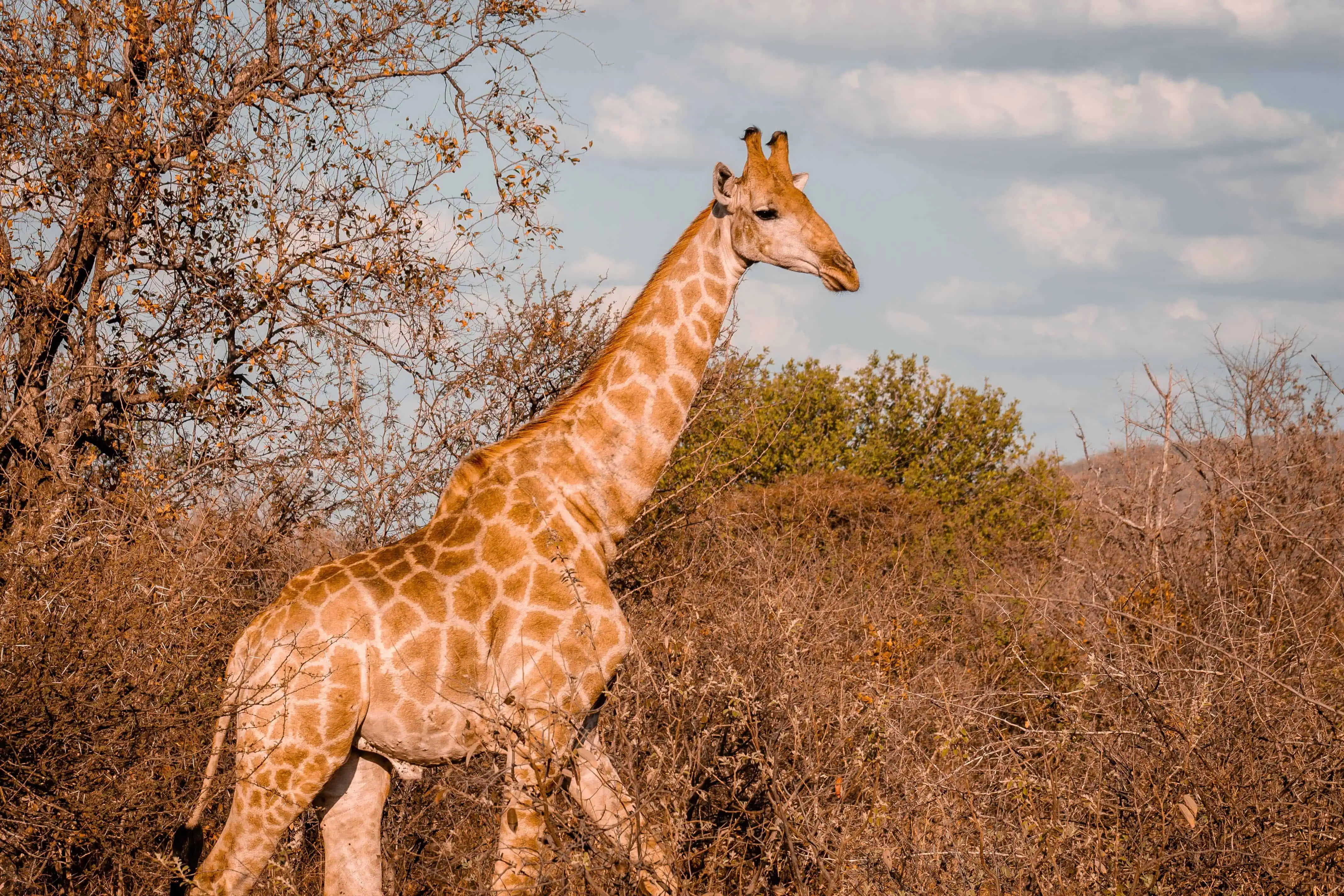
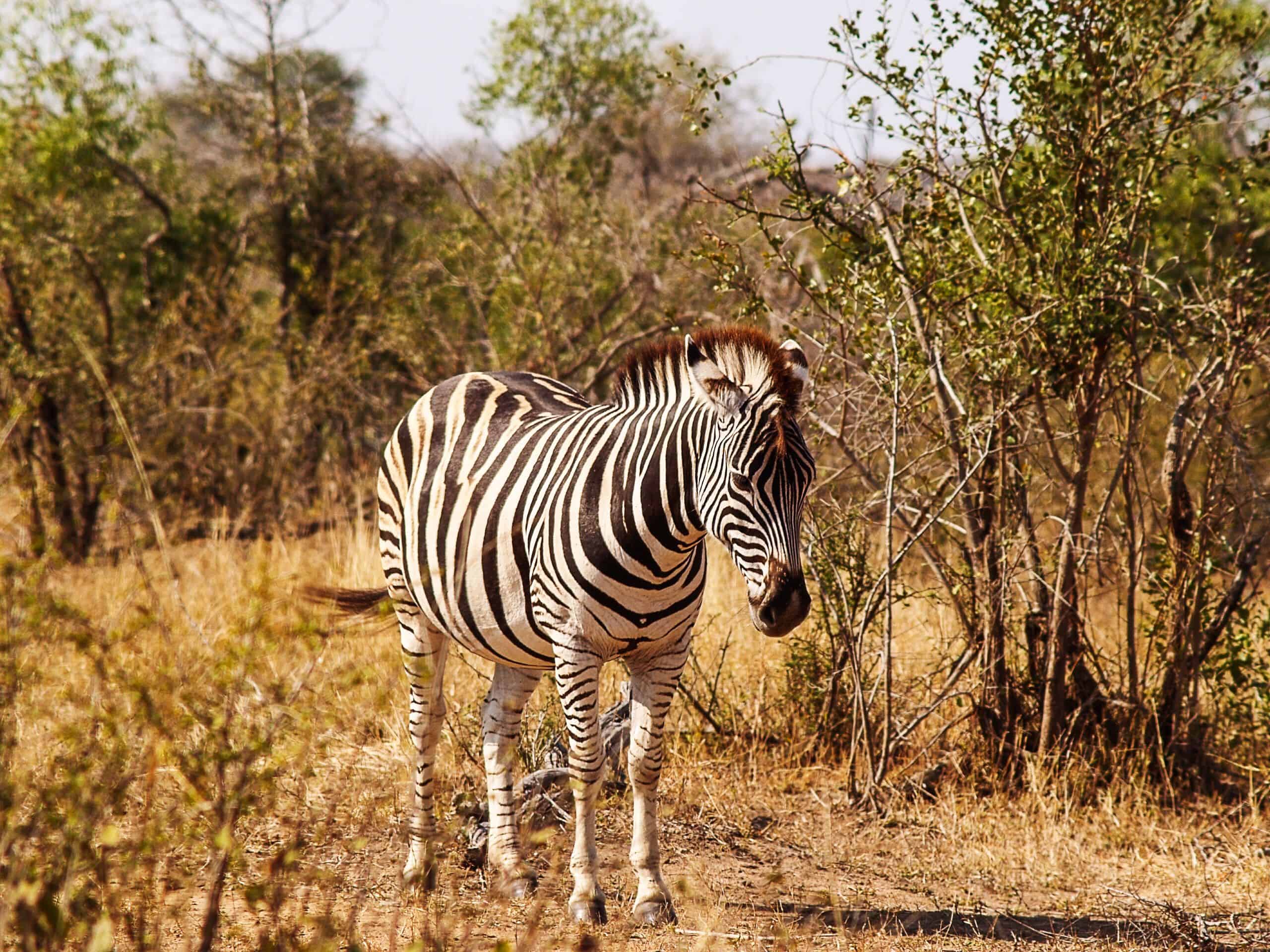
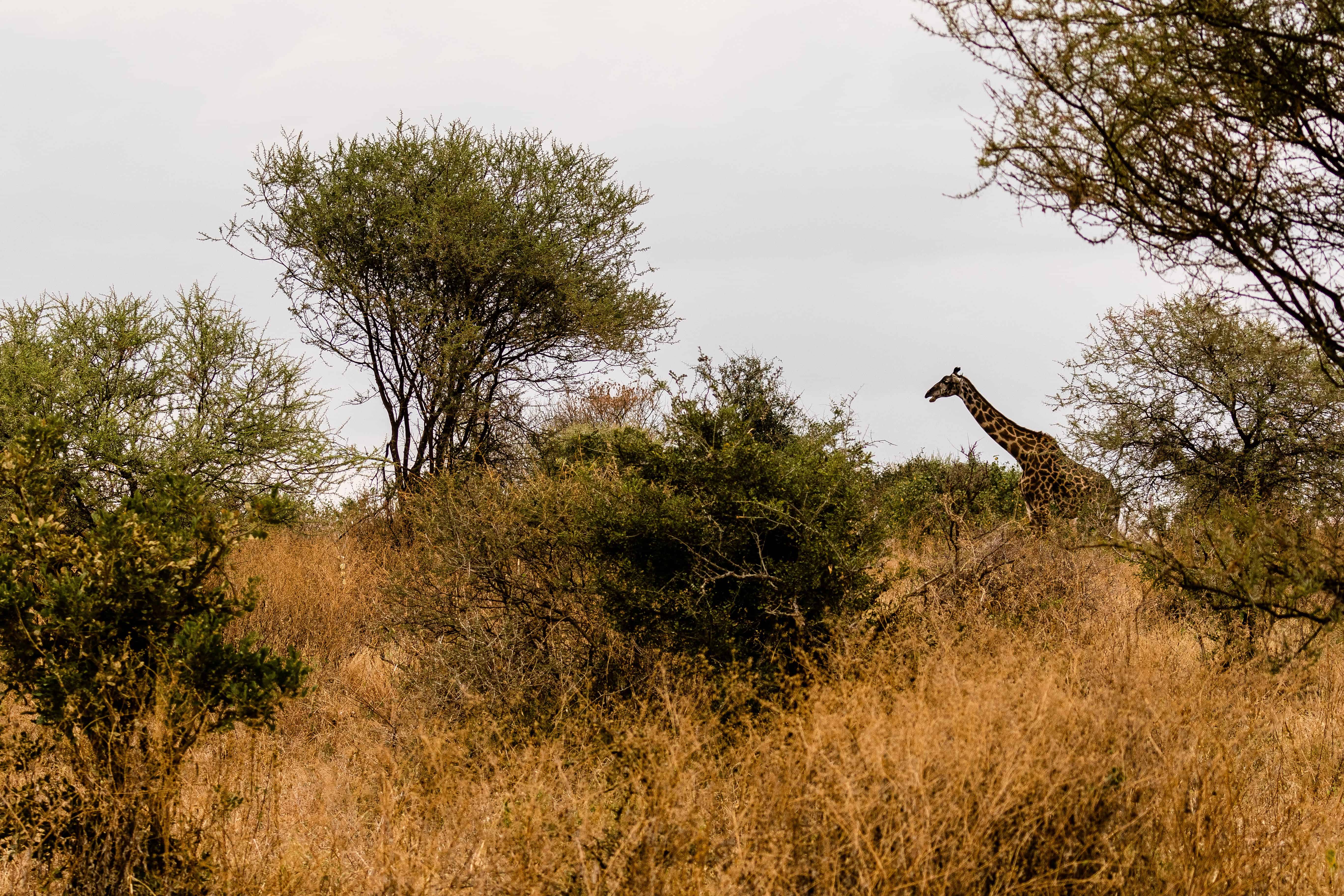
The biodiversity within Kruger’s boundaries is staggering. Beyond the famous Big Five—lion, leopard, elephant, buffalo, and rhinoceros—you’ll encounter cheetahs, wild dogs, hippos, giraffes, zebras, and hundreds of antelope species. This density of wildlife creates multiple guaranteed sightings during any Kruger National Park safari expedition.
Best Time to Visit Kruger National Park
Timing significantly impacts your Kruger National Park safari experience. The park operates year-round, but different seasons offer distinct advantages that cater to varying preferences and priorities.
Dry Season (May to September)
The winter dry season represents peak safari season for excellent reasons. Vegetation thins out, animals congregate around limited water sources, and cooler temperatures make wildlife more active during daylight hours. July and August offer the best visibility, though they’re also the busiest months.
Morning temperatures can drop to 5°C (41°F), so pack warm layers for early game drives. The trade-off for slightly crowded conditions is virtually guaranteed Big Five sightings and comfortable daytime temperatures around 20-25°C (68-77°F).
Wet Season (October to April)
Summer brings transformation to Kruger. Afternoon thunderstorms green the landscape, migratory birds arrive in spectacular numbers, and newborn animals appear. While animals disperse due to abundant water sources, the lush scenery creates breathtaking photographic opportunities.
November through March sees temperatures soaring above 35°C (95°F), with high humidity. However, visitor numbers drop significantly, accommodation costs decrease by 30-40%, and you’ll enjoy more exclusive wildlife encounters. For those planning broader African adventures, consider exploring other destinations that complement your safari timing.
Kruger National Park Safari
Wildlife and Big Five Sightings
The Big Five remain the stars of any Kruger National Park safari, but the supporting cast deserves equal appreciation. Understanding where and when to find specific animals enhances your safari success dramatically.
Where to Find the Big Five
- Lions: Southern regions around Crocodile Bridge and Lower Sabie offer excellent pride sightings, particularly along riverine areas
- Leopards: The central regions near Skukuza and Satara provide prime leopard territory, especially in rocky outcrops
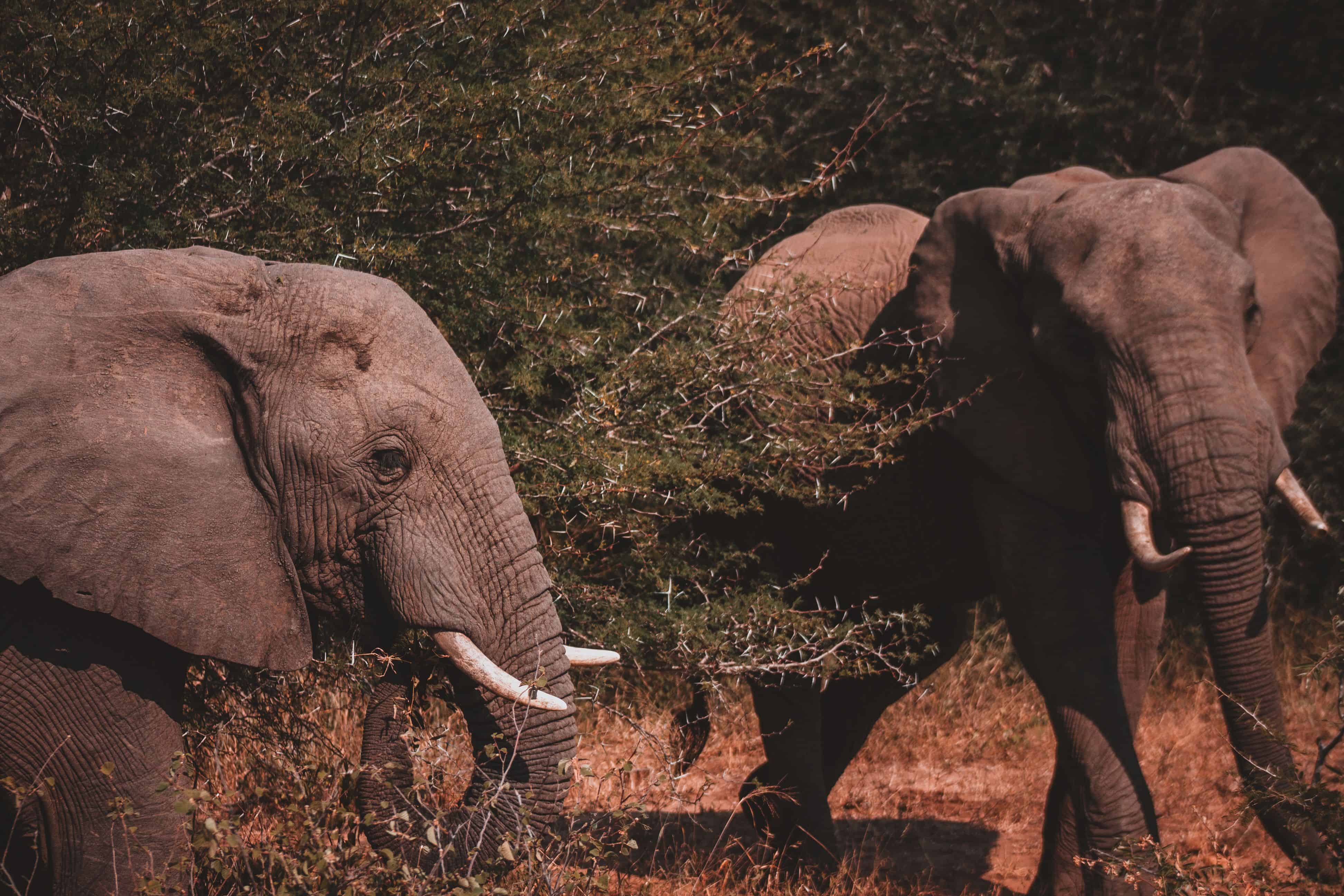
- Elephants: Large breeding herds frequent the northern sections, particularly around Letaba and Olifants camps
- Buffalo: Massive herds roam throughout the park, with concentrations in open grasslands
- Rhinoceros: Both black and white rhinos inhabit various regions, with white rhinos more common in southern grasslands
Beyond the Big Five, seek out endangered African wild dogs in the southern plains, cheetahs in open grasslands, and over 517 bird species including the magnificent martial eagle and colorful lilac-breasted roller.
Accommodation Options for Every Budget
Kruger National Park safari accommodation ranges from basic camping to ultra-luxury lodges, ensuring options for every budget and comfort preference. As of 2026, the South African National Parks authority manages numerous rest camps within the park.
Rest Camps (Budget to Mid-Range)
SANParks operates 12 main rest camps and several smaller bush camps. Popular options include Skukuza (the largest, with restaurants and shops), Lower Sabie (excellent game viewing), and Satara (prime predator territory). Accommodation ranges from campsites at 300 ZAR ($16) per night to comfortable bungalows at 1,500-3,000 ZAR ($80-160).
Private Lodges (Luxury)
Private concessions within and bordering Kruger offer exclusive experiences with superior guiding, off-road driving, and walking safaris. Expect to pay $500-2,000 per person per night, with all meals and activities included. These lodges provide intimate settings with typically just 10-20 guests.
Book accommodations 6-12 months in advance for peak season, especially for popular camps. For assistance planning your perfect safari, visit our start here page for personalized recommendations.
Kruger National Park Safari
Safari Activities and Game Drives
A Kruger National Park safari offers diverse ways to experience the wilderness beyond traditional game drives. Choosing the right combination of activities enriches your overall experience significantly.
Self-Drive Safaris
Kruger’s extensive network of tarred and gravel roads makes self-driving accessible to anyone with a standard rental car. This affordable option allows flexibility in timing and route selection. Download the park’s official app for real-time animal sighting reports from other visitors.
Guided Game Drives
Professional field guides offer morning and evening drives in open safari vehicles. Their expertise dramatically increases wildlife sightings and provides educational context about ecology and animal behavior. Night drives reveal nocturnal species like civets, genets, and hunting predators.
Walking Safaris
Multi-day wilderness trails led by armed rangers provide intimate bush experiences unavailable from vehicles. These trails accommodate just eight guests and focus on tracking animals, identifying plants, and understanding ecosystem dynamics. Book these exclusive experiences up to 13 months in advance.
Essential Planning Tips
Successful Kruger National Park safari planning involves attention to several practical details that significantly impact your experience quality and wildlife sighting success.
Entry and Permits
Daily conservation fees as of 2026 are approximately 424 ZAR ($23) for international adults and 212 ZAR ($11) for children. Gates open before sunrise (typically 5:30-6:00 AM depending on season) and close after sunset. Arrive early—the first two hours after dawn offer peak animal activity.
What to Pack
- Neutral-colored clothing (khaki, brown, olive) for both warm days and cool mornings
- Binoculars (8×42 or 10×42 magnification) for distant wildlife viewing
- Camera with telephoto lens (minimum 200mm, ideally 400mm+)
- Malaria prophylaxis—consult your physician about appropriate medication
- Sun protection: high-SPF sunscreen, wide-brimmed hat, and sunglasses
Health and Safety
Kruger lies in a malaria zone, with highest risk during summer months (November-April). Take prescribed prophylaxis, use insect repellent containing DEET, and wear long sleeves during dawn and dusk. The Centers for Disease Control provides updated malaria prevention guidelines for travelers.
Always remain in your vehicle except at designated areas. Animals may appear calm but remain wild and potentially dangerous. Never feed wildlife or leave food accessible, as this creates dangerous habituation.
Kruger National Park Safari
What Many Get Wrong About Kruger Safaris
One persistent misconception suggests that expensive luxury lodges guarantee better wildlife sightings than budget rest camps. In reality, animals roam freely throughout the park regardless of accommodation costs. While luxury lodges offer superior comfort and guiding, a well-planned self-drive safari from budget camps can yield equally spectacular wildlife encounters.
The key to sighting success lies in timing (early mornings and late afternoons), patience, strategic camp location, and multiple game drives—not accommodation price. Budget-conscious travelers often see more wildlife simply because they spend more time driving and less time at lodges.
Frequently Asked Questions
How many days should I spend on a Kruger National Park safari?
A minimum of three full days allows adequate time to explore different regions and maximize Big Five sighting opportunities. Five to seven days provides a comprehensive experience with time for varied activities including guided drives, self-driving different areas, and possibly a wilderness trail. Most visitors find 4-5 days ideal for balancing thorough exploration without wildlife fatigue.
Can I do a Kruger safari without a guide?
Absolutely. Kruger National Park is one of few African reserves where self-drive safaris are permitted and highly popular. The park’s well-maintained road network, clear signage, and rest camp facilities make independent exploration safe and rewarding. Download offline maps and the SANParks app for navigation and real-time sighting reports from other visitors.
Is Kruger National Park safe for families with children?
Yes, Kruger welcomes families and offers excellent child-friendly facilities. Rest camps feature swimming pools, restaurants, and fenced areas where children can move freely. Most camps offer family accommodation units. Children under 12 typically cannot participate in guided bush walks, but game drives accommodate all ages. The experience provides exceptional educational value for children.
What’s the difference between Kruger and private game reserves?
Kruger National Park is a public reserve with self-drive access, larger visitor capacity, and more affordable rates. Adjacent private reserves like Sabi Sand and Timbavati offer exclusive experiences with off-road driving, walking safaris, smaller guest numbers, and luxury lodges at premium prices. Private reserves often share unfenced boundaries with Kruger, meaning wildlife roams freely between both areas.
Do I need a 4×4 vehicle for Kruger safari?
No, a standard 2WD rental car suffices for most of Kruger’s roads. Main routes between camps are tarred, while many secondary roads are well-maintained gravel suitable for regular vehicles. However, higher ground clearance helps on rougher gravel roads, and 4×4 vehicles provide better wildlife visibility. Avoid attempting remote tracks after heavy rain without 4×4.
Can I see all Big Five in one Kruger safari visit?
While never guaranteed with wild animals, the probability of seeing all Big Five during a 3-5 day Kruger visit exceeds 90% with proper planning. Focus on different regions known for specific animals, drive during optimal hours (dawn and dusk), and consider booking at least one guided game drive where professional trackers maximize sighting opportunities through radio networks and expertise.
Your Kruger National Park safari promises memories that last a lifetime. From witnessing a pride of lions on the hunt to observing elephants bathing in ancient rivers, Kruger delivers authentic African wilderness experiences accessible to adventurers of all budgets and experience levels. Start planning your 2026 safari adventure today, and prepare for wildlife encounters that will exceed your wildest expectations. For more African travel inspiration and expert guidance, explore Africaning comprehensive destination resources.