
Planning a trip to Kenya requires careful consideration of seasons, wildlife migrations, and weather patterns. The best time to visit Kenya depends on your priorities—whether you’re chasing the Great Migration, seeking beach relaxation, or hoping for budget-friendly travel. This comprehensive guide will help you choose the perfect timing for your East African adventure in 2026.
Overview of Kenya’s Seasons
Kenya experiences two main seasons that significantly impact your safari experience. Unlike temperate regions with four distinct seasons, Kenya’s climate revolves around rainfall patterns that dictate wildlife behavior and accessibility.
The dry seasons run from January to March and June to October, while the rainy seasons occur from April to May (long rains) and November to December (short rains). According to the Kenyan Ministry of Tourism, visitor numbers peak during dry months when wildlife viewing is optimal.
Kenya straddles the equator, meaning temperatures remain relatively consistent year-round, averaging 20-28°C (68-82°F) in most safari regions. However, altitude creates microclimates—Nairobi sits at 1,795 meters and enjoys cooler temperatures than the coastal city of Mombasa.
Best Time for Wildlife Safaris
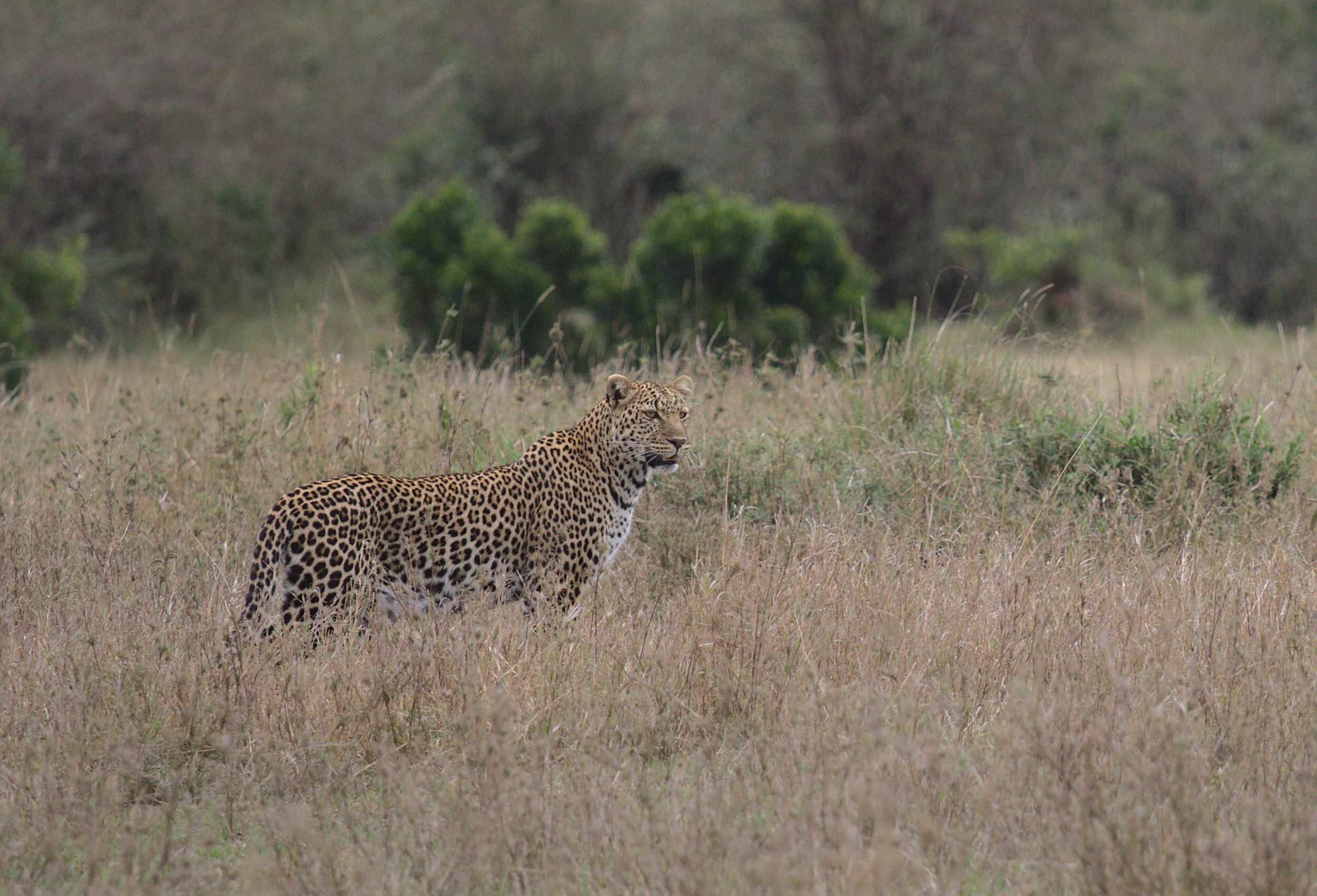
Wildlife safaris reach their peak during Kenya’s dry seasons when animals congregate around permanent water sources. The best time to visit Kenya for safari enthusiasts is typically June through October, when vegetation thins out and wildlife spotting becomes significantly easier.
During these months, you’ll witness spectacular concentrations of elephants, lions, leopards, and buffalo in parks like Maasai Mara, Amboseli, and Tsavo. The dry conditions mean animals must visit waterholes regularly, making predator-prey interactions more frequent and visible.
January to March offers another excellent window for safaris. This period features clearer skies, lush landscapes from recent rains, and the calving season when thousands of wildebeest give birth—attracting predators and creating dramatic wildlife encounters.
Peak Safari Months
- July-October: Best overall wildlife viewing and Great Migration
- January-February: Calving season with newborn animals
- June: Beginning of migration, fewer tourists, good value
- September: Peak migration river crossings, highest prices
When to See the Great Migration
The Great Migration—one of nature’s most spectacular events—involves over 1.5 million wildebeest, 200,000 zebras, and 350,000 gazelles moving between Tanzania’s Serengeti and Kenya’s Maasai Mara. Understanding migration timing is crucial for choosing the best time to visit Kenya if this phenomenon tops your bucket list.
The herds typically arrive in Kenya’s Maasai Mara between July and October, with peak river crossings at the Mara River occurring from August through September. These dramatic crossings, where thousands of wildebeest brave crocodile-infested waters, represent the migration’s most photogenic moments.
As of 2026, climate variability means exact timing can shift by several weeks. The UNESCO World Heritage Serengeti-Mara ecosystem’s migration follows rainfall patterns, so flexible travel dates increase your chances of witnessing this spectacle.
A common misconception is that the migration only happens during specific months. In reality, the herds are constantly moving in a circular pattern—you can witness different migration phases year-round if you know where to look.
Beach Season on the Kenyan Coast
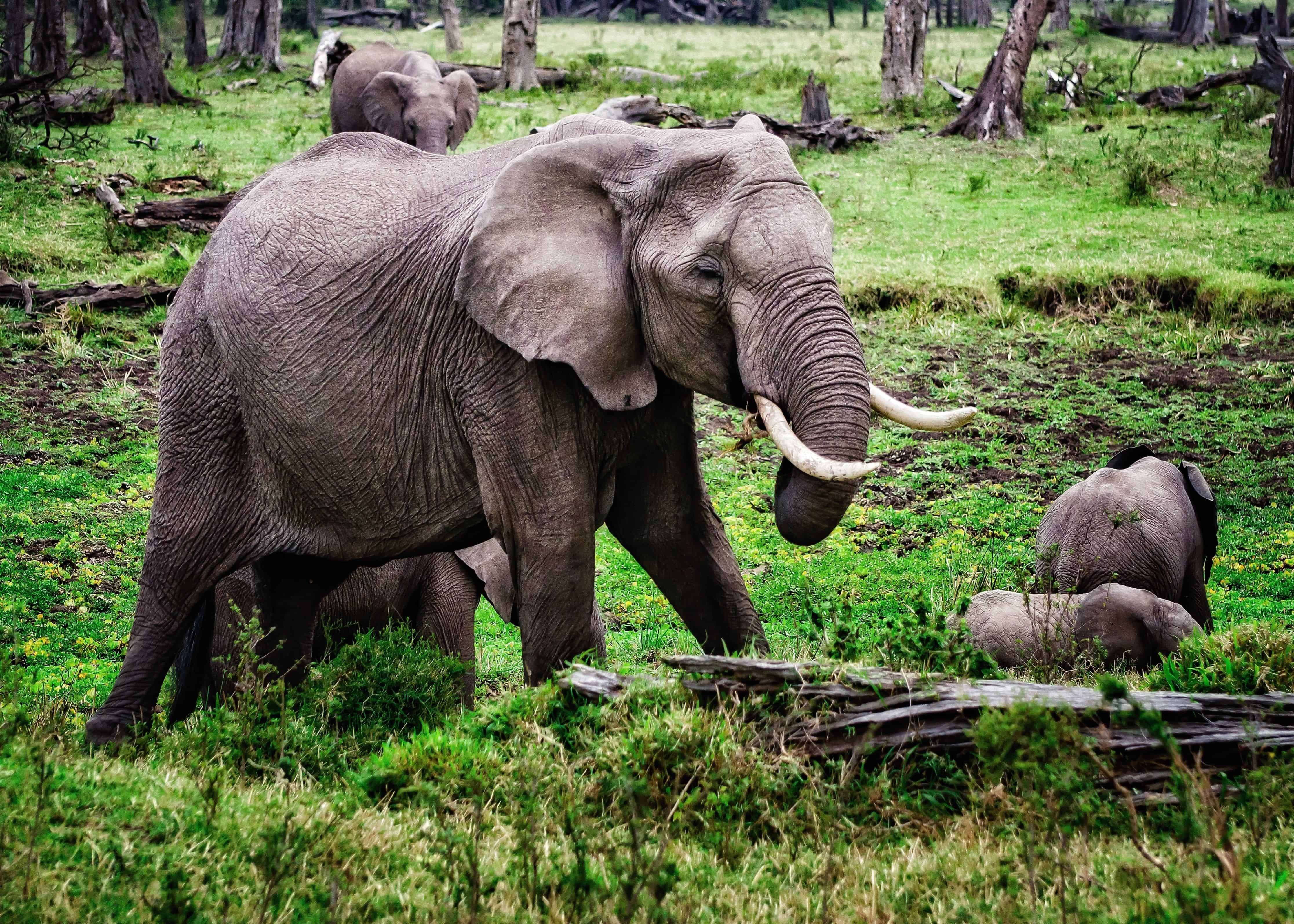
Kenya’s stunning Indian Ocean coastline, including Diani Beach, Malindi, and Lamu, enjoys tropical weather with distinct peak seasons. The best time to visit Kenya’s beaches is from December to March and July to October, when rainfall is minimal and temperatures hover around 28-32°C (82-90°F).
Many travelers combine safari experiences with beach relaxation, creating the perfect Kenyan itinerary. Consider visiting destinations through Africaning’s destinations page for comprehensive planning options.
The long rains (April-May) can disrupt beach activities, though resorts offer significant discounts during this period. The short rains (November-December) are less predictable but generally lighter, with sunshine between showers.
Best Time for Budget Travelers
Budget-conscious travelers will find the best time to visit Kenya for value is during the “shoulder” and low seasons. April, May, and November offer substantial savings—sometimes 30-50% off peak-season rates—while still providing rewarding experiences.
During these months, lodges and camps reduce prices to attract visitors despite occasional rainfall. Morning game drives often occur under clear skies, and the landscape transforms into a lush, green paradise that photographers appreciate.
Budget Travel Advantages
- Accommodation rates drop by 30-50% during low season
- Fewer tourists mean private wildlife encounters
- Migration can still be viewed in Serengeti during April-May
- Bird watching reaches its peak with migratory species
Month-by-Month Breakdown
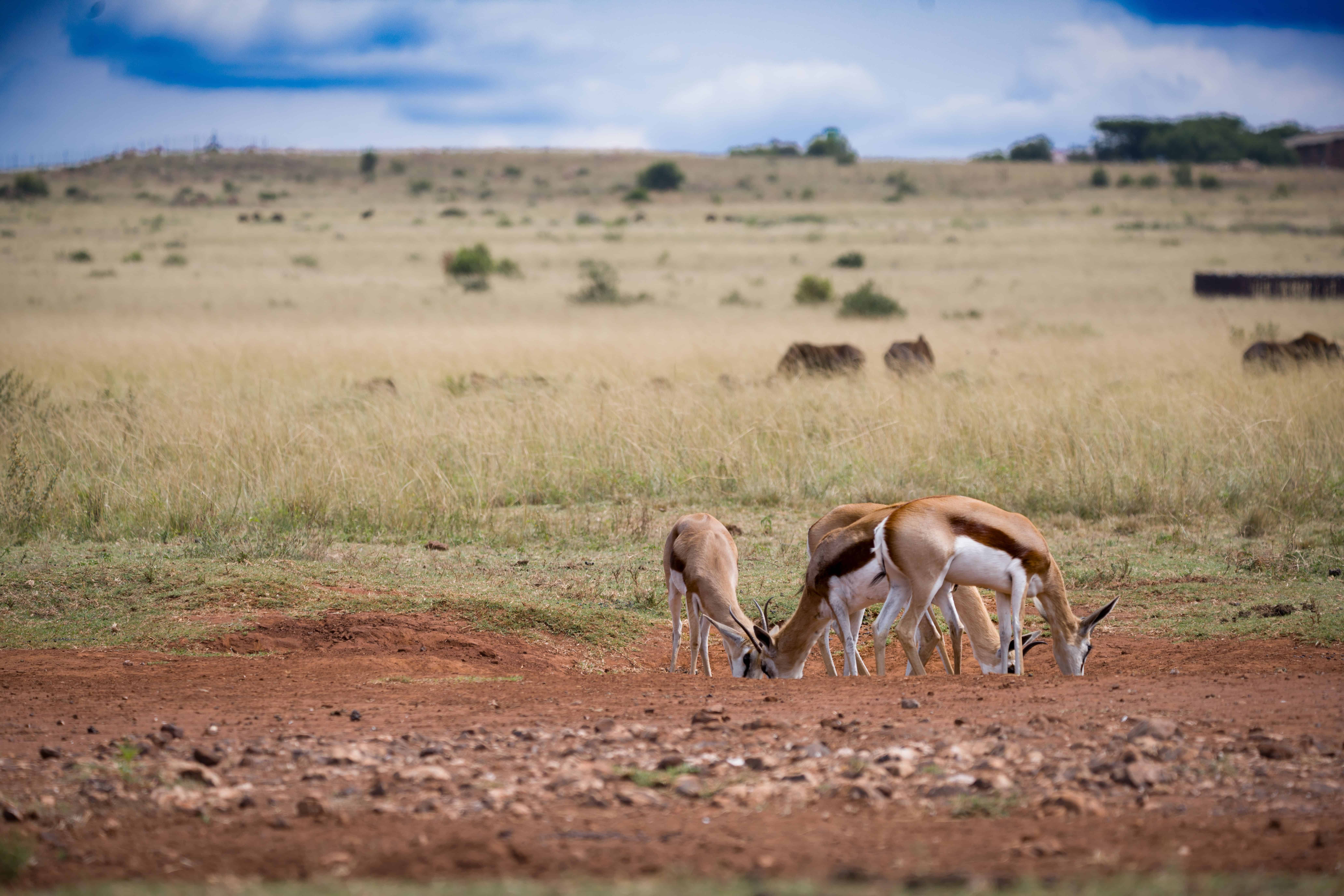
January-March: Excellent safari conditions with calving season, dry weather, and smaller crowds. Beach weather is perfect. High season pricing applies.
April-May: Long rains bring lower prices and verdant landscapes. Some remote camps close. Not ideal for first-time safari-goers but excellent for experienced travelers and photographers.
June: Dry season begins, migration arrives in Maasai Mara. Shoulder season offers good value before peak crowds in July.
July-October: Peak season with optimal wildlife viewing, Great Migration river crossings, and perfect weather. Highest prices and largest crowds. This represents the best time to visit Kenya for guaranteed wildlife experiences.
November: Short rains begin, but lighter than April-May. Good balance of lower prices and decent weather. Fewer tourists.
December: Holiday season brings crowds and higher prices. Weather improves after short rains. Excellent for beach destinations.
What to Pack for Kenya
Packing appropriately ensures comfort regardless of when you visit. Kenya’s varied climate zones—from highland forests to coastal beaches—require versatile clothing.
Essential items include lightweight, neutral-colored clothing for safaris (avoiding blue and black which attract tsetse flies), a warm fleece for cool mornings, sun protection, binoculars, and a good camera. During rainy seasons, pack waterproof gear and quick-dry clothing.
For comprehensive African travel planning, explore Africaning’s start here guide which offers expert advice for first-time visitors to the continent.
If you’re considering other African destinations, check out our guides on the best time to visit Egypt or the best time to visit Morocco for comprehensive seasonal information.
Frequently Asked Questions
What is the absolute best month to visit Kenya?
September is often considered the single best month, offering peak Great Migration activity, optimal weather, and excellent wildlife viewing. However, it’s also the most expensive and crowded. July and January offer similar conditions with slightly better value.
Is Kenya worth visiting during the rainy season?
Absolutely. The rainy seasons (April-May and November) offer significant cost savings, fewer tourists, spectacular photography opportunities with dramatic skies, and excellent bird watching. Short afternoon showers rarely disrupt morning game drives. Experienced travelers often prefer these months.
How many days should I spend in Kenya?
A minimum of 7-10 days allows you to experience both safari and beach destinations. Two weeks is ideal for exploring multiple parks like Maasai Mara, Amboseli, and Tsavo, plus relaxation on the coast. As of 2026, most international visitors spend an average of 9 days in Kenya.
Can I see the Big Five year-round in Kenya?
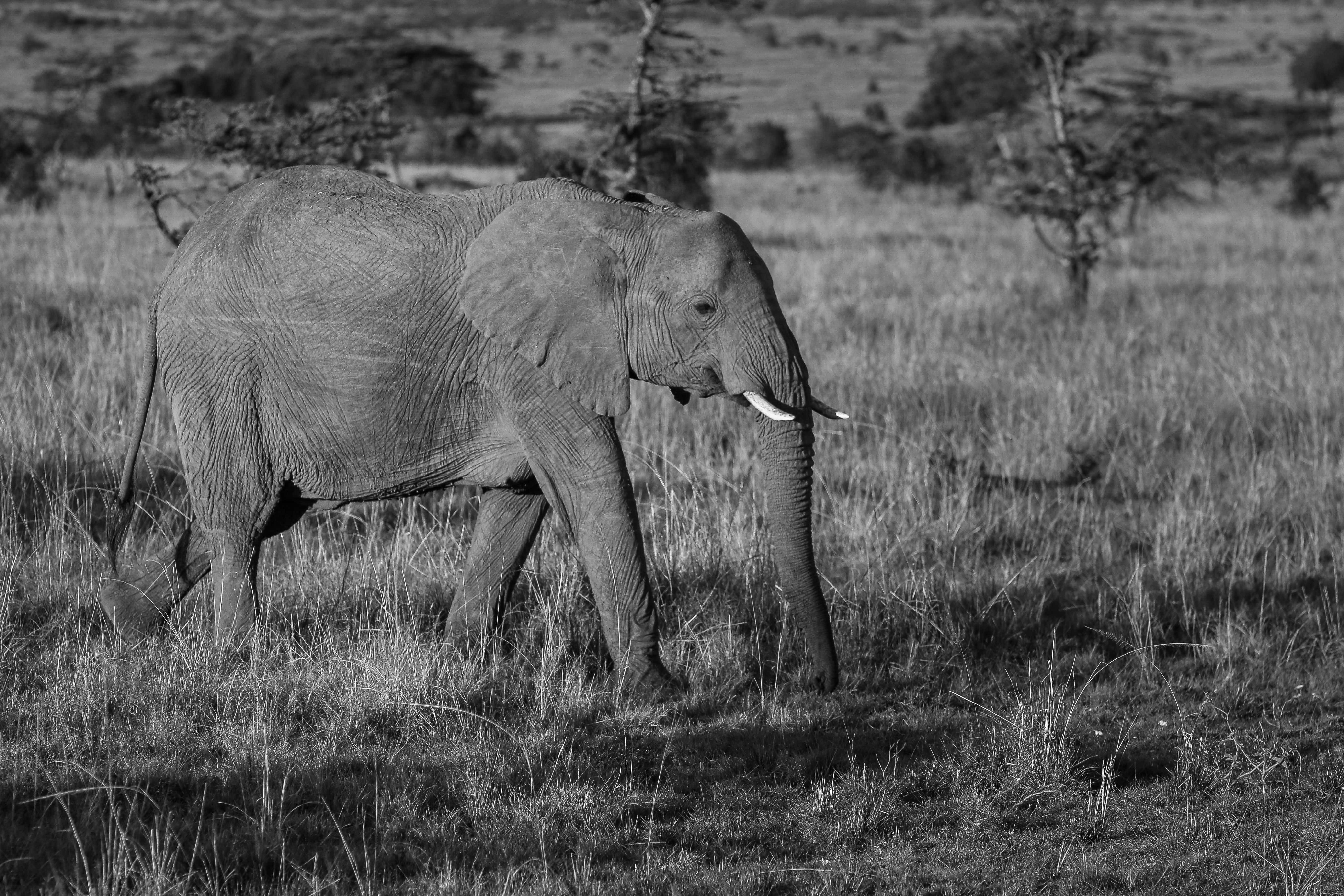
Yes, Kenya’s major national parks and conservancies host lions, leopards, elephants, buffalo, and rhinos throughout the year. While dry seasons offer easier viewing, the Big Five remain resident. Parks like Ol Pejeta Conservancy and Lake Nakuru provide year-round rhino sightings.
What’s the weather like in Nairobi versus Mombasa?
Nairobi sits at high altitude (1,795m) and enjoys cooler temperatures (10-26°C) with crisp mornings and evenings. Mombasa, at sea level, is tropical and humid (22-32°C) year-round. When planning the best time to visit Kenya, consider visiting both regions for climate variety.
Do I need vaccinations to visit Kenya?
Yes, yellow fever vaccination is required if arriving from endemic countries. The World Health Organization recommends additional vaccinations including hepatitis A, typhoid, and routine immunizations. Malaria prophylaxis is advised for most regions except Nairobi and high-altitude areas.
In conclusion, the best time to visit Kenya ultimately depends on your priorities. Wildlife enthusiasts should target June through October for the Great Migration and optimal game viewing. Budget travelers will appreciate April, May, and November’s lower prices and authentic experiences. Beach lovers can’t go wrong with December through March for perfect coastal weather. Whatever season you choose, Kenya delivers unforgettable African adventures year-round. For more personalized planning assistance, visit Africaning’s contact page to connect with expert travel advisors.