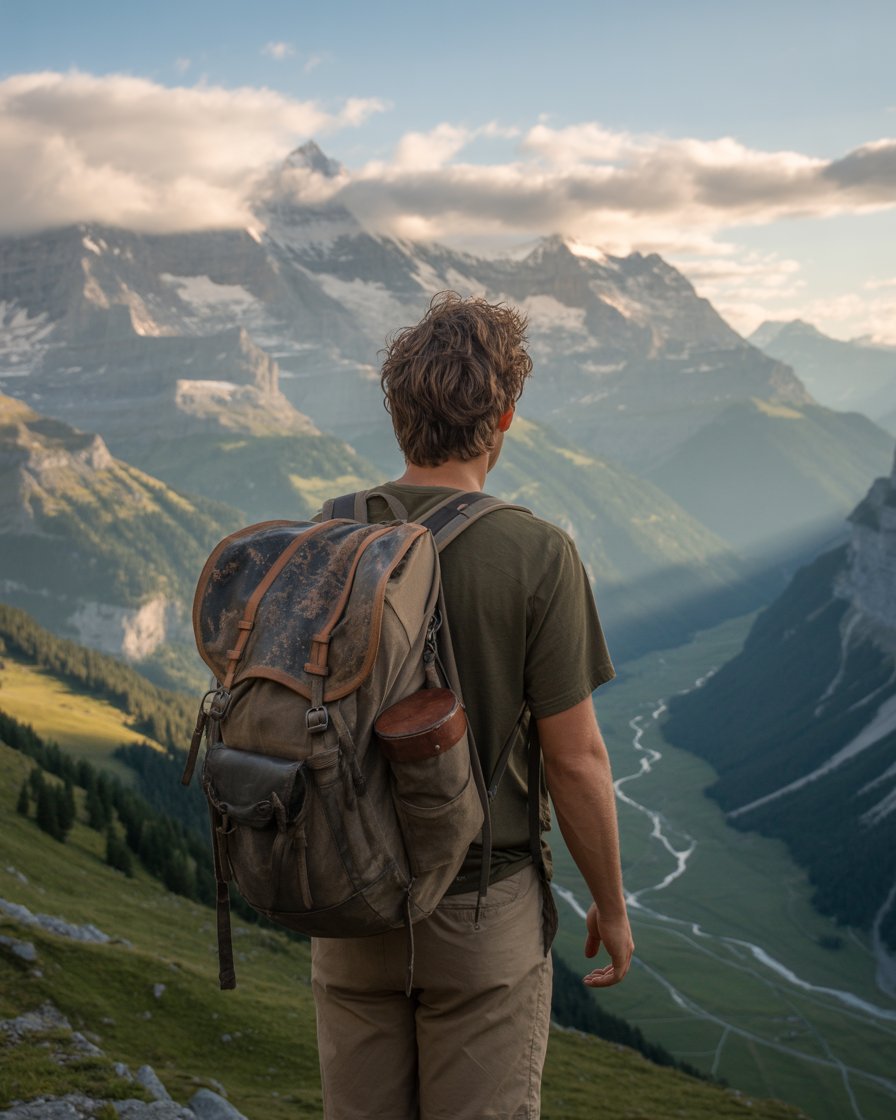
Planning a South Africa Garden Route itinerary is essential for experiencing one of the world’s most spectacular coastal drives. Stretching approximately 300 kilometers along South Africa’s southeastern coast, the Garden Route connects Mossel Bay to Storms River, offering breathtaking landscapes, diverse wildlife, and unforgettable adventures. This comprehensive guide will help you craft the perfect journey through this remarkable region.
Understanding the Garden Route
The Garden Route earned its name from the diverse vegetation and lush forests that characterize this coastal paradise. According to Wikipedia’s Garden Route overview, this region encompasses several protected areas including national parks, nature reserves, and marine reserves.
As of 2026, the Garden Route attracts over 1.5 million visitors annually, making it South Africa’s second most popular tourist destination after Cape Town. The route combines pristine beaches, ancient forests, dramatic mountain passes, and charming coastal towns into one unforgettable journey.
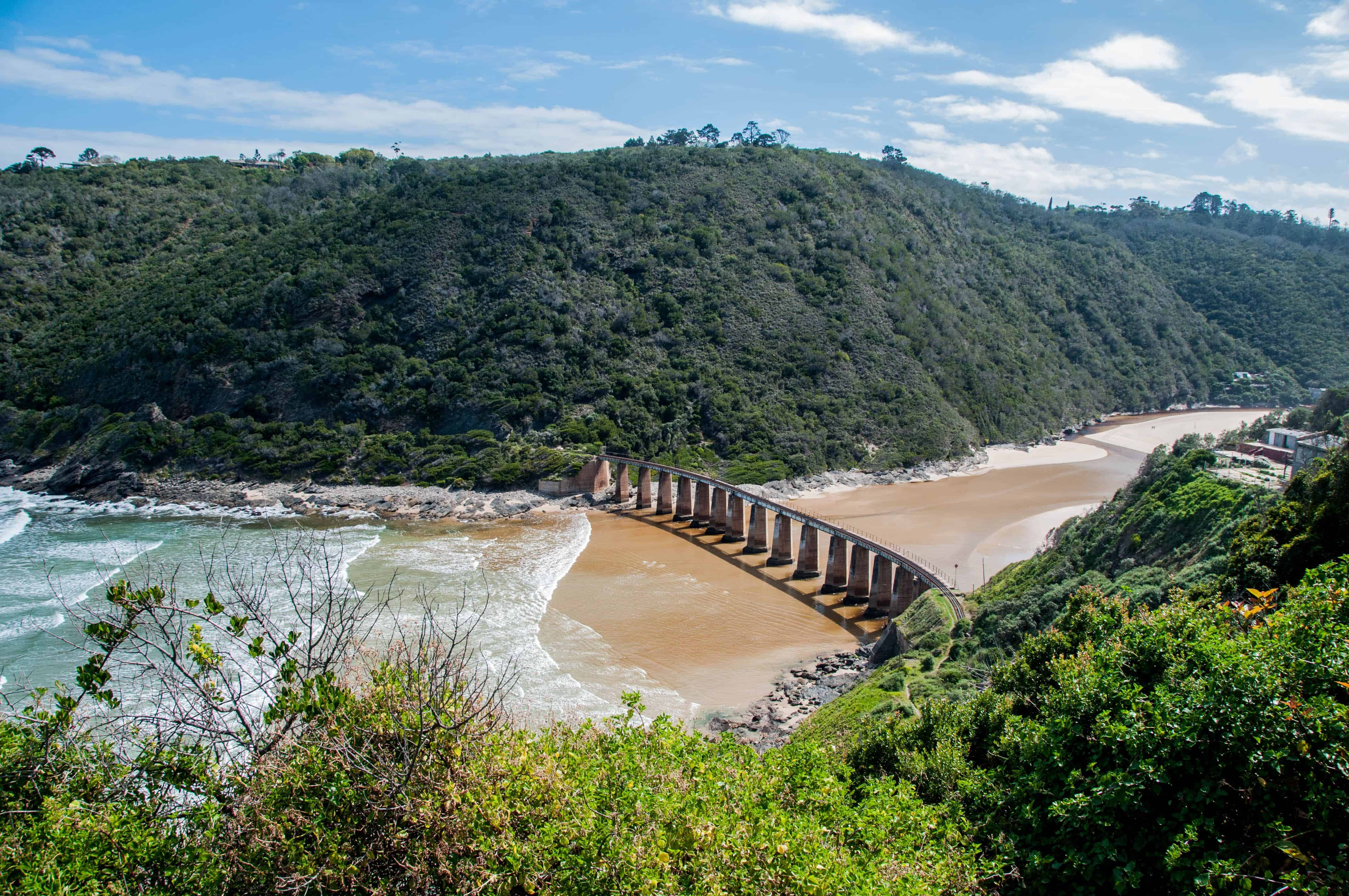
Quick Garden Route Facts
Distance: 300 km (main route)
Recommended Duration: 5-7 days
Best Time: September to May
Main Highlights: Tsitsikamma National Park, Knysna Heads, Plettenberg Bay, Oudtshoorn
Planning Your Garden Route Journey
Creating the perfect South Africa Garden Route itinerary requires careful consideration of timing, transportation, and priorities. Most travelers begin in either Cape Town or Port Elizabeth, with the western starting point offering more flexibility for combining the route with other African destinations.
How Long to Spend on the Garden Route
While you could technically drive the Garden Route in a single day, this would mean missing its greatest treasures. A minimum of five days allows you to experience the highlights, while seven to ten days enables deeper exploration and relaxation.
The ideal South Africa Garden Route itinerary balances active adventures with leisurely beach time. Consider your interests: wildlife enthusiasts might allocate extra time for safari opportunities, while adventure seekers should budget additional days for hiking and water sports.
Detailed Day-by-Day South Africa Garden Route Itinerary
Day 1: Mossel Bay
Start your journey in Mossel Bay, known for its mild climate and historical significance. Visit the Bartolomeu Dias Museum Complex, which commemorates the Portuguese explorer’s 1488 landing. The town offers excellent shark cage diving opportunities and beautiful beaches for swimming.
Don’t miss the Post Office Tree, a 500-year-old milkwood tree that served as a mail drop for sailors. Spend the afternoon exploring Santos Beach or trying fresh seafood at local restaurants.
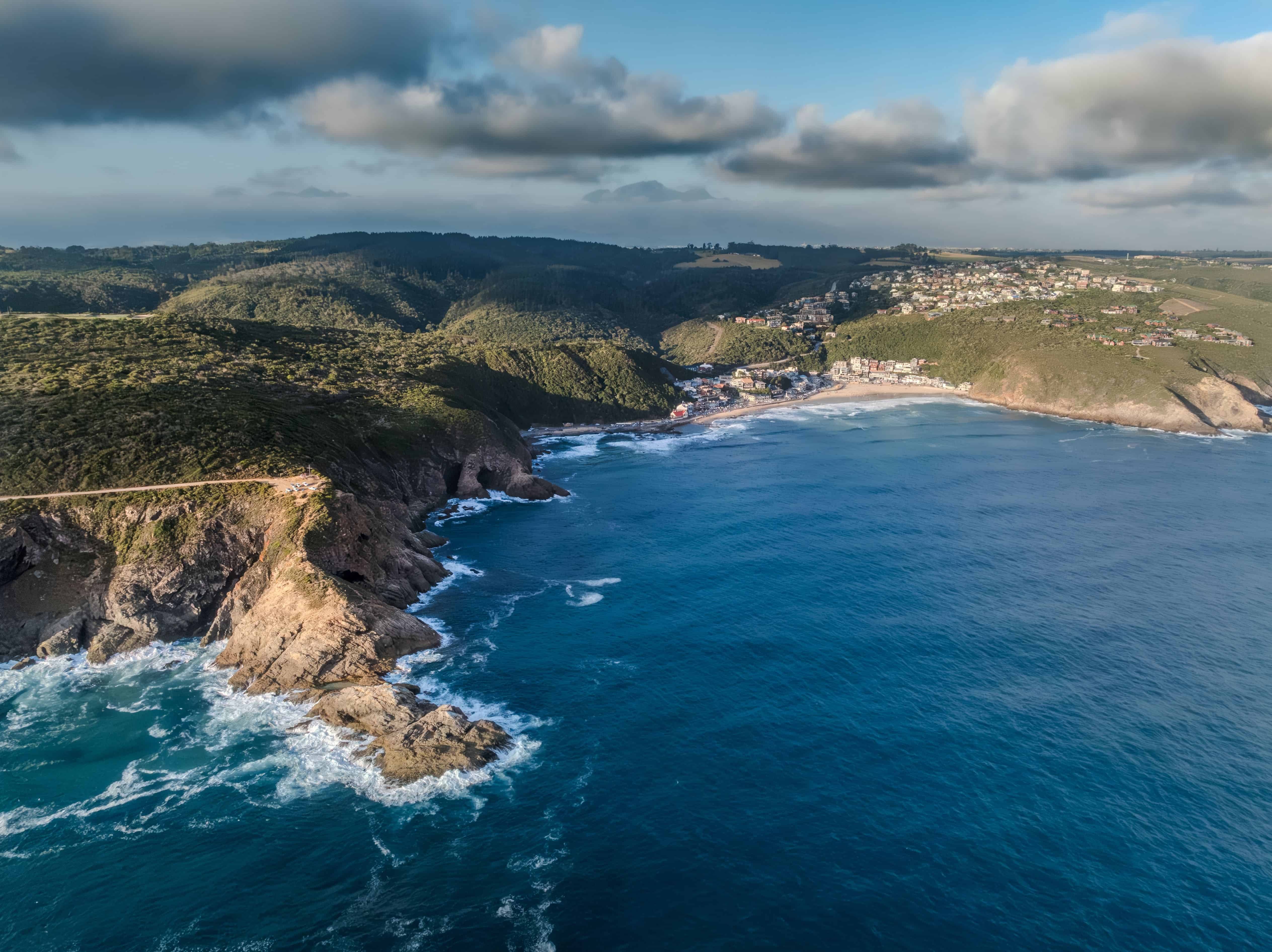
Day 2-3: Wilderness and Knysna
Drive to Wilderness, a small town surrounded by lakes, rivers, and indigenous forests. The Garden Route National Park encompasses several sections here, offering excellent hiking trails and bird watching opportunities.
Continue to Knysna, famous for its lagoon and the iconic Knysna Heads—two sandstone cliffs guarding the lagoon entrance. Key activities include:
- Cruising the Knysna Lagoon at sunset
- Visiting the Knysna Elephant Park
- Exploring the Featherbed Nature Reserve
- Shopping at the Knysna Waterfront
- Hiking in the indigenous forests
Day 4-5: Plettenberg Bay
Plettenberg Bay, affectionately called “Plett,” offers pristine beaches and abundant marine life. Between June and November, southern right whales frequent the bay, while dolphins are visible year-round. This stop in your South Africa Garden Route itinerary provides perfect opportunities for relaxation and water activities.
Visit the Robberg Nature Reserve for spectacular coastal hiking with panoramic ocean views. The Birds of Eden and Monkeyland sanctuaries offer unique wildlife encounters in natural settings.
Day 6: Tsitsikamma National Park
Tsitsikamma National Park represents the Garden Route’s wild heart. The Storms River Mouth offers dramatic coastal scenery, ancient forests, and the famous suspension bridge crossing the river gorge.
Adventure seekers can tackle the world’s highest commercial bridge bungee jump from Bloukrans Bridge (216 meters). The Otter Trail, one of South Africa’s most popular multi-day hikes, begins here.
Day 7: Oudtshoorn (Optional Extension)
Although slightly inland, Oudtshoorn makes an excellent addition to any South Africa Garden Route itinerary. Known as the ostrich capital of the world, the town offers unique farm experiences and the spectacular Cango Caves—a system of limestone caverns featuring impressive stalactite formations.
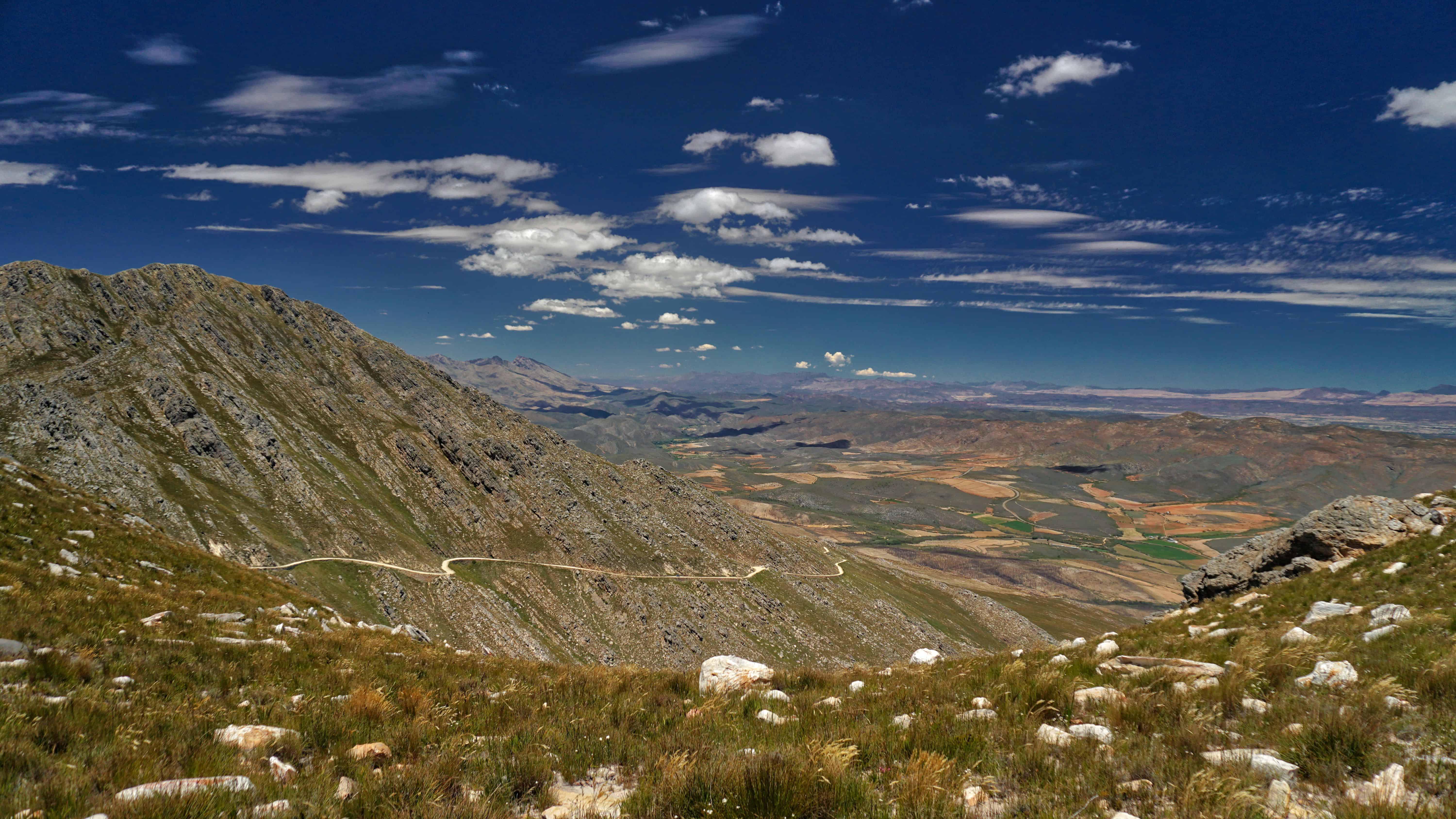
Essential Activities Along the Route
Wildlife Encounters
The Garden Route provides diverse wildlife experiences without requiring a traditional safari. Addo Elephant National Park lies within easy reach, offering big game viewing including the Big Five.
Marine life watching ranks among the region’s top attractions. Whale season (June to November) brings southern right whales close to shore, while dolphins, seals, and occasionally orcas appear throughout the year.
Adventure Activities
Thrill-seekers will find numerous opportunities along the route:
- Bungee jumping at Bloukrans Bridge
- Ziplining through Tsitsikamma forests
- Shark cage diving in Mossel Bay
- Kayaking with seals in Plettenberg Bay
- Paragliding from Wilderness heights
- Mountain biking through indigenous forests
Practical Travel Tips for Your Garden Route Journey
Transportation
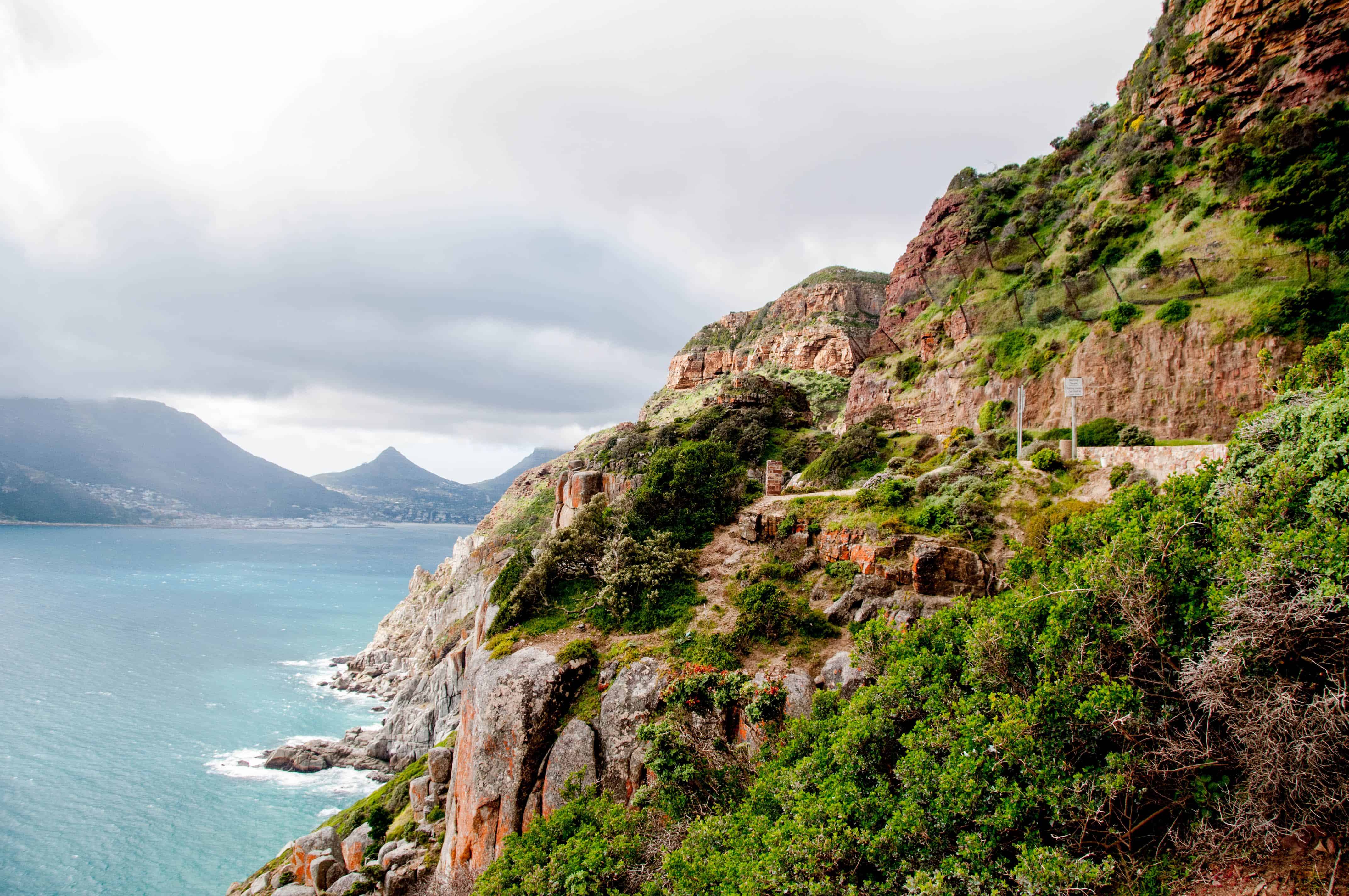
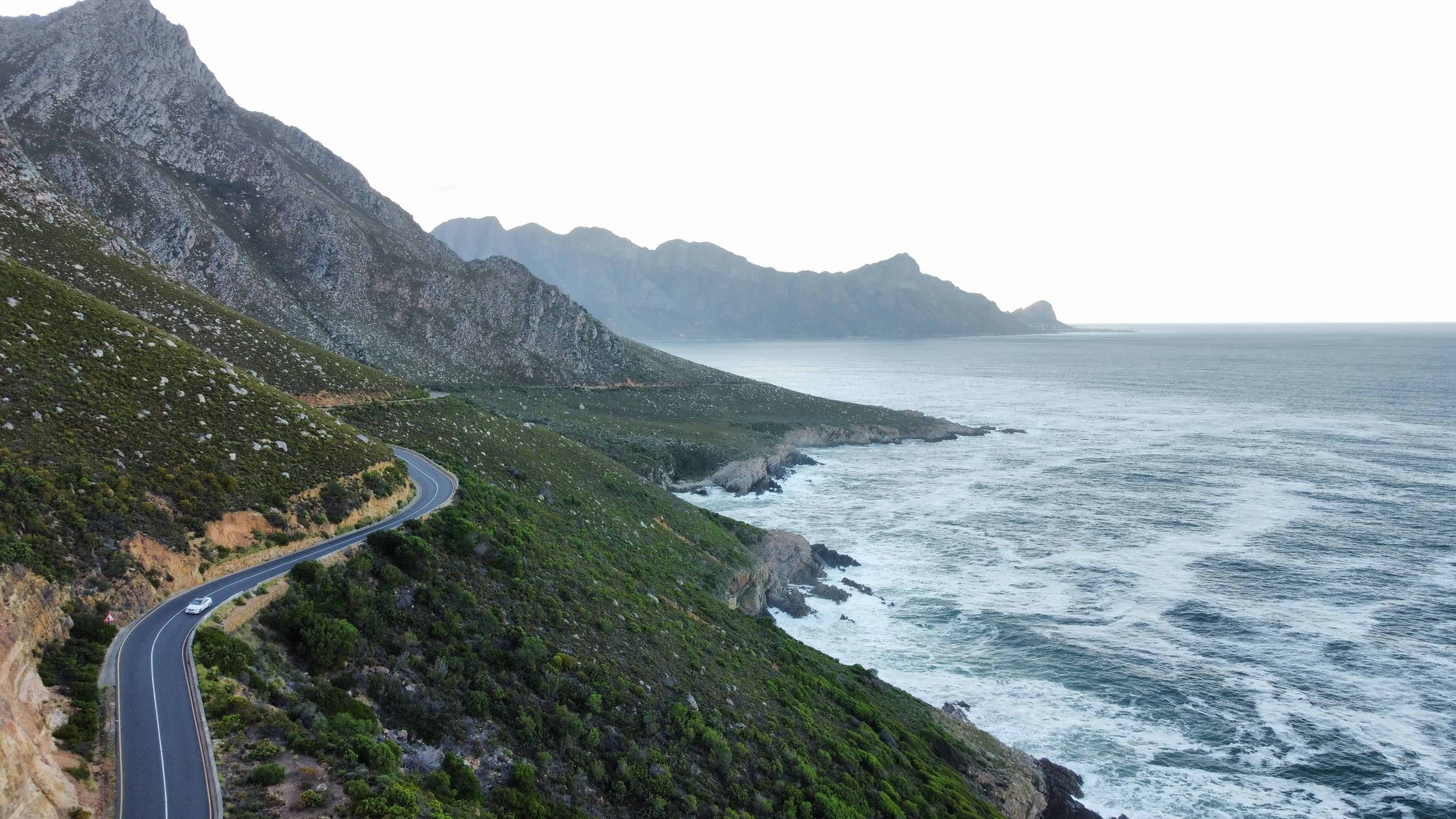
Renting a car provides the most flexibility for exploring the Garden Route. The N2 highway forms the main route, with well-maintained roads and clear signage. Book your vehicle through Africaning for competitive rates and reliable service.
Self-driving allows spontaneous stops at viewpoints, farm stalls, and hidden beaches. Fuel stations appear regularly along the route, though it’s wise to fill up in larger towns.
Best Time to Visit
The Garden Route enjoys a mild climate year-round, but the ideal visiting period runs from September through May. Summer (December to February) brings warm weather perfect for beach activities, though accommodations book quickly during South African school holidays.
Spring (September to November) showcases wildflower blooms and comfortable temperatures. Winter (June to August) offers whale watching opportunities and fewer crowds, though some activities may be weather-dependent.
Budget Considerations
A mid-range South Africa Garden Route itinerary typically costs $100-150 per person daily, including accommodation, meals, fuel, and activities. Budget travelers can reduce costs by staying in guesthouses and self-catering, while luxury lodges and fine dining increase expenses considerably.
Many national park activities require entrance fees, with the Wild Card providing good value for visitors planning multiple park visits. For comprehensive travel planning assistance, visit our Start Here page.
Accommodation Options
The Garden Route offers accommodation for every budget and preference. Luxury options include boutique hotels overlooking the ocean and private game lodges in nature reserves. Mid-range travelers will find excellent guesthouses, bed-and-breakfasts, and self-catering apartments.
Booking accommodations in advance is essential during peak season (December to January). Many properties offer special rates for extended stays, making them ideal for travelers following a leisurely South Africa Garden Route itinerary.
Popular accommodation hubs include Knysna, Plettenberg Bay, and Wilderness. Each offers different atmospheres: Knysna provides upscale dining and shopping, Plett focuses on beach life, while Wilderness attracts nature lovers seeking tranquility.
Common Misconceptions About the Garden Route
One widespread misconception is that the Garden Route requires a 4×4 vehicle. In reality, standard rental cars handle all main routes and most attractions perfectly well. The N2 highway and connecting roads are paved and well-maintained.
Another myth suggests the Garden Route is only suitable for summer visits. While summer offers beach weather, other seasons provide unique advantages: fewer crowds, better wildlife viewing, and lower accommodation rates make shoulder seasons equally appealing.
Frequently Asked Questions
How many days do you need for the Garden Route?
A minimum of 5 days allows you to experience the main highlights without rushing. However, 7-10 days provides a more relaxed pace and enables exploration of additional attractions and activities. Your ideal duration depends on your interests and whether you’re including optional extensions like Oudtshoorn or Addo Elephant National Park.
What is the best starting point for the Garden Route?
Most travelers start from either Cape Town (western approach) or Port Elizabeth (eastern approach). Starting from Cape Town offers more flexibility for combining the Garden Route with Cape Winelands and other Western Cape attractions. The route works equally well in either direction, so choose based on your overall South African itinerary and flight arrangements.
Is the Garden Route safe for solo travelers?
Yes, the Garden Route is generally very safe for solo travelers who exercise normal precautions. Stick to main roads, avoid driving after dark, and choose reputable accommodations. The route is well-traveled and tourist-friendly, with excellent infrastructure. Solo travelers often meet others along the way, particularly at popular stops like Knysna and Plettenberg Bay.
Can you do the Garden Route without a car?
While possible using the Baz Bus (a hop-on-hop-off service for backpackers) or organized tours, having your own vehicle provides significantly more freedom and flexibility. Many Garden Route highlights lie off the main highway, requiring independent transport. If you prefer not to drive, consider joining a small-group guided tour that covers the major attractions.
What wildlife can you see on the Garden Route?
The Garden Route offers diverse wildlife including southern right whales (June-November), dolphins, seals, African penguins, and numerous bird species. Forest areas host small mammals and unique flora. For big game, add Addo Elephant National Park to your itinerary, where you can see elephants, lions, rhinos, buffalo, and leopards—completing the Big Five experience.
What should I pack for the Garden Route?
Pack layers as weather can vary significantly throughout the day. Essential items include sunscreen, comfortable walking shoes, swimwear, a light rain jacket, binoculars for wildlife watching, and casual clothing. If visiting during winter (June-August), bring warmer layers for evenings. Don’t forget your camera—the Garden Route offers endless photo opportunities.
Crafting the perfect South Africa Garden Route itinerary combines careful planning with flexibility for spontaneous discoveries. This remarkable coastal journey offers something for every traveler: adventure seekers, nature enthusiasts, beach lovers, and those simply seeking stunning scenery and relaxation.
From the dramatic cliffs of the Knysna Heads to the ancient forests of Tsitsikamma, each stop reveals new wonders. Whether you’re watching whales breach offshore, hiking through indigenous forests, or simply enjoying fresh seafood at a seaside restaurant, the Garden Route creates memories that last a lifetime.
Ready to plan your Garden Route adventure? Contact us for personalized itinerary planning and expert advice. For more information about planning your African journey, explore our comprehensive guides at About Africaning and discover why this route remains one of the world’s most spectacular coastal drives.