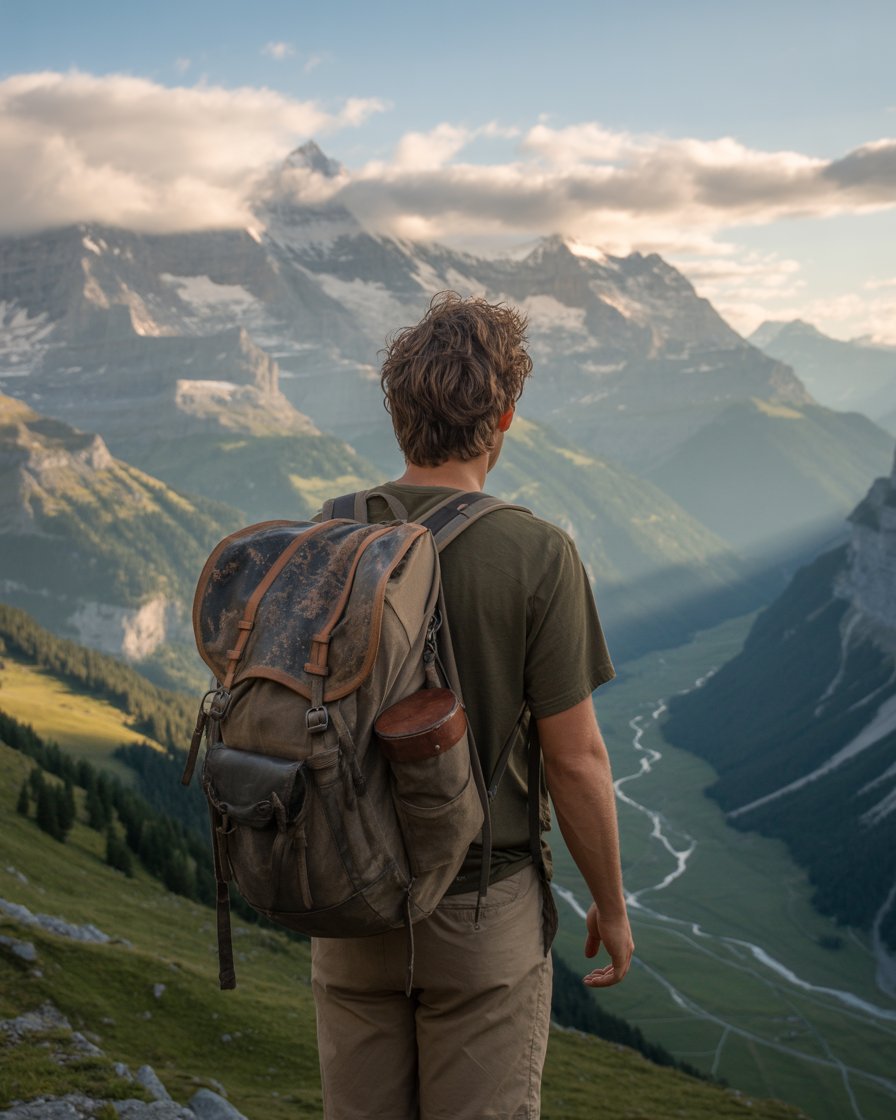
Standing at 5,895 meters (19,341 feet) above sea level, Mount Kilimanjaro represents Africa’s highest peak and one of the world’s most accessible high-altitude climbs. This comprehensive mount kilimanjaro climbing guide provides everything you need to successfully summit Uhuru Peak, from route selection and physical preparation to budgeting and safety protocols.
Whether you’re an experienced mountaineer or a first-time high-altitude trekker, understanding the nuances of this iconic UNESCO World Heritage Site can mean the difference between success and failure. As of 2026, approximately 35,000 people attempt to climb Kilimanjaro annually, with summit success rates varying dramatically between 45% and 90% depending on route and acclimatization strategy.
Quick Facts: Mount Kilimanjaro
Elevation: 5,895 meters (19,341 feet)
Location: Tanzania, East Africa
Climate Zones: 5 distinct ecological zones
Average Summit Time: 5-9 days
Success Rate: 45-90% (route-dependent)
Understanding Mount Kilimanjaro
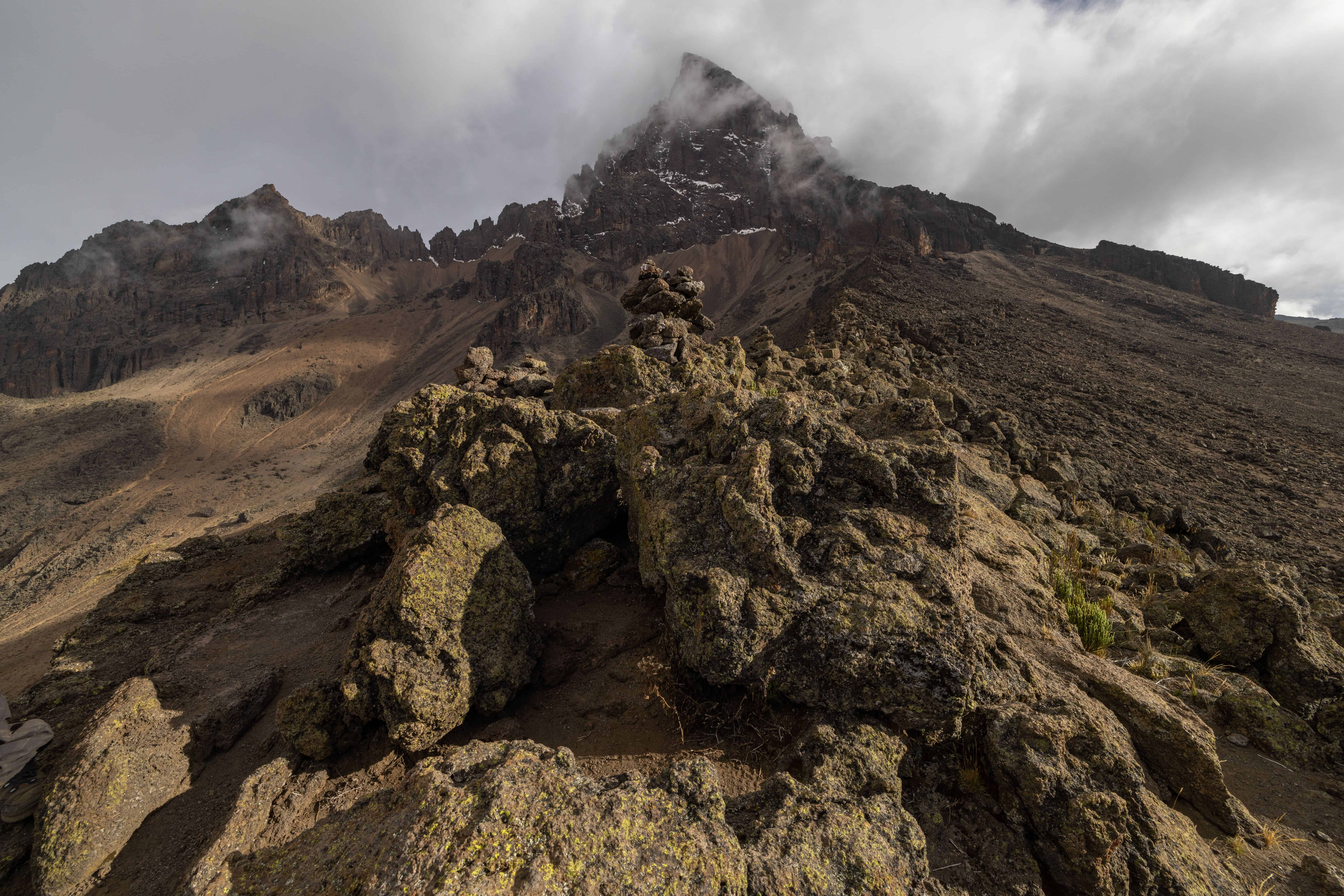
Mount Kilimanjaro is a dormant stratovolcano composed of three distinct volcanic cones: Kibo, Mawenzi, and Shira. The highest point, Uhuru Peak, sits on the crater rim of Kibo. Unlike technical mountain climbs requiring ropes and specialized equipment, Kilimanjaro is classified as a high-altitude trek, making it accessible to determined hikers with proper preparation.
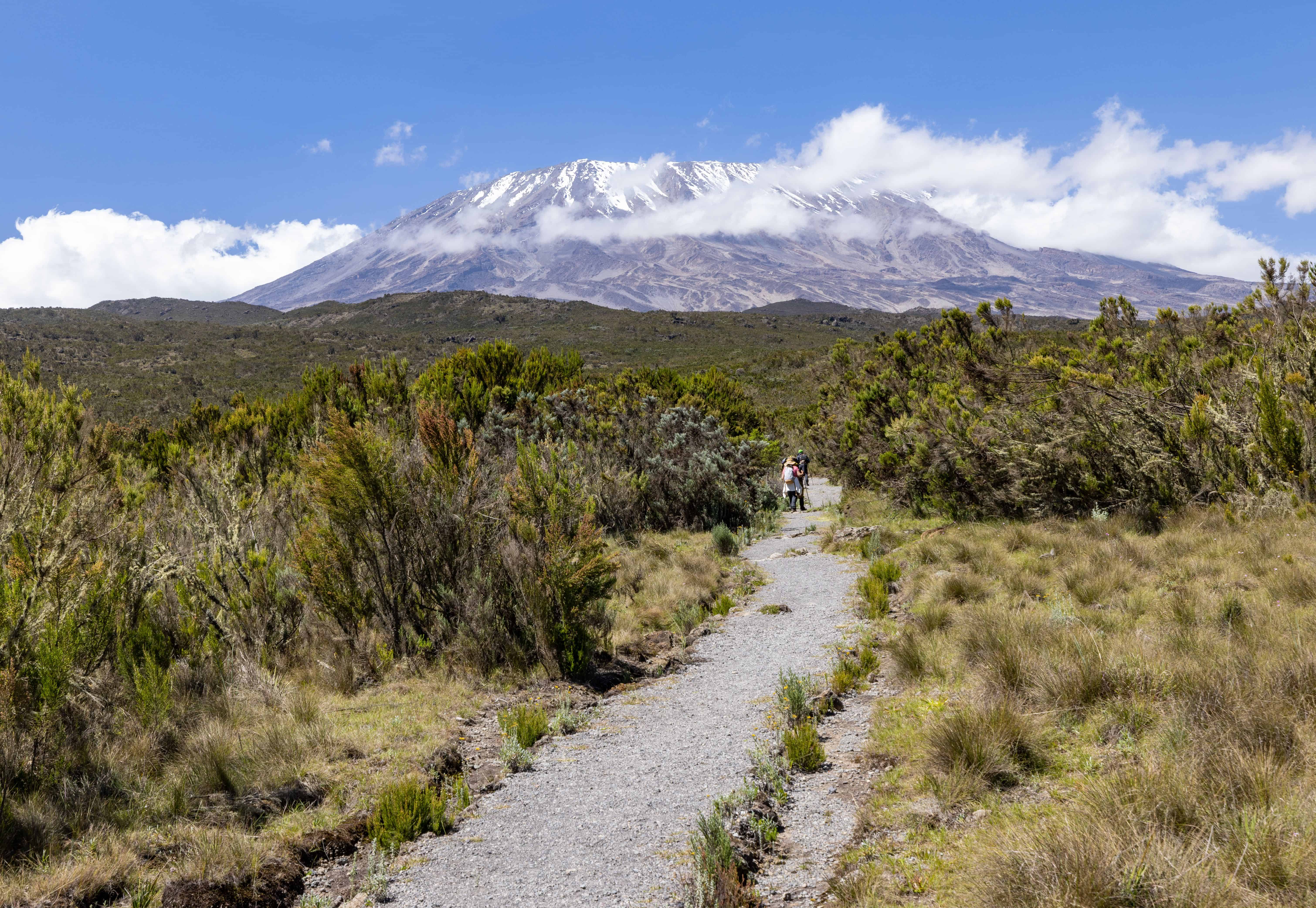
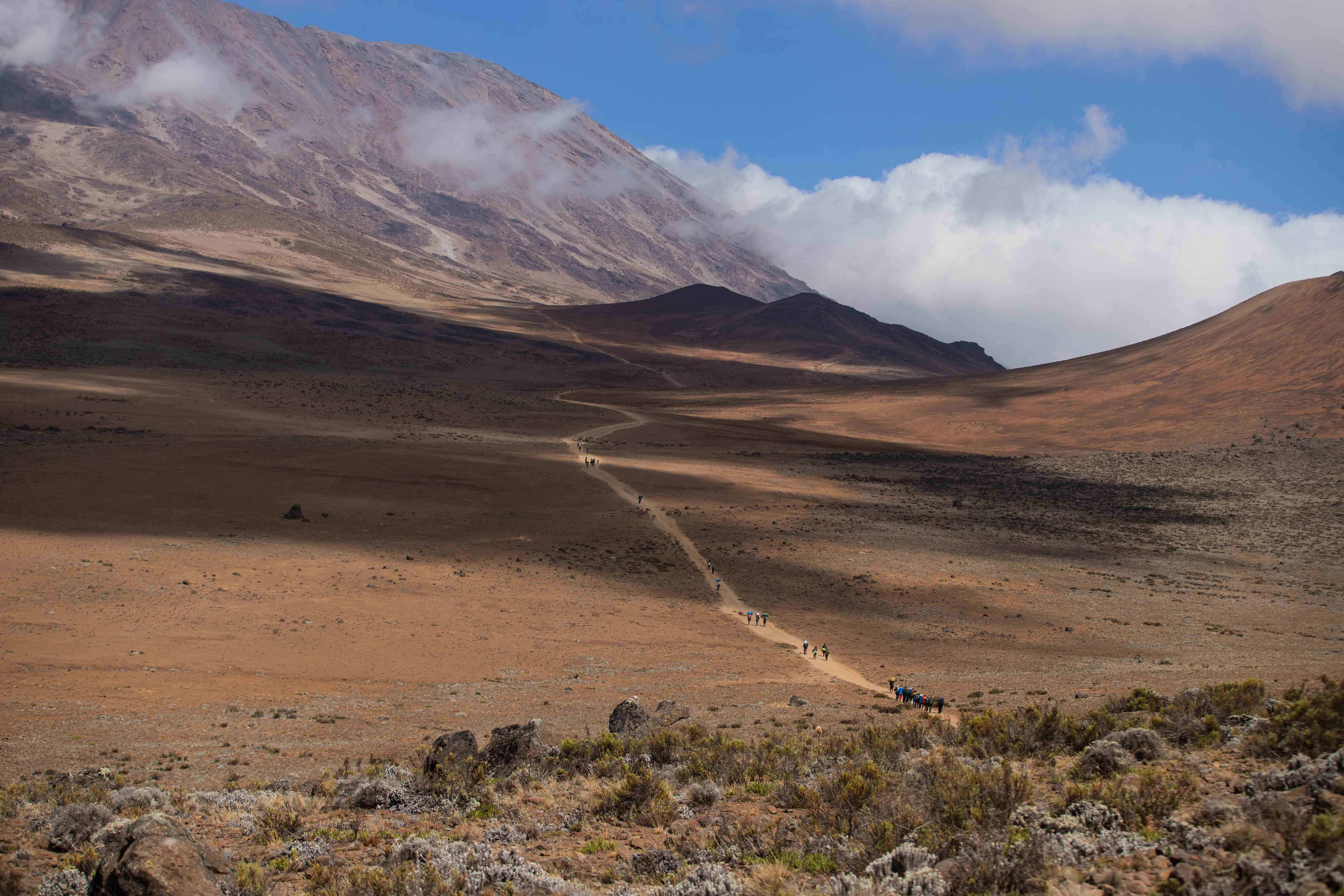
The mountain features five ecological zones that climbers traverse: cultivated farmland (800-1,800m), rainforest (1,800-2,800m), heath and moorland (2,800-4,000m), alpine desert (4,000-5,000m), and arctic summit (5,000m+). Each zone presents unique challenges and breathtaking landscapes.
According to Tanzania National Parks Authority, the mountain attracts climbers from over 100 countries annually, making it one of Africa’s premier adventure destinations. If you’re planning an African adventure, explore more destinations across the continent.
Choosing Your Climbing Route
This mount kilimanjaro climbing guide covers seven official routes, each offering distinct advantages, challenges, and scenery. Your route choice significantly impacts your summit success probability.
Machame Route (“Whiskey Route”)
The most popular route, Machame offers excellent acclimatization through its “climb high, sleep low” profile. Typically completed in 6-7 days, it boasts a 60-70% success rate. The route traverses diverse terrain including rainforest, moorland, and alpine desert, culminating in a challenging summit night.
Best for: First-time climbers seeking scenic variety and good acclimatization.
Lemosho Route
Considered the most scenic route, Lemosho approaches from the west with 7-8 days for optimal acclimatization. Success rates reach 85-90%, making it ideal for those prioritizing summit success. The route joins with Machame on day 3.
Best for: Climbers with flexible schedules wanting the highest success probability.
Marangu Route (“Coca-Cola Route”)
The only route offering hut accommodation, Marangu is often mistakenly considered the easiest. Its 5-6 day itinerary and gradual ascent profile result in lower acclimatization, with success rates around 45-50%.
Best for: Those preferring hut accommodation over camping (though 6-day minimum recommended).
Rongai Route
Approaching from the north near the Kenyan border, Rongai experiences less precipitation and fewer crowds. The 6-7 day trek offers 65-75% success rates and gentler gradients.
Best for: Climbers seeking solitude and drier conditions during rainy seasons.
Best Time to Climb Kilimanjaro
Kilimanjaro can be climbed year-round, but timing significantly affects your experience. The mountain has two primary climbing seasons aligned with Tanzania’s dry periods.
January to March: Offers the coldest but clearest conditions with minimal precipitation. Summit temperatures range from -20°C to -10°C (-4°F to 14°F). This period sees fewer climbers than the peak season.
June to October: The most popular climbing window, featuring stable weather and moderate temperatures. July-August experiences the highest traffic but also the most reliable conditions. Success rates peak during these months.
April-May and November: The long and short rainy seasons respectively. While possible to climb, expect muddy trails, reduced visibility, and lower success rates. Budget operators often discount trips during these periods.
For comprehensive African travel planning, check our guide on getting started with African adventures.
Physical Preparation and Training
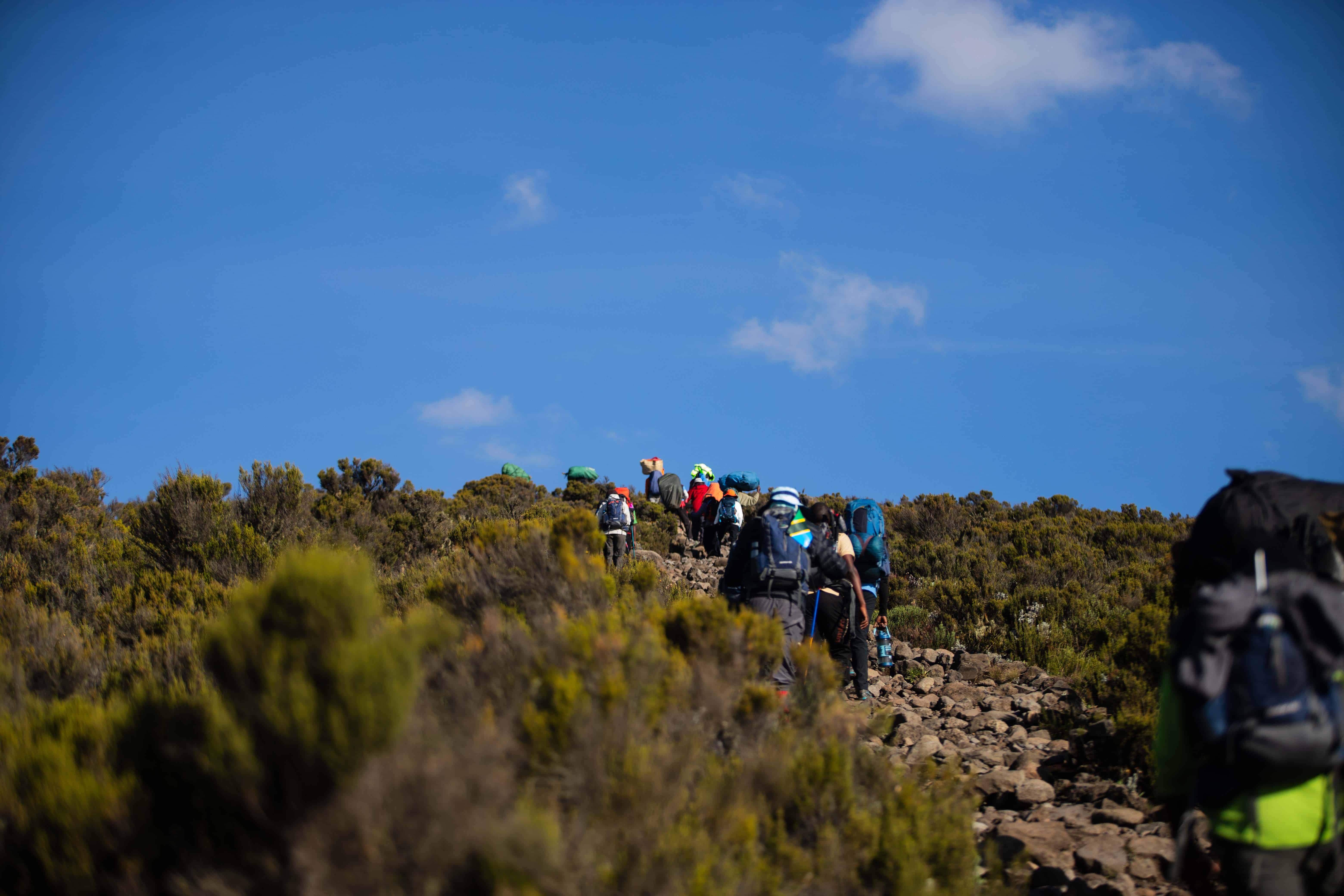
A successful Kilimanjaro climb requires months of physical preparation. While technical climbing skills aren’t necessary, cardiovascular fitness and leg strength are crucial for 6-8 hour daily hiking at altitude.
Training Timeline (3-6 Months Before)
- Cardiovascular endurance: Build to 4-5 hours of continuous hiking weekly
- Leg strength: Incorporate stair climbing, squats, and lunges 3x weekly
- Weighted training: Practice hiking with a 8-10kg (18-22lb) daypack
- Altitude exposure: If possible, train at elevation or consider pre-climb acclimatization treks
- Mental preparation: Develop strategies for managing discomfort and maintaining motivation
One common misconception: you don’t need to be an ultra-athlete to summit Kilimanjaro. Mental determination and proper pacing often outweigh pure fitness. Many climbers in average physical condition succeed through gradual acclimatization and steady effort.
Essential Gear and Packing List
Quality gear is non-negotiable for a safe and comfortable Kilimanjaro climb. This mount kilimanjaro climbing guide emphasizes the layering system essential for temperature variations from 30°C (86°F) at the base to -20°C (-4°F) at the summit.
Critical Clothing Items
- Base layers: Moisture-wicking synthetic or merino wool (2-3 sets)
- Insulation: Fleece mid-layer and down/synthetic jacket rated to -20°C
- Outer shell: Waterproof, breathable jacket and pants
- Extremities: Warm gloves (liner + insulated), wool socks (4-5 pairs), insulated boots rated to -25°C
- Head protection: Balaclava, warm hat, sun hat, sunglasses with UV protection
Essential Equipment
- Four-season sleeping bag rated to -15°C (5°F) minimum
- Trekking poles (reduce knee stress by 25% according to studies)
- Headlamp with extra batteries
- 1-2 liter water bottles or hydration system with insulation
- High-SPF sunscreen and lip balm
- Personal first-aid kit including blister treatment
- Altitude medication (consult physician)
Most outfitters in Tanzania offer gear rental, though personal items like boots should be broken in beforehand to prevent blisters.
Costs and Budgeting
Kilimanjaro climbing costs vary significantly based on route, duration, group size, and operator quality. As of 2026, budget the following ranges:
Budget operators: $1,200-$2,000 (often cutting corners on guide ratios, food quality, and porter treatment)
Mid-range operators: $2,000-$3,500 (balanced quality and value, typically ethical porter treatment)
Premium operators: $3,500-$6,000+ (highest guide ratios, best equipment, superior food, comprehensive safety protocols)
Cost Breakdown
- Park fees: Approximately $1,000 per climber (set by TANAPA)
- Guide and porter wages: $400-$800
- Food and accommodation: $200-$400
- Equipment and logistics: $200-$400
- Operator profit and overhead: Variable
Additional expenses: International flights ($800-$2,000), Tanzania visa ($50-$100), travel insurance with altitude coverage ($100-$300), tips for crew ($200-$300), and personal gear if purchasing new ($500-$1,500).
Learn more about planning your African journey through Africaning’s expert services.
Altitude Sickness Prevention
Acute Mountain Sickness (AMS) affects approximately 75% of Kilimanjaro climbers to some degree. Understanding prevention and recognition is crucial in any complete mount kilimanjaro climbing guide.
Acclimatization Strategies
“Pole pole” (slowly, slowly): The Swahili mantra of Kilimanjaro. Maintain a deliberately slow pace to allow gradual acclimatization. Resist the urge to hike quickly even when feeling strong.
Hydration: Consume 3-4 liters of water daily. Dehydration exacerbates altitude symptoms and reduces blood oxygen-carrying capacity.
“Climb high, sleep low”: Routes incorporating this principle (Machame, Lemosho) significantly improve acclimatization by exposing you to higher elevations during the day while sleeping at lower camps.
Diamox (acetazolamide): Consult your physician about prophylactic use. This medication accelerates acclimatization by increasing breathing rate and blood acidity.
Warning Signs of Serious Altitude Illness
Immediate descent is required if experiencing: severe persistent headache unresponsive to medication, ataxia (loss of coordination), altered mental status, pulmonary edema symptoms (difficulty breathing at rest, chest tightness), or worsening symptoms despite rest.
According to World Health Organization guidelines, descending 500-1,000 meters typically reverses altitude illness symptoms within hours.
Permits and Regulations
All Kilimanjaro climbs must be arranged through licensed tour operators—independent climbing is prohibited. Operators handle park permits, but climbers should verify their company holds proper licensing.
Porter regulations: Tanzania enforces the Kilimanjaro Porters Assistance Project (KPAP) guidelines ensuring ethical treatment. Reputable operators limit porter loads to 20kg (44lbs) including personal gear, provide proper equipment, and pay fair wages.
Environmental regulations: Kilimanjaro National Park enforces strict “leave no trace” principles. All waste must be carried down, including human waste from higher camps. Camping is permitted only at designated sites.
Insurance requirements: Ensure your travel insurance covers high-altitude trekking to 6,000 meters and emergency evacuation. Standard policies often exclude activities above 3,000-4,000 meters.
Frequently Asked Questions
Do I need previous climbing experience for Mount Kilimanjaro?
No technical climbing experience is required. Kilimanjaro is a high-altitude trek rather than a technical climb, requiring no ropes, harnesses, or specialized mountaineering skills. However, good physical fitness and previous multi-day hiking experience are highly beneficial. The challenge lies in altitude acclimatization and mental endurance rather than technical difficulty.
What is the best route for first-time Kilimanjaro climbers?
The Machame Route (6-7 days) or Lemosho Route (7-8 days) are ideal for first-timers. Both offer excellent acclimatization profiles through their “climb high, sleep low” design, scenic variety, and high success rates. While Marangu is sometimes marketed as the “easiest” route, its shorter itinerary and poorer acclimatization actually make it more challenging for summit success.
How much should I tip the Kilimanjaro crew?
Industry standards recommend $200-$300 total per climber for a typical 6-7 day climb, distributed among the team. A common breakdown: $20-25 per day for the lead guide, $12-15 per day for assistant guides, $8-10 per day for the cook, and $5-8 per day per porter. Tips are pooled and distributed among the crew, representing a significant portion of their compensation.
Can I climb Kilimanjaro if I have asthma or other health conditions?
Many people with well-controlled asthma successfully summit Kilimanjaro, but medical clearance is essential. Consult your physician about high-altitude trekking risks specific to your condition. Reduced oxygen availability at altitude can exacerbate respiratory conditions. Bring sufficient medication and inform your guide of your condition. Some conditions like uncontrolled heart disease or severe lung conditions may preclude safe climbing.
Conclusion
Climbing Mount Kilimanjaro represents a life-changing achievement accessible to determined trekkers willing to prepare properly. This mount kilimanjaro climbing guide has covered the essential elements for success: choosing the right route for your goals and timeline, training adequately for the physical demands, budgeting realistically for quality operators, and understanding altitude acclimatization principles.
As of 2026, Kilimanjaro continues to attract adventurers worldwide seeking to stand atop Africa’s highest point. Success depends not on technical skill but on proper preparation, route selection allowing adequate acclimatization, maintaining a patient pace, and choosing ethical, experienced operators who prioritize safety and crew welfare.
Remember that summit day is only the halfway point—descending safely completes the journey. Whether you’re drawn by the challenge, the stunning landscapes traversing five ecological zones, or the personal accomplishment, Kilimanjaro offers an unparalleled adventure that will stay with you for life.
Ready to plan your Kilimanjaro adventure? Contact our expert team to begin organizing your climb with trusted, ethical operators who ensure your safety and success while treating crew members with dignity and fair compensation.