
This comprehensive guide will walk you through the must-visit attractions, cultural experiences, and hidden gems that make Kigali a remarkable destination in 2026.
Quick Kigali Facts
Population: Approximately 1.4 million (as of 2026)
Language: Kinyarwanda, French, English, Swahili
Currency: Rwandan Franc (RWF)
Best Time to Visit: June to September (dry season)
Known For: Cleanliness, safety, and progressive urban development
Things to Do in Kigali
Historical Landmarks and Museums
Kigali Genocide Memorial
The Kigali Genocide Memorial stands as the most significant site among things to do in Kigali. This powerful memorial honors the victims of the 1994 genocide against the Tutsi, where over 800,000 people lost their lives in just 100 days.
The memorial features permanent exhibitions, mass graves, and beautiful memorial gardens. Visitors gain profound insights into Rwanda’s tragic past and remarkable recovery. Entry is free, though donations support survivor programs.
Presidential Palace Museum
Located in Kanombe, the former Presidential Palace offers historical context to Rwanda’s turbulent 1990s. The preserved wreckage of President Habyarimana’s plane remains on the grounds, marking where the incident that sparked the genocide occurred.
Guided tours provide detailed accounts of events leading to 1994, making this one of the most educational things to do in Kigali for history enthusiasts.
Campaign Against Genocide Museum
Opened at the Parliament Building, this museum documents the Rwandan Patriotic Front’s campaign to stop the genocide. Through photographs, artifacts, and testimonies, visitors understand how the country halted the atrocities and began rebuilding.
Cultural Experiences and Local Markets
Kimironko Market
For authentic local experiences, Kimironko Market ranks among the top things to do in Kigali. This sprawling market buzzes with activity as vendors sell everything from fresh produce to traditional fabrics.
You’ll find colorful kitenge fabrics, handwoven baskets, fresh fruits, and local spices. Bargaining is expected and part of the cultural experience. Visit early morning for the liveliest atmosphere.
Inema Arts Center
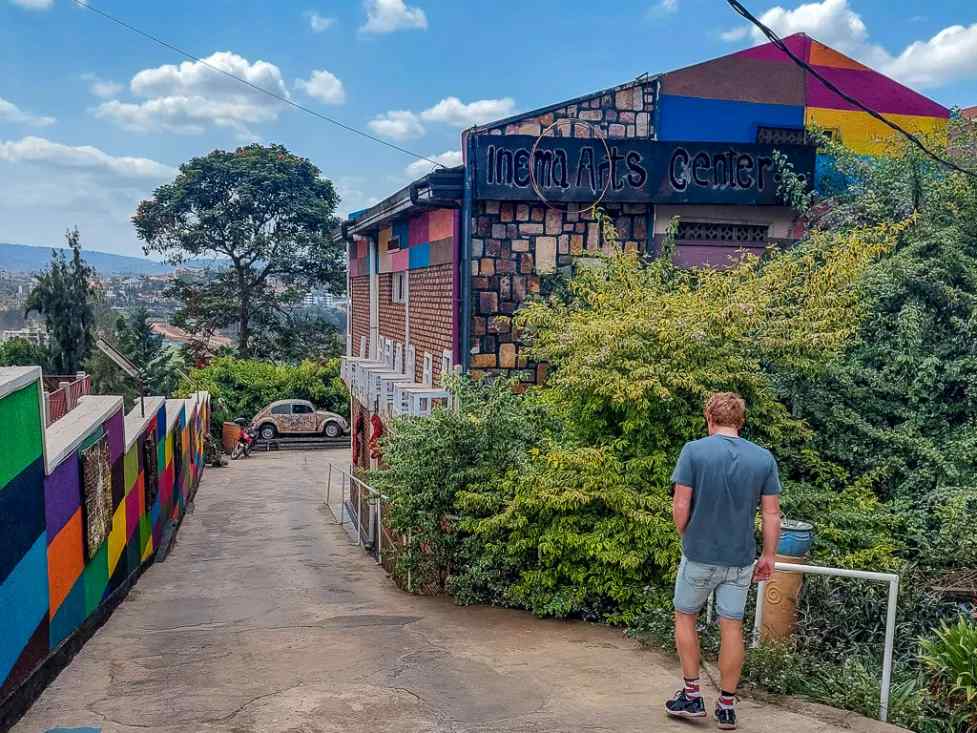
Rwanda’s contemporary art scene thrives at Inema Arts Center in Kacyiru. Founded by brothers Emmanuel and Innocent Nkuranga, this gallery showcases works by Rwanda’s leading artists.
The center hosts regular exhibitions, live painting sessions, and cultural events. Many pieces reflect Rwanda’s journey from tragedy to hope, making art a powerful storytelling medium.
Things to Do in Kigali
Nyamirambo Women’s Center
Book a walking tour through the historic Nyamirambo neighborhood with the Nyamirambo Women’s Center. This community-based organization empowers local women through skills training and tourism initiatives.
Tours include visits to tailors, hairdressers, and local restaurants, concluding with a traditional Rwandan meal. Proceeds directly support women’s education and entrepreneurship programs.
Outdoor Activities and Nature Spots
Mount Kigali
Hiking Mount Kigali offers spectacular panoramic views of the entire city. The moderate trek takes approximately 45 minutes to reach the summit, where you’ll find a cross monument and observation points.
Early morning hikes reward visitors with sunrise views over Kigali’s rolling hills. The trail is well-maintained, making it accessible for most fitness levels.
Kigali Golf Club
Established in 1997, the Kigali Golf Club provides a serene escape within the city. The 18-hole course features beautiful landscaping and welcomes both members and visitors.
Even non-golfers enjoy the club’s restaurant and peaceful grounds. It’s an excellent spot for business meetings or relaxed afternoons.

Things to Do in Kigali
Lake Muhazi
Just 60 kilometers east of Kigali, Lake Muhazi offers water-based activities and beach relaxation. The long, winding lake features several resorts where visitors can kayak, swim, or simply enjoy lakeside dining.
Day trips to Lake Muhazi rank among the refreshing things to do in Kigali when seeking nature escapes without traveling far.
Food and Dining Experiences
Traditional Rwandan Cuisine
Sampling local dishes is essential among things to do in Kigali. Traditional meals center around staples like ugali (cassava or corn porridge), isombe (cassava leaves), and grilled tilapia.
Visit Heaven Restaurant in Kiyovu for farm-to-table Rwandan cuisine with stunning city views. The restaurant trains underprivileged youth in hospitality skills while serving exceptional food.
Kigali’s Coffee Culture
Rwanda produces some of Africa’s finest coffee, and Kigali’s café scene celebrates this heritage. Question Coffee in Kimihurura serves single-origin Rwandan coffee in a contemporary setting.
Take a coffee cupping session to learn about Rwanda’s coffee production process. As of 2026, World Bank data shows coffee remains one of Rwanda’s top agricultural exports.
International Dining Scene
Kigali’s cosmopolitan character shines through diverse international restaurants. From Indian cuisine at Khana Khazana to Italian fare at Poivre Noir, the city caters to global palates.
The Meze Fresh restaurant offers Mediterranean dishes, while Shokola Lite serves healthy options including vegan and vegetarian choices.
Day Trips from Kigali
Akagera National Park
Located 2.5 hours from Kigali, Akagera National Park showcases Rwanda’s savanna ecosystem. The park hosts the Big Five following successful reintroduction programs for lions and rhinos.
Game drives reveal elephants, buffaloes, giraffes, and over 500 bird species. Boat safaris on Lake Ihema provide hippo and crocodile sightings.

Things to Do in Kigali
Nyungwe Forest National Park
Though requiring an early start, visiting Nyungwe Forest ranks among rewarding things to do in Kigali for nature lovers. This ancient rainforest, about 5 hours southwest, features canopy walkways and primate tracking.
Chimpanzee trekking and colobus monkey viewing offer unforgettable wildlife encounters. The park protects 13 primate species and serves as a crucial watershed for the Nile River.
Lake Kivu
A three-hour drive west brings you to Lake Kivu, one of Africa’s Great Lakes. The lakeside towns of Gisenyi and Kibuye offer beach relaxation, water sports, and stunning sunset views.
Many travelers combine Kigali visits with Lake Kivu getaways, creating perfect balances of urban exploration and natural beauty.
Practical Tips for Visiting Kigali
Getting Around
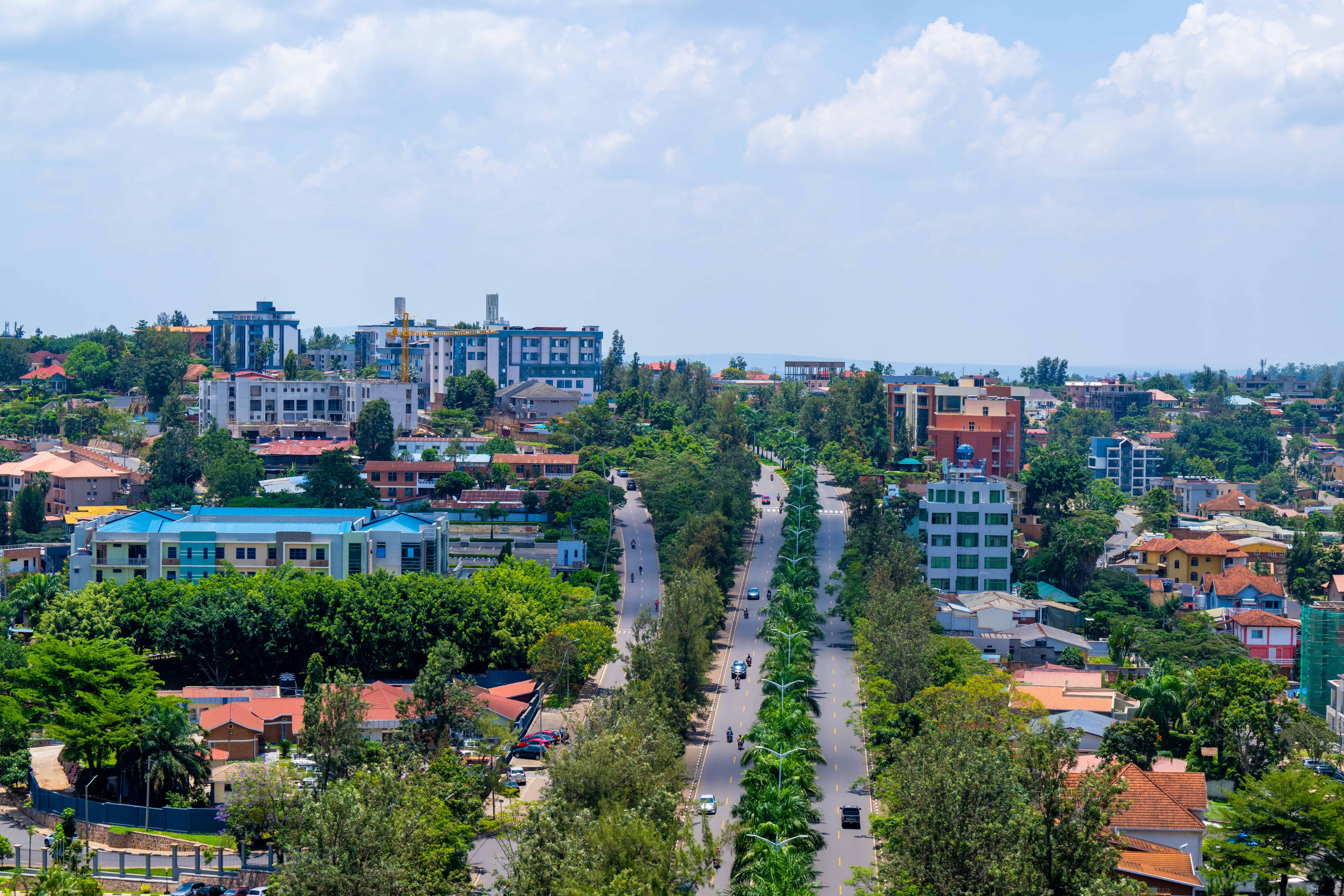
Kigali offers several transportation options including motorcycle taxis (moto), regular taxis, and ride-hailing apps like Yego and Bolt. The city’s well-organized layout makes navigation straightforward.
Motorcycle taxis provide quick, affordable transport, though regular taxis offer more comfort for longer journeys. Always agree on prices beforehand or use metered services.
Safety and Cleanliness
Contrary to common misconceptions about African cities, Kigali ranks among the world’s safest and cleanest capitals. The city banned plastic bags in 2008, and monthly community cleaning days (Umuganda) maintain pristine streets.
Visitors can walk safely in most areas, though standard precautions apply after dark. The city’s security presence is visible but non-intrusive, contributing to its peaceful atmosphere.
Best Time to Visit
While exploring African destinations, timing matters. Kigali enjoys a pleasant climate year-round due to its high elevation (1,600 meters). The dry seasons (June-September and December-February) offer ideal conditions for outdoor activities.
The rainy seasons bring lush landscapes and fewer tourists, with afternoon showers that rarely disrupt plans. Similar to planning the best time to visit Morocco, understanding seasonal patterns enhances your Kigali experience.
Money and Costs
ATMs accepting international cards are widely available in Kigali. US dollars and euros can be exchanged at banks and forex bureaus. Many hotels and restaurants accept credit cards, though cash remains useful for markets and small vendors.
Kigali’s costs are moderate compared to other African capitals. Budget travelers manage on $30-50 daily, while mid-range visitors spend $80-150 for comfortable accommodations and dining.
Frequently Asked Questions
How many days do I need in Kigali?
Most visitors find 2-3 days sufficient to explore the main things to do in Kigali. This allows time for key memorials, markets, and cultural sites, plus a day trip. Extend your stay to 4-5 days if visiting nearby national parks or wanting a more relaxed pace.
Is Kigali expensive for tourists?
Kigali offers options for all budgets. While luxury accommodations and upscale dining can be pricey (comparable to Western cities), budget guesthouses, local restaurants, and public transport remain affordable. Most attractions, including the Genocide Memorial, are free or low-cost.
Do I need a visa to visit Kigali, Rwanda?
As of 2026, all visitors can obtain a visa on arrival at Kigali International Airport or apply online for an e-visa beforehand. Citizens of African Union member states, some Commonwealth countries, and several others receive visa-free entry. Check current requirements before travel, similar to researching Morocco visa requirements for other African destinations.
What language is spoken in Kigali?
Kinyarwanda is the national language, but English is widely spoken in Kigali, especially in hotels, restaurants, and tourist areas. French and Swahili are also common. English proficiency has increased significantly since it became an official language in 2009, making communication easy for international visitors.
Can I use US dollars in Kigali?
While the official currency is the Rwandan Franc, US dollars are accepted at many hotels, tour operators, and larger establishments. However, you’ll get better value using local currency for markets, restaurants, and transport. Carry recent dollar bills (2013 or newer) as older notes are often rejected.
What should I wear in Kigali?
Kigali maintains a modest dress code, especially when visiting memorials and religious sites. Casual, conservative clothing works well—avoid shorts, short skirts, and revealing tops in public areas. Light layers are ideal as temperatures vary throughout the day. Comfortable walking shoes are essential for exploring the hilly terrain.
Conclusion
From powerful historical sites to vibrant markets and stunning natural landscapes, the things to do in Kigali offer travelers a unique blend of reflection, culture, and modern African urban life. This remarkable city demonstrates Rwanda’s resilience and vision for the future while honoring its past.
Whether you’re spending a few days or using Kigali as a base for exploring Rwanda’s national parks, you’ll discover a destination that challenges preconceptions and leaves lasting impressions. The city’s cleanliness, safety, and warm hospitality create an inviting environment for first-time visitors to Africa and seasoned travelers alike.
For more information about planning your African adventure, visit Africaning or explore our guide on getting started with your journey. If you have questions about visiting Kigali or other African destinations, feel free to contact us for personalized advice.