Planning a trip to Tanzania requires careful timing to maximize your safari experience, beach relaxation, and mountain adventures. Understanding the best time to visit Tanzania can mean the difference between witnessing the Great Migration in all its glory or missing it entirely, enjoying perfect beach weather or facing heavy rains, and conquering Kilimanjaro in ideal conditions or struggling through muddy trails.
Tanzania offers year-round attractions, but specific seasons align better with different activities and wildlife viewing opportunities. This comprehensive guide breaks down Tanzania’s climate patterns, wildlife movements, and regional variations to help you choose the perfect time for your African adventure.
Tanzania Climate Overview
Tanzania experiences two distinct rainy seasons and two dry seasons throughout the year. The long rains occur from March to May, bringing heavy downpours that can make roads impassable and wildlife harder to spot. The short rains fall between November and December, typically consisting of brief afternoon showers.
The dry seasons run from June to October (long dry season) and January to February (short dry season). According to the Tanzania Meteorological Authority, these periods offer the most reliable weather for tourism activities across the country.
Coastal regions maintain higher humidity year-round, while the central plateau experiences more dramatic temperature variations. Altitude significantly affects climate—the highlands remain cooler throughout the year, making destinations like the Ngorongoro Crater noticeably chillier than lowland parks.
Best Time to Visit Tanzania
Best Time for Safari and Wildlife
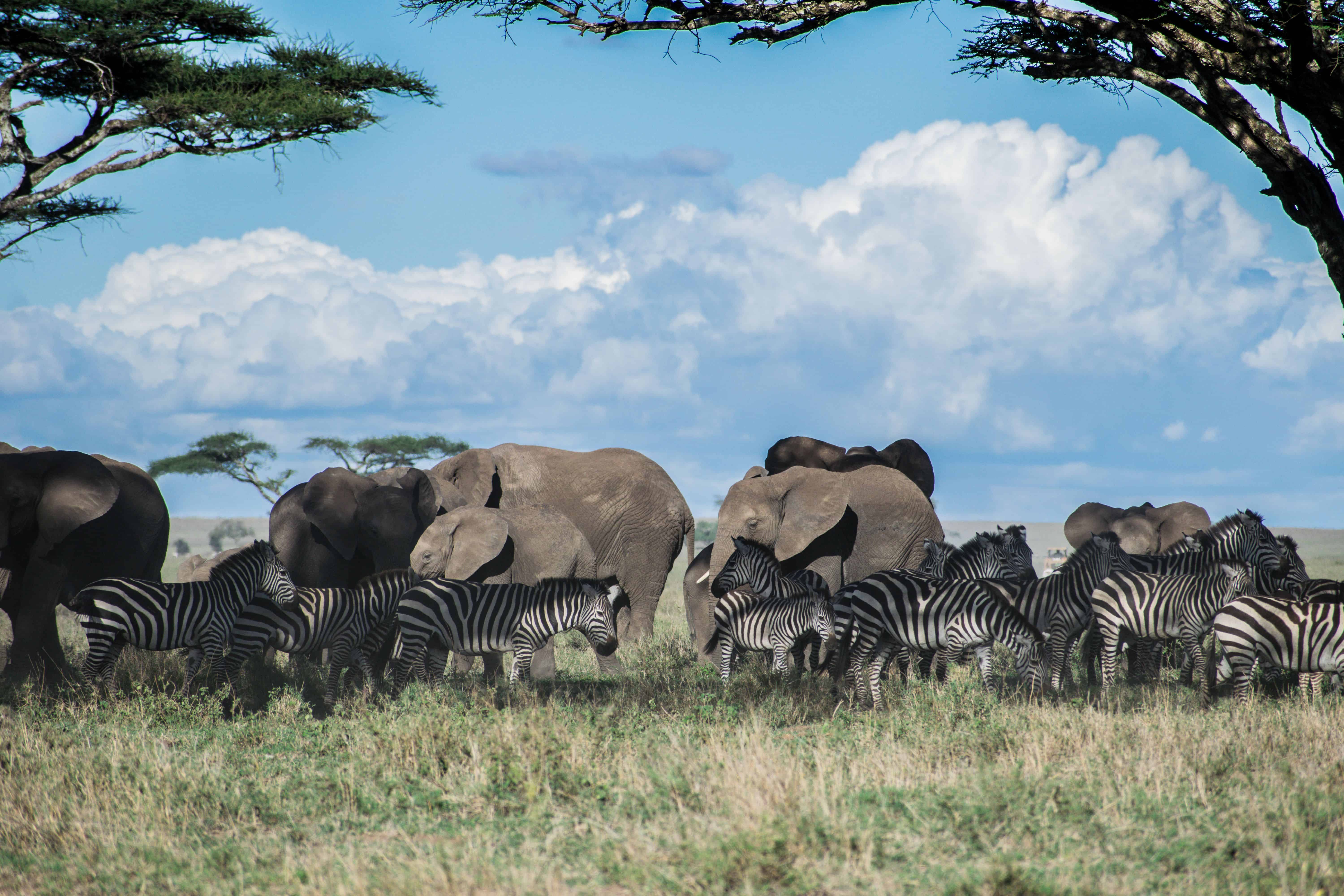
The optimal period for safari experiences spans June through October, when dry conditions concentrate wildlife around water sources. Animals become easier to spot as vegetation thins and herds gather at remaining waterholes and rivers.
June marks the beginning of the peak safari season, with comfortable temperatures and minimal rainfall. July and August represent the absolute busiest months, coinciding with summer holidays in Europe and North America. September and October extend the excellent game viewing while experiencing slightly fewer tourists than mid-summer.
Dry Season Safari Advantages
- Better wildlife visibility: Thinned vegetation and animals concentrated near water
- Easier travel conditions: Dry roads accessible to all vehicle types
- Lower malaria risk: Fewer mosquitoes during dry months
- Comfortable temperatures: Warm days and cool evenings ideal for game drives
- Predator activity: Hunting peaks as prey concentrates in predictable locations
January and February constitute Tanzania’s “short dry season,” offering another excellent window for safari adventures. This period features calving season in the southern Serengeti, attracting predators and providing dramatic wildlife encounters with fewer visitors than the June-October peak.
Great Migration Timing
The Great Migration—one of nature’s most spectacular events—involves over 1.5 million wildebeest, 200,000 zebras, and hundreds of thousands of gazelles moving through the Serengeti ecosystem following seasonal rains. Timing your visit to witness specific migration events requires understanding this circular movement pattern.
December to March: Herds occupy the southern Serengeti plains for calving season. Approximately 8,000 wildebeest are born daily during peak calving in February, creating incredible predator-prey interactions.
April to May: The migration begins moving northwest as the rains arrive. This period sees scattered herds and can be unpredictable due to weather patterns.
June to July: Herds mass in the Western Corridor and begin river crossings at the Grumeti River. June represents the best time to visit Tanzania for witnessing early river crossings with fewer crowds than later months.
July to October: The famous Mara River crossings occur as herds enter Kenya’s Masai Mara and return to northern Tanzania. August and September offer peak crossing action, though exact timing varies yearly based on rainfall patterns.
November: Herds begin returning south toward the Serengeti plains as short rains commence.
Zanzibar and Beach Season
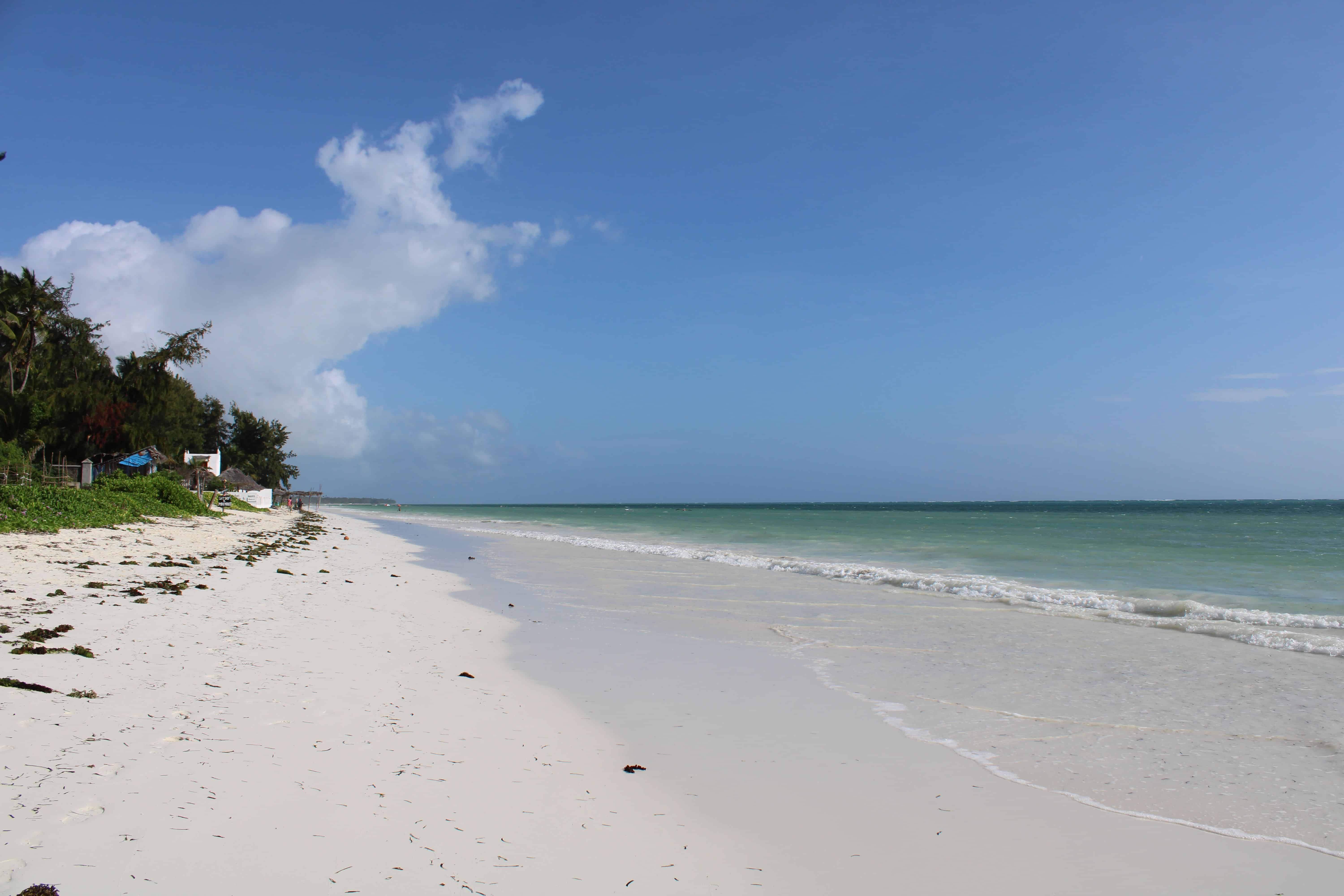
Zanzibar and Tanzania’s coastal regions enjoy a tropical climate with distinct dry and wet periods. The best time to visit Tanzania for beach holidays runs from June through October and December through February, when sunshine is abundant and seas remain calm.
June to October provides the most consistent beach weather, with minimal rainfall, lower humidity, and pleasant temperatures averaging 25-28°C (77-82°F). Southeast trade winds during this period create ideal conditions for kitesurfing and windsurfing, particularly in July and August.
December through February offers warm, humid beach weather perfect for snorkeling and diving. Water visibility peaks during these months, and ocean temperatures reach their warmest at around 27-28°C (81-82°F).
Beach Season to Avoid
March through May brings heavy rains to coastal areas, with April typically recording the highest monthly rainfall. Many beach resorts offer significant discounts during this period, but expect frequent afternoon downpours and rougher seas. November experiences short rains but remains a viable option for budget-conscious beach travelers.
Best Time to Climb Kilimanjaro
Mount Kilimanjaro can be climbed year-round, but success rates and comfort levels vary dramatically by season. The best time to visit Tanzania for Kilimanjaro expeditions aligns with the two dry seasons: January to March and June to October.
January to March offers the warmest climbing conditions with clearer skies, though snow on the summit remains possible. This period sees fewer climbers than June-October, providing a more solitary mountain experience. As of 2026, the Tanzania National Parks Authority reports that summit success rates average 65-70% during these months.
June to October represents peak climbing season, with the most stable weather and highest success rates approaching 75%. July and August see the heaviest traffic on popular routes like Machame and Marangu. September and October offer excellent conditions with slightly reduced crowds.
Avoid climbing during the long rains (March-May) when trails become muddy and treacherous, cloud cover obscures views, and summit success rates drop below 50%. November’s short rains also create challenging conditions, though some experienced climbers target this quieter period.
Best Time to Visit Tanzania
Shoulder Season Advantages
Many travelers overlook the shoulder seasons of November and March-May, but these periods offer unique advantages for budget-conscious and flexible visitors. Accommodation rates drop by 30-50%, safari vehicles carry fewer passengers, and you’ll have popular sites largely to yourselves.
November brings short rains that typically manifest as brief afternoon showers. Morning game drives often proceed under clear skies, and the landscape transforms into lush green scenery. Birdwatching peaks during this period as migratory species arrive from Europe and Asia.
March and early April can work for travelers who don’t mind occasional rain and prioritize value and solitude. However, late April and May see the heaviest rainfall, making many remote camps inaccessible. Some lodges close entirely during this period, so research operating schedules carefully.
Common Misconception: Many believe Tanzania becomes completely impassable during rainy seasons. In reality, major parks remain open and accessible, though some remote areas do close. The rain often comes as dramatic afternoon thunderstorms rather than all-day drizzle, leaving mornings clear for activities.
Regional Climate Variations
Tanzania’s vast size creates significant regional climate differences that affect the best time to visit Tanzania depending on your specific destinations. Northern safari circuits experience different weather patterns than southern parks, and the coast follows distinct seasonal rhythms.
Northern Circuit (Serengeti, Ngorongoro, Tarangire)
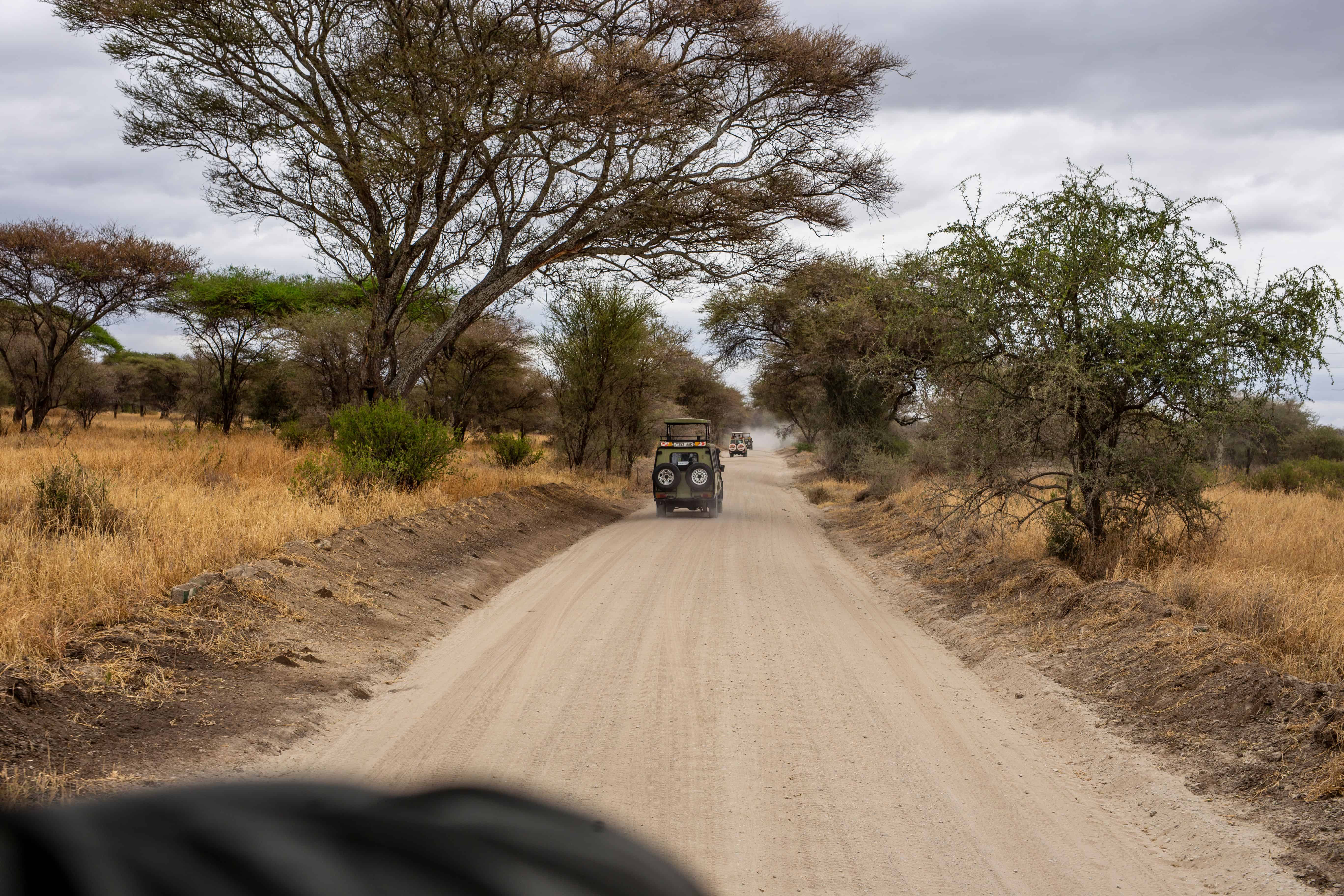
The northern circuit follows the general pattern of dry seasons (June-October, January-February) providing optimal conditions. Tarangire National Park becomes particularly spectacular during the dry season when massive elephant herds concentrate along the Tarangire River.
Southern Circuit (Selous, Ruaha)
Southern parks like Ruaha and Nyerere (formerly Selous) close during heavy rains from March to May. The best visiting period runs from June through October, with particularly excellent wildlife viewing in September and October when water becomes scarce.
Western Parks (Mahale, Katavi)
Remote western parks operate seasonally, typically opening from June through March. Chimpanzee tracking at Mahale Mountains works best during the dry season (May-October) when trails remain accessible and primates stay at lower elevations.
Travel Considerations by Season
Beyond weather and wildlife, practical considerations affect the best time to visit Tanzania for your specific circumstances. Budget, crowd tolerance, and special interests all play roles in optimal timing decisions.
High Season (July-September, December-February): Expect premium prices, advance booking requirements (6-12 months ahead for popular lodges), and busy parks. However, weather reliability and peak wildlife viewing justify the crowds for many visitors.
Shoulder Season (June, October-November): Balanced pricing, good weather probability, and moderate crowds make these months increasingly popular among savvy travelers. Book 3-6 months ahead for best selection.
Low Season (March-May): Dramatic discounts and empty parks appeal to budget travelers and photographers seeking dramatic storm light. However, some areas become inaccessible, and wildlife viewing quality decreases.
For comprehensive African travel planning, explore additional destinations across the continent. Those interested in timing visits to other popular African countries might find our guides on the best time to visit Egypt and best time to visit Morocco helpful for planning multi-country itineraries.
Combining Experiences
Many visitors combine safari and beach experiences, which works beautifully during June-October when both inland parks and coastal areas enjoy ideal conditions. A typical itinerary might include 5-7 days on safari followed by 3-5 days in Zanzibar for relaxation.
For those planning African adventures, Africaning offers expert guidance on timing visits across multiple countries. Our start here resource provides foundational planning information for first-time Africa travelers.
Best Time to Visit Tanzania
Frequently Asked Questions
What is the cheapest time to visit Tanzania?
The cheapest time to visit Tanzania is during the long rains from March through May, particularly April and May. Accommodation rates drop by 30-50%, and safari operators offer significant discounts. November also provides good value during the short rains, with less dramatic price reductions but better weather than April-May. However, some lodges close entirely during low season, limiting options.
Can you see the Great Migration year-round in Tanzania?
Yes, the Great Migration herds remain in Tanzania’s Serengeti ecosystem for approximately 10 months annually. However, the specific location varies by season. The herds occupy southern Serengeti from December-March, western areas from April-June, and northern regions from July-November. Only during peak months (typically August-October) do significant portions cross into Kenya’s Masai Mara.
Is Tanzania safe to visit during rainy season?
Tanzania remains safe during rainy seasons, though travel logistics become more challenging. Major parks stay open, but some remote areas close due to impassable roads. Malaria risk increases during wet months, requiring diligent prophylaxis. The main safety concern involves road conditions—muddy tracks can strand vehicles, and flash flooding occasionally closes routes. Always travel with reputable operators who monitor conditions.
How far in advance should I book my Tanzania safari?
For travel during peak season (July-September, January-February), book 6-12 months in advance to secure preferred lodges and dates. Popular properties like those in Ngorongoro Crater fill especially quickly. Shoulder season trips (June, October-November) require 3-6 months advance booking. Low season travel offers more flexibility, with bookings possible just 1-3 months ahead, though options remain limited as many camps close.
What should I pack for Tanzania in different seasons?
During dry season (June-October), pack layers for cool mornings/evenings and warm afternoons, including a light jacket, long pants, and breathable shirts. Wet season requires waterproof jacket, quick-dry clothing, and sturdy waterproof bags. Year-round essentials include sun protection (hat, sunscreen, sunglasses), insect repellent, binoculars, and dust-proof camera bags. Neutral-colored clothing (khaki, brown, green) works best for safari activities.
Can I visit both northern and southern Tanzania in one trip?
Yes, but logistics can be challenging as southern parks sit 6-8 hours’ drive from northern circuits. Most visitors fly between regions on scheduled or chartered flights. The best time to visit both areas runs from June through October when all parks operate with optimal conditions. Combining regions requires at least 10-14 days to avoid rushing. Northern parks offer easier logistics and more lodge options, while southern circuits provide remote wilderness experiences.
In conclusion, determining the best time to visit Tanzania depends on your priorities—wildlife viewing, beach relaxation, mountain climbing, or budget considerations. The dry seasons from June to October and January to February offer the most reliable weather and exceptional wildlife encounters, though shoulder seasons provide excellent value with acceptable conditions. By aligning your travel dates with specific wildlife events like the Great Migration or calving season, and considering regional climate variations, you can craft a Tanzania experience perfectly suited to your interests and schedule. For personalized advice and expert trip planning, contact us to start designing your ideal Tanzania adventure.