Planning a safari adventure in East Africa’s crown jewel? Understanding the cost of safari in Tanzania is essential for budgeting your trip effectively. Whether you’re dreaming of witnessing the Great Migration in the Serengeti or exploring the Ngorongoro Crater, safari prices vary dramatically based on accommodation style, season, and itinerary length. This comprehensive guide breaks down all expenses to help you plan an unforgettable Tanzanian safari that matches your budget.
Average Safari Costs in Tanzania
The cost of safari in Tanzania typically ranges from $200 to $1,500+ per person per day, depending on your chosen experience level. As of 2026, Tanzania remains one of Africa’s premium safari destinations, with prices reflecting the world-class wildlife viewing and conservation efforts.
According to the Tanzania National Parks Authority, over 1.5 million tourists visited Tanzanian parks in 2023, with numbers continuing to grow. This demand influences pricing, especially during peak seasons.
Budget Breakdown by Safari Type
Understanding the three main safari categories helps you align expectations with budget realities. Each tier offers distinct experiences and amenities.
Budget Camping Safaris ($200-$350 per day)
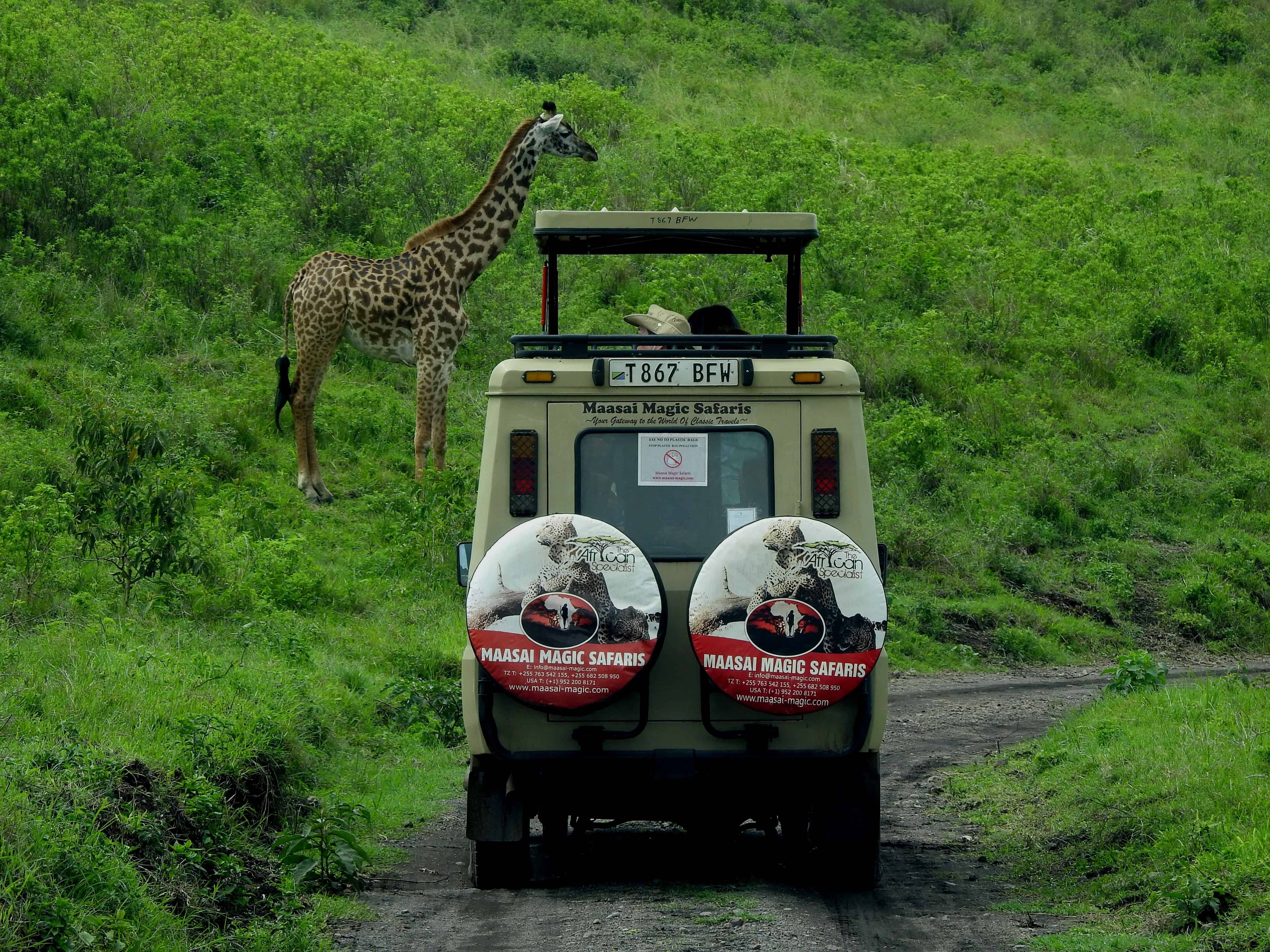
Budget safaris utilize public campsites within national parks. You’ll sleep in basic tents with shared facilities, but game drives follow the same routes as luxury lodges. These trips typically use older Land Cruisers and larger group sizes to reduce costs.
- Shared camping equipment and cook staff
- Groups of 6-7 people per vehicle
- Basic meals prepared at campsites
- Limited amenities but authentic bush experience
Mid-Range Lodge Safaris ($400-$700 per day)
Mid-range options balance comfort and value, featuring permanent tented camps or lodges outside park boundaries. This category represents the sweet spot for most travelers seeking quality without extreme luxury.
Accommodations include en-suite bathrooms, restaurant dining, and swimming pools. Game drives operate in smaller groups of 4-6 passengers, allowing better wildlife viewing and photography opportunities.
Luxury Safari Experiences ($800-$1,500+ per day)
Luxury safaris deliver exceptional service in exclusive lodges and mobile camps. Private game drives, gourmet cuisine, premium locations, and personalized itineraries define this tier. Many luxury camps limit guest numbers to preserve the wilderness experience.
For travelers interested in diverse African experiences, exploring various destinations can provide context for comparing Tanzania’s value proposition.
Factors Affecting Safari Costs
Several variables significantly impact the final cost of safari in Tanzania. Understanding these helps you make informed decisions when customizing your itinerary.
Group Size and Private vs. Shared Tours
Private safaris cost more but offer flexibility in timing, routes, and activities. Shared tours reduce per-person costs by distributing vehicle and guide expenses across 6-7 travelers. Solo travelers typically pay 50-100% supplements on accommodation rates.
Safari Duration and Park Selection
Longer safaris benefit from economies of scale, reducing the per-day average. Northern circuit parks (Serengeti, Ngorongoro, Tarangire) charge higher fees than southern parks but offer superior infrastructure and wildlife density.
The Serengeti National Park, a UNESCO World Heritage Site, remains Tanzania’s most visited park despite premium pricing.
Season and Timing
High season (June-October and December-February) commands premium rates, with some lodges charging 30-40% more than low season. However, wildlife viewing often justifies the additional expense during these periods.
National Park Fees and Permits
Park fees constitute a substantial portion of safari costs and are non-negotiable. As of 2026, Tanzania’s conservation fees support wildlife protection and community development programs.
Current daily park fees (adult rates):
- Serengeti National Park: $70 per person
- Ngorongoro Conservation Area: $70 plus $300 vehicle fee
- Tarangire National Park: $50 per person
- Lake Manyara National Park: $50 per person
- Vehicle fees: $40-$300 depending on park and vehicle type
A common misconception is that park fees are included in advertised safari prices. Always verify whether quotes are “all-inclusive” or if fees are additional. Reputable operators transparently list all costs upfront.
Accommodation Options and Prices
Lodging represents the most variable component when calculating the cost of safari in Tanzania. Options range from basic campsites to ultra-luxury lodges with infinity pools overlooking the savanna.
Public Campsites ($30-$50 per night)
Basic facilities with ablution blocks and designated camping areas. Perfect for adventurous travelers prioritizing wildlife over comfort.
Tented Camps ($150-$400 per night)
Semi-permanent camps offering comfortable beds, en-suite bathrooms, and restaurant facilities. Many feature stunning locations near prime wildlife areas.
Permanent Lodges ($300-$800+ per night)
Built structures with full amenities including WiFi, pools, and spa services. Located outside parks or in special concessions within protected areas.
According to Tanzania tourism statistics, accommodation quality significantly influences visitor satisfaction ratings, making this an important consideration beyond just cost.
Best Value Season for Safaris
The shoulder seasons (March-May and November) offer the best value for budget-conscious travelers. Accommodation rates drop 20-40%, and parks are less crowded, though April-May experiences heavy rainfall.
Green season safaris (March-May) provide excellent photographic opportunities with lush landscapes and newborn animals. Many lodges offer special rates during these months to maintain occupancy.
Similar to planning visits to other African destinations, timing significantly impacts costs. Those researching broader African travel might find useful comparisons in guides about planning African adventures.
Hidden Costs to Consider
Beyond the base safari package, several additional expenses can surprise unprepared travelers. Budget an extra 15-25% above quoted prices for these items:
- Gratuities: $20-30 per day for guides, $10-15 for camp staff
- Beverages: Alcoholic drinks rarely included except luxury all-inclusive lodges
- Travel insurance: Essential coverage costs $50-150 for typical safari trips
- Visa fees: $50-100 depending on nationality (e-visa available)
- International flights: $800-2,000 depending on origin and season
- Optional activities: Hot air balloon safaris ($550), walking safaris ($50-100), cultural visits ($30-50)
Many travelers underestimate tipping expectations. Safari guides and camp staff depend heavily on gratuities, making this an important cultural and financial consideration.
Money-Saving Tips for Tanzania Safaris
Strategic planning can significantly reduce the cost of safari in Tanzania without compromising the essential experience. Consider these expert recommendations:
Book Directly and Early
Contacting operators directly often yields better rates than booking through multiple intermediaries. Early booking (6-12 months advance) secures early-bird discounts of 10-20%.
Join Scheduled Group Departures
Many operators offer fixed-date group safaris that share costs among strangers. These provide significant savings over private tours while maintaining quality standards.
Mix Budget and Mid-Range Accommodation
Splurge on one or two nights at premium lodges in key locations like Ngorongoro, while using budget camps in less critical areas. This strategy balances experience with cost management.
Consider Southern Circuit Parks
Parks like Ruaha and Selous (Nyerere) offer incredible wildlife with lower fees and accommodation costs. Though more remote, they provide authentic wilderness experiences without northern circuit crowds.
Travel During Shoulder Season
November and March-May offer substantial discounts while still providing good wildlife viewing. Short rains in November rarely disrupt safari activities significantly.
For comprehensive trip planning assistance, travelers can contact experienced safari specialists who provide customized quotes and itinerary optimization.
Frequently Asked Questions
What is the average cost of a 7-day safari in Tanzania?
A 7-day Tanzania safari averages $1,400-$2,450 for budget camping, $2,800-$4,900 for mid-range lodges, and $5,600-$10,500+ for luxury experiences. These prices typically include accommodation, meals, park fees, and game drives but exclude international flights and tips.
Are Tanzania safaris more expensive than Kenya safaris?
Yes, Tanzania safaris typically cost 20-30% more than comparable Kenya safaris due to higher park fees and accommodation rates. However, Tanzania offers lower tourist density and exclusive wildlife experiences that many travelers find worth the premium. The Ngorongoro Crater and Serengeti Migration are unique Tanzania highlights.
What’s included in a typical Tanzania safari package price?
Standard packages include accommodation, all meals, park entry fees, game drives in 4×4 vehicles, professional guide services, and airport transfers. Most exclude international flights, visas, travel insurance, optional activities (balloon safaris, cultural visits), beverages (especially alcohol), and gratuities for guides and staff.
Can I find a Tanzania safari for under $200 per day?
Yes, budget camping safaris start around $180-$200 per person per day when joining group departures. These utilize public campsites with basic facilities and shared vehicles. However, extremely low prices (under $150/day) often indicate hidden costs, overcrowded vehicles, or inexperienced guides. Always verify what’s included before booking.
When is the cheapest time to go on safari in Tanzania?
April and May (long rains season) offer the lowest rates, with discounts of 30-50% off peak season prices. November (short rains) also provides good value with minimal weather disruption. March and early June represent excellent shoulder season compromises between cost and conditions, offering 20-30% savings with improving weather.
Do I need to pay a deposit for Tanzania safari bookings?
Yes, most operators require 30-50% deposits to confirm bookings, with full payment due 60-90 days before departure. Deposits secure accommodation and permit reservations. Always use secure payment methods and verify operator credentials before transferring funds. Reputable companies provide detailed receipts and booking confirmations.
Conclusion
Understanding the cost of safari in Tanzania empowers you to make informed decisions that align with your budget and expectations. Whether choosing budget camping adventures starting at $200 daily or luxury experiences exceeding $1,500 per day, Tanzania offers unparalleled wildlife encounters that justify the investment.
The key to value is matching your priorities with appropriate safari categories, traveling during optimal seasons for your budget, and working with transparent operators who itemize all costs upfront. Park fees, accommodation quality, and group size represent the primary cost drivers, while strategic timing and flexibility can unlock significant savings.
Tanzania’s commitment to conservation through premium pricing ensures exceptional wildlife experiences will remain available for future generations. By planning carefully and understanding the cost components outlined in this guide, you can experience one of Earth’s greatest natural spectacles without financial surprises.
Ready to start planning your Tanzanian adventure? Begin your journey with expert guidance tailored to your specific interests and budget.