
Egypt’s Red Sea coast is home to some of the planet’s most spectacular underwater landscapes, making it a bucket-list destination for divers worldwide. If you’re searching for the best diving spots Red Sea Egypt offers, you’ll find crystal-clear waters, vibrant coral reefs, and extraordinary marine biodiversity that rivals any diving destination on Earth. From the legendary wrecks to pristine reef systems, Egypt’s Red Sea delivers unforgettable experiences for beginners and technical divers alike.
The Red Sea’s unique geography creates perfect conditions for year-round diving, with visibility often exceeding 30 meters and water temperatures remaining comfortable throughout the seasons. As of 2026, Egypt continues to invest in marine conservation and diving infrastructure, ensuring these precious ecosystems remain protected for future generations.
Why Red Sea Egypt Is a World-Class Diving Destination
The Red Sea hosts over 1,200 species of fish, including 44 species of sharks, and boasts more than 200 varieties of hard and soft coral. According to marine research, approximately 10% of Red Sea fish species are endemic, found nowhere else on the planet. This extraordinary biodiversity results from the sea’s unique position between Africa and Asia, creating a marine crossroads unlike any other.
Egypt’s Red Sea diving industry has matured over decades, offering world-class liveaboards, professional dive centers, and accessible sites for all skill levels. The region’s political stability and tourism infrastructure have improved significantly, making 2026 an excellent time to explore these underwater treasures.
One common misconception is that Red Sea diving is only for experienced divers. In reality, many of the best diving spots Red Sea Egypt provides are perfect for beginners, with shallow reefs and calm conditions at sites like Giftun Island and Hurghada’s house reefs.
Ras Mohammed National Park
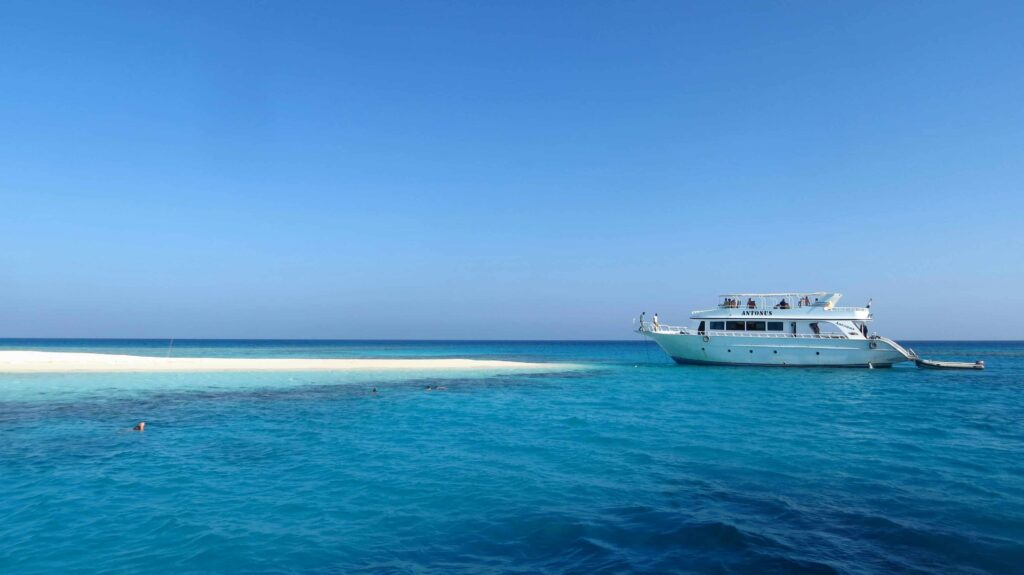
Established in 1983, Ras Mohammed National Park stands as Egypt’s first marine protected area and remains one of the most celebrated diving destinations globally. Located at the southern tip of the Sinai Peninsula, this natural wonder features dramatic underwater topography including walls that plunge over 800 meters into the abyss.
The park’s Shark Reef and Yolanda Reef form a stunning dive site where strong currents attract pelagic species including barracuda, tuna, and occasionally hammerhead sharks. The famous Anemone City showcases thousands of colorful anemones hosting clownfish families, creating an underwater garden that rivals any aquarium display.
Diving here requires moderate experience due to currents, but the rewards are exceptional. The park’s strict conservation measures, overseen by Egyptian environmental authorities, ensure these reefs remain pristine. Visibility regularly exceeds 40 meters, making underwater photography spectacular.
SS Thistlegorm Wreck
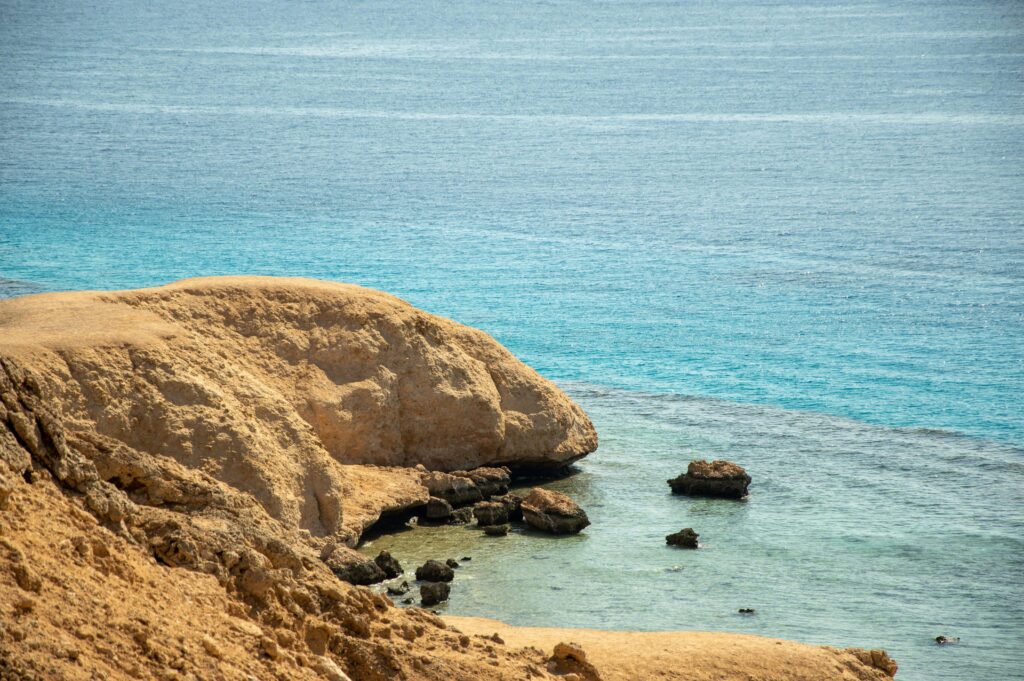
The SS Thistlegorm represents arguably the world’s most famous wreck dive and consistently ranks among the best diving spots Red Sea Egypt showcases. This British armed freighter was sunk by German bombers in October 1941 while carrying wartime supplies to Allied forces. The wreck rests at 30 meters, perfectly preserved in the Red Sea’s warm, saline waters.
Divers can explore the ship’s cargo holds containing motorcycles, trucks, ammunition, and even two railway locomotives. The wreck’s structure remains largely intact, allowing penetration dives for advanced divers while the exterior provides fascinating exploration for those with moderate experience.
Discovery by Jacques Cousteau in 1956 brought the Thistlegorm to global attention, and it has since become a pilgrimage site for wreck diving enthusiasts. As of 2026, dive operators enforce strict protocols to preserve this underwater museum, limiting the number of daily visitors and prohibiting touching artifacts.
What to Expect at the Thistlegorm
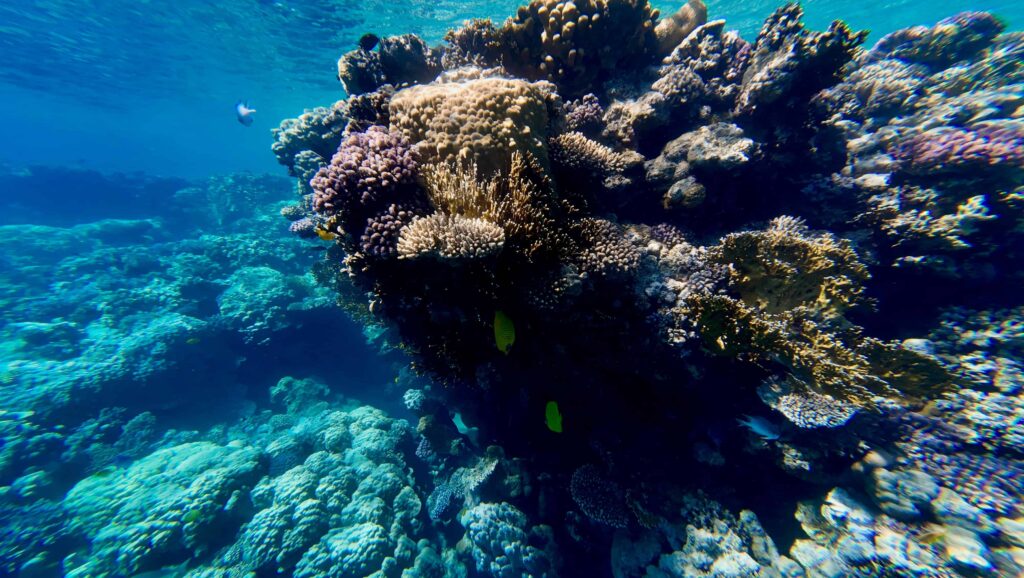
- Depth: 16-30 meters, suitable for Advanced Open Water divers
- Visibility: 10-20 meters depending on conditions
- Marine life: Lionfish, groupers, batfish, and occasional turtles
- Best access: Liveaboard trips from Sharm el-Sheikh or Hurghada
The Brothers Islands
Big Brother and Little Brother Islands rise from deep ocean waters approximately 70 kilometers offshore from El Quseir, creating one of the Red Sea’s most thrilling diving experiences. These remote pinnacles attract serious divers seeking encounters with oceanic species including grey reef sharks, silky sharks, thresher sharks, and during summer months, oceanic whitetip sharks.
The islands feature dramatic walls adorned with soft corals and massive sea fans, descending into the blue beyond recreational diving limits. Big Brother hosts two historic wrecks: the Numidia (1901) and the Aida (1957), both encrusted with coral and teeming with fish life.
Accessing the Brothers requires a liveaboard journey, and diving here demands advanced skills due to strong currents and depth. However, the spectacular underwater scenery and reliable shark encounters make this effort worthwhile for experienced divers seeking the ultimate Red Sea adventure.
Elphinstone Reef
Elphinstone Reef extends from the depths like an underwater mountain, its plateau sitting at 40 meters with walls plunging far deeper. This remote reef system near Marsa Alam has earned legendary status among shark enthusiasts, particularly for encounters with oceanic whitetip sharks—one of the ocean’s most charismatic predators.
The reef’s northern and southern plateaus offer different diving experiences, with the south featuring a stunning coral garden and the north providing the best shark action. Schools of hammerheads occasionally cruise past in the blue, while the walls themselves host an incredible variety of hard and soft corals.
Current conditions can be challenging at Elphinstone, requiring advanced certification and excellent buoyancy control. The investment in skills development pays dividends here, as this site consistently delivers world-class diving that rivals any Indo-Pacific destination.
Abu Nuhas Shipwreck Graveyard
Abu Nuhas reef has earned its nickname “The Shipwreck Graveyard” honestly, claiming at least seven vessels over the past 150 years. Four major wrecks remain accessible to recreational divers: the Giannis D, Carnatic, Chrisoula K, and Kimon M. Each wreck tells its own story and hosts distinct marine communities.
The Carnatic, a British passenger and cargo vessel that sank in 1869, represents one of the Red Sea’s oldest diveable wrecks. Its wooden structure has largely deteriorated, but the steam engine and boilers remain, covered in colorful coral growth. The Giannis D, a Greek cargo ship from 1983, offers easier penetration opportunities and stunning light effects filtering through the holds.
These sites are accessible from day boats departing Hurghada, making them perfect for divers wanting to experience world-class wreck diving without committing to a liveaboard. The relatively shallow depths (10-27 meters) make Abu Nuhas suitable for Advanced Open Water divers with wreck diving awareness.
Daedalus Reef
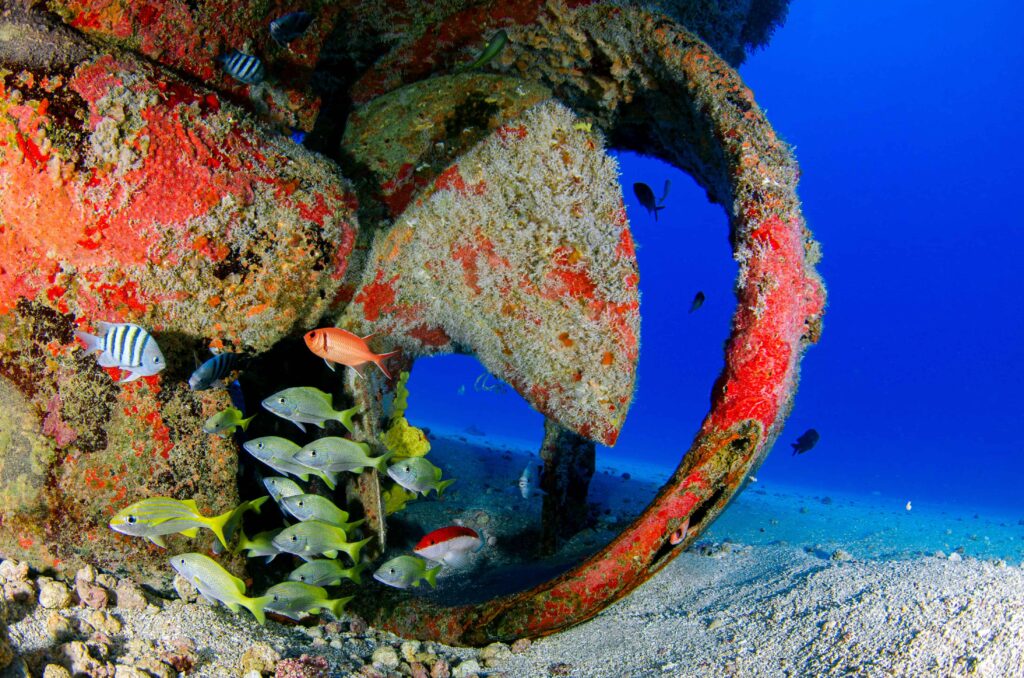
Daedalus Reef rises from 400-meter depths in the middle of the Red Sea, creating an offshore oasis that attracts pelagic species and adventurous divers. The reef’s isolation—approximately 80 kilometers from the nearest land—ensures pristine conditions and spectacular visibility often exceeding 50 meters.
Hammerhead sharks patrol the reef during summer months (June-September), while grey reef sharks and occasional manta rays visit year-round. The reef’s western wall features some of the Red Sea’s most impressive soft coral growth, with enormous gorgonian fans and whip corals creating an underwater forest.
The historic lighthouse standing on Daedalus adds character to surface intervals, though it’s the underwater realm that captivates visiting divers. Strong currents require advanced skills, but the rewards include diving experiences that rival famous sites in the Maldives or Indonesia.
Planning Your Red Sea Diving Adventure
Successfully experiencing the best diving spots Red Sea Egypt offers requires thoughtful planning. Timing your visit according to the best time to visit Egypt ensures optimal conditions both above and below water. The Red Sea’s diving season technically runs year-round, but different periods offer distinct advantages.
Choosing Your Base
Egypt’s Red Sea coast features several diving hubs, each providing access to different sites. Sharm el-Sheikh in South Sinai offers easy access to Ras Mohammed and Tiran Strait, plus liveaboard departures to the Thistlegorm. Hurghada serves as the gateway to northern sites and Abu Nuhas wrecks, while Marsa Alam provides the jumping-off point for southern adventures including Elphinstone and Daedalus.
Port Ghalib and Hamata serve specialized liveaboard operations heading to the Brothers, Daedalus, and Elphinstone on extended itineraries. Most international divers arrive through Cairo or directly into resort airports, with domestic connections facilitating easy coastal access.
Certification Requirements
While some excellent sites accommodate Open Water divers, obtaining Advanced Open Water certification significantly expands your options. Deep diving and wreck diving specialties open access to the Thistlegorm and other historic shipwrecks. For offshore adventures to the Brothers or Daedalus, many operators require minimum certification levels and logged dive experience.
Reputable dive centers throughout the Red Sea region offer training from beginner through instructor levels, following standards established by PADI, SSI, and other international agencies. Egyptian dive operators maintain high safety standards, with regular equipment inspections and professional staff.
Budget Considerations
Red Sea diving offers exceptional value compared to other world-class destinations. Day diving packages typically range from $50-100 per day including equipment, while liveaboard experiences cost $100-200 per person per day depending on vessel quality and itinerary.
Many divers maximize their Egyptian adventure by combining diving with cultural experiences, exploring ancient temples and museums before or after their underwater adventures. This approach provides a comprehensive Egyptian experience spanning millennia of history and natural wonder.
Frequently Asked Questions
When is the best time to dive the Red Sea in Egypt?
The Red Sea offers year-round diving, but conditions vary seasonally. March through November provides the warmest water (24-28°C) and calmest seas, making it ideal for most divers. December through February sees cooler water (21-23°C) requiring thicker wetsuits, but delivers better visibility and fewer crowds. Summer months (June-September) offer the best chances for hammerhead shark encounters at offshore reefs like Daedalus.
What certification level do I need for Red Sea diving?
Open Water certification provides access to many excellent sites including house reefs, Giftun Island, and shallow sections of Abu Nuhas wrecks. However, Advanced Open Water certification significantly expands your options, allowing exploration of the SS Thistlegorm, deeper reef sections, and most popular sites. Offshore locations like the Brothers and Daedalus typically require Advanced certification plus 50+ logged dives due to challenging conditions.
Are liveaboards necessary to see the best diving spots in the Red Sea?
Day boat diving from Sharm el-Sheikh, Hurghada, or Marsa Alam provides access to excellent sites including Ras Mohammed, Abu Nuhas wrecks, and Elphinstone Reef. However, liveaboards unlock the very best experiences, including the Thistlegorm, Brothers Islands, and Daedalus Reef. Multi-day liveaboard itineraries allow multiple dives at premier sites without the time constraints of day boats, maximizing your underwater time and dive quality.
Is Red Sea diving safe for beginners?
Egypt’s Red Sea offers numerous beginner-friendly sites with shallow depths, minimal currents, and easy entry points. Professional dive centers maintain high safety standards with well-maintained equipment and qualified instructors. Beginners should start with house reefs and protected bays before progressing to more challenging sites. Contrary to common concerns, shark attacks are extraordinarily rare—the Red Sea has an excellent safety record, with proper diving practices virtually eliminating risks.
How does Red Sea diving compare to other world-class destinations?
The Red Sea consistently ranks among the world’s top five diving destinations alongside the Great Barrier Reef, Indonesia’s Coral Triangle, the Maldives, and Palau. Egypt offers superior value, exceptional visibility (often 30-50 meters), reliable marine life encounters including sharks and rays, and unique attractions like the SS Thistlegorm. The combination of pristine reefs, historic wrecks, and offshore pinnacles provides diversity that few destinations match, all with convenient access and established tourism infrastructure.
What marine life can I expect to see at Red Sea diving spots?
Red Sea diving delivers encounters with over 1,200 fish species including Napoleon wrasse, barracuda schools, tuna, and moray eels. Shark species commonly sighted include grey reef sharks, whitetip reef sharks, oceanic whitetips (summer months), and hammerheads at offshore reefs. Lucky divers occasionally spot manta rays, whale sharks (spring/autumn), dolphins, and sea turtles. The reefs themselves showcase spectacular hard and soft corals, with colorful anthias, butterflyfish, and angelfish creating constantly moving displays of marine life.
The best diving spots Red Sea Egypt presents represent an underwater paradise that combines accessibility, biodiversity, and spectacular scenery in equal measure. Whether you’re exploring the legendary SS Thistlegorm wreck, drifting along the dramatic walls of Ras Mohammed, or seeking shark encounters at the remote Brothers Islands, Egypt’s Red Sea delivers world-class experiences that create lifelong memories. As conservation efforts continue and tourism infrastructure improves, 2026 stands as an ideal time to discover why this region has captivated divers for generations and remains one of the planet’s premier underwater destinations.