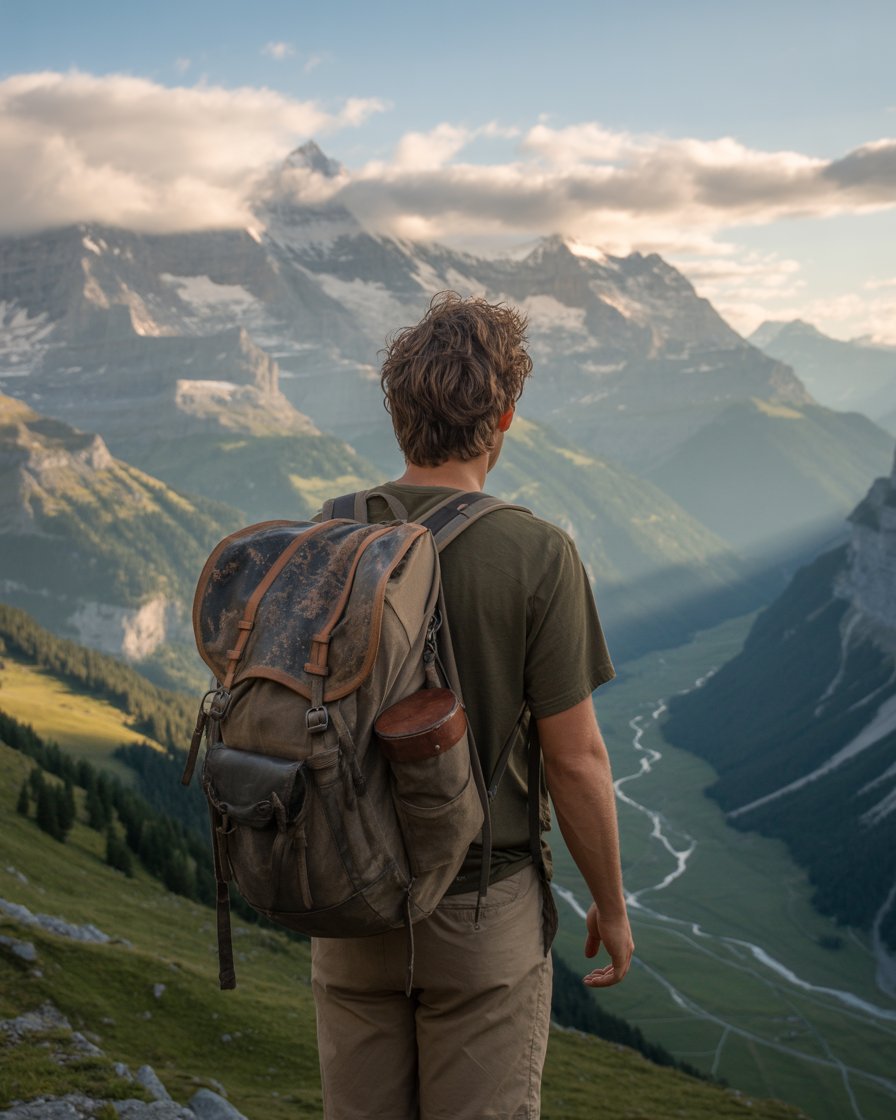
Planning a Namibia road trip itinerary offers one of Africa’s most spectacular self-drive adventures. With vast desert landscapes, incredible wildlife, and some of the continent’s most photogenic locations, Namibia ranks among the world’s premier road trip destinations. This comprehensive guide will help you craft the perfect Namibia road trip itinerary for 2026, covering essential routes, must-visit locations, and practical travel tips.
Why Choose Namibia for a Road Trip
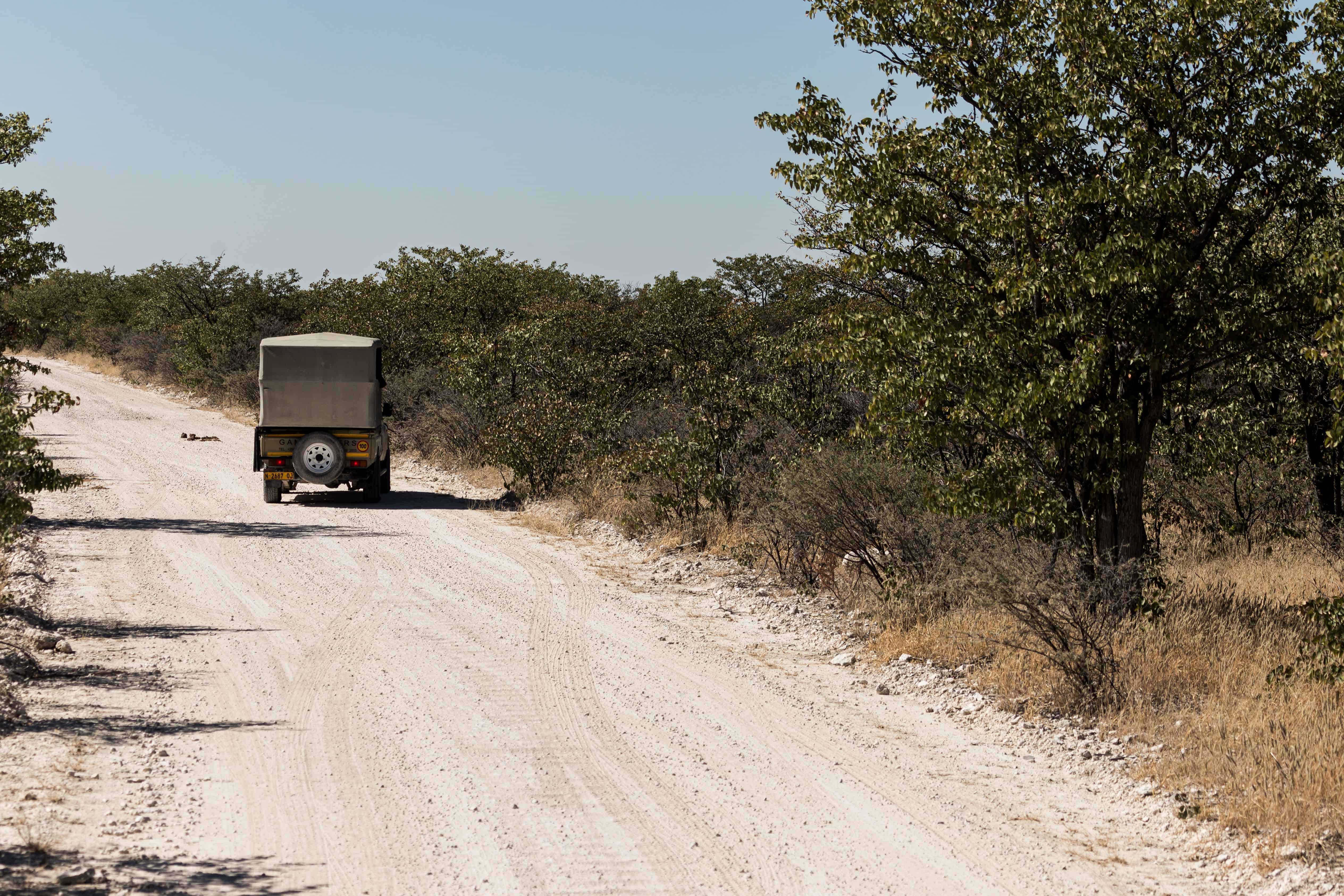
Namibia stands out as Africa’s safest and most accessible self-drive destination. With well-maintained gravel roads, clear signage, and minimal traffic, even first-time African travelers can confidently navigate this stunning country.
The country boasts some of the world’s most dramatic landscapes, from the towering dunes of Sossusvlei to the wildlife-rich plains of Etosha National Park. According to the Namibia Tourism Board, over 60% of international visitors choose self-drive safaris, highlighting the country’s reputation for road trip excellence.
Unlike many African destinations, Namibia’s low population density ensures uncrowded experiences. You’ll often have entire desert vistas to yourself, creating truly intimate moments with nature.
Best Time to Travel
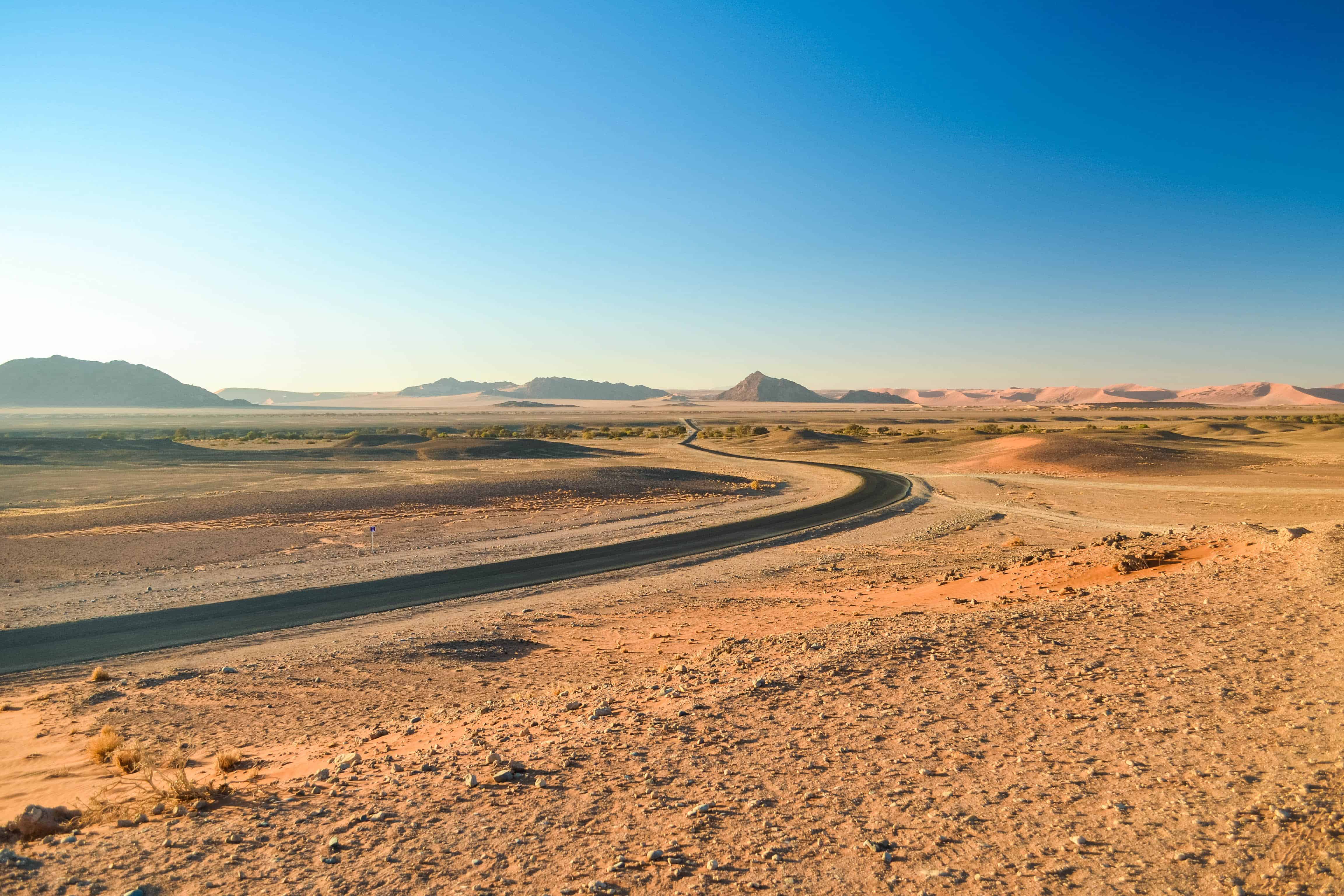
The ideal time for your Namibia road trip itinerary runs from May to October during the dry winter season. Temperatures are pleasant, wildlife congregates around waterholes, and road conditions remain excellent.
As of 2026, July and August represent peak season with higher accommodation prices but optimal wildlife viewing. For budget-conscious travelers, May and September offer excellent weather with fewer tourists.
Summer months (November to March) bring intense heat and occasional rainfall, making some gravel roads challenging. However, this “green season” offers dramatic storm clouds, newborn wildlife, and significant cost savings.
The Ultimate 14-Day Namibia Road Trip Itinerary
Featured Route Summary
Total Distance: Approximately 2,800 kilometers
Starting Point: Windhoek
Route Type: Circular loop
Recommended Vehicle: 4×4 with camping equipment or rooftop tent
Days 1-2: Windhoek to Sossusvlei (360 km)
Begin your journey in Windhoek, collecting your rental vehicle and supplies. Drive southwest toward the Namib Desert, spending your first night near Sesriem.
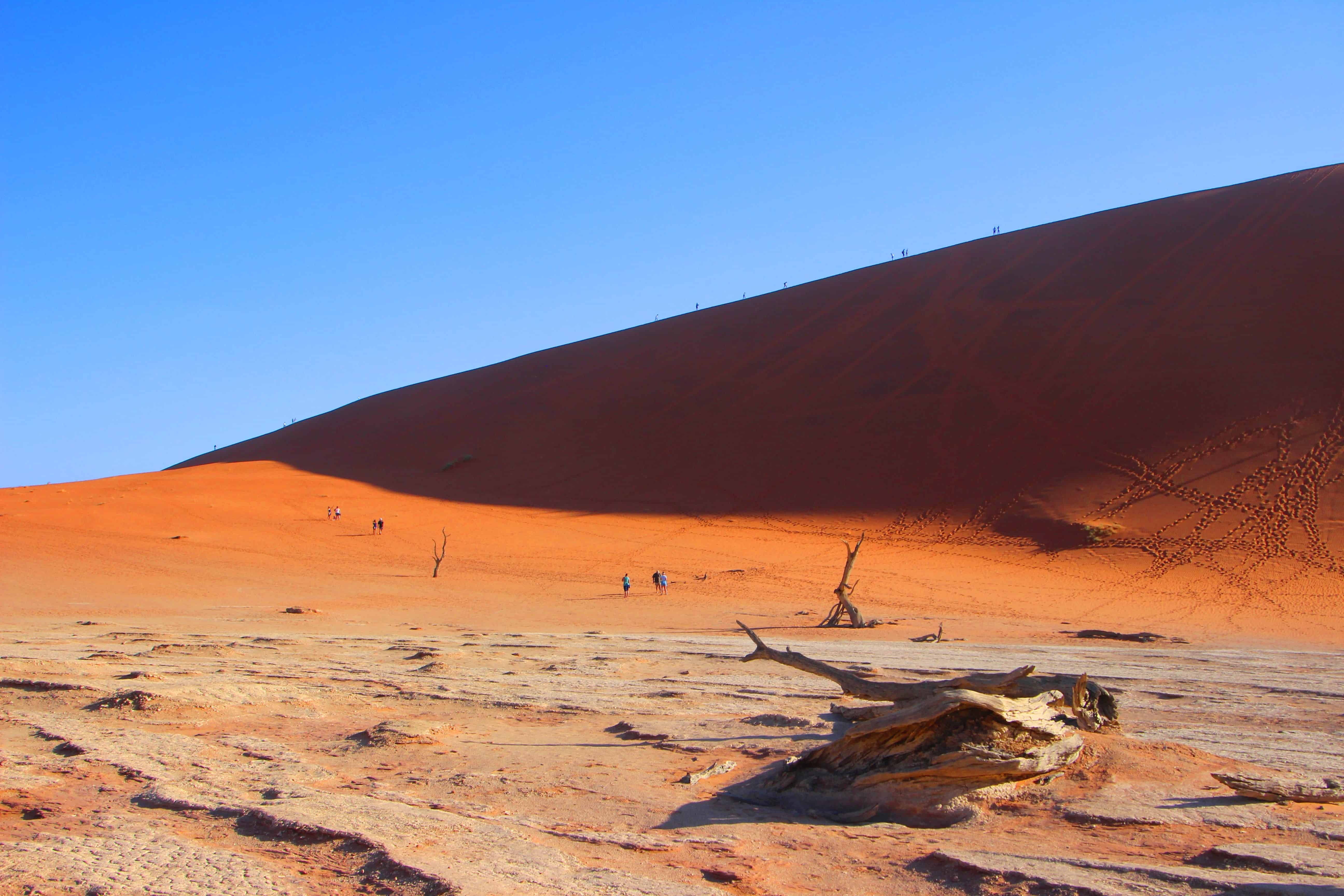
Day two starts before dawn at Sossusvlei, where you’ll climb the iconic Dune 45 for sunrise. The Big Daddy dune offers more challenging climbs, while Deadvlei’s ancient tree graveyard creates surreal photographic opportunities.
Days 3-4: Sossusvlei to Swakopmund (350 km)
Travel through Solitaire, stopping at the famous bakery for apple pie, then continue through the Kuiseb Canyon to the coastal town of Swakopmund. This German colonial town offers excellent restaurants, adventure activities, and Atlantic Ocean breezes.
Dedicate day four to activities: sandboarding, quad biking in the dunes, or scenic flights over the Skeleton Coast. The nearby Walvis Bay lagoon attracts thousands of flamingos.
Days 5-6: Swakopmund to Damaraland (280 km)
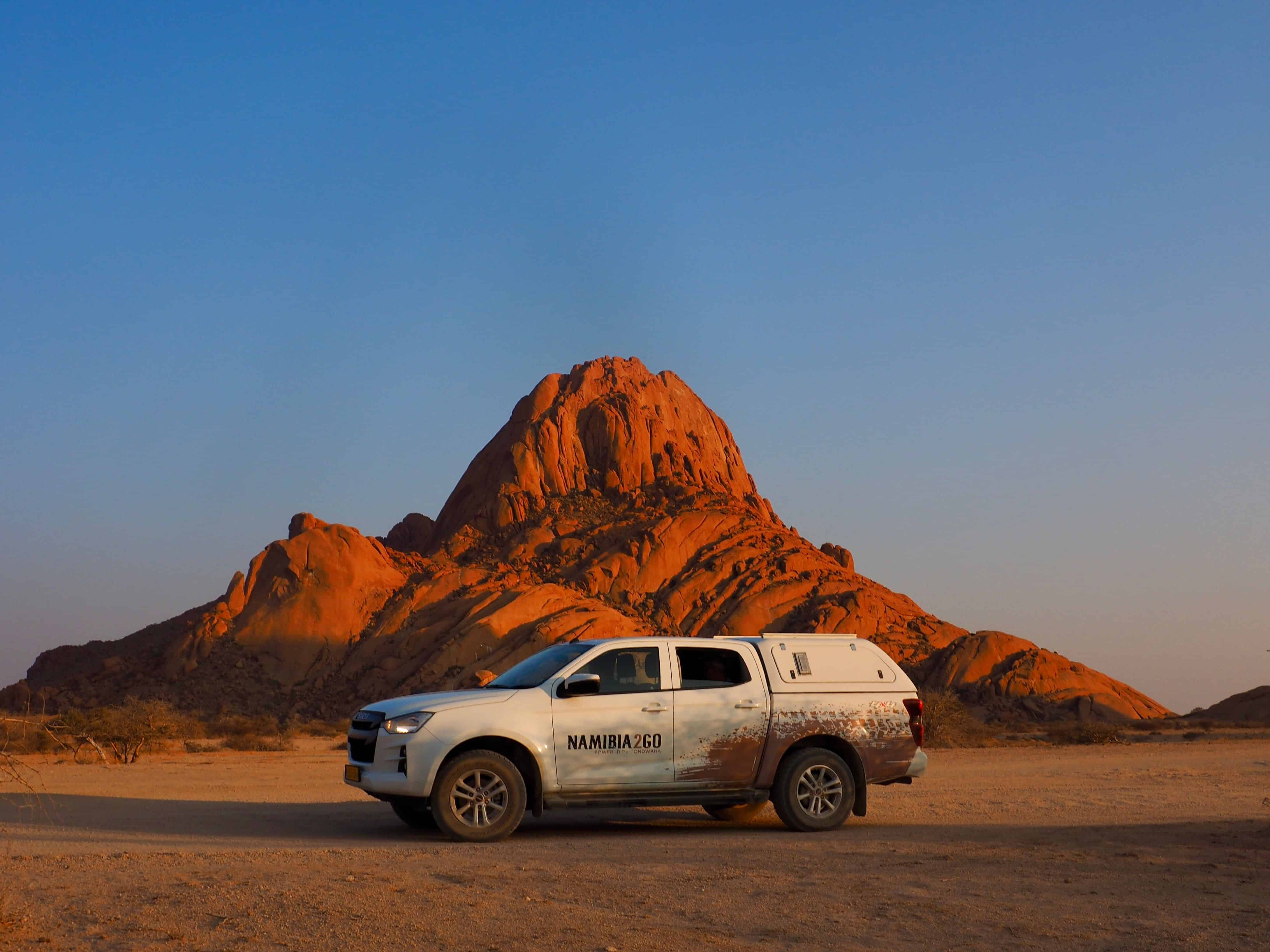
Head inland toward Damaraland, visiting the Spitzkoppe rock formations en route. This region offers desert-adapted elephant tracking and the ancient rock engravings at Twyfelfontein, a UNESCO World Heritage Site.
The Petrified Forest and Burnt Mountain provide geological wonders that showcase Namibia’s ancient history.
Days 7-10: Etosha National Park (300 km)
This section of your Namibia road trip itinerary focuses on wildlife. Etosha National Park hosts four of Africa’s Big Five (only buffalo are absent), with exceptional viewing at the numerous waterholes.
Stay at camps inside the park for optimal game drives during golden hours. The salt pan itself creates ethereal landscapes, particularly during midday when mirages shimmer across the white expanse. Allocate three full days for game viewing, entering through Andersson’s Gate and exiting via King Nehale Gate.
Days 11-12: Etosha to Erongo Mountains (320 km)
Journey south through Outjo toward the Erongo Mountains, a haven for rock art, unique flora, and spectacular scenery. This less-visited region offers hiking trails and cultural encounters with local Damara communities.
Days 13-14: Return to Windhoek (200 km)
Complete your circuit back to Windhoek, perhaps stopping at the Okahandja craft market for souvenirs. Use your final day for vehicle return and departure preparations.
Shorter Itinerary Options
7-Day Namibia Road Trip Itinerary
For those with limited time, focus on these highlights:
- Days 1-2: Windhoek to Sossusvlei
- Days 3-4: Sossusvlei to Swakopmund
- Days 5-6: Swakopmund to Etosha (southern section)
- Day 7: Etosha to Windhoek
10-Day Compact Route
Add Damaraland to the 7-day itinerary for a more comprehensive experience without feeling rushed. This allows two full days in Etosha and one day exploring Damaraland’s highlights.
Essential Preparation and Requirements
Successfully executing your Namibia road trip itinerary requires proper preparation. International visitors need a valid passport with at least six months validity and sufficient blank pages for entry stamps.
Most Western nationalities receive free 90-day tourist visas on arrival. An international driving permit accompanies your home country license, though many rental companies accept valid licenses from English-speaking countries.
Vehicle Selection
A 4×4 vehicle proves essential for reaching many destinations. While main routes between towns use tarred roads, accessing national parks, desert camps, and scenic viewpoints requires high clearance and all-wheel drive capability.
Rental companies in Windhoek offer comprehensive packages including camping equipment, GPS units, and unlimited mileage. Book vehicles 3-6 months ahead during peak season (June to September).
Packing Essentials
- Plenty of drinking water (5-10 liters per person daily)
- Non-perishable food supplies
- First aid kit and personal medications
- Sun protection (SPF 50+ sunscreen, hats, sunglasses)
- Warm layers for cold desert nights
- Detailed paper maps as GPS backup
- Portable air compressor for tire adjustments
- Emergency repair kit
Driving Tips and Safety
Namibia drives on the left side of the road. Gravel roads constitute roughly 80% of the road network, requiring adjusted driving techniques.
Maintain speeds between 60-80 km/h on gravel, slower on corrugated sections. Never brake suddenly on gravel—this causes skidding. Instead, lift off the accelerator gradually and brake gently.
Common Road Trip Misconceptions
Many travelers believe Namibia’s roads are dangerous, but statistics show otherwise. The real danger comes from excessive speed and inexperience with gravel driving. Misconception corrected: Gravel roads aren’t inherently dangerous; driving too fast on them is.
Wildlife poses risks at dawn and dusk. Kudu and oryx frequently cross roads unexpectedly. Never drive after dark outside towns—animal collisions are the leading cause of accidents.
Fuel Considerations
Fuel stations appear regularly in towns but are scarce in remote areas. Never let your tank drop below half. Fill up at every opportunity, particularly before entering national parks or desert regions.
Credit cards work at most stations in larger towns, but carry cash for rural areas. Diesel proves more readily available than petrol in remote regions.
Accommodation Guide
Your Namibia road trip itinerary offers diverse accommodation options suited to various budgets and preferences. The country excels in providing quality lodging across all categories.
Camping and Campsites
Camping represents the most economical and immersive option. National parks offer basic but well-maintained campsites with ablution blocks and braai (barbecue) facilities. Private campsites provide more amenities including swimming pools, restaurants, and powered sites.
Expect camping costs of N$150-300 per person nightly. Book national park campsites through Namibia Wildlife Resorts well in advance.
Lodges and Guesthouses
Mid-range lodges offer comfortable rooms, excellent cuisine, and often guided activities. Prices range from N$1,200-2,500 per person per night including dinner and breakfast.
Luxury lodges provide all-inclusive experiences with guided safaris, premium accommodations, and gourmet meals, costing N$3,000-8,000 per person nightly.
Budget Planning
Creating a realistic budget ensures your Namibia road trip itinerary remains stress-free. As of 2026, budget the following daily costs per person:
Budget Traveler (Camping)
- Accommodation: N$200-400
- Food (self-catered): N$150-250
- Fuel: N$200-300
- Park fees: N$80-150
- Daily total: N$630-1,100 (USD 35-60)
Mid-Range Traveler
- Accommodation: N$1,500-2,000
- Meals: N$400-600
- Fuel: N$200-300
- Activities: N$300-500
- Daily total: N$2,400-3,400 (USD 130-185)
One-Time Costs
Vehicle rental averages N$800-1,500 daily for a 4×4 with full insurance. International flights to Windhoek vary by origin, typically ranging USD 800-1,500 from Europe or USD 1,200-2,000 from North America.
Park entry fees total approximately N$480 per person for a comprehensive itinerary visiting Sossusvlei and Etosha. Conservation fees support wildlife protection and community development initiatives.
Frequently Asked Questions
Is a 4×4 vehicle necessary for a Namibia road trip?
Yes, a 4×4 is highly recommended and often required. While main routes use paved roads, accessing national parks, desert camps, and many scenic attractions requires high clearance and all-wheel drive. Additionally, many car rental insurance policies mandate 4×4 vehicles for gravel roads, which constitute most of Namibia’s road network.
How much does a 14-day Namibia road trip cost?
Budget travelers camping and self-catering can complete a 14-day trip for approximately USD 500-850 per person (excluding flights and vehicle rental). Mid-range travelers staying in lodges should budget USD 1,800-2,600 per person. Add vehicle rental costs of USD 1,100-2,100 for the period. These estimates assume two people sharing costs.
Can I do a Namibia road trip solo?
Absolutely. Namibia is one of Africa’s safest countries for solo travelers, with low crime rates and friendly locals. However, solo travel increases costs as you cannot share vehicle rental and accommodation expenses. For safety, inform someone of your daily route, carry satellite communication in remote areas, and join other travelers at campsites for social connection and shared experiences.
What should I do if my vehicle breaks down?
Stay with your vehicle—it provides shelter and is easier to spot than a person. Rental companies provide 24-hour emergency numbers; most offer roadside assistance throughout the country. In remote areas, wait for passing vehicles (usually within a few hours on main routes). Carry extra water, food, and shade materials. Many travelers use satellite phones or emergency beacons for true wilderness areas.
Do I need vaccinations for Namibia?
Most travelers do not require vaccinations for Namibia, though routine immunizations should be current. Yellow fever vaccination is required only if arriving from yellow fever endemic countries. Malaria prophylaxis is recommended for northern regions including Etosha, particularly during the rainy season (November-April). Consult your doctor or travel clinic 6-8 weeks before departure for personalized advice based on your itinerary and health history.
What is the best Namibia road trip itinerary for first-time visitors?
First-timers should follow the classic circuit: Windhoek → Sossusvlei (2 days) → Swakopmund (2 days) → Damaraland (2 days) → Etosha National Park (3 days) → return to Windhoek. This 10-12 day itinerary covers Namibia’s highlights without feeling rushed, provides diverse experiences from desert to coast to wildlife, and uses well-maintained routes suitable for those new to African self-drive adventures.
Conclusion
Crafting the perfect Namibia road trip itinerary opens doors to one of Africa’s most rewarding travel experiences. From the ethereal dunes of Sossusvlei to the wildlife-rich waterholes of Etosha, Namibia delivers unforgettable moments at every turn.
Whether you choose a condensed 7-day adventure or an extended 14-day exploration, proper planning ensures smooth travels across this magnificent desert nation. The freedom of self-drive travel combined with Namibia’s excellent infrastructure creates an accessible African adventure suitable for all experience levels.
Ready to start planning your African adventure? Explore more expert guides and travel resources at Africaning, your comprehensive source for authentic African travel experiences. For personalized itinerary assistance or specific questions about your Namibia road trip, contact us directly.
Begin your journey preparation by visiting our destinations page to discover other incredible African road trip opportunities that complement your Namibian adventure.