Quick Answer: Top Things to Do in Marrakech
The best things to do in Marrakech include exploring the vibrant Jemaa el-Fnaa square, wandering through the historic medina souks, visiting the stunning Bahia Palace, relaxing in the Majorelle Garden, and experiencing a traditional hammam spa. The city offers a perfect blend of ancient culture, architectural wonders, and authentic Moroccan hospitality.
When planning your Moroccan adventure, discovering the incredible things to do in Marrakech should be at the top of your list. This enchanting city, known as the “Red City” for its distinctive terracotta buildings, offers travelers an intoxicating blend of medieval charm and modern energy. From bustling souks filled with handcrafted treasures to serene gardens and architectural masterpieces, Marrakech captivates visitors with experiences that engage all five senses.
As of 2026, Marrakech remains Morocco’s most visited city, welcoming over 3 million tourists annually according to UNESCO tourism statistics. Whether you’re a first-time visitor or returning explorer, this comprehensive guide will help you navigate the city’s most remarkable attractions and hidden gems.

Experience the Magic of Jemaa el-Fnaa Square
No list of things to do in Marrakech would be complete without spending time at Jemaa el-Fnaa, the beating heart of the medina. This UNESCO World Heritage site transforms throughout the day, offering different experiences from morning until late night.
During daylight hours, the square buzzes with orange juice vendors, henna artists, and snake charmers. As sunset approaches, the plaza transforms into an open-air food market with dozens of stalls serving traditional Moroccan dishes. The aromatic smoke from grills creates an atmospheric backdrop as storytellers, musicians, and acrobats perform for growing crowds.
Common Misconception: Many travelers believe Jemaa el-Fnaa is only worth visiting at night. While evenings are spectacular, the morning market offers a more relaxed atmosphere perfect for photography and genuine interaction with locals.
Explore Historic Palaces and Architecture
Bahia Palace
The Bahia Palace stands as one of Marrakech’s finest examples of 19th-century Moroccan architecture. Built over seven years for Si Moussa, the palace features 150 rooms adorned with intricate tilework, painted ceilings, and tranquil courtyards. The name “Bahia” means “brilliance,” and the palace certainly lives up to its designation.
Walking through its rooms and gardens offers insight into the luxurious lifestyle of Morocco’s elite during the late 1800s. The palace’s zellige tilework and cedar wood carvings showcase the exceptional craftsmanship of Moroccan artisans.
El Badi Palace
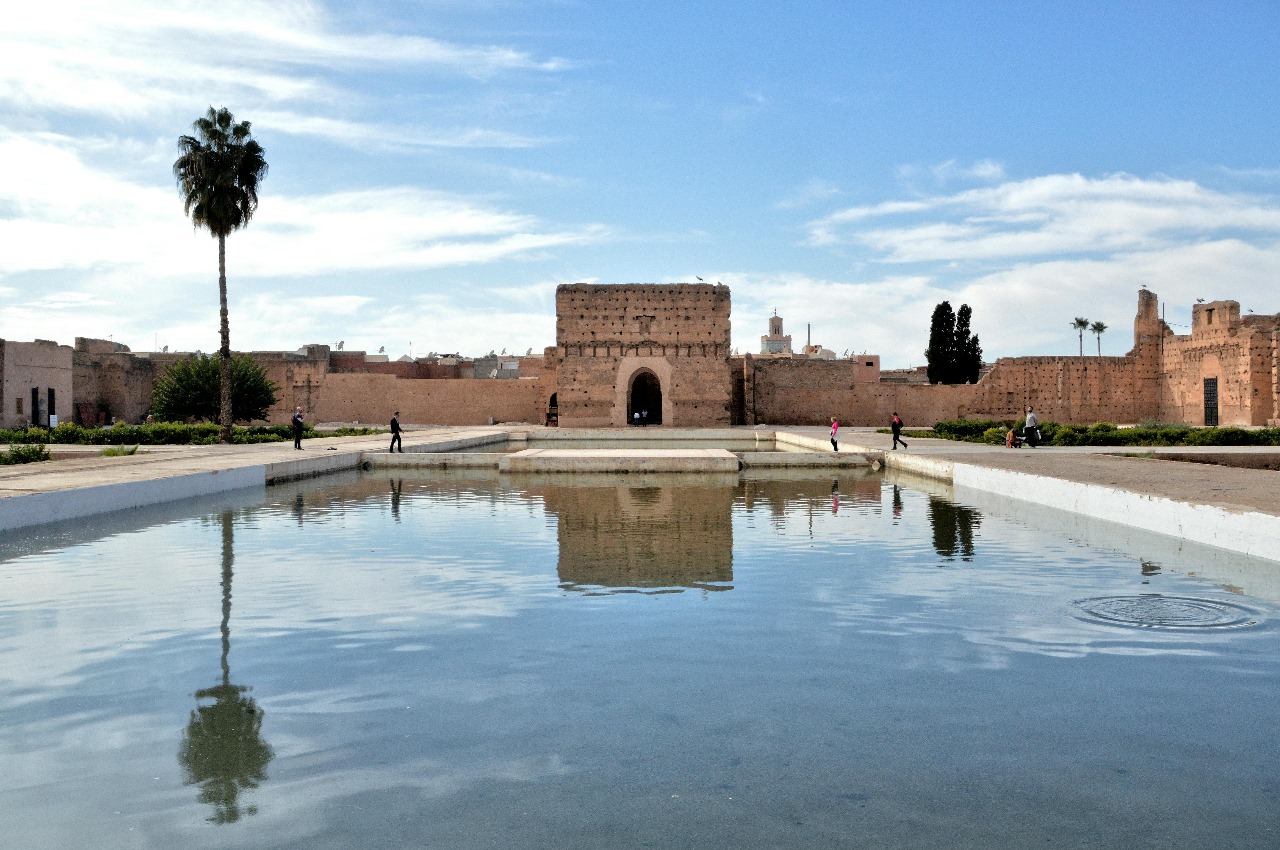
Though now in ruins, El Badi Palace remains one of the most evocative things to do in Marrakech. Sultan Ahmad al-Mansur built this grand palace in the late 16th century following a successful military victory. Today, visitors can explore the vast courtyard, underground passages, and climb to the ramparts for panoramic views of the medina and Atlas Mountains.
Navigate the Labyrinthine Souks
The traditional souks of Marrakech form a sprawling marketplace where centuries-old trading traditions continue today. These covered bazaars are organized by trade, making exploration both fascinating and functional. Before venturing in, consider reviewing Morocco visa requirements to ensure you have proper documentation for your trip.
Key souks to explore include:
- Souk Semmarine: The main artery featuring textiles, clothing, and leather goods
- Souk des Teinturiers: The dyers’ souk with colorful hanging wool and silk
- Souk Haddadine: Metalworkers crafting lanterns and decorative pieces
- Souk Cherratine: Leather workers creating bags, shoes, and traditional babouches
- Rahba Kedima: Spice square offering saffron, argan oil, and traditional remedies
Bargaining is expected and part of the cultural experience. Start at roughly 40-50% of the asking price and negotiate respectfully. The interactions often lead to genuine connections with shopkeepers and insights into their crafts.
Discover Stunning Gardens and Green Spaces
Majorelle Garden
Created by French painter Jacques Majorelle in the 1920s and later restored by fashion designer Yves Saint Laurent, Majorelle Garden offers a peaceful retreat from the medina’s intensity. The garden’s distinctive cobalt blue buildings contrast beautifully with exotic plants from five continents, including towering cacti, bamboo groves, and water lilies.
The on-site Berber Museum provides excellent context about Morocco’s indigenous culture. As one of the most photographed things to do in Marrakech, visit early morning to avoid crowds and harsh midday light.
Menara Gardens
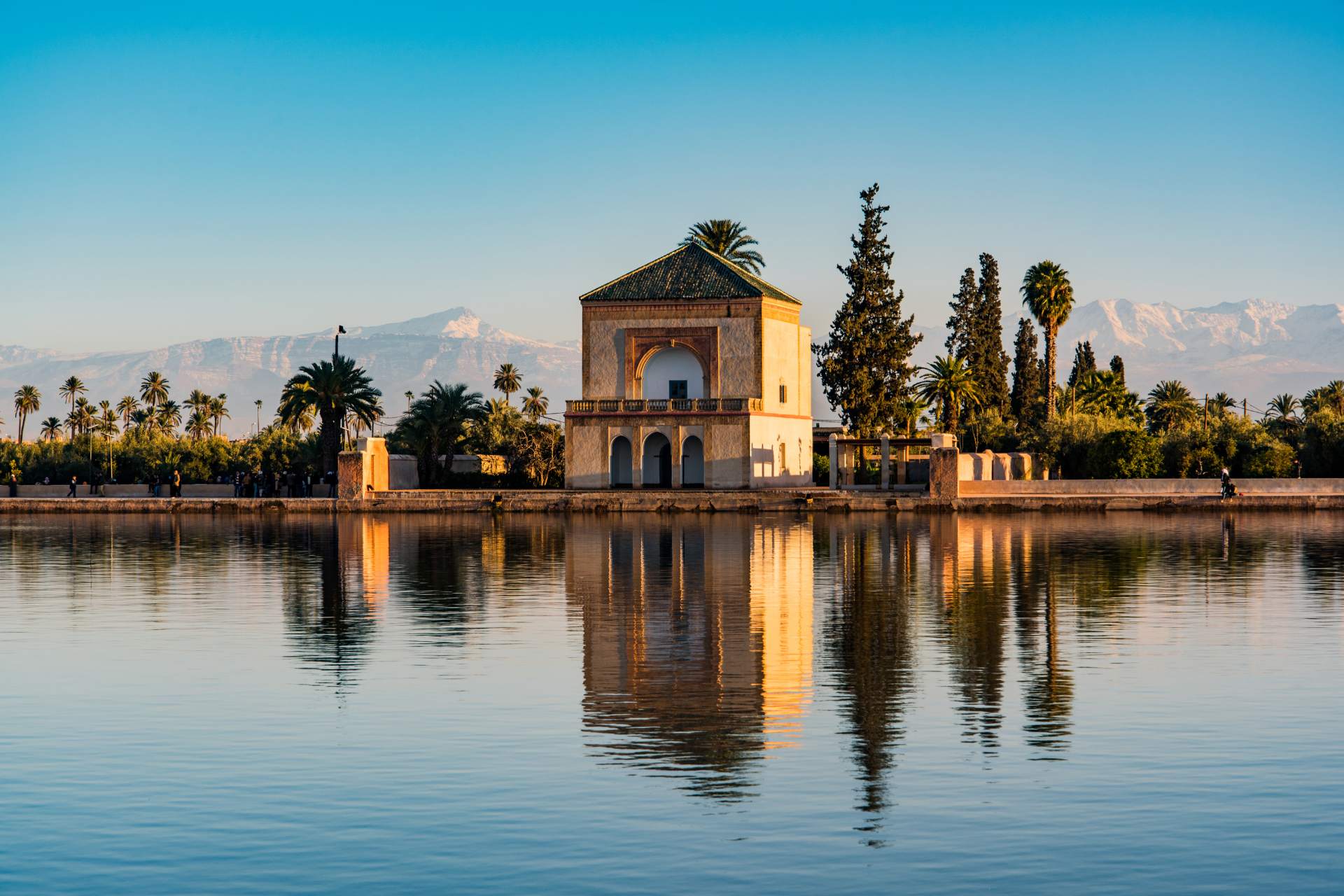
The Menara Gardens represent classic Moroccan landscape design with their reflective pool, olive groves, and pavilion backdrop of the Atlas Mountains. Dating to the 12th century, these gardens offer locals and tourists alike a tranquil escape, particularly beautiful during sunset when the mountains glow pink and orange.
Authentic Cultural Experiences
Traditional Hammam Experience
Visiting a traditional hammam (Moroccan bathhouse) ranks among the most authentic things to do in Marrakech. These steam baths have been central to Moroccan culture for centuries, serving as social gathering spaces and purification rituals.
The traditional hammam experience includes several stages: relaxing in steam rooms, exfoliation with a coarse mitt called a kessa, application of black olive soap, and sometimes an argan oil massage. Choose between tourist-oriented hammams with luxury amenities or authentic neighborhood hammams for a genuine local experience.
Cooking Classes
Taking a Moroccan cooking class provides hands-on cultural immersion. Many classes begin with a guided market tour to select fresh ingredients, teaching you to identify spices and negotiate like a local. You’ll then prepare traditional dishes such as tagine, couscous, or pastilla under expert guidance.
These classes offer practical skills and recipes you can recreate at home, serving as edible souvenirs of your Marrakech adventure. Understanding the best time to visit Morocco can help you plan around seasonal ingredients and festivals.
Koutoubia Mosque
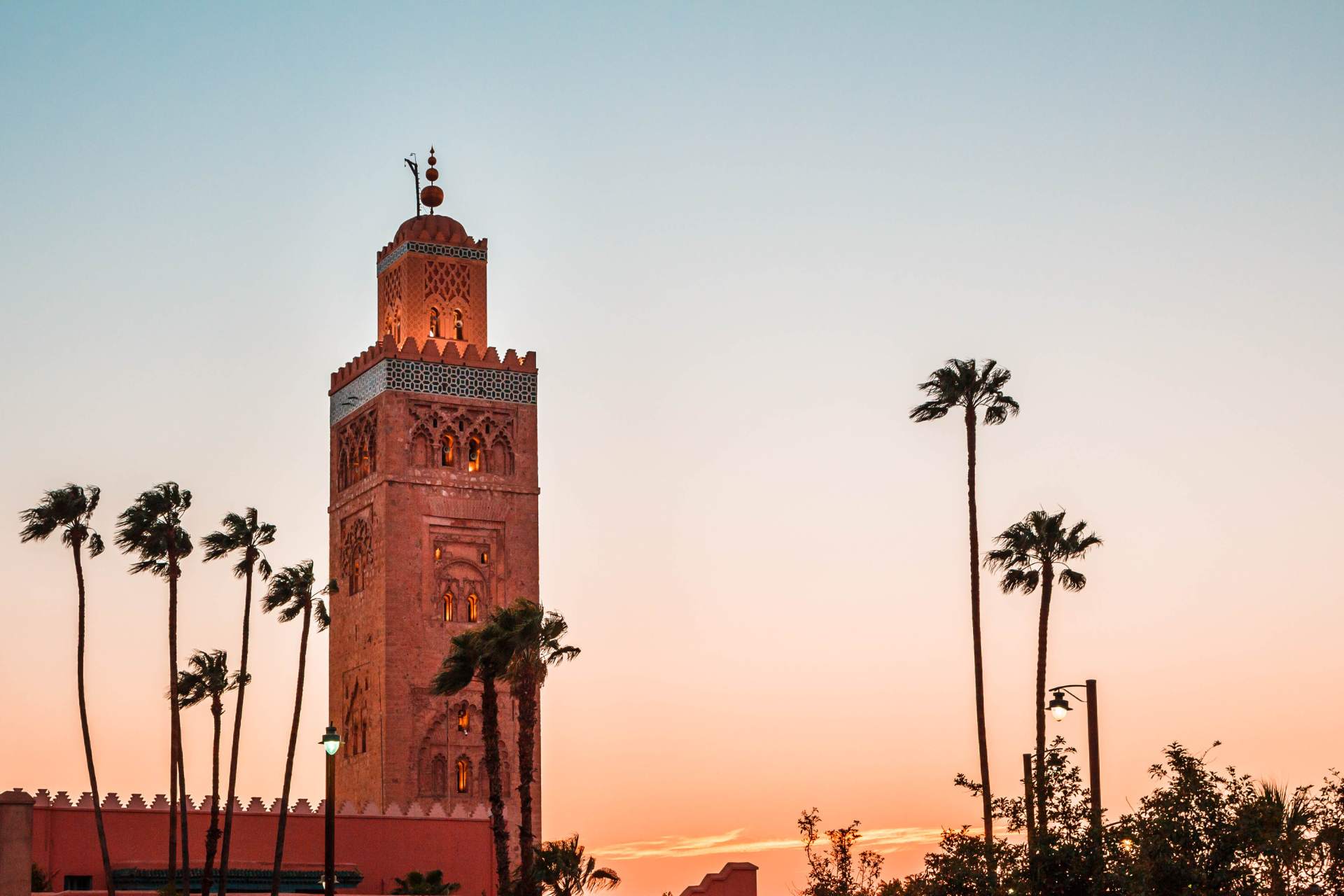
The Koutoubia Mosque, with its 77-meter minaret, dominates Marrakech’s skyline and serves as the city’s most important religious monument. Built in the 12th century, this architectural masterpiece exemplifies Almohad design and influenced structures across Spain and North Africa.
While non-Muslims cannot enter, the exterior and surrounding gardens are freely accessible. The evening call to prayer echoing from this minaret creates one of Marrakech’s most memorable soundscapes.
Best Day Trips from Marrakech
Marrakech serves as an excellent base for exploring surrounding regions. The dramatic Atlas Mountains lie just 60 kilometers south, offering hiking opportunities, traditional Berber villages, and Africa’s highest ski resort at Oukaimeden.
The coastal town of Essaouira makes a popular day trip, providing ocean breezes and fresh seafood just three hours west. For adventure seekers, a Sahara Desert tour from Morocco offers unforgettable experiences, though multi-day trips are recommended to fully appreciate the desert landscape.
The Ouzoud Waterfalls, Morocco’s highest cascades at 110 meters, create spectacular scenery approximately 150 kilometers northeast of Marrakech. The surrounding area supports wild Barbary macaque populations, adding wildlife viewing to the natural beauty.
When planning excursions, research Morocco’s safety for tourists and book reputable tour operators for the best experiences.
Frequently Asked Questions
How many days do you need in Marrakech?
Ideally, spend 3-4 days exploring the main things to do in Marrakech. This allows time for the medina, major palaces, gardens, a hammam experience, and at least one day trip. Two days covers highlights but feels rushed, while a week permits deeper exploration and relaxation.
What should I wear in Marrakech?
Morocco is relatively moderate, but respectful dress is appreciated, especially in the medina. For both men and women, covering shoulders and knees is advisable. Lightweight, breathable fabrics work best. Women don’t need to cover their hair, though a scarf is useful for visiting religious sites and sun protection.
Is Marrakech expensive to visit?
Marrakech accommodates various budgets. Budget travelers can manage on $30-50 daily with hostel accommodation and street food. Mid-range visitors typically spend $80-150 per day, while luxury travelers may spend $200+ daily. Souks require bargaining, and many attractions have modest entrance fees of $5-10.
What is the best time to visit Marrakech?
The optimal periods are March-May and September-November when temperatures range from 20-28°C (68-82°F). Summer (June-August) can exceed 40°C (104°F), making sightseeing uncomfortable. Winter (December-February) brings cooler temperatures perfect for exploration, though nights can be chilly. Check our detailed guide to Morocco’s seasons for complete information.
Do I need a guide for the medina?
A guide isn’t essential but can enhance your first medina experience. Official guides provide historical context and navigate efficiently. However, getting lost in the souks is part of the adventure, and locals are generally helpful with directions. If hiring a guide, book through your riad or official tourism offices to ensure qualified professionals and fair pricing.
Can I drink tap water in Marrakech?
While Marrakech’s tap water is treated and safe for locals, visitors should stick to bottled water to avoid potential stomach upset from unfamiliar bacteria. Bottled water is inexpensive and widely available. Avoid ice in drinks unless you’re certain it’s made from purified water, particularly at street food stalls.
Conclusion
From the hypnotic chaos of Jemaa el-Fnaa to the serene beauty of Majorelle Garden, the incredible things to do in Marrakech create an unforgettable North African experience. This city masterfully balances its medieval heritage with contemporary comfort, offering travelers authentic cultural immersion alongside world-class amenities.
Whether you’re bargaining in the souks, exploring ornate palaces, or savoring tagine at a rooftop restaurant with Atlas Mountain views, Marrakech engages every sense. The city’s warmth comes not just from its climate but from the genuine hospitality of its people.
As you plan your Marrakech adventure, remember that the magic often lies in unexpected moments: a conversation with a craftsman, stumbling upon a hidden riad courtyard, or sharing mint tea with new friends. Beyond the must-see attractions, allow time for spontaneous discovery. The Red City rewards those who wander with curiosity and respect.
Start preparing for your journey by reviewing practical information about visa requirements and safety considerations, then lose yourself in one of Africa’s most enchanting destinations.