
Planning a trip to Morocco and wondering about Morocco visa requirements? You’re in the right place. Morocco’s visa policy varies significantly depending on your nationality, with many travelers enjoying visa-free access while others need to apply in advance. Understanding these requirements before you book your flights is essential for a smooth journey to this North African gem.
As of 2026, Morocco continues to welcome millions of international visitors annually, and the Kingdom has streamlined its visa processes to facilitate tourism. This comprehensive guide covers everything you need to know about entering Morocco legally.
Visa-Free Entry to Morocco
Morocco has significantly expanded its visa-free policy in recent years to boost tourism. Citizens from numerous countries can enter Morocco without obtaining a visa in advance, staying for periods ranging from 30 to 90 days depending on bilateral agreements.
Countries with visa-free access include all European Union member states, the United States, Canada, the United Kingdom, Australia, New Zealand, Japan, South Korea, Brazil, Argentina, and many others. According to Wikipedia’s visa policy data, over 60 nationalities enjoy this privilege.
Duration of Stay Without a Visa
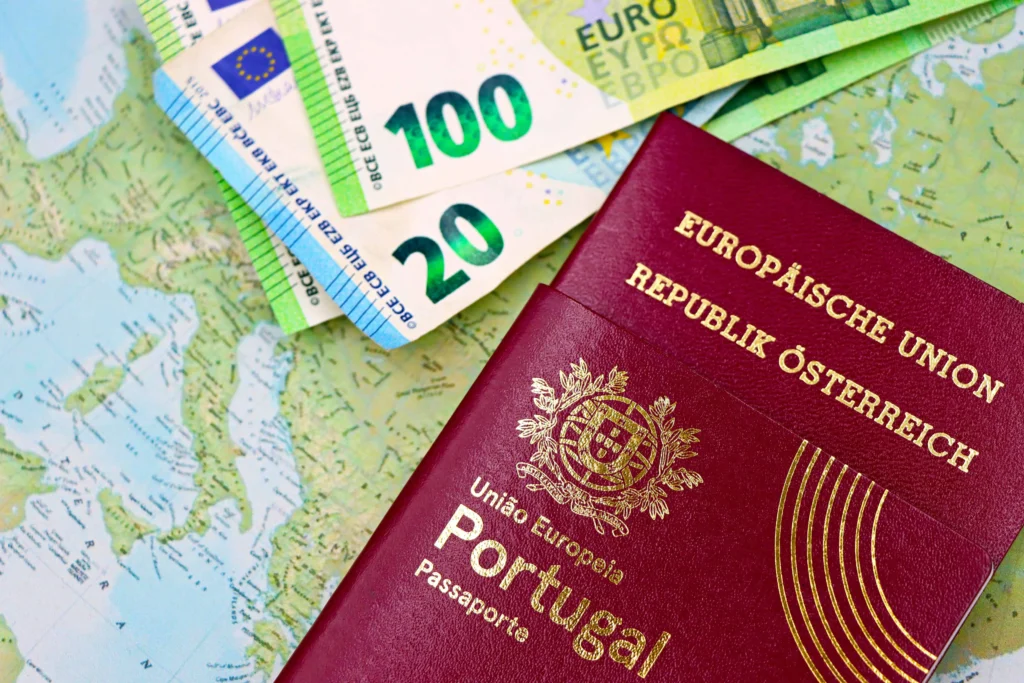
Most visa-exempt travelers can remain in Morocco for up to 90 days within a 180-day period. Your passport must be valid for at least six months beyond your intended departure date. Immigration officials will stamp your passport upon entry, indicating the permitted duration of stay.
If you’re planning an extended visit, consider the best time to visit Morocco to maximize your experience during those 90 days.
Visa on Arrival Options
As of 2026, Morocco does not offer traditional visa-on-arrival services for most nationalities. However, certain countries have special arrangements. Chinese citizens, for example, have enjoyed visa-free access since 2016 for stays up to 90 days.
A common misconception is that all travelers can obtain a visa at Moroccan airports—this is incorrect. Only pre-approved nationalities or those with special authorization can enter without advance arrangements. Always verify your status before departure.
Standard Visa Application Process
If your nationality requires a visa to enter Morocco, you’ll need to apply at a Moroccan embassy or consulate in your home country or country of residence. The Morocco visa requirements for application include several steps that should be completed well in advance of your travel dates.
Step-by-Step Application Guide
- Locate your nearest Moroccan consulate: Find the embassy or consulate with jurisdiction over your area.
- Download and complete the visa application form: Fill it out accurately with all required information.
- Gather supporting documents: Collect all necessary paperwork (detailed below).
- Schedule an appointment: Many consulates require appointments for visa submissions.
- Submit your application: Attend your appointment with all documents and fees.
- Wait for processing: Standard processing takes 10-15 business days.
- Collect your passport: Retrieve your passport with the visa stamp once approved.
Required Documents for Morocco Visa
The documentation needed for Morocco visa requirements is straightforward but must be complete. Missing even one document can delay your application significantly.
Essential Documents Checklist
- Valid passport: Must be valid for at least six months beyond your intended stay with at least two blank pages
- Completed visa application form: Signed and dated
- Recent passport photos: Usually two photos meeting specific size requirements (3.5cm x 4.5cm)
- Proof of accommodation: Hotel reservations or invitation letter from a host
- Flight itinerary: Round-trip tickets or confirmed bookings
- Financial proof: Bank statements showing sufficient funds (typically €50-100 per day)
- Travel insurance: Coverage for the entire stay
- Employment letter: Confirming your employment status and approved leave
- Visa fee: Payment receipt (fees vary by nationality)
For business visas, additional documents like company registration and invitation letters from Moroccan partners are required.
Types of Morocco Visas
Morocco issues different visa categories depending on your purpose of visit. Understanding which type you need is crucial for meeting the correct Morocco visa requirements.
Tourist Visa
The most common visa type, allowing stays for tourism, visiting friends or family, or leisure travel. Typically valid for 90 days, either single or multiple entry.
Business Visa
Required for business meetings, conferences, or commercial activities. Requires invitation from a Moroccan company and proof of business relationships.
Student Visa
For those enrolled in Moroccan educational institutions. Requires acceptance letters and proof of financial support for the duration of studies.
Work Visa
Needed for employment in Morocco. Requires a work contract from a Moroccan employer and approval from the Ministry of Labor.
Processing Times and Fees
Standard processing for Morocco visa requirements typically takes 10-15 business days, though this can vary by consulate and time of year. Peak travel seasons (March-May and September-November) may see longer processing times.
Visa fees range from €27 to €70 depending on your nationality and visa type. Some consulates accept only cash, while others permit card payments—verify payment methods beforehand. Expedited processing may be available for an additional fee at certain locations.
Once you receive your visa, familiarize yourself with safety considerations for tourists in Morocco to ensure a smooth visit.
Common Mistakes to Avoid
Many visa applications are delayed or rejected due to preventable errors. The most frequent mistake is submitting an incomplete application or providing insufficient financial documentation.
Top Errors That Delay Applications
Waiting until the last minute to apply is risky—always apply at least one month before travel. Inconsistent information between your application form and supporting documents raises red flags. Inadequate travel insurance coverage or expired passports are instant grounds for rejection.
Some applicants mistakenly assume their visa guarantees entry—Morocco retains the right to deny entry at the border even with a valid visa if immigration officials have concerns.
Extensions and Overstays
Overstaying your permitted duration is a serious violation. If you need to extend your stay, visit the local police station (commissariat) before your visa expires. Extensions are not guaranteed and typically require valid justification.
Penalties for overstaying include fines, deportation, and future entry bans. Morocco’s immigration authorities have modernized their tracking systems, making overstays easily detectable.
Special Considerations for 2026
Morocco is hosting several international events in 2026, which may affect visa policies and accommodation availability. The government has indicated potential temporary visa facilitations for event participants, though these haven’t been officially announced yet.
Digital nomad visas and long-term stay permits are under discussion as Morocco seeks to attract remote workers, though no formal program existed as of early 2026. Check the UK Foreign Office travel advice or equivalent resources from your country for the latest updates.
If you’re planning adventures like a Sahara Desert tour, ensure your visa allows sufficient time to enjoy Morocco’s diverse attractions.

Frequently Asked Questions
Can I extend my visa-free stay in Morocco?
Yes, but extensions are granted at the discretion of local authorities. You must apply at a police station before your current authorization expires. Extensions are typically granted for compelling reasons like medical emergencies or family situations.
Do children need separate visas for Morocco?
Children traveling on their own passports are subject to the same visa requirements as adults. If a child is included in a parent’s passport (less common now), they’re usually covered under that visa. Always verify specific requirements with the consulate.
What happens if my Morocco visa application is rejected?
You’ll receive written notification explaining the rejection reason. Depending on the cause, you may reapply after addressing the issues. Visa fees are generally non-refundable even if rejected. Common rejection reasons include insufficient documentation or concerns about intent to return home.
Can I enter Morocco with a Schengen visa?
No, a Schengen visa does not grant entry to Morocco. Morocco is not part of the Schengen Area or the European Union. You must meet Morocco’s specific entry requirements regardless of other visas you hold.
Do I need a visa to transit through Morocco?
If you’re transiting through Morocco without leaving the international transit area of the airport and your layover is under 24 hours, you typically don’t need a visa. However, if you plan to exit the airport or have a longer layover, normal visa requirements apply.
How early should I apply for a Morocco visa?
Apply at least 3-4 weeks before your intended travel date. During peak seasons, consider applying even earlier. Most consulates won’t accept applications more than three months in advance of travel.
Conclusion
Understanding Morocco visa requirements is essential for hassle-free travel to this captivating destination. Whether you’re eligible for visa-free entry or need to apply in advance, starting your preparations early ensures you’ll be ready to explore Morocco’s imperial cities, stunning coastlines, and Sahara landscapes.
Remember that visa policies can change, so always verify current requirements with official Moroccan diplomatic missions before finalizing your travel plans. With proper preparation and documentation, you’ll soon be enjoying tagine, exploring ancient medinas, and creating unforgettable memories in the Kingdom of Morocco.