
Planning your Moroccan adventure starts with choosing the best time to visit Morocco for your specific travel goals. Morocco’s diverse climate—from Mediterranean coasts to Saharan dunes—means the ideal travel window varies dramatically by region and activity. This comprehensive guide breaks down Morocco’s seasons, weather patterns, and regional variations to help you pick the perfect dates for your North African journey.
Overview of Moroccan Seasons
Morocco experiences four distinct seasons, but climate varies significantly across its diverse geography. The country spans from Atlantic and Mediterranean coastlines through the Atlas Mountains to the Sahara Desert, creating microclimates that require careful planning.
According to Morocco’s climate data, coastal regions enjoy mild, Mediterranean weather while interior areas experience more extreme temperature fluctuations. Understanding these variations is crucial for determining the best time to visit Morocco based on your itinerary.
Spring: March to May
Spring ranks among the absolute best times to visit Morocco for most travelers. Temperatures are pleasantly warm without summer’s scorching heat, and the landscape bursts with wildflowers, particularly in the Atlas Mountains and northern regions.
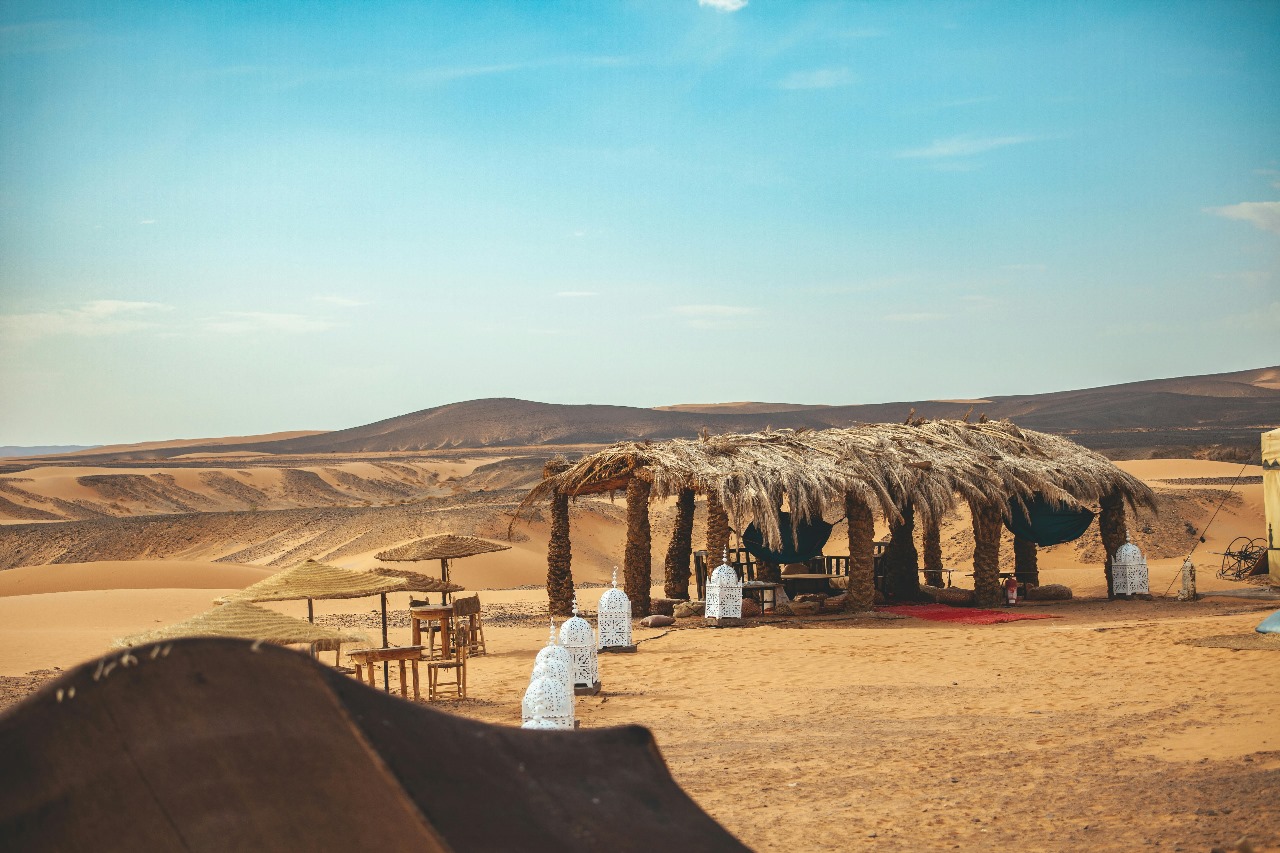
March temperatures average 18-22°C (64-72°F) in major cities like Marrakech and Fes, climbing to 24-28°C (75-82°F) by May. The Sahara becomes increasingly hot but remains manageable, making it ideal for Sahara desert tours before summer’s extreme temperatures arrive.
Spring Advantages
- Comfortable temperatures for city exploration and hiking
- Blooming landscapes, especially in valleys and mountain regions
- Moderate tourist crowds compared to peak summer
- Excellent visibility for photography and sightseeing
Summer: June to August
Summer represents peak tourist season but also brings intense heat, particularly inland. Coastal cities like Essaouira and Tangier remain relatively comfortable (22-26°C/72-79°F), while Marrakech and desert regions can exceed 40°C (104°F).
Despite the heat, summer attracts European vacationers seeking guaranteed sunshine. If you’re planning a summer trip, focus on coastal areas and mountain retreats. The Atlas Mountains offer refreshing escapes with temperatures 10-15°C cooler than lowland cities.
Many travelers wonder if Morocco is safe for tourists, and as of 2026, Morocco continues to maintain its reputation as one of North Africa’s safest destinations, with enhanced security measures in tourist areas year-round.
Autumn: September to November
Autumn rivals spring as the best time to visit Morocco, offering perhaps the most balanced conditions across all regions. September still carries summer warmth without extreme temperatures, while October and November provide perfect weather for diverse activities.
The desert heat moderates to comfortable levels (25-32°C/77-90°F), making it prime season for Saharan adventures. Coastal areas remain warm enough for swimming through October, and inland cities enjoy crisp, clear days ideal for medina exploration.
Autumn Highlights
- Post-harvest festivals in rural areas
- Lower accommodation prices compared to spring
- Crystal-clear skies perfect for Atlas Mountain trekking
- Comfortable temperatures in all major tourist destinations
Winter: December to February
Winter divides opinions regarding Morocco travel. While not traditionally considered the best time to visit Morocco, winter offers unique advantages for specific travelers and regions.
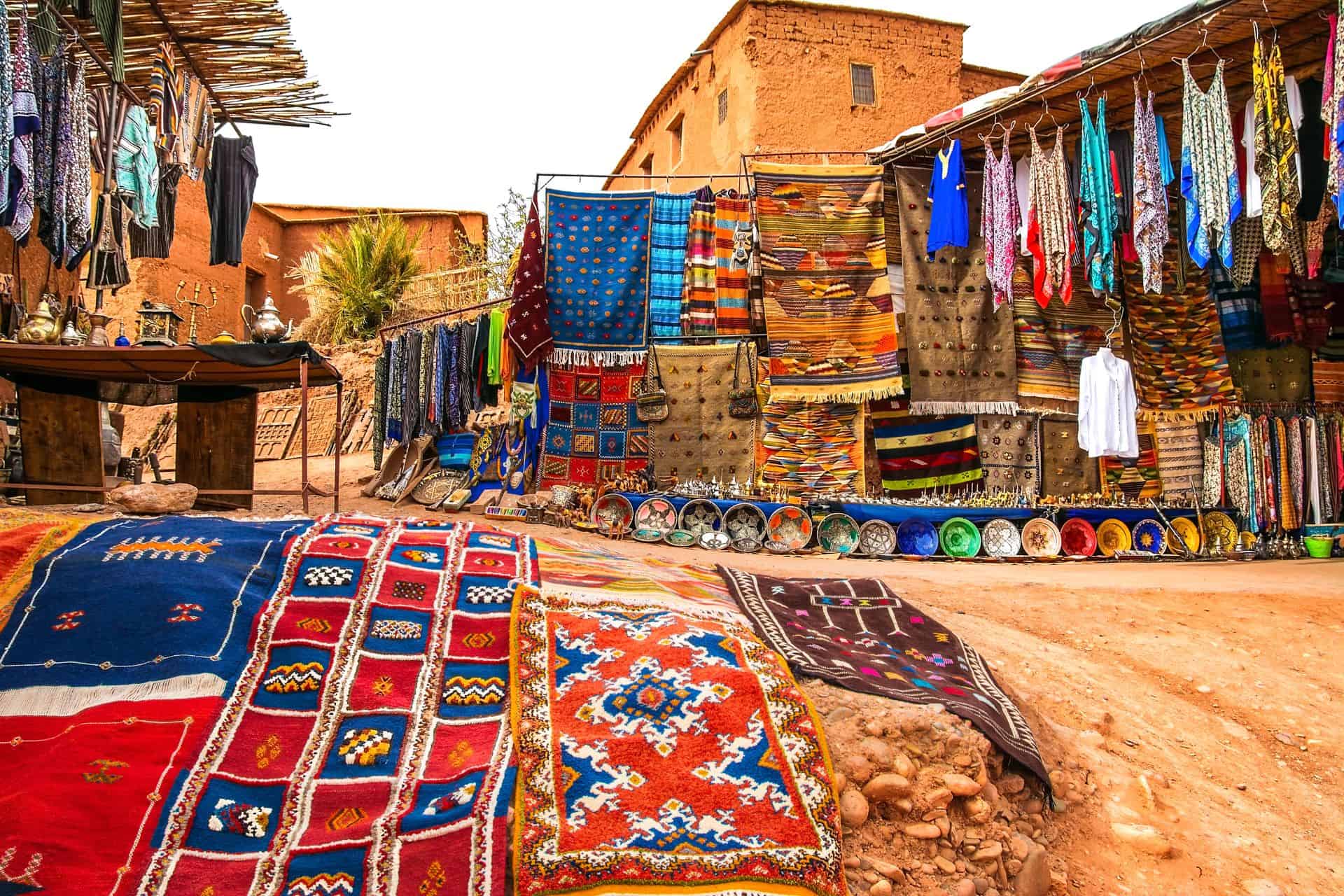
Coastal and southern cities enjoy mild, spring-like temperatures (15-20°C/59-68°F), making Marrakech, Agadir, and Essaouira perfectly pleasant. However, nights turn chilly, and northern regions can be cold and rainy. The Atlas Mountains receive snow, enabling skiing at Oukaimeden resort.
A common misconception is that Morocco is warm year-round. In reality, December and January nights in Marrakech regularly drop to 5-8°C (41-46°F), and northern cities like Fes can experience near-freezing temperatures.
Regional Climate Considerations
Morocco’s geography creates distinct climate zones that significantly impact travel planning. Understanding regional variations helps determine the best time to visit Morocco based on your specific destinations.
Atlantic Coast
Cities like Casablanca, Essaouira, and Agadir enjoy year-round moderate temperatures thanks to Atlantic influences. Summer remains comfortable (24-28°C/75-82°F), while winter rarely drops below 12°C (54°F). Visit anytime, though spring and autumn offer the most pleasant conditions.
Mediterranean Coast
Tangier and the northern coast experience wetter winters with more dramatic seasonal variation. Summer (June-August) is ideal, with warm, dry weather perfect for beach activities.
Atlas Mountains
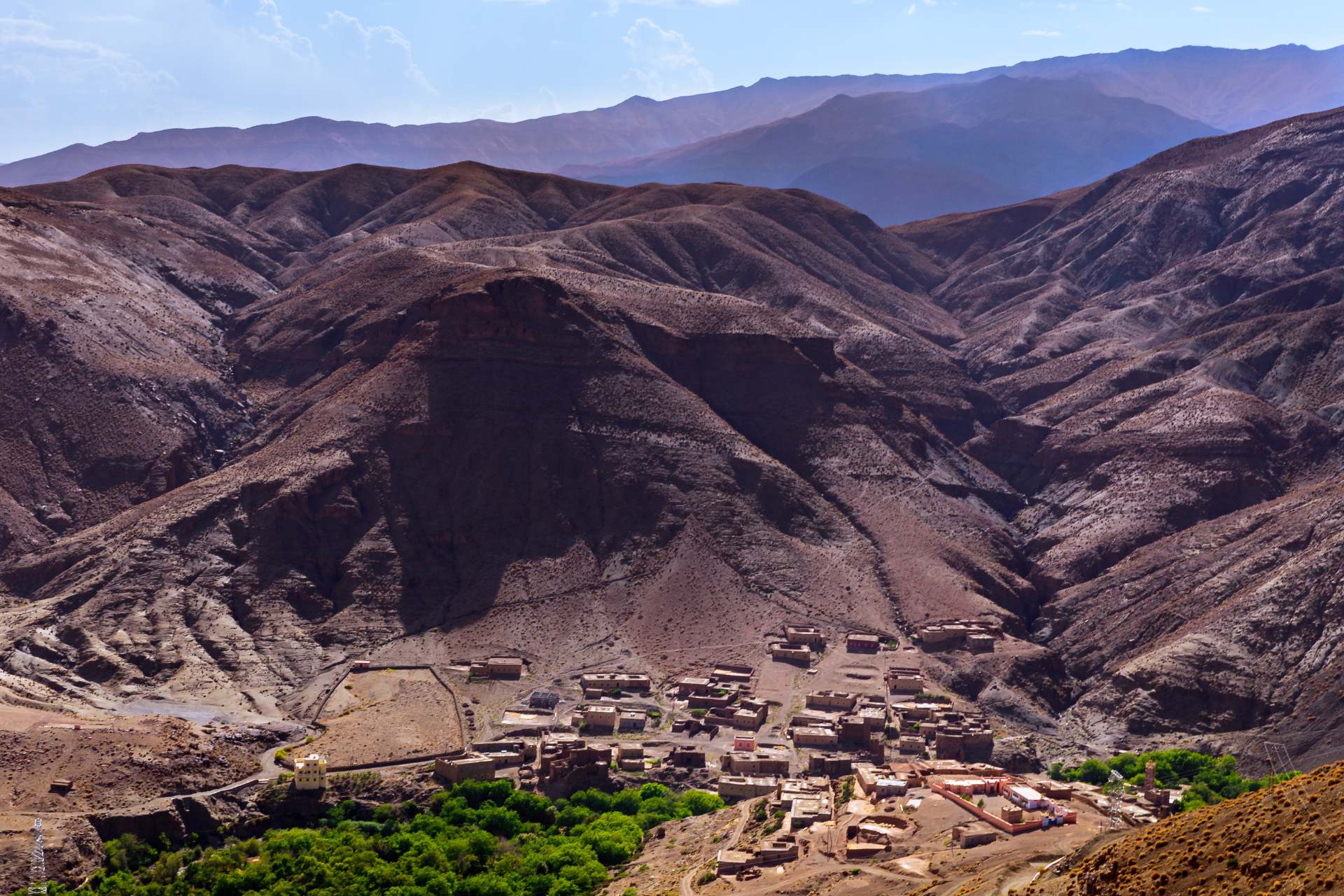
Mountain regions require careful seasonal planning. Trekking season runs April-October, with July-August attracting peak crowds. Snow closes high passes November-March. According to UNESCO’s documentation of the Atlas Mountain region, winter snowfall sustains crucial water systems for lowland agriculture.
Sahara Desert
The desert demands seasonal respect. October-April provides comfortable daytime temperatures (20-30°C/68-86°F), while May-September brings potentially dangerous heat exceeding 45°C (113°F). December-January nights can drop near freezing, requiring proper equipment.
Festivals and Cultural Events
Morocco’s rich cultural calendar influences the best time to visit Morocco for culture enthusiasts. Major festivals draw crowds but offer unforgettable experiences.
The Rose Festival in El Kelaa M’Gouna (May) celebrates the rose harvest with parades and traditional ceremonies. The Gnaoua World Music Festival in Essaouira (June) attracts international performers and music lovers.
Ramadan, the Islamic holy month, shifts annually based on the lunar calendar. In 2026, Ramadan falls approximately in February-March. During this period, restaurant hours are limited during daylight, and the atmosphere changes significantly. Many travelers find post-Ramadan celebrations (Eid al-Fitr) particularly festive and welcoming.
Budget and Crowd Considerations
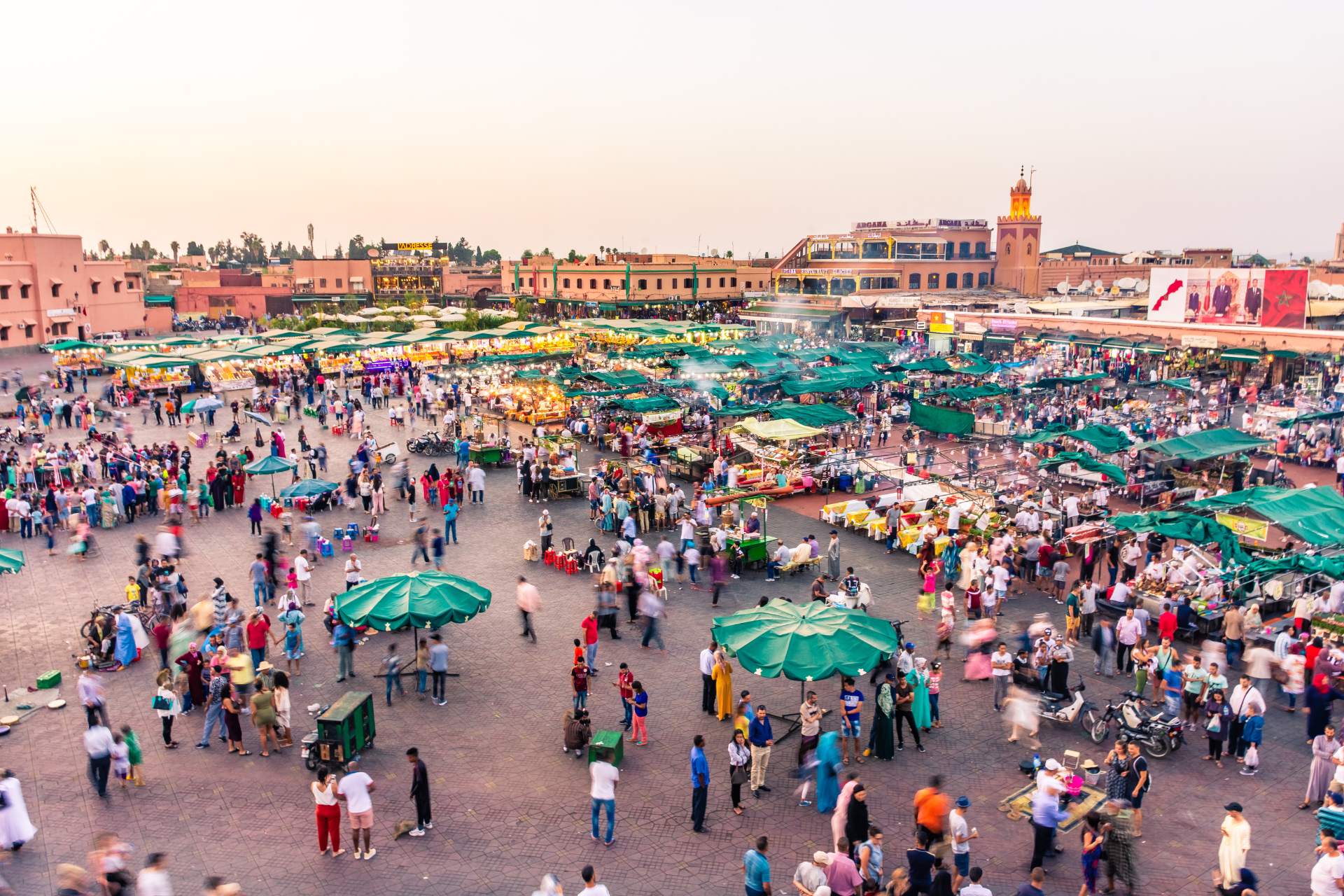
Timing significantly impacts both costs and crowds. Peak season (March-May and September-October) sees accommodation prices increase 30-50% compared to low season, particularly in popular cities like Marrakech and Fes.
Budget travelers find excellent deals during summer (July-August) and winter (January-February), when hotel rates drop and negotiation becomes easier. However, summer heat and winter cold require trade-offs against savings.
According to U.S. Department of Commerce data, Morocco welcomed over 13 million tourists in 2023, with numbers concentrated heavily in spring and autumn months. Visiting during shoulder periods (late March, early May, late September, early November) offers the sweet spot of good weather with manageable crowds.
Frequently Asked Questions
What is the cheapest month to visit Morocco?
January and February typically offer the lowest prices for flights and accommodations, with discounts of 30-50% compared to peak season. However, weather can be cold and rainy, particularly in northern regions. July-August also sees price drops in inland cities due to extreme heat.
Is Morocco too hot in May?
May is generally excellent for visiting Morocco, with temperatures ranging from 24-28°C (75-82°F) in most cities. The Sahara begins heating up significantly but remains manageable for desert tours. Coastal areas are particularly pleasant in May, making it one of the best times to visit Morocco.
What should I avoid during my Morocco trip?
Avoid visiting the Sahara Desert during June-August when temperatures regularly exceed 45°C (113°F). Also avoid the Atlas Mountains November-March if you plan high-altitude trekking, as snow closes many passes. During Ramadan, be prepared for limited daytime dining options and adjusted business hours.
How many days do you need in Morocco?
A minimum of 7-10 days allows you to experience Morocco’s highlights including Marrakech, Fes, the Sahara Desert, and coastal areas. Two weeks enables a more comprehensive exploration including mountain trekking and multiple desert experiences. Even 4-5 days provides a worthwhile introduction to major imperial cities.
Can you visit Morocco during Ramadan?
Yes, Morocco remains welcoming to tourists during Ramadan, though the experience differs from other times. Many restaurants close during daylight hours, though tourist-oriented establishments often continue serving. Evening iftar celebrations offer unique cultural experiences. Travelers should dress modestly and avoid eating in public during fasting hours as a sign of respect.
What is the rainy season in Morocco?
Morocco’s rainy season runs November-March, with December and January being wettest. Northern regions and the Atlantic coast receive the most precipitation, while southern areas and the Sahara remain largely dry year-round. Rainfall is typically intermittent rather than continuous, and sunny days still occur frequently during winter months.
Conclusion: Determining the best time to visit Morocco depends on your destinations, activities, and tolerance for heat or crowds. Spring (March-May) and autumn (September-November) offer the most universally comfortable conditions across all regions. However, Morocco’s diverse climate means every season has its advantages—winter provides budget-friendly travel and skiing opportunities, while summer delivers guaranteed sunshine along the coast. By matching Morocco’s seasonal variations to your travel priorities, you’ll ensure an unforgettable North African adventure tailored perfectly to your needs.