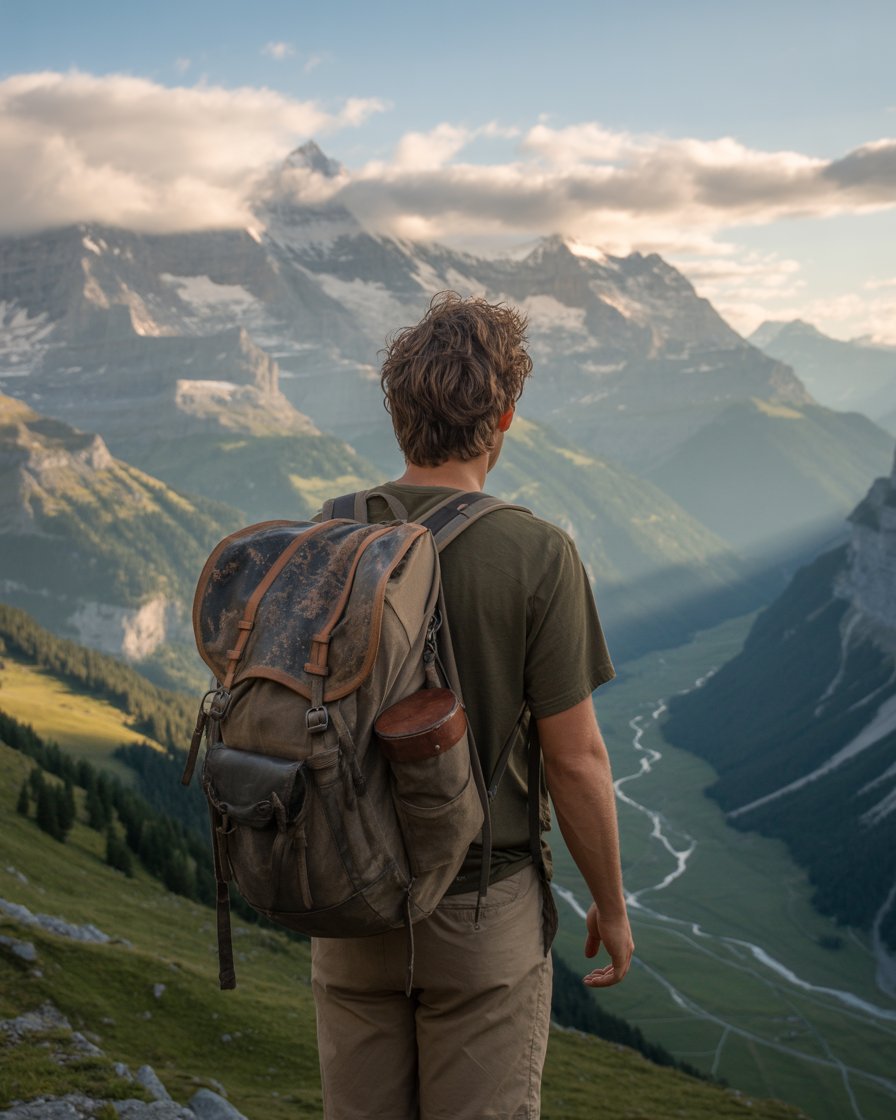
If you’re planning a trip to North Africa and wondering is Morocco safe for tourists, you’re not alone. Morocco welcomes over 13 million international visitors annually, making it one of Africa’s most popular tourist destinations. The country has invested heavily in tourism infrastructure and security, creating a generally safe environment for travelers seeking to explore its vibrant souks, stunning deserts, and ancient cities.
Quick Answer: Is Morocco Safe?
Yes, Morocco is generally safe for tourists. The country maintains a strong security presence in tourist areas, and violent crime against visitors is rare. As of 2026, Morocco ranks safer than many popular tourist destinations. However, petty theft and scams do occur, requiring standard travel precautions like securing valuables and staying aware of surroundings.
Overall Safety Rating for Morocco
Morocco consistently receives favorable safety ratings from international travel organizations. The U.S. Department of State classifies Morocco as a Level 1 destination for most regions, meaning travelers should exercise normal precautions—the same level as many European countries.
The Moroccan government prioritizes tourism safety, deploying dedicated tourist police (Brigade Touristique) in major cities and popular destinations. These officers, often multilingual, are specifically trained to assist international visitors and maintain security in areas frequented by tourists.
According to the World Health Organization, Morocco has made significant improvements in public health infrastructure, contributing to overall visitor safety. The country’s political stability compared to other North African nations further enhances its reputation as a secure destination.
Crime and Safety Statistics
When evaluating whether Morocco is safe for tourists, examining actual crime statistics provides valuable context. Morocco’s violent crime rate remains relatively low, particularly crimes targeting tourists. The Ministry of Interior reports that serious crimes against foreigners represent less than 2% of all reported incidents.
Petty crime, however, does occur with moderate frequency in tourist-heavy areas. Pickpocketing and bag snatching account for approximately 65% of crimes reported by tourists, primarily concentrated in crowded medinas and popular attractions in cities like Marrakech, Fez, and Casablanca.
As of 2026, Morocco has experienced no major terrorist incidents affecting tourists in over five years, though the government maintains heightened security measures. The country’s comprehensive counterterrorism efforts have proven effective in maintaining public safety.
Crime Comparison
Compared to popular European destinations, Morocco’s crime rates are comparable or lower. Tourist-targeted theft occurs less frequently than in cities like Barcelona or Rome, though visitors should maintain similar vigilance levels.
Common Safety Concerns for Tourists
Understanding specific safety concerns helps travelers prepare appropriately. The most frequently reported issues include:
- Petty theft: Pickpocketing in crowded areas, particularly markets and public transportation
- Aggressive vendors: Pushy salespeople in tourist zones, though rarely physically threatening
- Unlicensed guides: Individuals offering unsolicited guiding services, sometimes leading to overcharging
- Transportation scams: Taxi drivers without meters or unofficial transport operators
- Food safety: Occasional stomach upset from unfamiliar cuisine or water quality
One common misconception is that Morocco is dangerous due to its proximity to unstable regions. In reality, Morocco maintains strict border security and has remained remarkably stable politically for decades.
Safe Travel Practices in Morocco
Implementing smart travel practices significantly enhances safety when visiting Morocco. These strategies address the most common concerns tourists face:
Secure your belongings: Use anti-theft bags, keep valuables in hotel safes, and avoid displaying expensive jewelry or electronics. Money belts worn under clothing provide excellent security for passports and cash.
Use reputable transportation: Book taxis through hotels or use official apps like Careem or Heetch. Always insist on meter usage or agree on fares before departure. Train travel between cities is safe, comfortable, and reliable.
Respect local customs: Morocco is a Muslim-majority country where modest dress (covering shoulders and knees) demonstrates respect and may reduce unwanted attention. This is particularly important outside major tourist areas.
Navigation and Communication
Download offline maps before exploring medinas, as the narrow, winding streets can be confusing. Consider hiring official guides (identifiable by government-issued badges) for initial medina explorations. Learning basic French or Arabic phrases enhances interactions and demonstrates cultural respect.
Regional Safety Variations
Safety levels vary somewhat across Morocco’s diverse regions. Understanding these differences helps answer whether Morocco is safe for tourists in specific areas you plan to visit.
Major cities like Marrakech, Fez, Casablanca, and Rabat have strong police presence and generally feel safe, though petty crime is more common. Tourist police patrol popular areas, particularly in medinas and near major attractions.
Coastal towns such as Essaouira, Agadir, and Tangier typically feel relaxed and safe. Beach resorts maintain private security, and the coastal atmosphere tends toward lower crime rates.
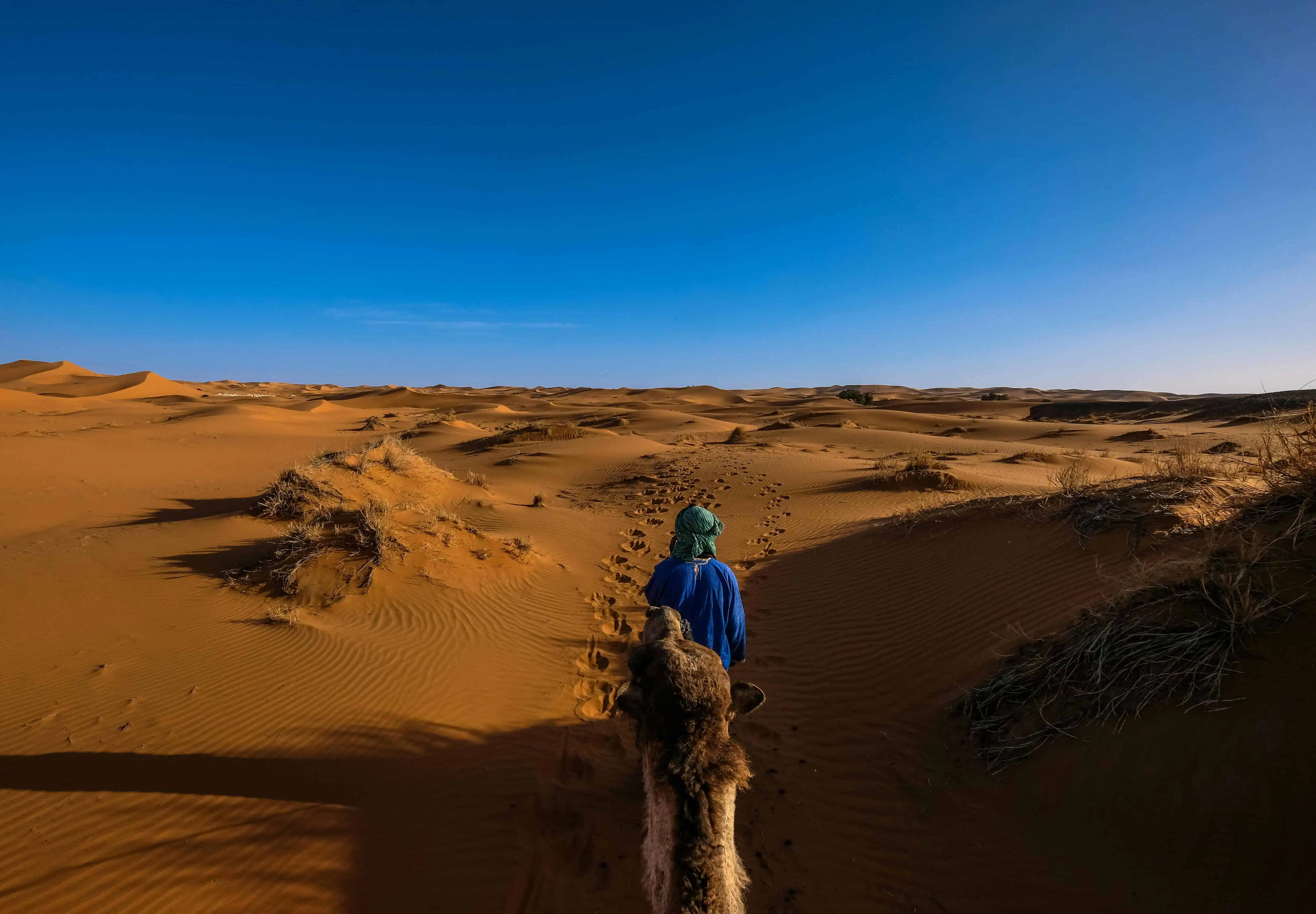
Desert regions and mountain areas like the Sahara and Atlas Mountains are very safe when visited through reputable tour operators. The Berber communities in these regions are known for hospitality and welcoming attitudes toward tourists.
Border regions near the Western Sahara should be approached with caution. The U.S. State Department advises against travel to areas south of Berm due to landmines and military restrictions.

Health and Medical Safety
Health considerations form an important aspect of travel safety. Morocco’s healthcare system includes both public and private facilities, with major cities offering quality medical care meeting international standards.
Travelers should ensure routine vaccinations are current. While no special vaccinations are mandatory for Morocco, the WHO recommends hepatitis A and typhoid vaccines for travelers who may eat or drink outside major restaurants and hotels.
Water safety: Tap water in cities is generally treated but may cause stomach upset for unaccustomed travelers. Stick to bottled water, widely available and inexpensive throughout the country.
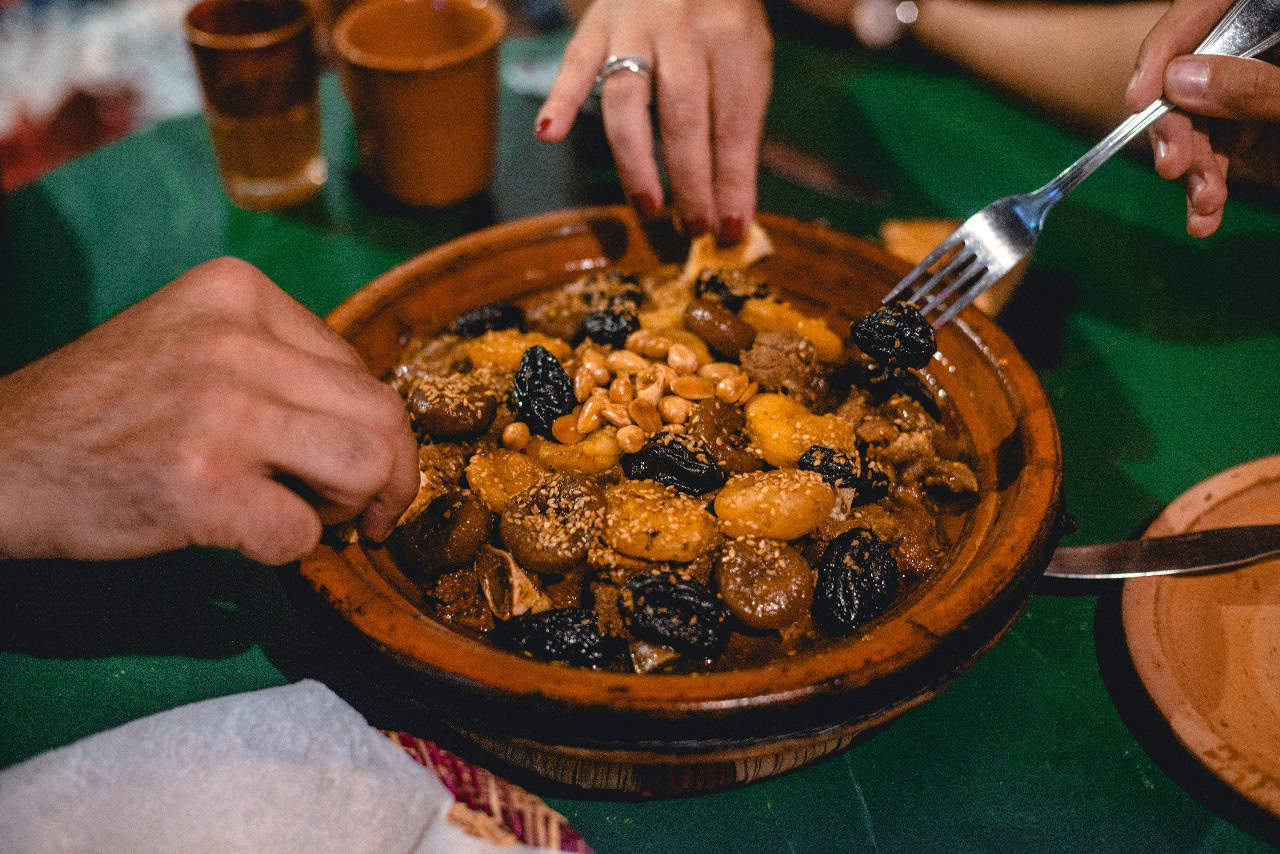
Food safety: Moroccan cuisine is delicious and generally safe. Choose busy restaurants where food turns over quickly, ensure meat is thoroughly cooked, and wash fruit with bottled water or peel it.
Travel Insurance
Comprehensive travel insurance is essential. Ensure your policy covers medical evacuation, as serious conditions may require transport to European facilities. Keep emergency contact numbers and policy details readily accessible.
Safety for Solo Female Travelers
Many solo female travelers ask specifically whether Morocco is safe for tourists traveling alone. While Morocco is generally safe for women, additional precautions can enhance comfort and security.
Unwanted attention, including catcalling and staring, occurs more frequently than in Western countries. This is rarely dangerous but can feel uncomfortable. Strategies to minimize attention include dressing modestly, wearing sunglasses, walking confidently, and using headphones to avoid unwanted conversations.
Accommodations matter significantly. Choose reputable riads and hotels in well-trafficked areas. Many female travelers report feeling safer in family-run accommodations where owners provide protective oversight.
Join group activities: Organized tours and group excursions provide built-in social structures and enhanced security. Many female travelers connect through online communities to explore together.
Trust your instincts. If a situation feels uncomfortable, remove yourself politely but firmly. Moroccans generally respect assertiveness, and saying “no” firmly is culturally acceptable.
Common Scams to Avoid
Being aware of common scams helps travelers stay safe and avoid financial loss. These schemes rarely involve violence but can be frustrating and expensive:
- Fake guides: Individuals claiming you need a guide or that your hotel is closed, then leading you to commission-paying alternatives. Always verify hotel status directly.
- Spice shop tours: “Friendly” locals offering free medina tours that inevitably end at family shops expecting purchases. Politely decline unsolicited guide services.
- Tannery rooftop scams: Guides offering to show tanneries from rooftops, then demanding payment. Official tannery viewpoints charge reasonable fixed fees.
- Overpriced restaurant bills: Some tourist restaurants inflate prices or add items not ordered. Check menus carefully and review bills before paying.
- Carpet shipping schemes: Dealers promising to ship carpets internationally, then disappearing or sending inferior products. Only purchase what you can carry.
Emergency Contacts and Resources
Knowing emergency contacts before traveling enhances safety preparedness. Save these numbers in your phone:
- Police emergency: 19
- Tourist Police (Brigade Touristique): Available in major tourist cities with officers often speaking English, French, and Spanish
- Medical emergency (SAMU): 15
- Fire department: 150
- U.S. Embassy (Rabat): +212 (0)537 637 200
- UK Embassy (Rabat): +212 (0)537 633 333
Register with your embassy’s travel program (such as STEP for Americans) to receive security updates and facilitate contact during emergencies. Keep digital and physical copies of your passport, insurance documents, and important contact numbers.
Frequently Asked Questions
Is Morocco safe for tourists in 2026?
Yes, Morocco is safe for tourists in 2026. The country maintains strong security measures, particularly in tourist areas, and violent crime against visitors is rare. Morocco ranks as a Level 1 destination (exercise normal precautions) by the U.S. State Department. Millions of tourists visit annually without incident, though standard safety precautions regarding petty theft and scams remain advisable.
What are the safest cities in Morocco for tourists?
The safest Moroccan cities for tourists include Rabat (the capital), Essaouira, Agadir, and Chefchaouen. These cities have lower crime rates, strong police presence, and well-developed tourist infrastructure. Marrakech and Fez, while experiencing more petty theft due to tourist volume, remain safe when travelers exercise normal vigilance.
Can women travel safely alone in Morocco?
Women can travel safely alone in Morocco, though they may experience more attention than in Western countries. Dressing modestly (covering shoulders and knees), staying in reputable accommodations, and maintaining confident body language significantly enhance comfort and safety. Many solo female travelers visit Morocco successfully each year by following sensible precautions.
What should I avoid doing in Morocco for safety reasons?
For safety in Morocco, avoid displaying expensive jewelry or electronics, walking alone late at night in unfamiliar areas, accepting unsolicited guide services, drinking tap water, and photographing military installations or police. Also avoid political discussions, excessive alcohol consumption in public, and traveling to Western Sahara border regions without proper research.
Is it safe to eat street food in Morocco?
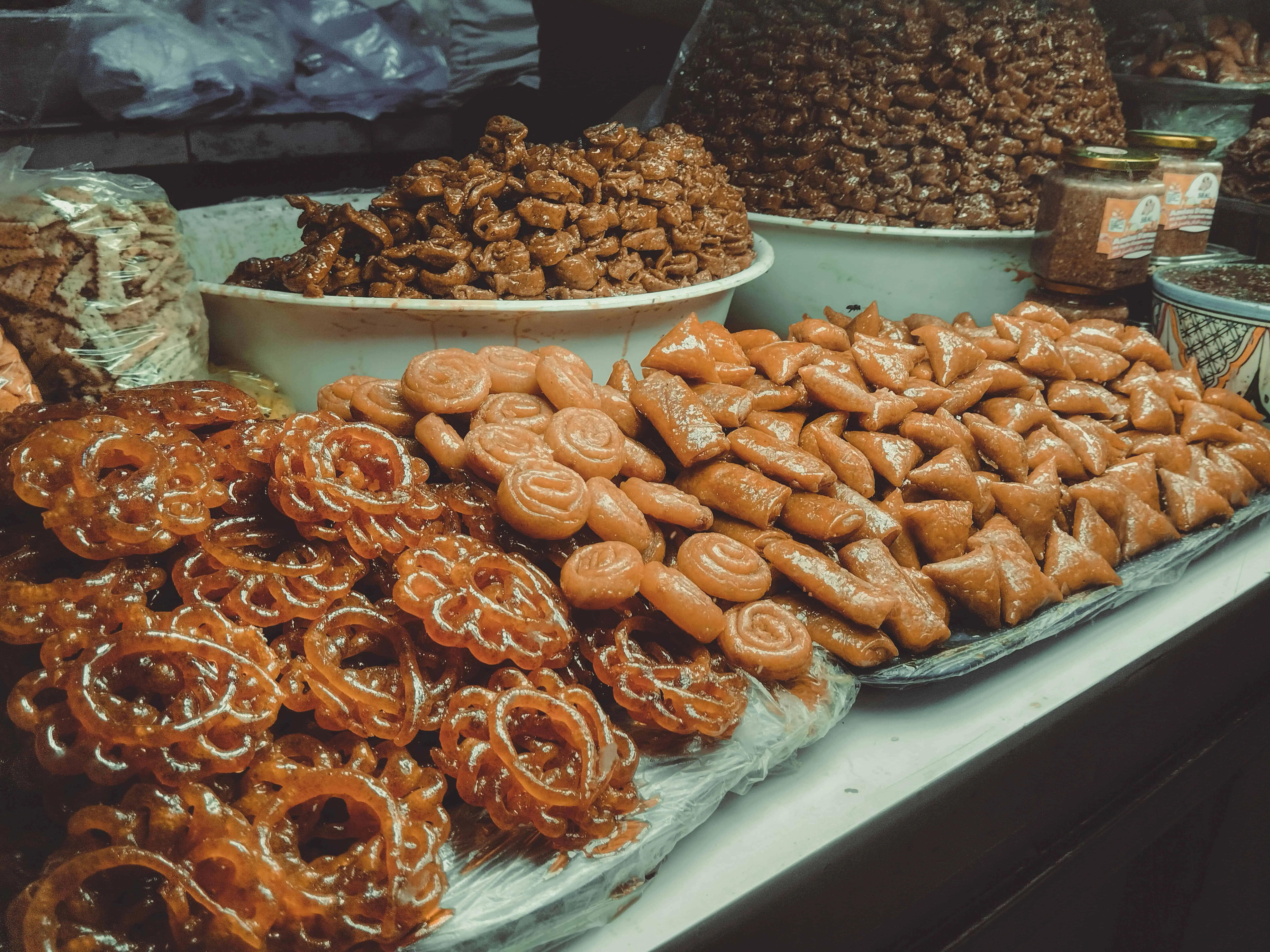
Moroccan street food is generally safe when purchased from busy vendors with high turnover. Look for stalls with long queues of locals, freshly cooked hot food, and clean preparation areas. Avoid raw salads, unpeeled fruit, and items sitting out for extended periods. Start with small portions to allow your digestive system to adjust to new foods and spices.
Do I need special vaccines to travel to Morocco?
No mandatory vaccines are required for Morocco, but the WHO recommends ensuring routine vaccinations are current and considering hepatitis A and typhoid vaccines, especially if traveling beyond major tourist areas. Consult your healthcare provider 4-6 weeks before departure for personalized recommendations based on your itinerary and medical history.
Conclusion
So, is Morocco safe for tourists? The answer is a resounding yes, with appropriate precautions. Morocco offers a rich cultural experience with generally low risk for travelers who exercise common sense and awareness. The country’s tourism infrastructure, dedicated tourist police, and stable political environment create a welcoming atmosphere for millions of annual visitors.
While petty crime and scams exist, they’re avoidable through vigilance and preparation. Most tourists enjoy Morocco’s incredible hospitality, stunning landscapes, and vibrant culture without encountering serious safety issues. By following the guidance in this article—securing belongings, using reputable services, respecting local customs, and staying informed—you can confidently explore everything Morocco offers.
Whether you’re wandering the blue streets of Chefchaouen, bargaining in Marrakech’s souks, or camping under Saharan stars, Morocco provides memorable experiences in a generally safe environment. Proper preparation and awareness transform potential concerns into minor considerations, allowing you to focus on the extraordinary adventure awaiting you in this North African gem.